 MomSkoop

Some habits don’t just push people away temporarily—they quietly build walls that become harder to break over time. While no one is perfect, many women say certain repeated behaviors in men can make relationships feel exhausting, emotionally distant, or impossible to sustain.
From poor communication to a lack of accountability, these habits often leave men wondering why meaningful connections never seem to last. Here are 13 habits women say frequently lead men toward loneliness and failed relationships.
1. Poor communication

Talking openly is the foundation of every strong relationship.
When someone refuses to share their thoughts or feelings, it creates distance that grows over time.
Avoiding honest conversations means problems never get resolved, and resentment builds quietly in the background.
Shutting down during conflict makes a partner feel unheard and unimportant.
Expecting someone to read your mind instead of explaining what you need leads to constant misunderstandings.
Real connection happens when both people feel safe expressing themselves.
Without that safety, the relationship becomes a guessing game nobody enjoys playing.
Learning to speak up, even when uncomfortable, transforms how relationships function and helps both people feel valued and understood.
2. Emotional unavailability

Keeping emotions locked away might feel safer, but it prevents real intimacy from developing.
Relationships thrive when both people can be vulnerable and share what they truly feel inside.
Someone who cannot express emotions leaves their partner feeling lonely, even when they are physically present together.
Offering emotional support means listening, caring, and showing empathy when your partner struggles with life’s challenges.
Without this support, a relationship feels one-sided and exhausting.
Showing vulnerability is not weakness—it is courage that deepens trust and connection between two people.
Building emotional availability takes practice, but the reward is a partnership where both people feel genuinely seen and cherished.
3. Chronic negativity or pessimism

Everyone has bad days, but constant complaining turns every conversation into an energy drain.
A cynical outlook makes it hard for anyone to enjoy spending time together because negativity spreads like a dark cloud.
Bitterness about past experiences colors every new situation, preventing joy from taking root.
Partners want to build a future filled with hope and possibility, not endless criticism about everything wrong with the world.
When someone focuses only on problems without seeing solutions, it becomes exhausting to stay positive around them.
Optimism is attractive because it creates space for growth and happiness to flourish naturally.
Shifting perspective toward gratitude and possibility makes relationships lighter and more enjoyable for everyone involved.
4. Lack of accountability

Taking responsibility for mistakes shows maturity and respect for your partner’s feelings.
Blaming others for everything that goes wrong reveals an inability to reflect honestly on personal behavior.
Refusing to apologize when you hurt someone damages trust and makes healing impossible after conflicts arise.
Never acknowledging mistakes sends the message that you believe you are always right, which shuts down meaningful dialogue completely.
Accountability means recognizing your role in problems and working actively to do better next time.
Partners need to know their feelings matter and that you care enough to change harmful patterns.
Owning up to errors builds respect and demonstrates commitment to growing together as a team.
5. Entitlement or superiority mindset

Believing you deserve attention, affection, or intimacy without earning it creates an unbalanced dynamic.
Relationships require mutual effort, respect, and genuine care from both people to flourish over time.
Acting superior or expecting loyalty while offering nothing in return makes a partner feel used and undervalued.
Nobody wants to be with someone who thinks they are above putting in work or showing appreciation regularly.
Entitlement kills attraction because it reveals a lack of gratitude and humility.
True partnership means recognizing that both people bring equal value and deserve equal consideration in decisions and affection.
Dropping the superiority act and embracing humility opens doors to deeper, more satisfying connections built on mutual respect.
6. Poor hygiene or self-care
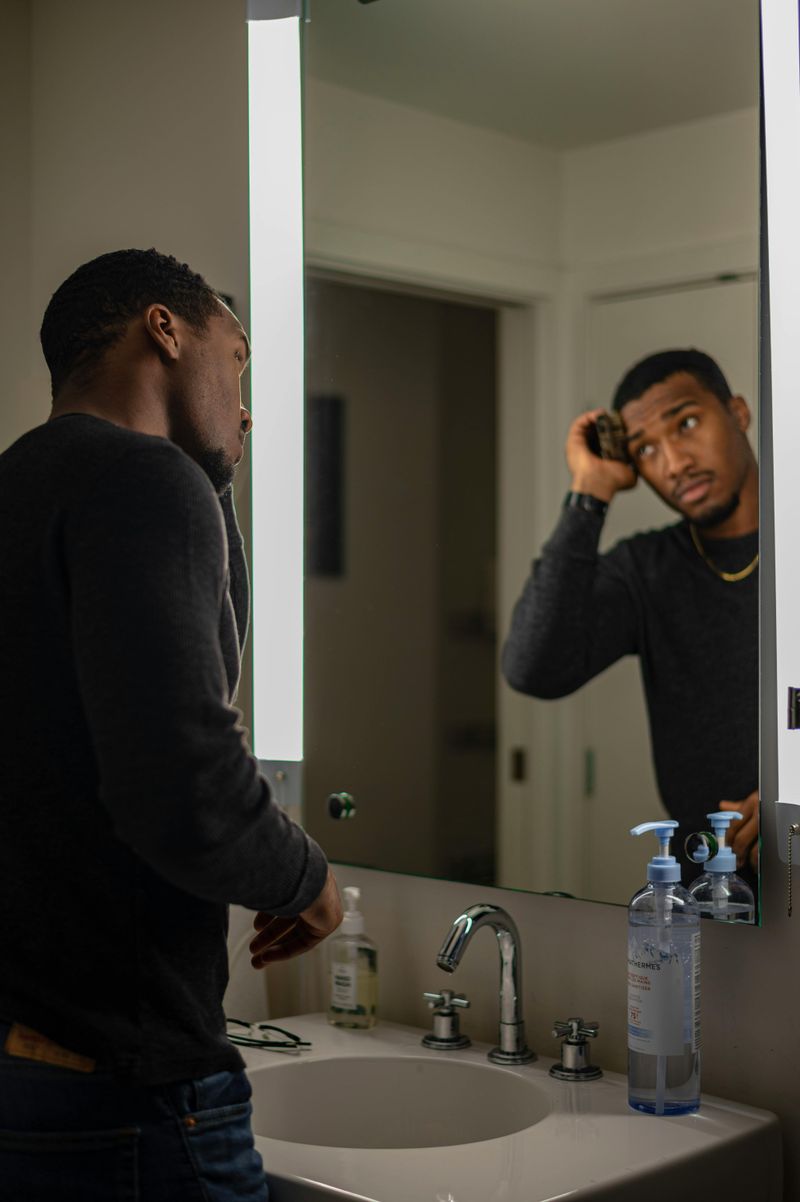
First impressions matter, but maintaining basic grooming shows ongoing respect for yourself and your partner.
Neglecting hygiene after getting comfortable in a relationship sends the message that you no longer care about being attractive or presentable.
Basic self-care is not vanity—it demonstrates self-respect and consideration for the person sharing your space.
Poor grooming habits can make physical closeness uncomfortable and diminish attraction over time, no matter how strong the emotional bond started.
Taking care of your health and appearance shows you value yourself and the relationship enough to make effort.
Small actions like showering regularly and wearing clean clothes communicate respect and attention to detail that partners notice and appreciate deeply.
7. Inflexibility and control issues

Healthy relationships require give-and-take, where both people have input on decisions that affect their lives together.
Insisting everything must be done your way leaves no room for your partner’s preferences, needs, or personality to shine.
Micromanaging creates tension and resentment because it implies you do not trust your partner’s judgment or abilities.
Resisting compromise shows stubbornness that makes problem-solving nearly impossible when conflicts inevitably arise between two different people.
Flexibility demonstrates respect for your partner’s autonomy and willingness to find solutions that work for both of you.
Letting go of control allows the relationship to breathe and grow naturally.
Embracing compromise creates harmony and shows you value partnership over always getting your way.
8. Disrespect toward women or people in general

How someone treats others reveals their true character and values more clearly than any words they speak.
Making dismissive comments or holding sexist beliefs creates an environment where a partner feels undervalued and disrespected daily.
Lacking empathy means being unable to understand or care about how your actions affect the people around you.
Disrespect poisons relationships because it erodes trust and makes someone feel unsafe sharing their thoughts or feelings honestly.
Courtesy and kindness are not optional extras—they are fundamental requirements for any healthy, lasting connection between two people.
Treating everyone with dignity shows integrity and makes you someone others genuinely want to be around long-term.
9. Avoidance of personal growth

Life is about learning, evolving, and becoming better versions of ourselves through experiences and challenges.
Refusing to grow emotionally, socially, or professionally signals that you are comfortable staying exactly where you are forever.
Partners want someone who strives to improve and adapt, not someone stuck in old patterns that no longer serve them well.
Personal growth keeps relationships fresh and exciting because both people bring new perspectives and skills to the partnership regularly.
Stagnation breeds boredom and frustration because it limits what you can experience and achieve together as a couple.
Embracing change and self-improvement shows maturity and commitment to being the best partner possible for someone you care about deeply.
10. Prioritizing ego over connection
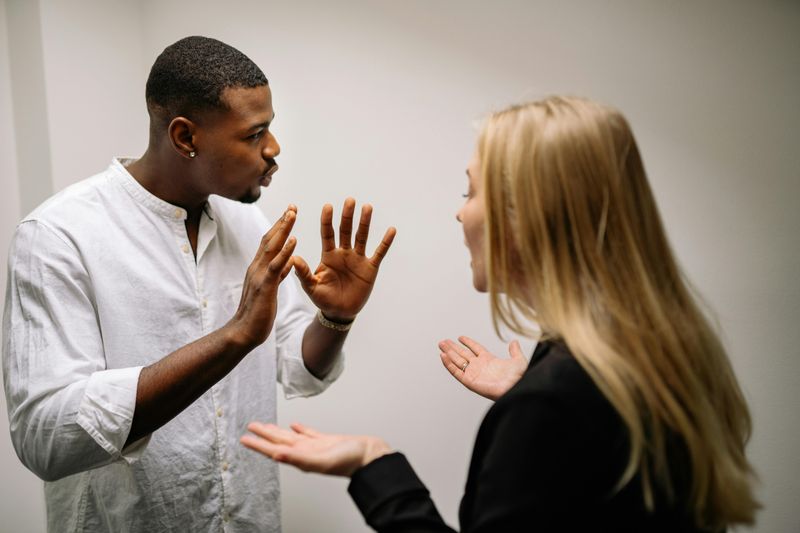
Needing to win every argument turns conversations into battles instead of opportunities to understand each other better.
Protecting pride at all costs prevents genuine intimacy because vulnerability requires setting ego aside and admitting when you are wrong.
Proving dominance might feel satisfying momentarily, but it damages the emotional safety that relationships need to survive long-term.
Connection happens when both people feel equally important and valued, not when one person constantly needs to be right or in charge.
Letting go of ego allows love and understanding to flow freely between partners without unnecessary walls blocking the way.
Choosing connection over being right strengthens bonds and creates the kind of partnership where both people feel truly supported and loved.
11. Inconsistency and mixed signals

Consistency matters more than grand gestures ever will.
When a man says one thing, does another, and changes his energy without explanation, it leaves people confused instead of secure.
Attraction can survive imperfections, but it rarely survives constant uncertainty.
Mixed signals make connection feel like emotional guesswork.
One day he is attentive and all in, the next he is distant, vague, or unavailable, and that pattern slowly erodes trust.
Most women do not walk away because things are imperfect.
They walk away because instability makes love feel stressful rather than safe.
Over time, even strong interest starts to feel emotionally expensive.
12. Weaponized helplessness

There is a difference between needing support and refusing to function like an adult.
When a man expects a partner to manage his life, emotions, responsibilities, and basic problem solving, the relationship starts to feel parental instead of romantic.
Dependence is not always sweet when it is selective and convenient.
Many women lose attraction when competence disappears the moment commitment begins.
If she has to remind, organize, plan, soothe, and carry everything while he coasts, resentment builds fast.
A healthy relationship needs partnership, not unpaid emotional labor dressed up as helplessness.
Sooner or later, that imbalance makes staying feel lonelier than leaving.
13. Unresolved jealousy and insecurity

Jealousy can look like passion at first, but it quickly becomes exhausting.
When a man constantly questions motives, reads threats into harmless interactions, or needs repeated reassurance, the relationship begins to revolve around his fears instead of mutual trust.
Love cannot breathe where suspicion is always in the room.
Insecurity often pushes people to monitor, accuse, or compete when what they need is self-worth.
Most women do not want to spend their days proving loyalty in a trial that never ends.
Confidence is calming, while jealousy creates tension, defensiveness, and distance.
Eventually, being loved by someone insecure can feel more like being managed than known.