 MomSkoop

What society accepts as “normal” is constantly evolving. Ideas that once shaped everyday life — from family roles to social expectations — can look surprisingly outdated through a modern lens. Sixty years ago, many beliefs were rarely questioned because they reflected the culture, traditions, and limited perspectives of the time.
Today, however, changing values, greater awareness, and social progress have challenged many of those once-common assumptions. Looking back at these beliefs offers a fascinating glimpse into how much attitudes — and society itself — have changed over the decades.
1. Smoking Was Good For Digestion

Back in the 1960s, cigarette companies actually told people that smoking helped their stomachs work better after eating.
Doctors even appeared in magazine ads holding cigarettes, claiming they were safe and healthy.
Some brands marketed their products specifically as digestive aids, suggesting a smoke after dinner was beneficial.
People trusted these advertisements because medical professionals endorsed them.
Today, we know smoking causes cancer, heart disease, and countless other health problems.
The idea that cigarettes could help digestion seems absolutely ridiculous now.
This belief shows how marketing can mislead entire generations when proper research is lacking.
2. Pregnant Women Should Have A Drink

Expectant mothers in the 1960s were often told that having a cocktail or glass of wine would help them relax during pregnancy.
Doctors sometimes recommended alcohol to calm nerves or even prevent premature labor.
Nobody understood that alcohol passes directly to the developing baby, potentially causing serious harm.
Women would openly drink at social gatherings without anyone questioning whether it was safe.
We now know about Fetal Alcohol Syndrome and the devastating effects alcohol can have on unborn children.
Medical professionals today strongly advise against any alcohol consumption during pregnancy.
This dangerous belief put countless babies at risk before proper studies were conducted.
3. A Little Radiation Is Good Clean Fun
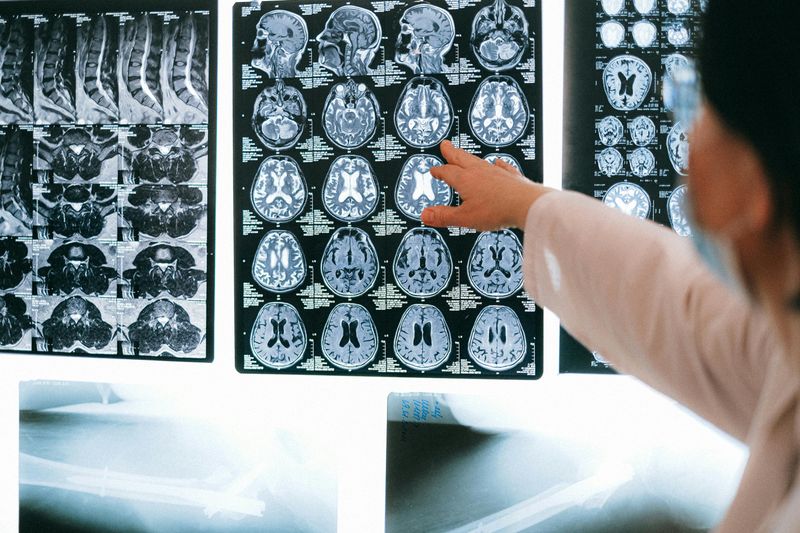
Shoe stores once had special machines that used X-rays so customers could see their feet inside their shoes.
Kids thought these glowing green images were exciting and would use the machines repeatedly just for entertainment.
Parents had no idea they were exposing their children to harmful radiation with each use.
Some companies even sold radioactive toys and beauty products, claiming radiation had health benefits.
Radium was added to watches to make them glow in the dark, and workers who painted these dials suffered terrible consequences.
Today, we understand radiation causes cancer and genetic damage.
Strict regulations now control radiation exposure to protect public health.
4. Seatbelts Are Dangerous Traps
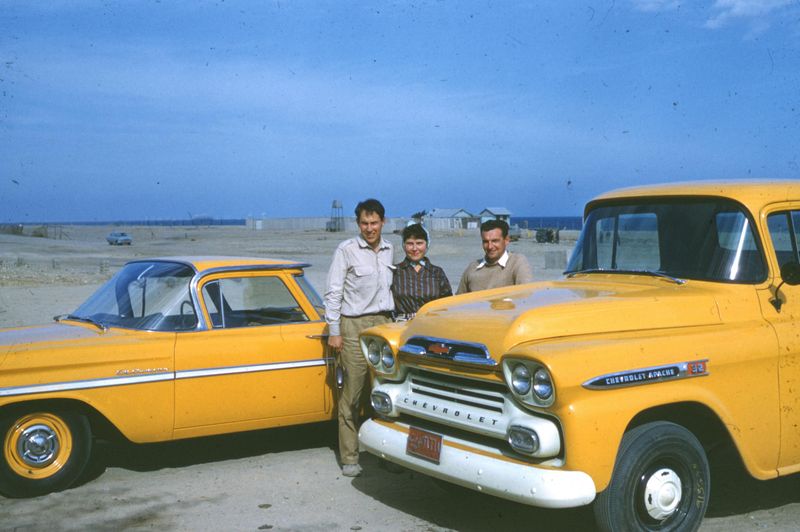
Many people in the 1960s actually feared seatbelts more than car accidents themselves.
They worried about getting trapped inside a burning or sinking vehicle if they were buckled in.
Some believed being thrown from a car during a crash was safer than staying inside.
Car manufacturers only began installing seatbelts because laws eventually required them, not because customers demanded them.
Children would bounce around freely in backseats, and babies were simply held in laps.
Crash test research has since proven that seatbelts save thousands of lives every year.
Modern safety features like airbags work together with seatbelts to provide maximum protection during accidents.
5. Lobotomies Fix Mood Swings
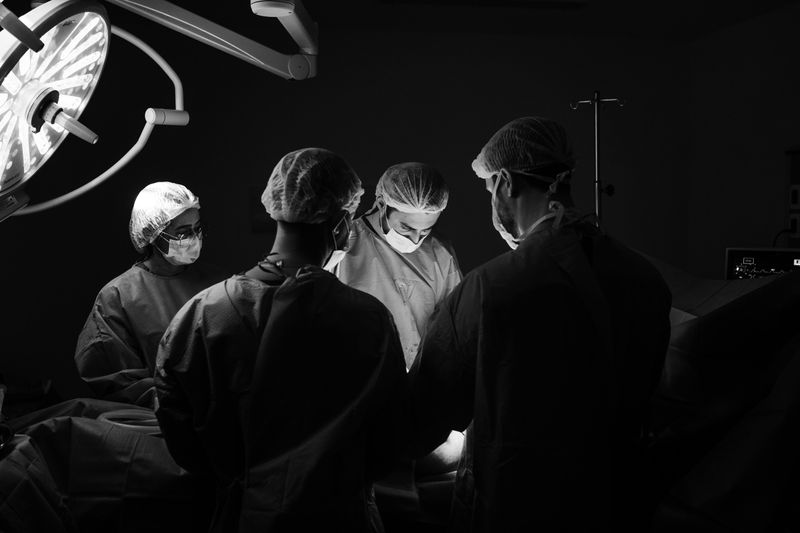
Doctors performed lobotomies on thousands of patients who were simply anxious, sad, or difficult to manage.
This surgical procedure involved cutting connections in the brain’s prefrontal cortex, permanently changing a person’s personality.
Medical professionals viewed it as a quick fix for mental health issues, mood disorders, and even unruly behavior in women.
Patients often became emotionally numb, losing their ability to feel normal emotions or function independently.
The procedure was so popular that its inventor won a Nobel Prize, despite the devastating results.
Families would commit relatives for lobotomies without fully understanding the irreversible consequences.
Modern medicine now treats mental health with therapy and medication instead of destructive brain surgery.
6. Asbestos Is The Best Building Material

Builders loved asbestos because it didn’t burn, insulated homes perfectly, and cost very little money.
Construction workers handled it with bare hands, breathing in the dangerous fibers without any protective equipment.
Schools, homes, and office buildings were filled with asbestos in walls, ceilings, and floor tiles.
Nobody realized these microscopic fibers were lodging in people’s lungs, causing cancer decades later.
Companies knew about the dangers but hid the evidence to keep profiting from this popular material.
Thousands of workers and their family members developed mesothelioma and other fatal lung diseases.
Removing asbestos from old buildings now requires specialized teams wearing full protective gear.
7. Sunburns Turn Into A Healthy Base Tan

People would deliberately bake themselves in the sun until their skin turned bright red and painful.
They believed this initial burn would fade into a beautiful, protective tan that prevented future sun damage.
Baby oil and reflective aluminum foil were popular tanning tools to intensify sun exposure.
Nobody wore sunscreen because deeply tanned skin was considered attractive and healthy-looking.
Teenagers would spend entire summer days at the beach or pool, competing to see who could get the darkest.
We now understand that sunburns cause permanent DNA damage and significantly increase skin cancer risk.
Dermatologists today recommend daily sunscreen use and avoiding excessive sun exposure altogether.
8. Women Belong Only In The Kitchen
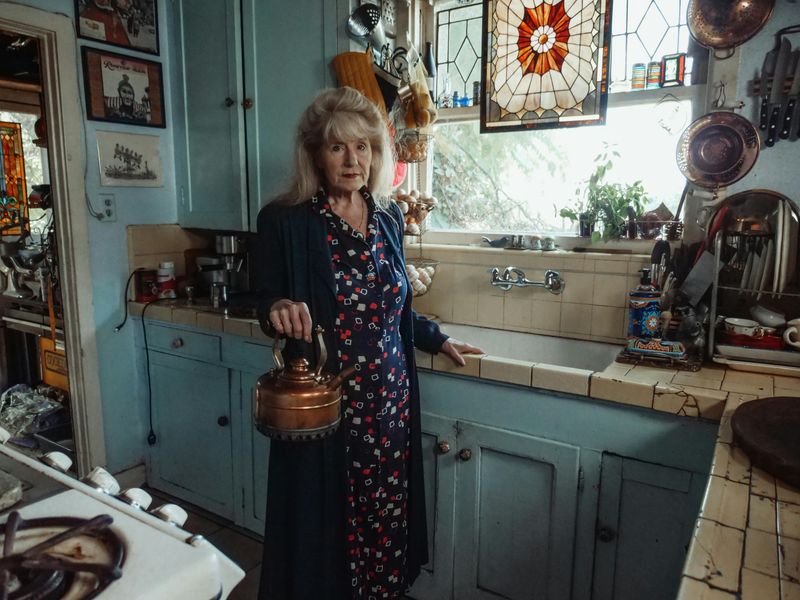
Society expected women to focus entirely on cooking, cleaning, and raising children while men worked outside the home.
Girls were taught homemaking skills in school instead of career preparation or advanced academics.
Women who wanted professional careers faced discrimination, mockery, and were often denied job opportunities.
Many workplaces wouldn’t hire married women, assuming they’d quit to have babies anyway.
Banks required a husband’s signature before a woman could open her own account or apply for credit.
Educational institutions limited female enrollment in certain fields like medicine, law, and engineering.
The women’s liberation movement gradually changed these attitudes, opening doors to equality and professional opportunities for everyone.
9. Jell-O Belonged In Every Meal

Families served gelatin dishes containing vegetables, seafood, or even meat as regular dinner courses.
Cookbooks featured hundreds of recipes for molded Jell-O creations that today would seem completely inedible.
Lime gelatin with shredded carrots and mayonnaise was considered an appropriate side dish for holiday meals.
Hostesses competed to create the most impressive molded gelatin centerpieces for parties and gatherings.
Tuna, cottage cheese, and canned fruit all found their way into these wobbly, colorful concoctions.
The convenience of powdered gelatin mix made it incredibly popular among busy homemakers.
Modern tastes have shifted dramatically, and most people now reserve Jell-O for simple desserts or children’s snacks.
10. Fogging Trucks Are Fun To Chase
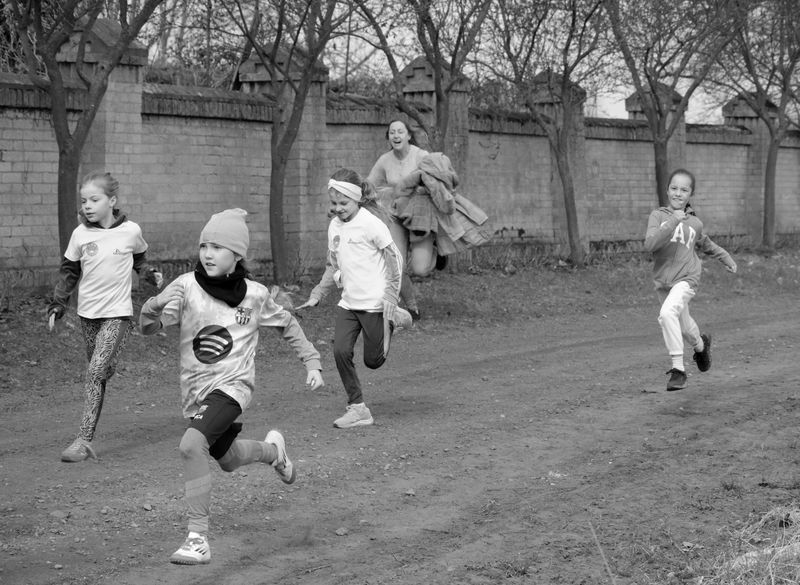
Trucks would drive through neighborhoods spraying thick clouds of DDT pesticide to kill mosquitoes.
Children thought running through these toxic clouds was an exciting game, like playing in artificial fog.
Parents watched without concern, believing the chemicals were completely harmless to humans.
Kids would ride their bikes behind the trucks, deliberately breathing in the poisonous mist.
The sweet-smelling spray coated everything—playgrounds, yards, and the children themselves.
Scientists later discovered DDT causes cancer, harms wildlife, and accumulates in the environment for decades.
Rachel Carson’s book Silent Spring helped ban DDT after revealing its devastating environmental and health effects.
11. Sugar Is A Necessary Energy Boost

Advertisements convinced parents that sugary cereals and candy provided essential energy for growing children.
Breakfast tables featured cereals that were more than half sugar, marketed as nutritious morning meals.
Candy companies claimed their products gave quick energy boosts for school performance and athletic activities.
Dentists saw cavities as inevitable rather than preventable through diet changes.
Schools had no restrictions on vending machines filled with soda and candy bars.
Nobody connected rising sugar consumption to obesity, diabetes, and other health problems.
Nutrition science has since revealed that excessive sugar contributes to numerous chronic diseases and should be limited, especially for children.
12. The Doctor Is An Unquestionable Authority

Patients never questioned their doctor’s advice or asked for second opinions about medical decisions.
Physicians were viewed as all-knowing authorities whose word was absolute and beyond challenge.
People followed prescriptions and treatment plans without understanding what they were for or potential side effects.
Doctors rarely explained diagnoses in detail, expecting patients to simply trust their judgment completely.
Medical paternalism meant doctors made decisions for patients rather than with them.
Asking questions was seen as disrespectful or doubting the doctor’s expertise and training.
Today’s healthcare emphasizes informed consent, patient education, and collaborative decision-making between doctors and the people they treat.
13. Children Should Be Seen Not Heard

For decades, plenty of adults treated quiet obedience as the gold standard of good parenting.
Kids were expected to stay out of conversations, accept rules without question, and keep any strong opinions to themselves.
The idea sounded respectful, but it often taught children that their thoughts did not matter very much.
Families, schools, and churches reinforced the same message, so speaking up could feel rude instead of healthy.
Looking back, it is striking how normal this seemed, even though it discouraged curiosity, confidence, and the kind of honest communication most parents now try hard to build.
14. Television Was The Perfect Babysitter

When television sets became household stars, many parents saw them as helpful companions rather than something to limit.
If a child stayed planted in front of the screen, that usually meant the house was quieter and the grown-ups could finally get things done.
Very few people talked about overstimulation, endless advertising, or how much passive viewing could shape attention and behavior.
Educational programs existed, but so did hours of mindless distraction sold as harmless fun.
At the time, putting kids in front of the TV felt practical and modern, even if it quietly replaced play, conversation, and the boredom that often sparks imagination.
15. Corporal Punishment Builds Character

Spanking, paddling, and other harsh discipline methods were once defended as loving corrections that kept children on the right path.
Many adults believed fear created respect, and a child who cried after punishment was simply learning an important lesson.
That thinking showed up everywhere, from family homes to classrooms to principal’s offices, where wooden paddles hung in plain sight.
Questioning the practice could make you seem soft, permissive, or out of touch with reality.
Today, the emotional damage feels much harder to ignore, but for a long time, strict physical punishment was treated as common sense instead of something that might leave lasting scars.