 MomSkoop
Television has shaped the way we think, laugh, and see the world around us. Some shows don’t just entertain—they change culture, break barriers, and leave lasting marks on society.
From groundbreaking comedies to thought-provoking dramas, certain programs have influenced everything from modern storytelling to how we view important social issues.
1. I Love Lucy (1951–1957)
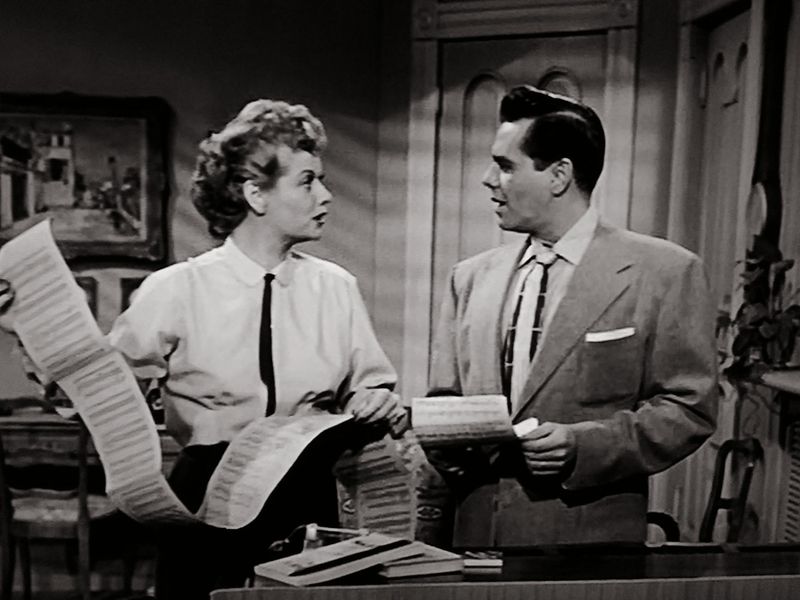
Lucille Ball didn’t just star in a sitcom—she transformed television forever.
Her wild antics, rubber-faced expressions, and fearless physical comedy made millions laugh every week.
Ball also broke barriers as a powerful woman in Hollywood, co-owning the production company and making creative decisions unheard of for actresses at the time.
The show introduced the multi-camera format that sitcoms still use today.
It proved that women could lead comedy shows and be hilarious without relying on men for the punchlines.
Reruns continue to air worldwide, proving timeless humor never gets old.
2. The Twilight Zone (1959–1964)
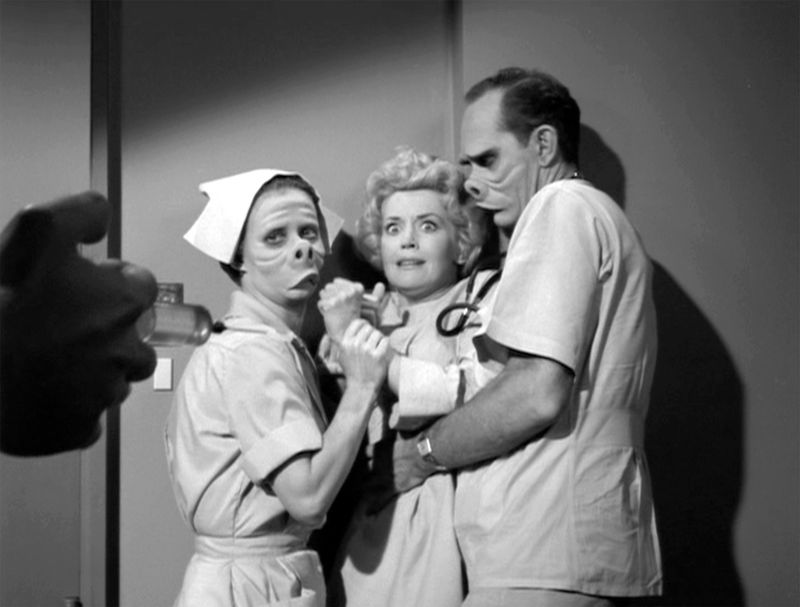
Rod Serling created something television had never seen before—a show that made you think while it spooked you.
Each episode told a different story, often with shocking twists that left viewers stunned.
Beneath the aliens and time travel, the show tackled real issues like prejudice, war, and human nature.
Serling used science fiction as a clever disguise to discuss topics that were too controversial for regular TV.
His storytelling approach influenced countless shows, from Black Mirror to Stranger Things.
The series proved television could be art, not just entertainment, and challenged audiences to question their beliefs.
3. Star Trek: The Original Series (1966–1969)
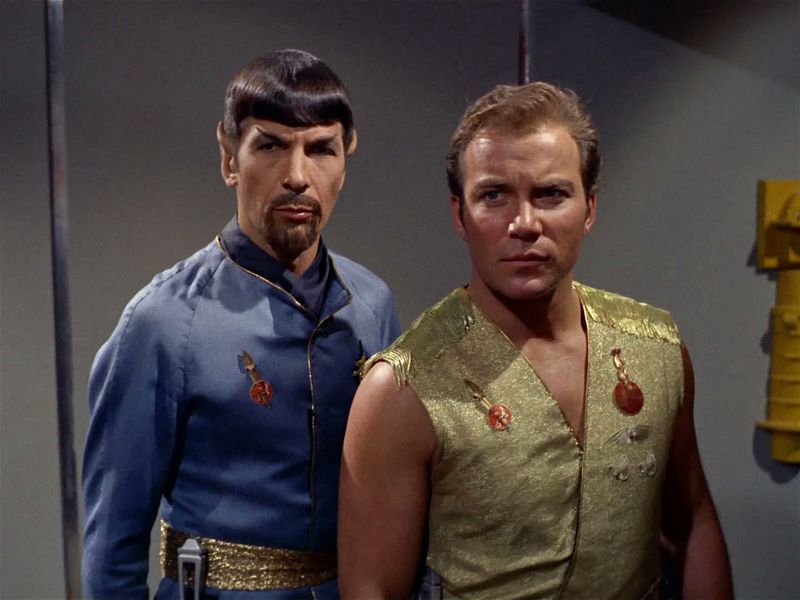
Gene Roddenberry imagined a future where humanity had solved its biggest problems and explored the stars together.
The crew of the USS Enterprise included people of different races, nationalities, and even planets working as equals—revolutionary for 1960s television.
The show featured television’s first interracial kiss and promoted messages of tolerance, curiosity, and hope.
Beyond entertainment, Star Trek inspired real scientists, astronauts, and inventors.
Technologies like cell phones and tablets were partly influenced by gadgets seen on the show.
Its legacy includes multiple spin-offs, films, and a devoted fanbase that spans generations worldwide.
4. All in the Family (1971–1979)
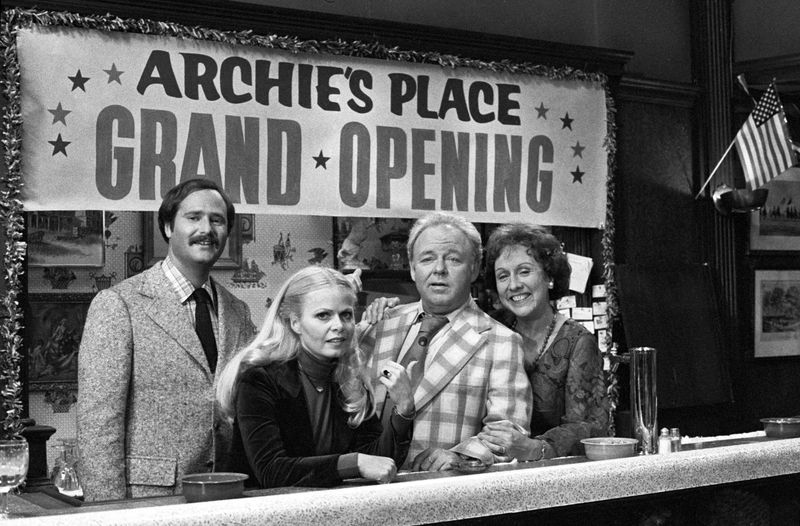
Norman Lear took a huge risk by making bigotry the center of a comedy show.
Archie Bunker was loud, opinionated, and often wrong about the world, but the show used his character to expose prejudice and start difficult conversations.
Families watched together and debated the issues raised, from racism to women’s rights to the Vietnam War.
The series proved that sitcoms could tackle serious subjects while still being funny and popular.
It won numerous awards and topped ratings for years.
Modern shows that blend comedy with social commentary owe a debt to this groundbreaking program.
5. MAS*H (1972–1983)

War is hell, but somehow MASH made it bearable to watch—and even funny at times.
Set during the Korean War, the show followed army doctors using humor to cope with the horrors surrounding them.
One minute you’d be laughing at Hawkeye’s pranks; the next, you’d be crying over a fallen soldier.
This emotional balance was something television had never successfully achieved before.
The series finale remains one of the most-watched TV episodes in history, with over 100 million viewers.
MASH showed that comedy and drama could coexist, paving the way for modern dramedies and more complex storytelling.
6. The Mary Tyler Moore Show (1970–1977)
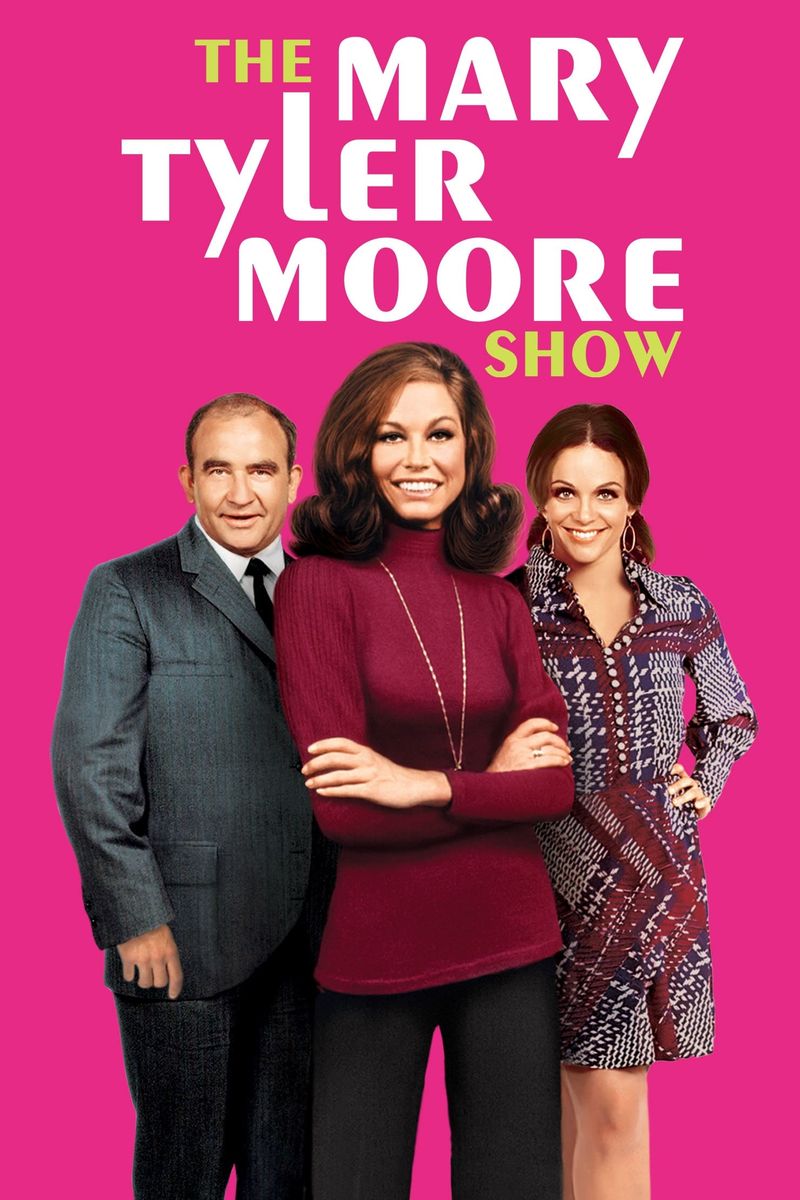
Mary Richards was single, career-focused, and happy—a radical concept for 1970s television.
She didn’t need a husband or kids to feel fulfilled, and the show celebrated her independence without apology.
Mary worked at a TV newsroom, navigating workplace challenges with grace, humor, and determination.
The program redefined how women were portrayed on screen, showing them as competent professionals with rich lives.
Its workplace comedy format influenced shows like The Office and Parks and Recreation.
Mary Tyler Moore became a role model for countless women, proving that television could reflect changing social realities and empower its audience.
7. Cheers (1982–1993)
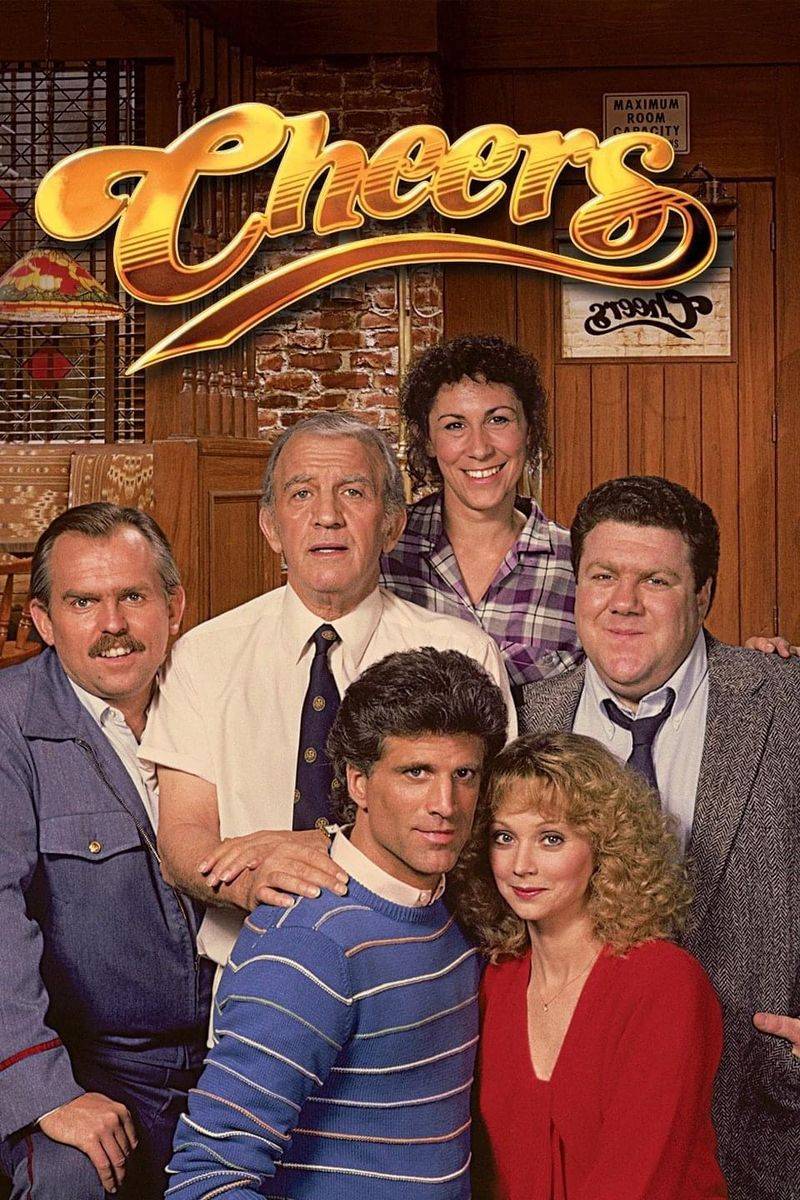
Sometimes you want to go where everybody knows your name—and Cheers became that place for millions.
The Boston bar felt like home, with characters who became like family.
Sam, Diane, Norm, Cliff, and the gang weren’t perfect, but their friendships and conflicts felt genuine.
The show mastered character-driven storytelling, where plots emerged naturally from personalities rather than forced situations.
Its writing was sharp, witty, and earned 28 Emmy Awards.
Cheers demonstrated that viewers would return week after week for characters they loved, even without flashy gimmicks.
It set the standard for ensemble casts and comfort television.
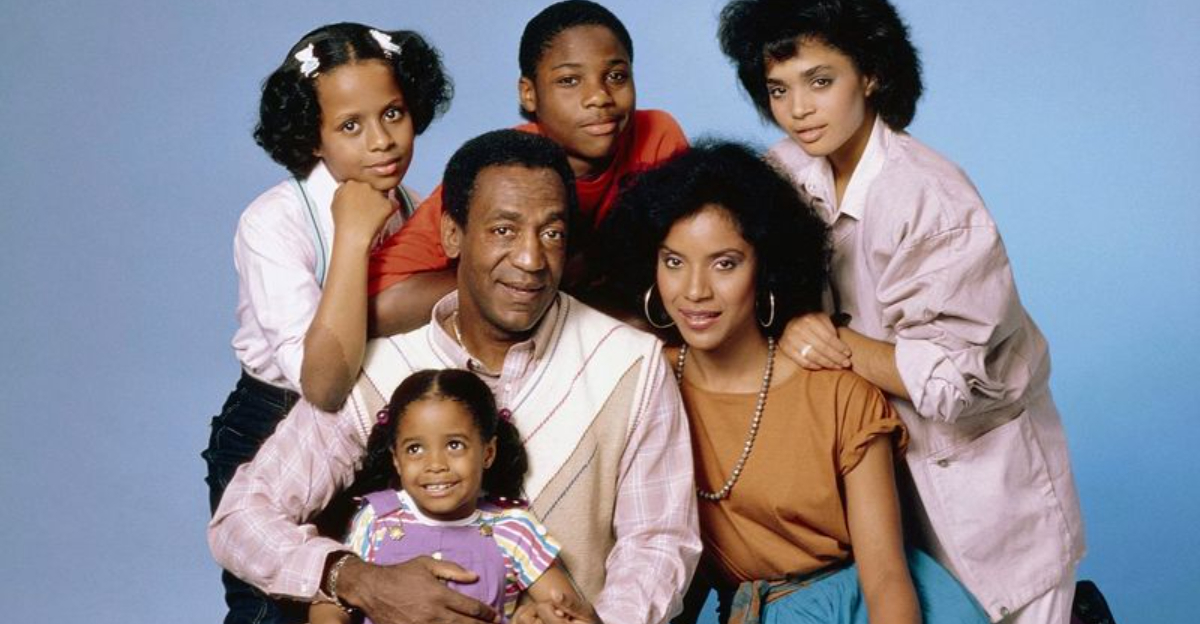
8. The Cosby Show (1984–1992)
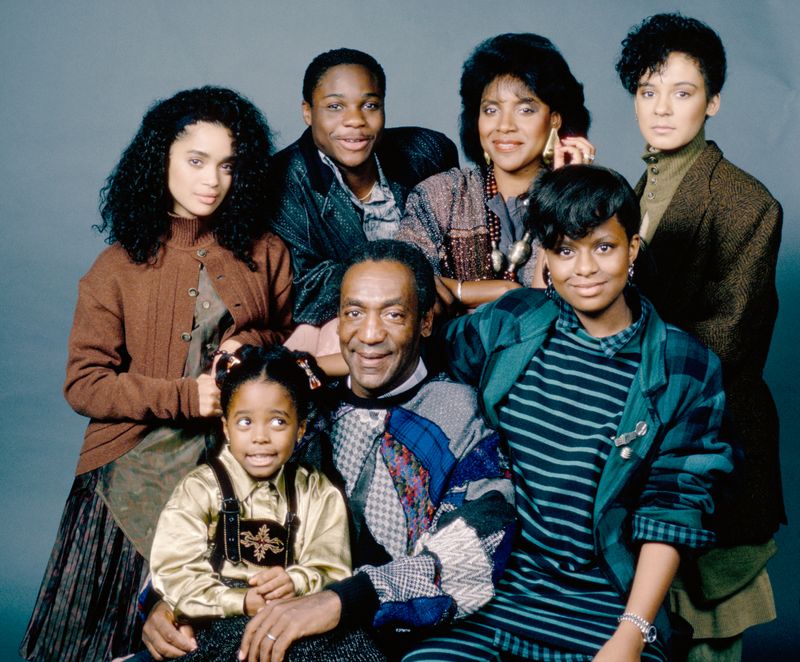
The Huxtables were doctors, lawyers, and loving parents—a portrayal of Black family life rarely seen on television.
Bill Cosby’s sitcom dominated the 1980s, showing an affluent, educated Black family dealing with everyday challenges.
The show was funny, warm, and relatable to families of all backgrounds.
It changed how Black families were represented in media, moving beyond stereotypes to show success, intelligence, and normalcy.
The program revived the sitcom genre and influenced countless shows.
However, Cosby’s later criminal convictions have complicated the show’s legacy, creating ongoing debates about separating art from the artist.
9. Seinfeld (1989–1998)
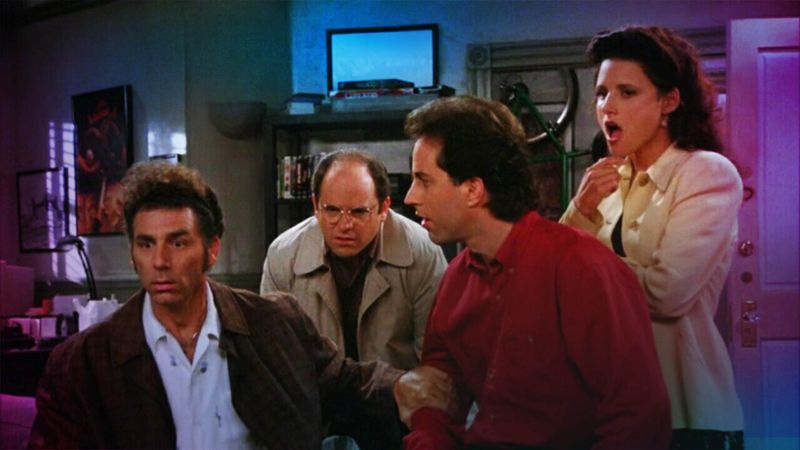
What if a show had no hugging, no learning, and no real plot—could it still be hilarious?
Seinfeld answered with a resounding yes. Jerry, George, Elaine, and Kramer obsessed over trivial things like soup etiquette, parking spaces, and close-talking.
The show turned everyday annoyances into comedy gold, creating a new style of observational humor.
Characters were often selfish, neurotic, and deeply flawed—refreshingly different from typical TV heroes.
Seinfeld influenced modern comedy’s embrace of anti-heroes and awkward situations.
Phrases from the show entered everyday language, and its finale drew over 76 million viewers.
10. Friends (1994–2004)
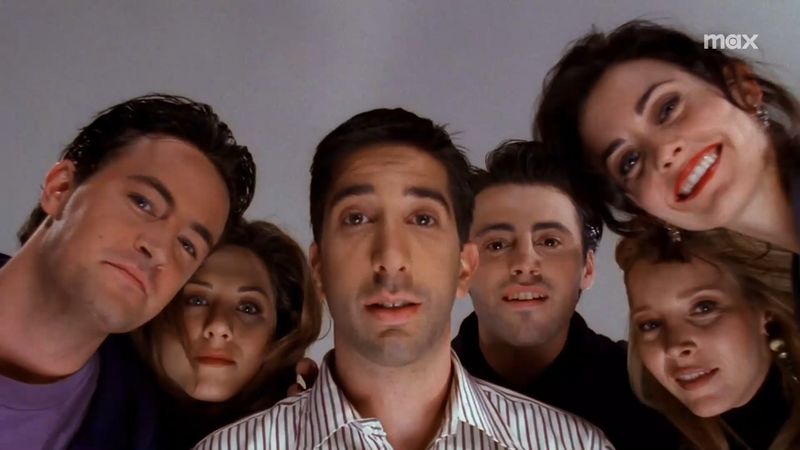
Six friends, one purple apartment, and a coffee shop became the center of the universe for a generation.
Ross, Rachel, Monica, Chandler, Joey, and Phoebe felt like people you actually knew—funny, flawed, and always there for each other.
The show perfectly captured the experience of being young, figuring out careers and relationships, and leaning on friends as chosen family.
Its influence extended beyond TV into fashion, hairstyles, and catchphrases.
Even decades later, new audiences discover Friends through streaming, proving its universal appeal.
The show defined 1990s culture and remains a global phenomenon beloved worldwide.
11. The Simpsons (1989–present)
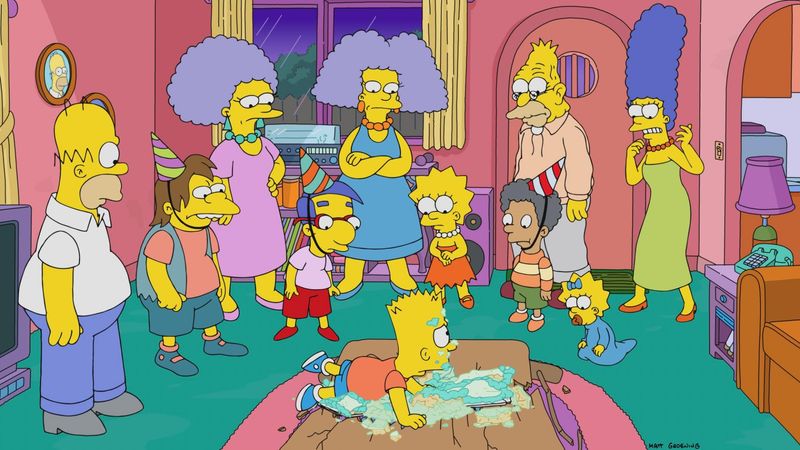
When it premiered, animation was largely seen as a children’s medium.
The Simpsons shattered that assumption by delivering sharp satire, complex characters, and layered humor that appealed to both adults and younger viewers.
Its ability to blend slapstick comedy with intellectual, social, and political commentary set a new standard for what television animation could achieve.
Beyond its format, the show’s cultural impact is unmatched.
The Simpsons has consistently reflected—and often predicted—real-world events, cementing its reputation as a keen observer of society.
Its satirical takes on consumerism, politics, media, and family life have influenced generations of writers and comedians, shaping the tone of modern comedy.