 MomSkoop
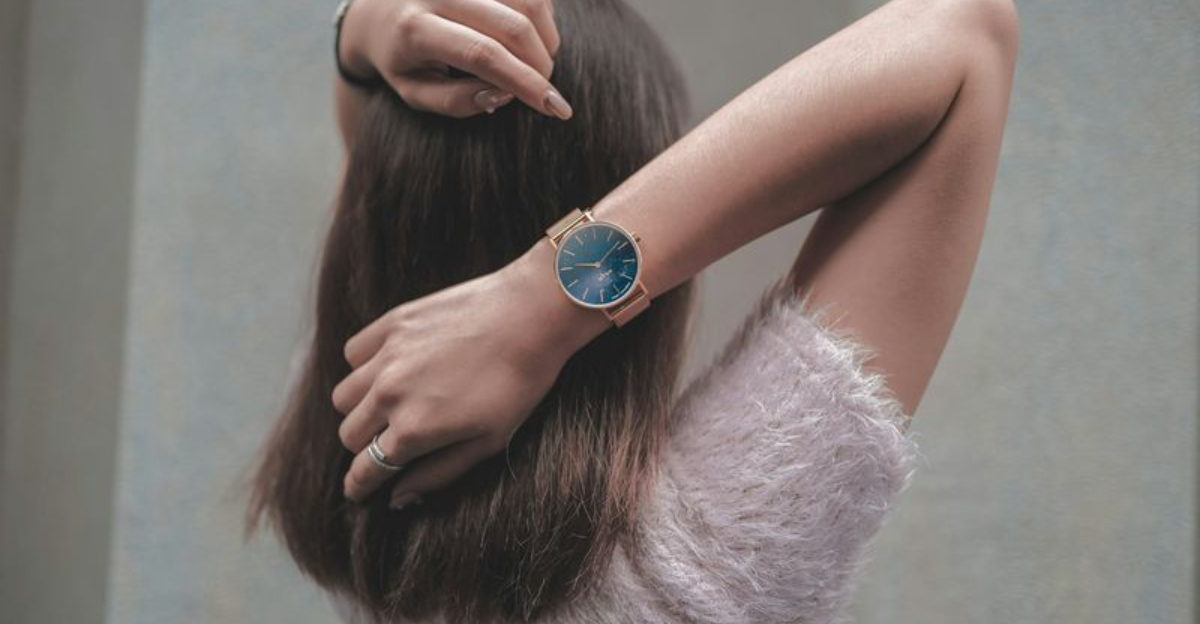
You might think that flashy logos and bold designs are signs of real wealth, but the truly rich often dress very differently.
Many accessories that seem expensive are actually avoided by people with serious money. Understanding what the wealthy skip can help you develop a more refined, timeless style that never goes out of fashion.
1. Oversized Logo Belts
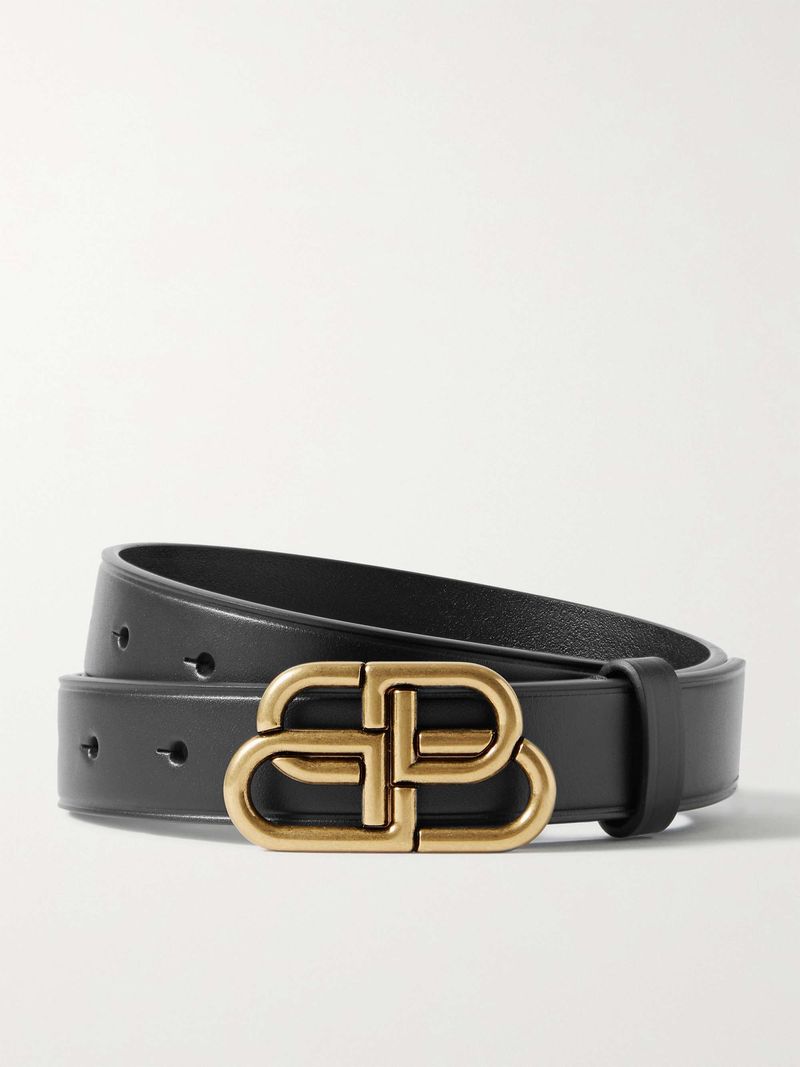
Walk through any upscale shopping district and you’ll spot them everywhere: belts with buckles so big they could double as serving trays.
Large, highly visible designer logos—especially on belts—scream for attention in ways that established wealth simply doesn’t need.
People with real money understand that true luxury whispers rather than shouts.
When your bank account speaks for itself, you don’t need a logo the size of your fist to prove anything.
Subtle branding or no branding at all becomes the mark of genuine confidence.
Aspirational buyers chase recognition, while the wealthy chase quality and craftsmanship that only trained eyes can spot.
2. Flashy Statement Watches
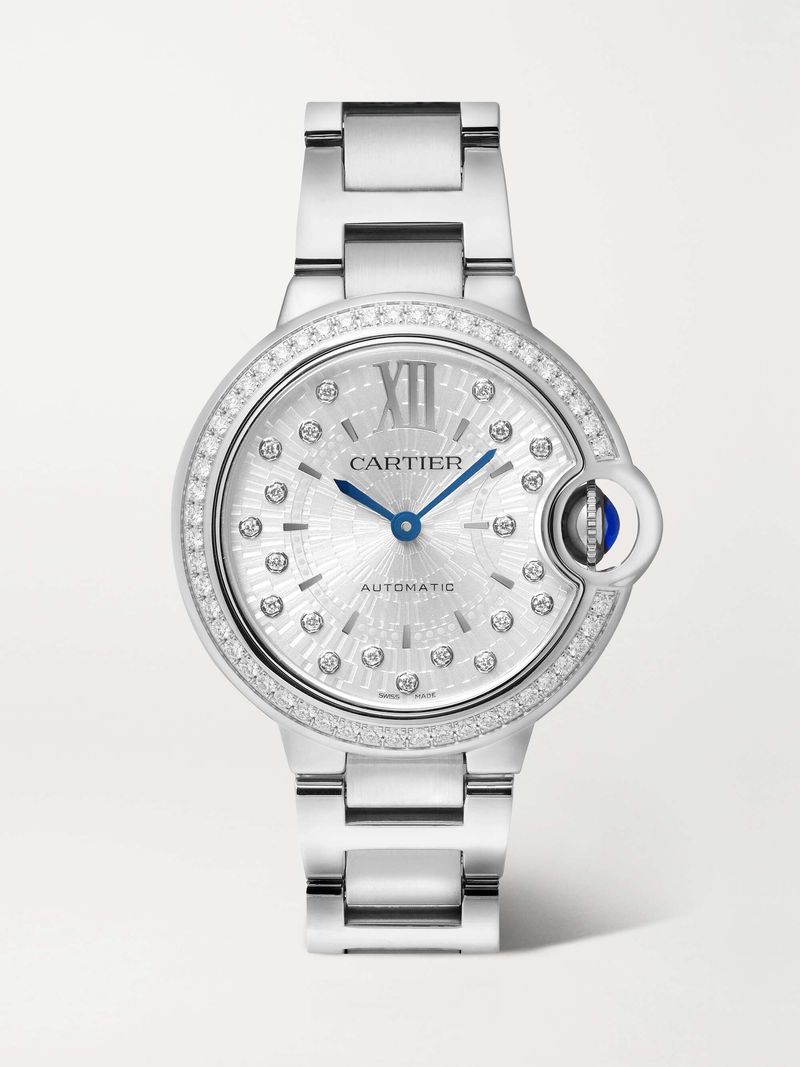
Diamond-encrusted timepieces that catch every ray of light might look impressive in music videos, but they tell a different story in boardrooms.
Oversized gold watches signal conspicuous consumption—buying things specifically to show off wealth rather than appreciate artistry.
Affluent buyers gravitate toward understated heritage timepieces with decades of horological history behind them.
A vintage Patek Philippe or modest Rolex Datejust carries more prestige in wealthy circles than any jewel-covered showpiece ever could.
These classic watches appreciate in value while maintaining perfect discretion.
The truly wealthy know that a watch’s story matters more than its sparkle.
3. Monogram-Heavy Handbags
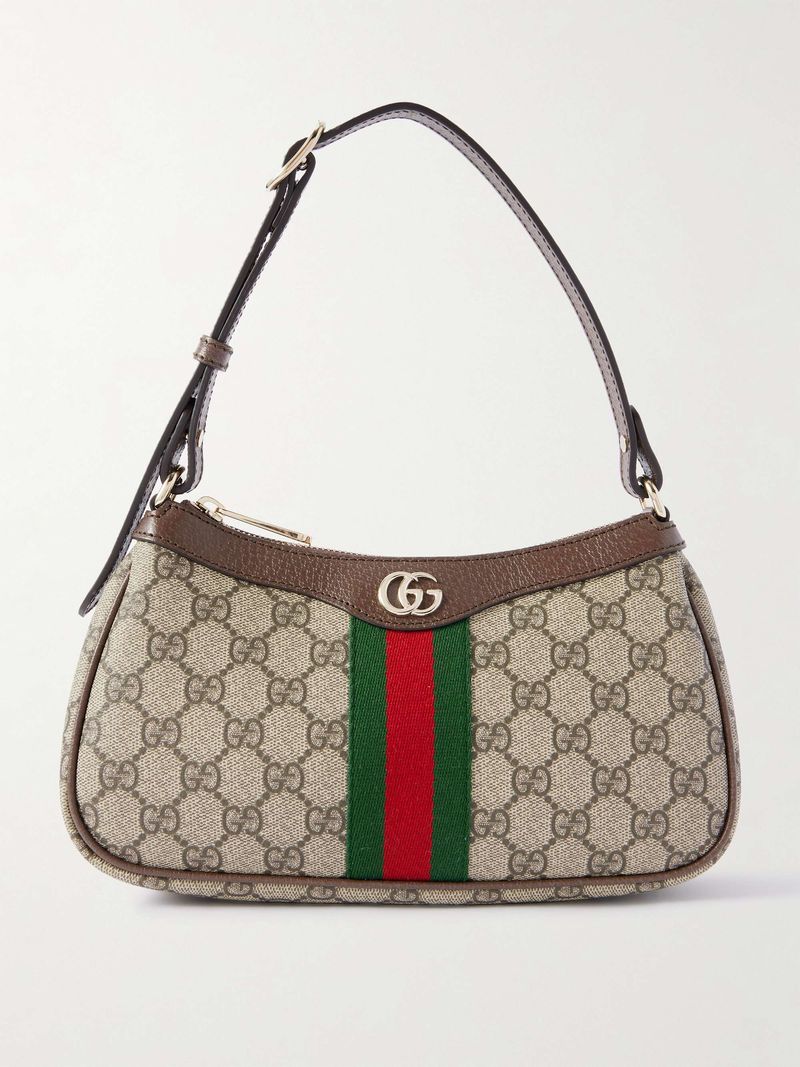
All-over logo prints dominate fast fashion and outlet malls for a reason: they’re widely recognizable and mass-marketed to appeal to as many buyers as possible.
Wealthier consumers understand that carrying a billboard doesn’t equal sophistication.
They opt for unbranded or minimally branded leather goods that showcase exceptional craftsmanship instead of screaming brand names.
A beautifully made bag in premium leather with subtle stitching speaks volumes without saying a word.
Quality materials and construction last decades, while logo-covered bags often look dated within seasons.
When you can afford anything, you choose pieces that reflect taste rather than price tags.
4. Excessively Large Sunglasses with Logos
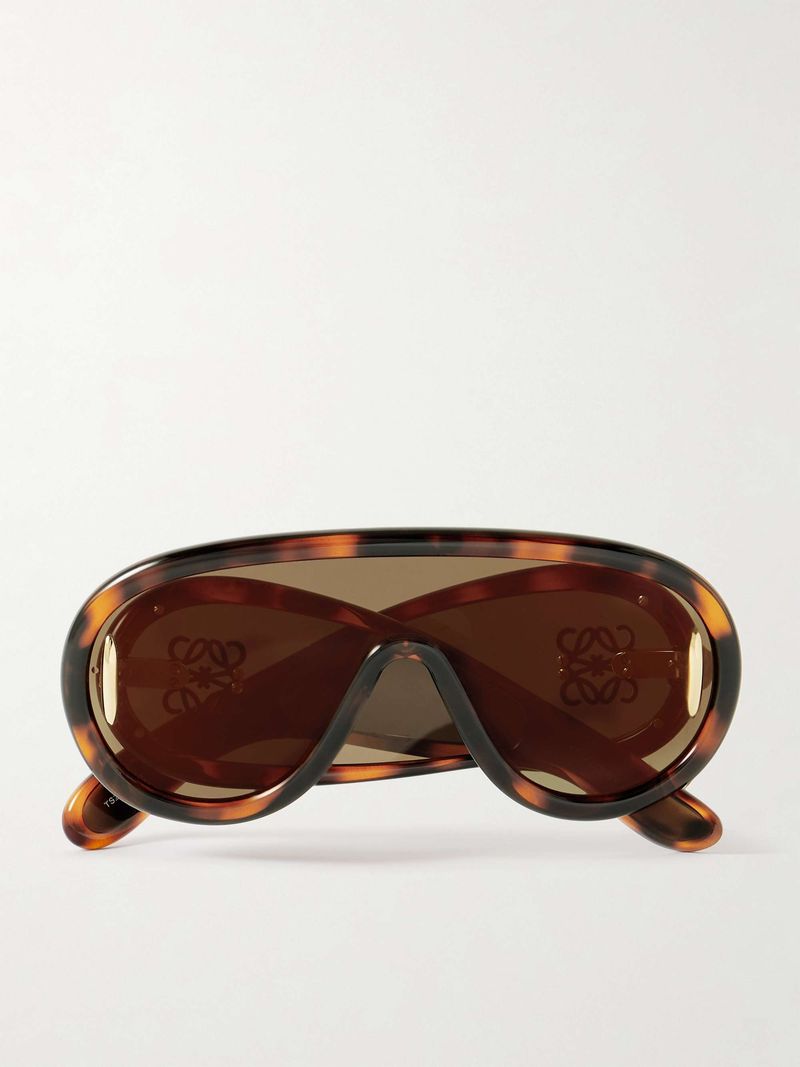
Sunglasses that cover half your face with logos plastered across the temples follow trends rather than timeless style principles.
These oversized frames with visible branding are seen as fashion-forward for a moment, then quickly dated.
Classic silhouettes in high-quality materials—think understated aviators or simple wayfarers—are what discerning buyers prefer.
The wealthy invest in optical excellence and UV protection from heritage brands that don’t need to advertise on your face.
A well-made pair of sunglasses should enhance your features, not overwhelm them.
When your accessories do all the talking, people stop listening to you.
Restraint in design often signals deeper pockets than flash ever could.
5. Chunky Costume Jewelry
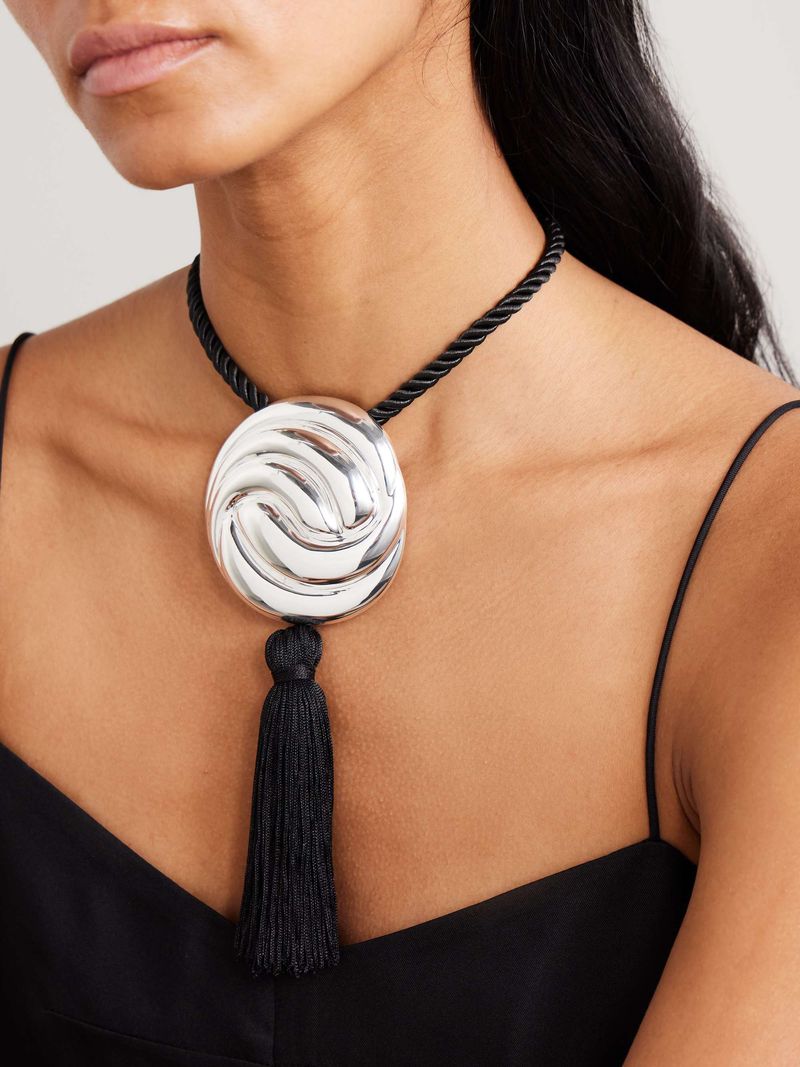
At first glance, bold costume pieces can create quite an impression with their size and shimmer.
But high-net-worth individuals typically wear fine, delicate jewelry—or choose to wear none at all rather than fake it.
Real wealth gravitates toward precious metals and genuine stones in modest settings that don’t announce their value.
A simple gold chain or small diamond studs often cost more than entire collections of chunky fashion jewelry, yet they look infinitely more refined.
Quality over quantity becomes the guiding principle.
Wearing less but better becomes a quiet signature of true affluence, where every piece tells a story of inheritance, milestone, or carefully considered investment.
6. Designer Phone Cases
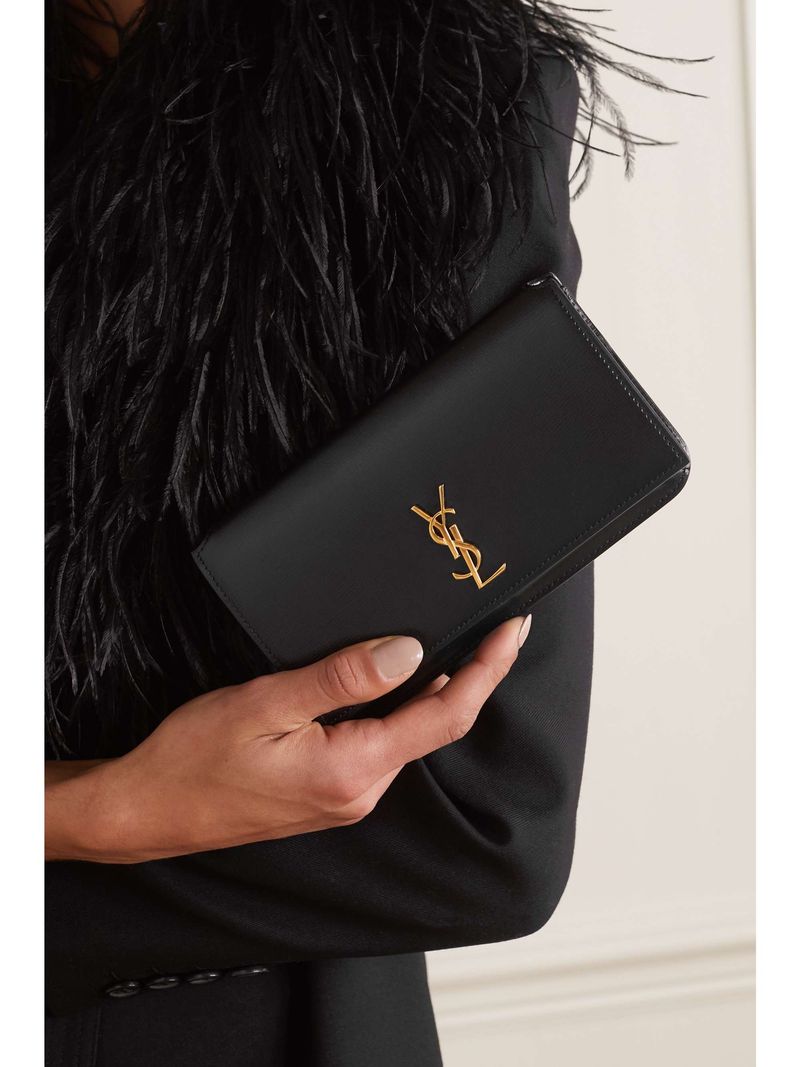
Logo-covered phone cases represent a thoroughly modern status signal that emerged with smartphone culture.
Yet many wealthy individuals use simple, functional cases or go completely bare, treating their phones as tools rather than fashion statements.
When your actual accessories are investment pieces, you don’t need your phone to do the heavy lifting.
A designer case that costs hundreds of dollars serves the same protective function as a basic one, but broadcasts insecurity rather than confidence.
Practical choices often reveal more financial security than branded ones.
The wealthy recognize that constantly replacing trendy phone cases becomes expensive without adding real value to their lives or style.
7. Overly Embellished Scarves
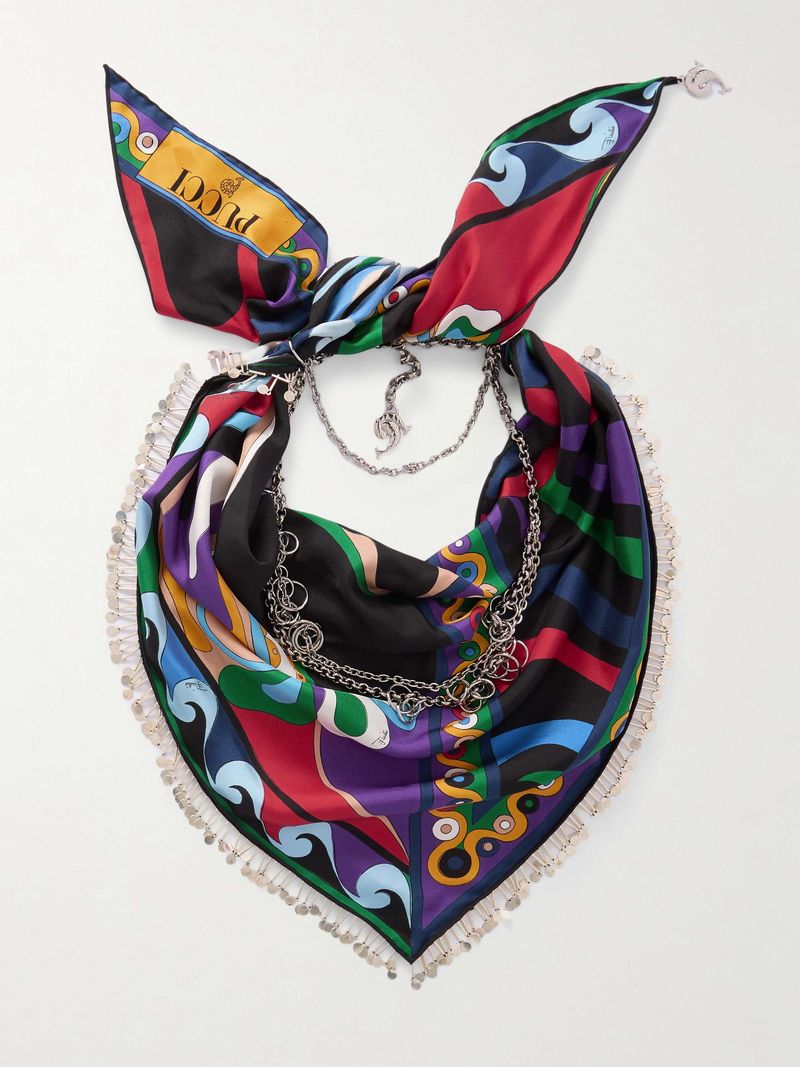
Scarves dripping with metallic threads, loud patterns, and oversized logos tend to read as performative rather than genuinely refined.
The wealthy prefer understated elegance: think cashmere in neutral tones or silk with subtle prints that complement rather than compete with the wearer.
When a scarf demands more attention than your face, the balance tips toward trying too hard.
Classic patterns like small polka dots, delicate florals, or solid colors in luxurious fabrics communicate taste without broadcasting brand names.
Quality fabric feels incredible against skin and drapes beautifully without needing visual tricks.
True luxury feels as good as it looks, and doesn’t require external validation.
8. Trend-Driven Luxury Hair Accessories
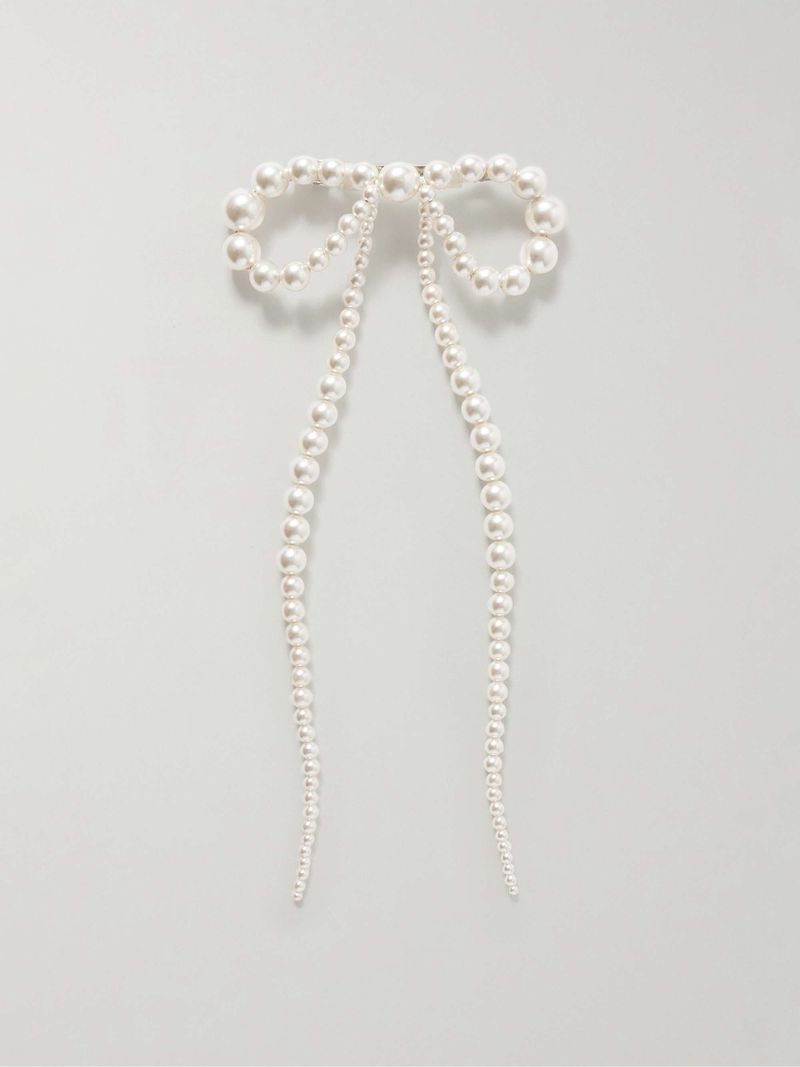
Rhinestone-studded clips and logo headbands flood fashion feeds every season, promising instant glamour and brand recognition.
But these trend-driven pieces are often short-lived fads that look dated within months.
Understated grooming remains more typical among the wealthy, who invest in quality haircuts, treatments, and minimal styling tools rather than flashy accessories.
A simple silk scrunchie or classic barrette in precious metal serves the same function without the performative aspect.
When your hair itself is healthy and well-maintained, you don’t need distracting decorations.
Wealthy individuals understand that good grooming trumps trendy accessories every time, creating a polished look that never goes out of style.