 MomSkoop
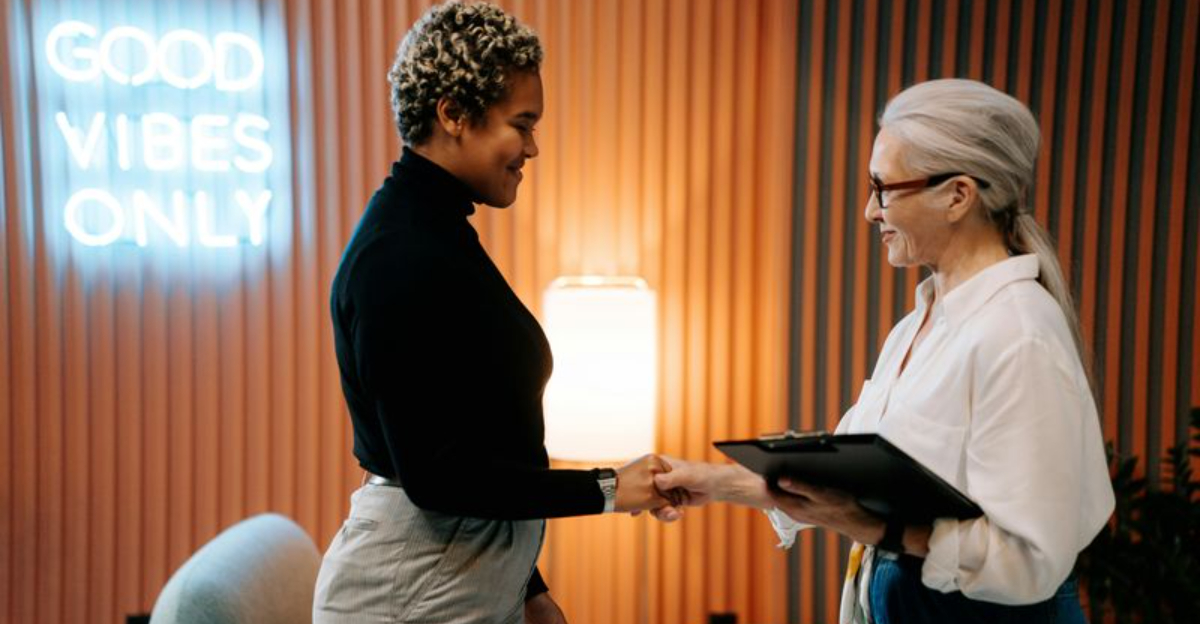
Landing your dream job starts with nailing that first impression, and what you wear plays a huge role in how hiring managers see you. While you want to show your personality, certain clothing choices can accidentally send the wrong message before you even say a word.
Knowing what to avoid can help you look polished, professional, and ready to impress. Here are ten items that might be holding you back from making the best impression possible.
1. Overly revealing clothing
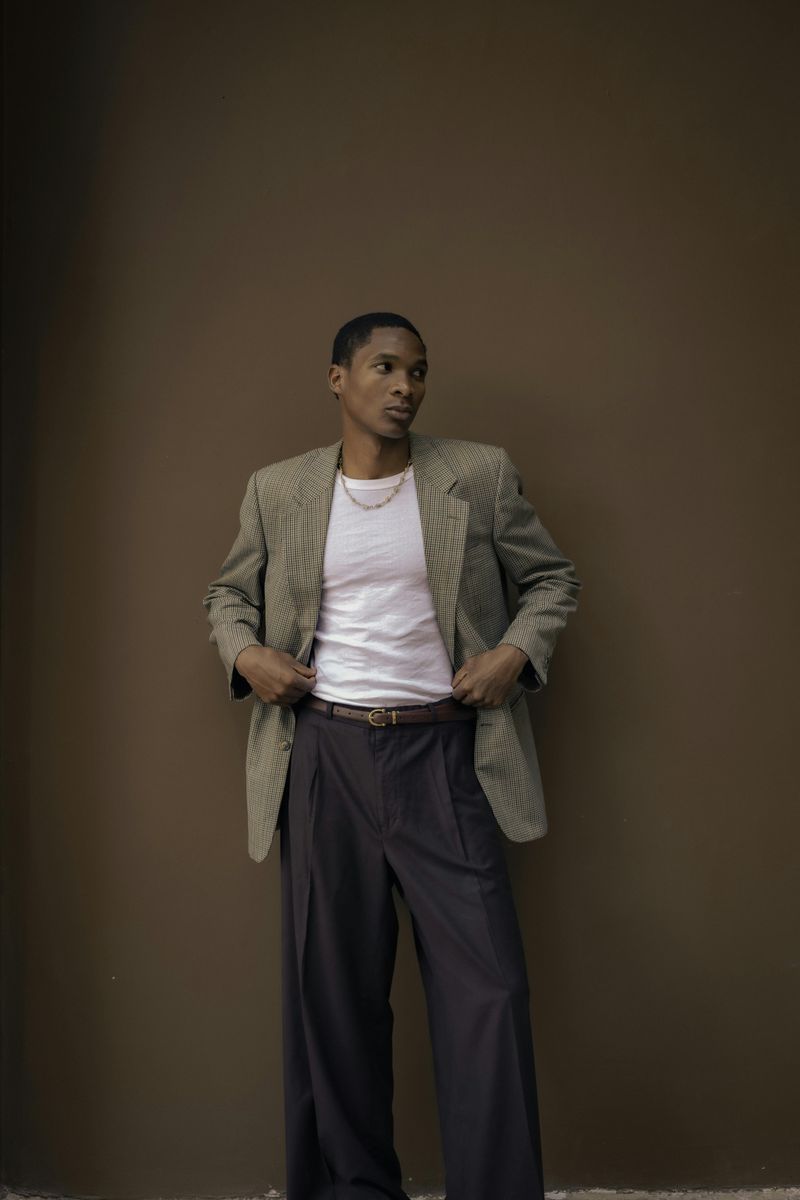
Showing too much skin during an interview can shift the focus away from your skills and experience.
Low-cut tops, sheer fabrics, or very short skirts might work for a night out, but they don’t belong in professional settings.
Hiring managers want to concentrate on what you bring to the table, not what you’re wearing.
When your outfit reveals more than it should, it can make interviewers uncomfortable and question your judgment.
Choose clothes that cover appropriately and let your qualifications shine.
A modest, well-fitted outfit shows respect for the opportunity and demonstrates that you understand workplace expectations.
Save the bold fashion statements for after you land the job.
2. Excessive makeup
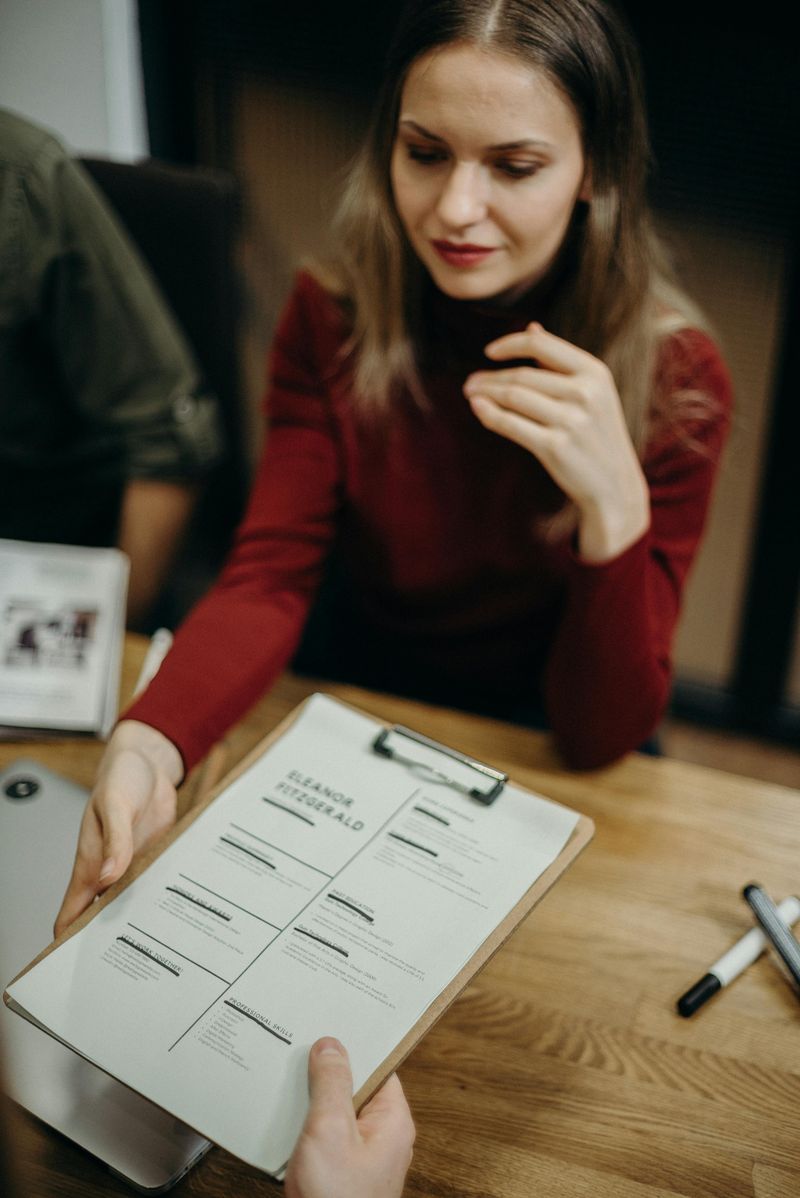
When your makeup becomes the most memorable thing about your interview, something has gone wrong.
Heavy contouring, bold glitter, or dramatic lashes can pull attention away from the conversation and your achievements.
Interviewers might remember your sparkly eyeshadow instead of your impressive project management skills.
The goal is to look fresh, polished, and put-together without creating a distraction.
Natural makeup that enhances your features works best in professional environments.
Think about it this way: your face should frame your words, not overshadow them.
A subtle approach helps keep the focus exactly where it belongs—on your talent and potential contributions to the company.
3. Strong perfume or fragrance
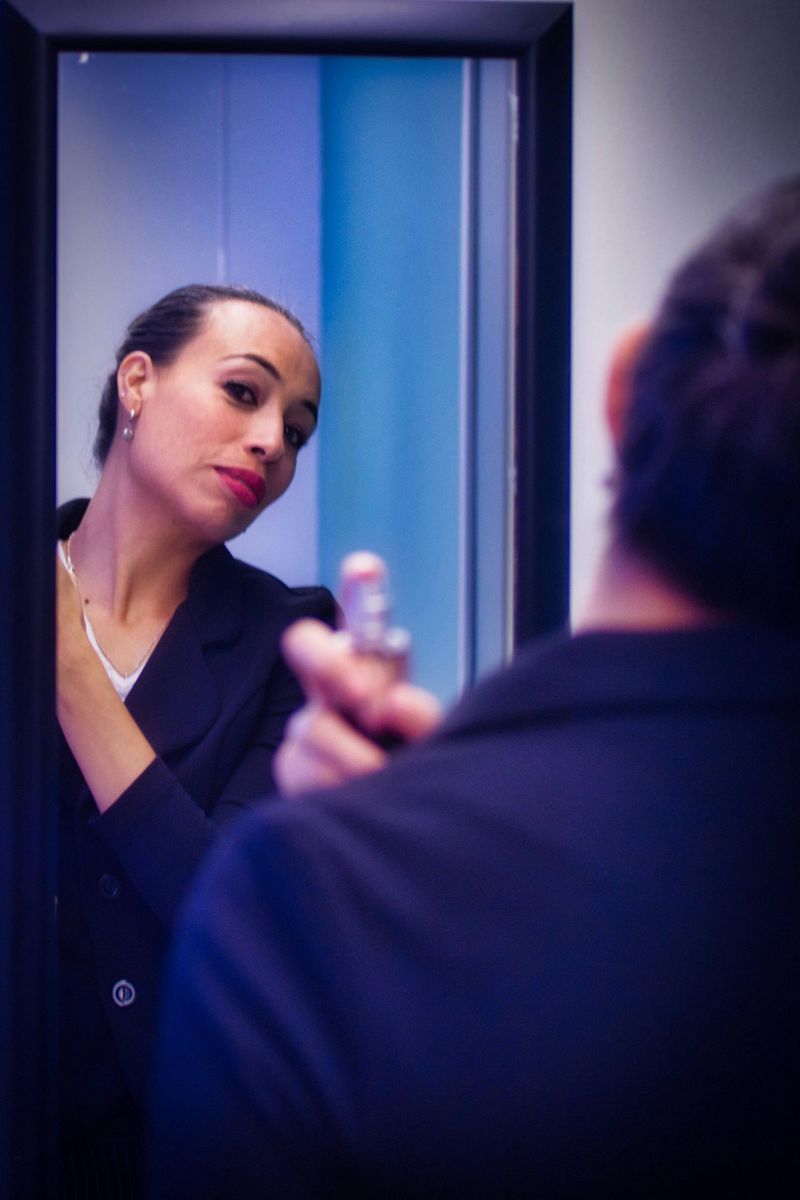
That signature scent you love might be someone else’s nightmare in a small interview room.
Intense fragrances can trigger headaches, allergies, or sensitivities in others, creating an uncomfortable situation for everyone.
Many workplaces have actually adopted fragrance-free policies because scents affect people so differently.
When an interviewer is fighting off a sneeze or feeling lightheaded, they’re definitely not focusing on your qualifications.
A light application of perfume or cologne is fine, but going overboard shows a lack of consideration.
Better yet, skip the fragrance altogether for interviews.
Your clean, fresh appearance will speak volumes without overwhelming anyone’s senses or leaving a negative lasting impression.
4. Very high heels or uncomfortable shoes
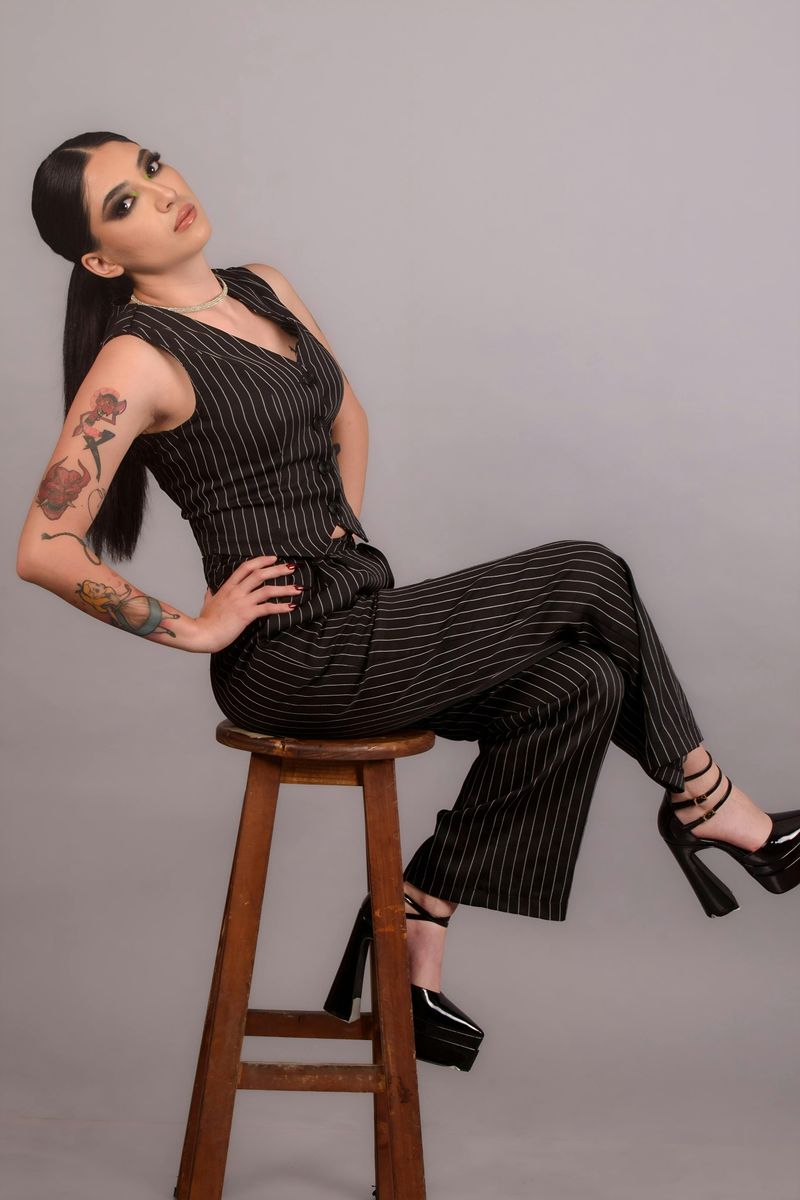
Confidence matters during interviews, and it’s hard to project confidence when you’re wobbling on sky-high stilettos.
Extremely high or flashy heels can look impractical and might even make interviewers wonder about your judgment.
If you’re concentrating on not twisting your ankle, you won’t be fully present during the conversation.
Your posture suffers when shoes hurt, and you might appear uncomfortable or distracted.
Professional doesn’t mean painful.
Choose shoes with a reasonable heel height that you can walk in comfortably and confidently.
Remember, you might get a tour of the office or facility, and stumbling through it won’t help your chances of landing the position.
5. Wrinkled or ill-fitting clothes

Nothing screams last-minute preparation quite like showing up in wrinkled, baggy, or too-tight clothing.
Poor fit or visible wrinkles signal that you didn’t take the time to prepare properly for this important meeting.
Attention to detail matters in virtually every job, and your appearance is the first example you provide.
Clothes that don’t fit right can make you look sloppy or unprofessional, regardless of how expensive they were.
Take fifteen minutes to iron your outfit or have it tailored if needed.
A crisp, well-fitted appearance demonstrates that you value the opportunity and respect the interviewer’s time.
It also shows you’ll likely bring that same care to your work responsibilities.
6. Distracting jewelry

Jewelry should complement your outfit, not compete with your conversation.
Oversized earrings, noisy bangles, or bold statement pieces can divert attention every time you move or gesture.
Imagine trying to explain your greatest accomplishment while your bracelets jangle with every hand movement.
Interviewers might find themselves watching your accessories instead of listening to your answers.
Simple, classic jewelry keeps the focus on your face and your words.
A watch, small earrings, or a single ring work perfectly without creating visual or auditory distractions.
Save the chunky necklaces and armfuls of bangles for social occasions where they won’t interfere with making a professional impression that actually helps your career.
7. Casual clothing like jeans, leggings, or crop tops
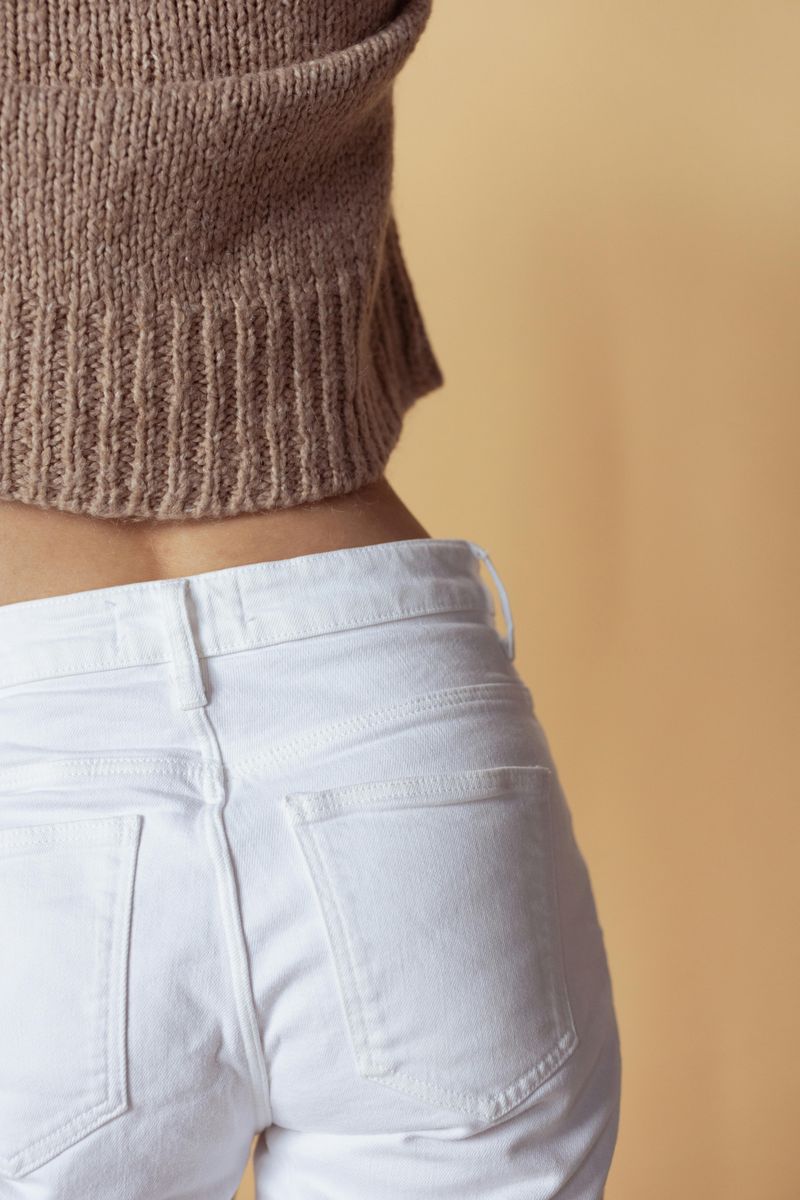
Even companies with casual dress codes expect candidates to dress up for interviews.
Jeans, leggings, or crop tops might be comfortable for everyday life, but they don’t show you’re taking the opportunity seriously.
Dressing too casually suggests you either didn’t research the company culture or you don’t care enough to make an effort.
Interviews are formal occasions, even at laid-back tech startups or creative agencies.
You can always dress down once you’re hired and understand the actual workplace norms.
Showing up in polished business or business-casual attire demonstrates respect and professionalism.
When in doubt, it’s always better to be slightly overdressed than underdressed for an interview situation.
8. Bold or novelty prints

Your personality is important, but a shirt covered in cartoon characters probably isn’t the best way to showcase it.
Loud patterns, slogans, or novelty designs can appear informal and unprofessional in interview settings.
Hiring managers might question whether you understand appropriate workplace behavior if you show up in a Hawaiian print or graphic tee.
Busy patterns can also be visually distracting, especially on video interviews where cameras don’t always handle bold prints well.
Solid colors or subtle patterns like thin stripes work much better for professional settings.
They look clean, polished, and timeless.
Express your unique style through your answers and accomplishments instead of through clothing that might cost you the job before you even start talking.
9. Visible undergarments

Few things undermine a polished appearance faster than visible bra straps, shapewear, or undergarments showing through sheer fabrics.
This wardrobe malfunction sends the message that you either didn’t check yourself carefully or don’t know how to dress professionally.
Interviewers will definitely notice, and it creates an awkward situation that’s entirely avoidable.
Always do a thorough mirror check in good lighting before leaving for your interview.
Make sure your clothing is appropriately lined or wear proper undergarments that won’t show.
A camisole under sheer tops or properly fitted undergarments can solve most issues.
Taking these extra steps shows attention to detail and ensures your appearance supports your professional image rather than detracting from it.
10. Unkempt hair or extreme hairstyles
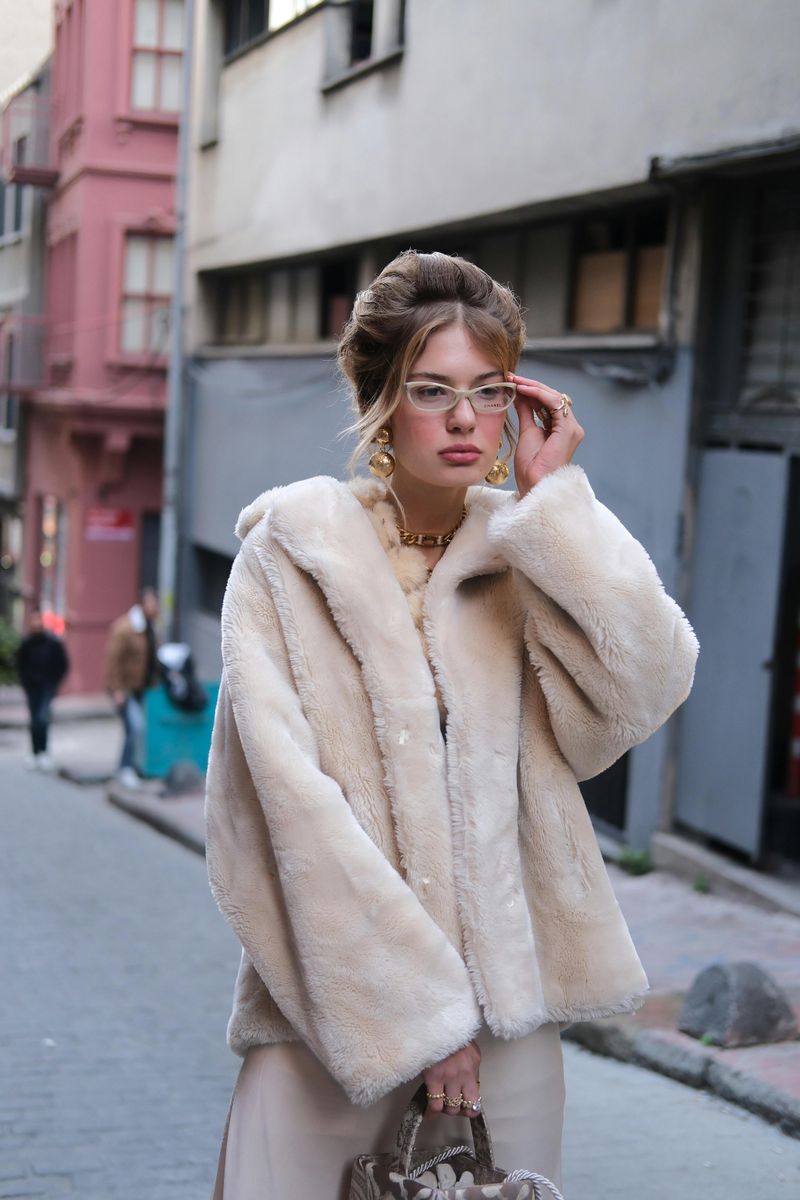
Your hairstyle might seem like a personal choice, but it definitely factors into first impressions during interviews.
Hair that looks messy, unwashed, or hasn’t been styled shows a lack of effort and preparation.
Extremely edgy styles—think neon colors, dramatic shaved patterns, or wild mohawks—might not align with professional expectations at many companies.
While some creative industries embrace unique looks, most traditional workplaces prefer more conservative appearances.
Clean, well-groomed hair that’s styled neatly demonstrates you take pride in your presentation.
You don’t need an expensive salon visit, just make sure your hair looks intentional and cared for.
Research the company culture beforehand to gauge what’s appropriate for that specific workplace environment.