 MomSkoop

Sometimes people don’t say what they really feel, but their actions give them away. When someone harbors resentment toward you, they might not confront you directly, but their body language and behavior in public settings can reveal the truth.
Here are behaviors that might indicate someone secretly resents you.
1. Minimal eye contact
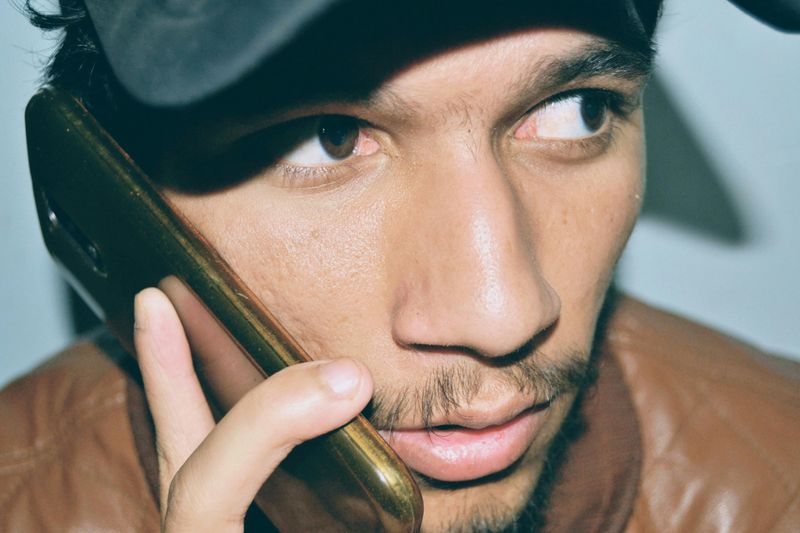
Eye contact builds connection between people.
When someone consistently avoids looking at you during conversations, it often means they’re uncomfortable or don’t want to engage genuinely.
You might notice them glancing over your shoulder, studying their phone, or finding something else to focus on instead of your face.
This behavior creates emotional distance without saying a word.
People who feel resentful often can’t maintain the warmth that eye contact requires.
Their avoidance becomes a protective shield, keeping you at arm’s length while they process negative feelings they haven’t expressed.
Pay attention to patterns—occasional distraction is normal, but consistent avoidance tells a different story about how someone truly feels toward you.
2. Polite but clipped responses

Conversations should flow naturally with give and take.
Someone harboring resentment will answer your questions with the bare minimum—short, formal replies that feel like checking boxes rather than genuine interaction.
They won’t ask follow-up questions or show interest in continuing the dialogue.
Their tone stays polite but cold, like talking to a customer service robot.
This transactional approach signals they’re fulfilling social obligations without emotional investment.
Where warmth once existed, you now get efficiency and distance.
The contrast becomes especially noticeable when you observe them chatting freely with others.
Their selective brevity with you reveals underlying feelings they’re choosing not to address directly.
3. Forced or delayed smiles

Genuine smiles happen instantly and reach the eyes.
When resentment exists, smiles become performances rather than authentic expressions.
You’ll notice a slight delay—they remember they should smile, then do it.
The smile itself looks tight, doesn’t involve their whole face, and disappears quickly once they think you’re not watching.
These forced expressions feel hollow because they are.
The person is maintaining social norms while their true feelings remain hidden underneath.
Their face might say friendliness, but the timing and quality of the smile betray discomfort or irritation.
Real warmth can’t be faked consistently, and these mechanical smiles eventually reveal the gap between courtesy and genuine connection.
4. Body orientation away from you

Our bodies naturally turn toward people we like and away from those we don’t.
Even while talking to you, someone with hidden resentment will position their torso, feet, or shoulders in another direction.
This subtle angle creates physical distance that mirrors their emotional withdrawal.
They might face the door, another person, or simply away from you.
This non-verbal signal happens subconsciously—their body expresses what their words won’t admit.
The positioning suggests they’d rather be somewhere else or with someone else.
Watch for this pattern across multiple interactions.
Consistent body angling indicates discomfort in your presence and reveals feelings they’re keeping private while maintaining surface-level politeness in public spaces.
5. Selective acknowledgment

Watch how someone greets different people in the same group.
When resentment colors their feelings toward you, they’ll light up for others—enthusiastic hellos, warm smiles, engaged questions—then shift to subdued acknowledgment when addressing you.
The energy drops noticeably, even if they remain technically polite.
This contrast speaks volumes about their true feelings.
They’re not trying to be rude to everyone; they’re specifically withholding warmth from you.
The selective nature of this behavior makes it particularly telling.
If everyone else gets genuine enthusiasm while you receive lukewarm recognition, resentment likely fuels this unequal treatment.
Their differential responses map directly onto underlying negative emotions they haven’t voiced.
6. Subtle conversational exclusion

Being part of a conversation means being heard and included.
Someone who resents you will subtly edge you out—changing topics the moment you contribute, talking over your comments, or failing to bring you into group discussions.
They might respond to everyone else’s points while ignoring yours entirely.
These exclusions feel deliberate because they often are.
The person creates an invisible barrier around you within the group dynamic.
Others might not even notice, but you feel the chill of being systematically sidelined.
This passive-aggressive tactic allows them to express resentment without direct confrontation.
Your voice gets diminished, your presence minimized, all while maintaining plausible deniability about their intentions.
7. Overly formal politeness

Excessive politeness can actually signal emotional distance.
When someone responds with overly formal phrases like “Of course,” “Absolutely,” or “No problem at all” in situations that don’t require such stiffness, they’re creating a professional buffer.
This exaggerated courtesy replaces the casual warmth that should exist between people who genuinely like each other.
The formality becomes a wall rather than a bridge.
They’re being “correct” in their behavior while simultaneously keeping you at maximum distance.
The politeness feels cold because it lacks authentic connection.
Real friends don’t need such rigid language.
This careful, measured approach suggests they’re managing their resentment by treating you like a stranger rather than someone they care about.
8. Micro-expressions of annoyance

Faces leak emotions even when we try to hide them.
Micro-expressions—those fleeting flashes of true feeling—reveal what someone really thinks.
Watch for quick eye rolls, subtle sighs, jaw tightening, or lips pressing together when you speak or enter a space.
These reactions last only a fraction of a second but carry significant meaning.
The person might immediately compose their face into neutrality, but that initial flash of annoyance already showed their hand.
They’re working to suppress irritation, but their automatic responses keep slipping through.
These micro-expressions accumulate over time, creating a pattern that confirms underlying resentment.
Your presence triggers reactions they can’t fully control, no matter how polite they try to appear.
9. Inconsistent engagement

Consistency builds trust; inconsistency creates confusion.
Someone with hidden resentment might be warm and friendly one moment, then cold and distant the next.
You’ll notice they’re particularly engaging when others are watching, performing friendliness for an audience.
Once attention shifts elsewhere, their warmth evaporates instantly.
This hot-and-cold pattern keeps you off-balance and uncertain about where you stand.
They manage their public image carefully while allowing their true feelings to show in less visible moments.
The inconsistency itself becomes exhausting.
You never know which version of them you’ll encounter, and that unpredictability often stems from unresolved negative feelings they’re managing rather than addressing.
10. Lack of reciprocity

Healthy relationships involve mutual giving and receiving.
When someone resents you, they’ll accept your help, laugh at your jokes, and receive your kindness without ever returning it meaningfully.
They take what you offer but never acknowledge it or reciprocate in kind.
This one-sided dynamic reveals their true feelings.
They’re willing to benefit from your generosity while withholding their own.
The relationship becomes transactional from their side—they extract value without emotional investment.
Pay attention to this imbalance over time.
If you’re consistently giving while they’re consistently taking without gratitude or reciprocation, resentment likely prevents them from engaging with you as an equal worth their effort and care.