 MomSkoop

Grocery shopping can take a big bite out of your family budget if you’re not careful. The good news is that saving money at the store doesn’t mean eating boring food or skipping meals.
With a few smart strategies and some planning ahead, you can fill your cart without emptying your wallet.
1. Make a Shopping List and Stick to It
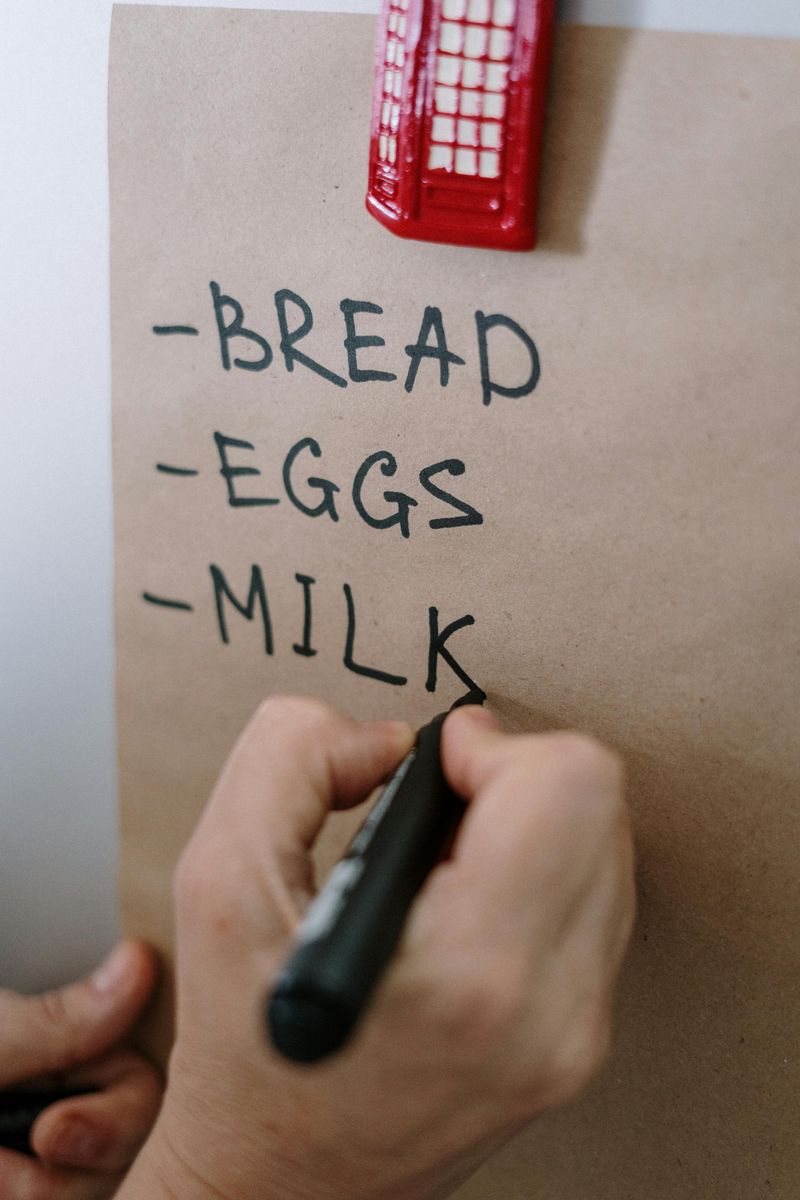
Walking into a grocery store without a plan is like going on a road trip without a map.
You’ll probably end up somewhere, but it might not be where you wanted to go, and you’ll spend more gas money getting there.
Writing down exactly what you need before you leave home helps you stay focused.
When you have a list, you’re less likely to toss random items into your cart just because they look good.
Those impulse buys add up fast and can double your bill.
Keep your list organized by store sections to save time and avoid backtracking through tempting aisles.
2. Limit Snacks and Treats

Chips, cookies, and candy seem harmless when they’re just a dollar or two each.
But grab five different treats every week, and you’re spending an extra forty dollars each month on food that disappears quickly.
Pre-packaged snacks cost way more per serving than making your own.
Try buying ingredients to create homemade popcorn, trail mix, or fruit cups instead.
Your family will enjoy fresher flavors, and your body will thank you for choosing healthier options.
Save the special treats for occasional rewards rather than weekly habits, and watch your savings grow.
3. Use Coupons Wisely

Coupons can be your best friend or your worst enemy, depending on how you use them.
Just because something is on sale doesn’t mean you need it.
Smart shoppers only clip coupons for items already on their shopping list.
Many stores offer digital coupons through their apps, which automatically apply at checkout without any clipping required.
Stack manufacturer coupons with store sales for maximum savings.
But remember, buying three boxes of cereal you don’t normally eat just because you have a coupon isn’t saving money—it’s wasting it on something that might go stale before you finish it.
4. Shop During Sales Cycles
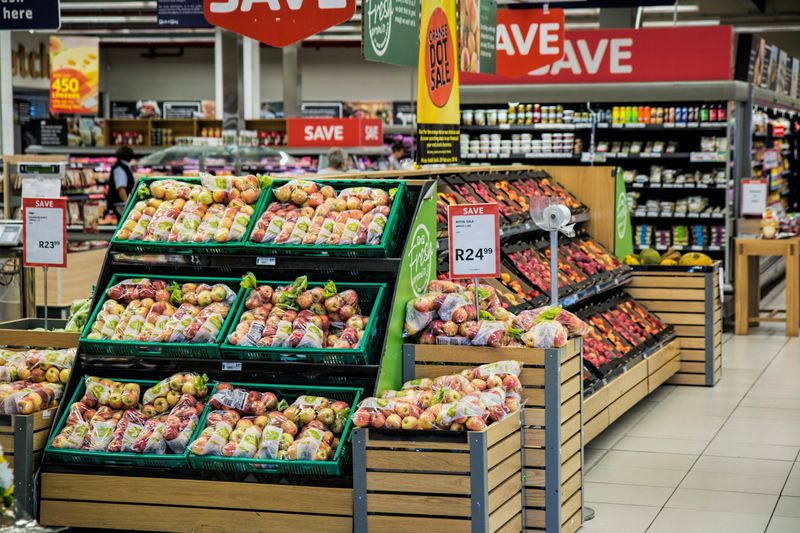
Ever notice how certain foods go on sale at the same time every few weeks?
Stores follow predictable patterns, rotating which items get discounted.
Meat often goes on sale early in the week, while baking supplies drop in price before major holidays.
Once you learn your store’s cycle, you can stock up when prices are lowest.
Buy extra chicken when it’s half off and freeze it for later meals.
Timing your shopping trips around these sales can cut your costs by twenty to thirty percent without changing what you eat.
Keep a simple calendar noting when your favorite items typically go on sale.
5. Plan Your Meals

Families who plan their weekly meals before shopping spend significantly less than those who wing it.
When you know exactly what you’re cooking Monday through Friday, you buy only the ingredients you need.
This prevents food waste from forgotten vegetables rotting in the crisper drawer.
Planning also helps you use ingredients across multiple meals.
That bunch of cilantro can flavor tacos on Tuesday and curry on Thursday.
Spend twenty minutes each weekend mapping out your dinners, checking what’s already in your pantry, and building your shopping list from there.
Your future self will appreciate the time and money saved.
6. Compare Unit Prices
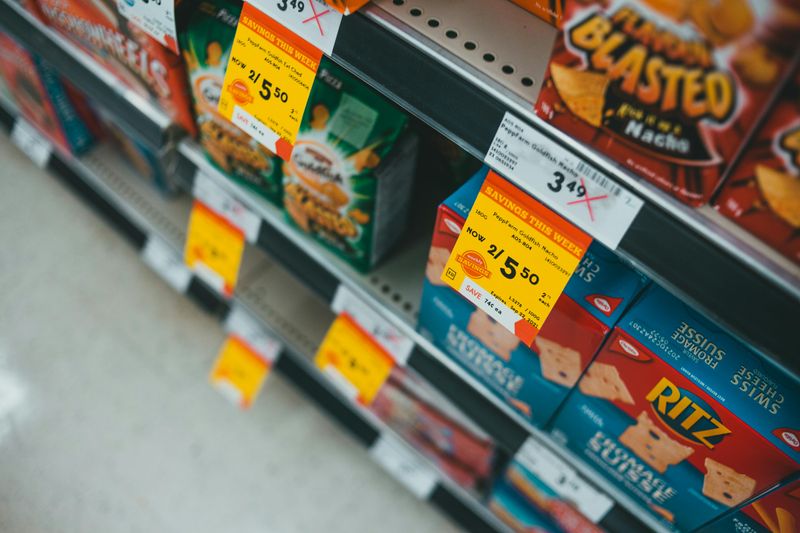
Big packages don’t always mean better deals, even though they look like they should.
Those tiny labels on store shelves show the price per ounce or per unit, and they tell the real story.
Sometimes the medium-sized box actually costs less per serving than the jumbo version.
Stores know most shoppers don’t check these numbers, so they price items in surprising ways.
Spending ten extra seconds comparing unit prices can save you several dollars on every shopping trip.
This works especially well for cereals, snacks, cleaning products, and canned goods where size options vary widely.
7. Buy in Bulk, But Be Smart About It
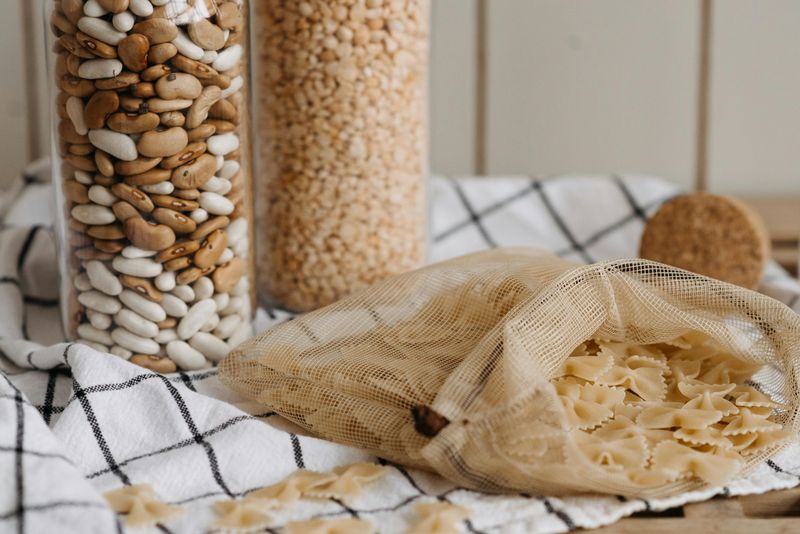
Warehouse clubs offer amazing deals on certain items, but they can also trick you into overspending.
Buying a five-pound bag of rice makes sense because it stores well and you’ll definitely use it.
Purchasing a gallon of mayonnaise when you only use it occasionally means most of it will expire and get thrown away.
Focus bulk buying on non-perishable staples your family uses regularly.
Split large packages with friends or neighbors to get bulk prices without bulk quantities.
Calculate whether the membership fee pays for itself based on your actual savings before joining a warehouse club.
8. Bring Your Own Bags

Many stores now charge five or ten cents for each plastic bag at checkout.
That might not sound like much, but a typical shopping trip uses eight to twelve bags.
Over a year, those bag fees add up to thirty or forty dollars.
Reusable bags are sturdier, hold more groceries, and pay for themselves after just a few uses.
Keep several in your car so you never forget them at home.
Some stores even offer small discounts when you bring your own bags, turning this eco-friendly choice into double savings.
Plus, your groceries won’t rip through cheap plastic halfway to your car.
9. Avoid Pre-Cut or Pre-Packaged Produce

Convenience costs money, and nowhere is this more obvious than in the produce section.
Pre-washed lettuce, chopped onions, and sliced fruit can cost two to three times more than whole versions.
You’re paying someone else to spend five minutes doing something you could easily do yourself.
Whole vegetables stay fresh longer too, since cutting exposes them to air and bacteria.
Buy a sharp knife and a good cutting board, and you’ll save hundreds of dollars yearly.
The extra few minutes of prep time is worth it when you see how much you’re keeping in your pocket instead of giving to the store.
10. Shop at Discount Stores

Stores like Aldi, Lidl, and Save-A-Lot offer the same quality food as fancy supermarkets for significantly less money.
They keep costs down by offering fewer brand choices and simpler store layouts.
You might not find fifteen types of ketchup, but you’ll find perfectly good ketchup for half the price.
These stores often carry their own brands that taste just as good as national names.
Don’t let store appearance fool you—plain shelves and basic decor mean lower overhead costs that translate to lower prices for you.
Try shopping at a discount store for your staples and save the regular supermarket for specialty items.
11. Pay Attention to Expiry Dates

Grabbing the first item you see on the shelf might mean buying something that expires in two days.
Stores put older stock in front, hoping you’ll take it without checking.
Reach toward the back of the shelf for products with later expiration dates that give you more time to use them.
This matters especially for dairy, meat, and bread.
Buying milk that expires tomorrow when you won’t finish it means pouring money down the drain.
Understanding the difference between sell-by, use-by, and best-by dates helps you make smarter choices and reduce waste from expired food.
12. Track Your Spending

You can’t improve what you don’t measure, and grocery spending is no exception.
Keep your receipts for a month and review where your money actually goes.
Most people are shocked to discover how much they spend on items they don’t really need.
Simple tracking reveals patterns, like always overspending on Fridays when you’re tired and hungry.
Use a budgeting app or just a notebook to record your weekly grocery totals.
Set a realistic budget based on your tracking, then challenge yourself to stay under it.
Watching your progress motivates you to keep finding creative ways to save even more money.