 MomSkoop

Some trends burst onto the scene with flashy promises, only to disappear just as quickly. But others stick around because they actually make life better.
People are getting smarter about what they invest their time and money in, choosing things that will last instead of fads that fade. Here are eleven trends that are here to stay because they offer real, lasting value.
1. Minimalist Living
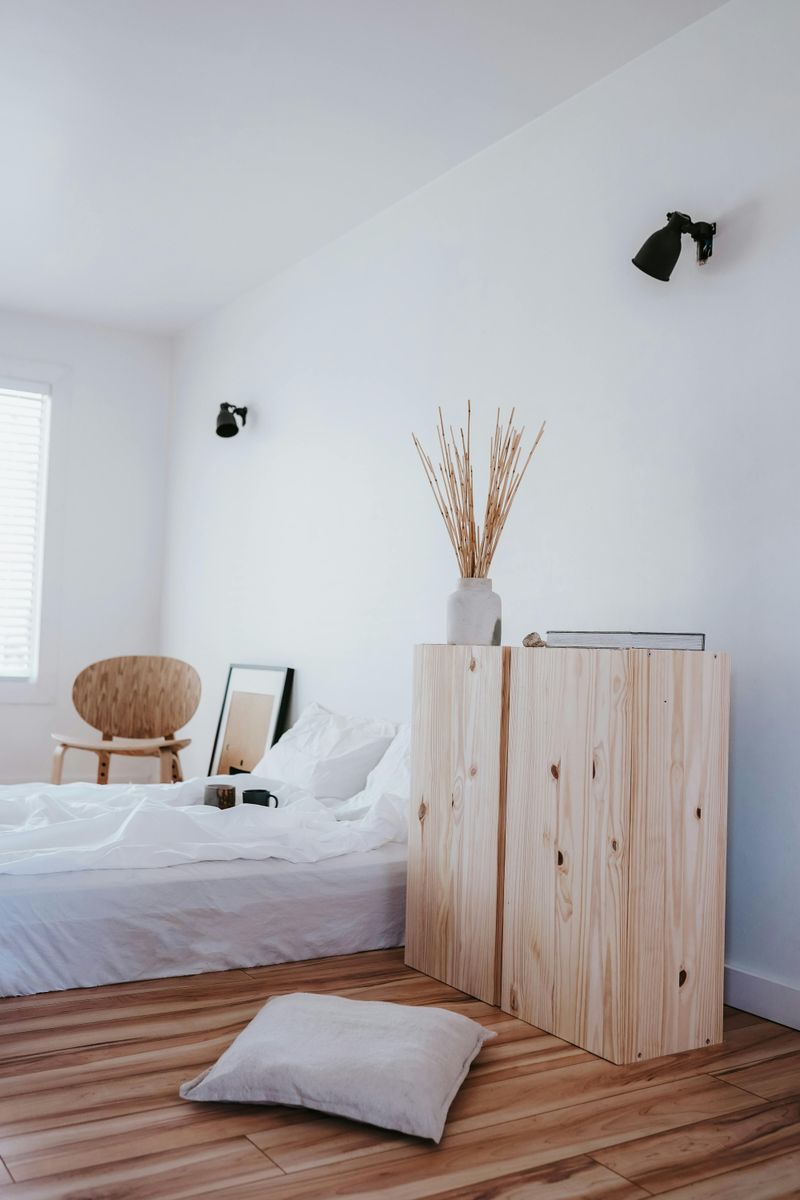
Owning less stuff sounds strange at first, but it actually creates more freedom.
When you clear out the clutter, you discover what truly matters to you.
Minimalism is not about living with nothing—it is about keeping only things that serve a purpose or bring joy.
Families are choosing smaller homes and fewer possessions because it saves money and reduces stress.
You spend less time cleaning and organizing, and more time doing what you love.
This approach helps the environment too, since buying less means creating less waste.
People who embrace minimalism often report feeling calmer and more focused.
It is a lifestyle that prioritizes experiences over possessions, relationships over things.
2. Plant-Based Eating
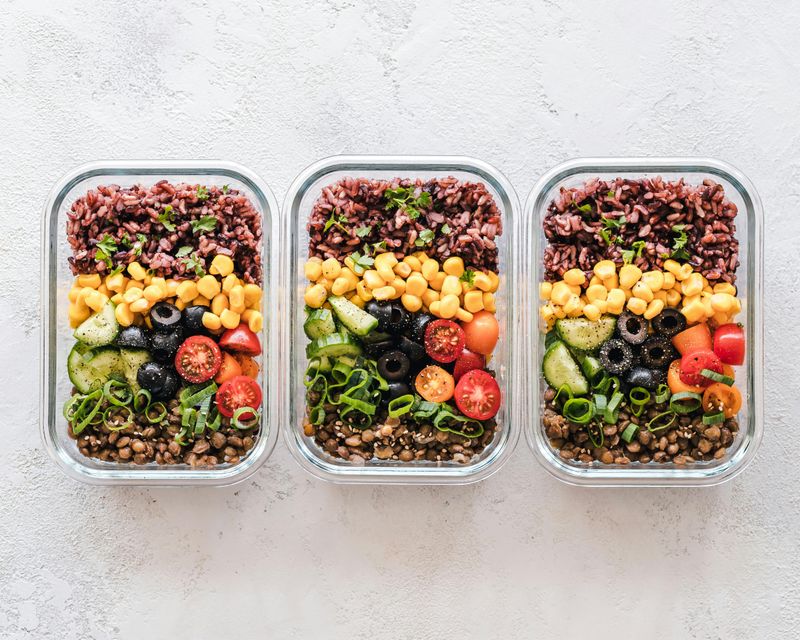
More people are filling their plates with vegetables, fruits, beans, and whole grains instead of meat.
This shift is not just a diet trend—it is becoming a way of life for health and environmental reasons.
Research shows that eating more plants can lower the risk of heart disease, diabetes, and other health problems.
Plant-based foods are often less expensive than meat, which helps families save money at the grocery store.
The environmental benefits are huge too, since raising animals for food uses lots of water and land.
You do not have to give up meat completely to benefit from this trend.
Even small changes, like having meatless Mondays, can make a difference.
Restaurants and food companies are responding by creating delicious plant-based options.
3. Remote Work Flexibility

Working from home used to be rare, but now it is becoming the normal choice for millions of people.
Companies discovered that employees can be just as productive without commuting to an office every day.
This flexibility lets people balance their work and personal lives better than ever before.
Parents can attend school events, and everyone saves hours previously spent in traffic.
Remote work also opens up job opportunities for people who live far from big cities.
Businesses save money on office space while workers save on gas and work clothes.
The technology that makes this possible—video calls, cloud storage, and collaboration tools—keeps getting better.
This trend is reshaping where people choose to live and how they structure their days.
4. Sustainable Fashion

Fast fashion creates mountains of waste, and people are finally saying enough is enough.
Sustainable fashion focuses on clothes made to last, using materials that do not harm the planet.
Shoppers are choosing quality over quantity, buying fewer items that they will wear for years.
Brands that use organic cotton, recycled materials, and fair labor practices are gaining loyal customers.
Thrift shopping and clothing swaps have become popular ways to refresh your wardrobe without buying new.
This approach saves money in the long run because well-made clothes do not fall apart after a few washes.
The fashion industry is one of the biggest polluters, so these changes really matter.
Wearing sustainable fashion is becoming a statement about values, not just style.
5. Mental Health Awareness

Taking care of your mind is just as important as taking care of your body, and people are finally treating it that way.
Schools are teaching kids about emotions and stress management from an early age.
Workplaces are offering mental health days and counseling services to support their employees.
Talking about anxiety, depression, and other challenges is no longer considered shameful or weak.
Apps for meditation, therapy, and mood tracking make mental health support more accessible than ever.
Friends and families are learning how to have honest conversations about feelings and struggles.
This awareness helps people get help before small problems become big crises.
Prioritizing mental wellness creates healthier communities where everyone can thrive and support each other better.
6. Renewable Energy Adoption
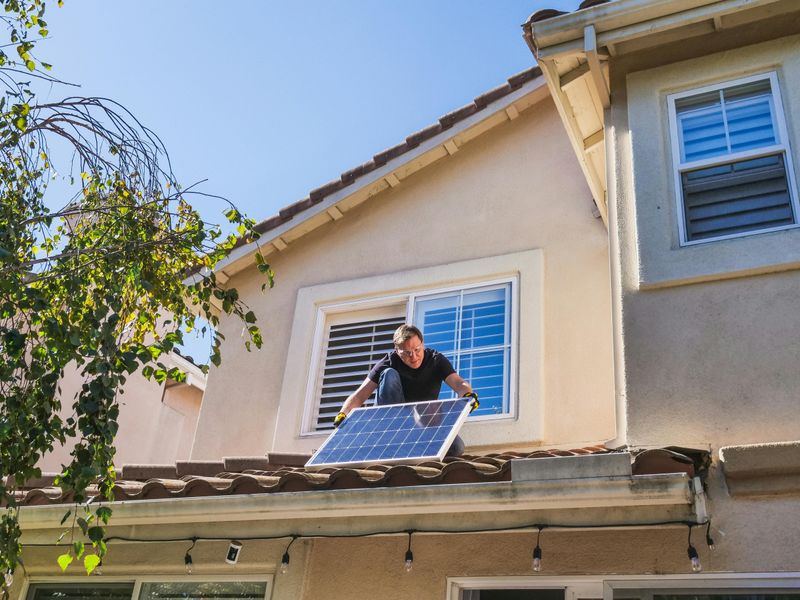
Did you know that sunshine and wind can power your entire house?
Renewable energy sources like solar and wind are becoming cheaper and more efficient every year.
Homeowners are installing solar panels to reduce their electricity bills and protect against rising energy costs.
Communities are building wind farms that generate clean power for thousands of families.
Unlike fossil fuels, renewable energy does not run out or pollute the air we breathe.
Governments are offering tax credits and incentives to encourage people to make the switch.
Battery technology is improving too, which means storing solar energy for nighttime use is getting easier.
This trend is creating new jobs while helping fight climate change at the same time.
7. Lifelong Learning

Education does not stop when you finish school—that old idea is disappearing fast.
People of all ages are taking online courses, learning new languages, and developing skills throughout their lives.
The internet makes it possible to learn almost anything from cooking to coding, often for free or low cost.
Workers are retraining for new careers as industries change and technology advances.
Seniors are discovering that learning keeps their minds sharp and their lives interesting.
Libraries and community centers offer classes on everything from photography to financial planning.
Employers value workers who keep updating their knowledge and adapting to new tools.
Curiosity and growth at any age lead to more fulfilling lives and better opportunities.
8. Local Food Systems
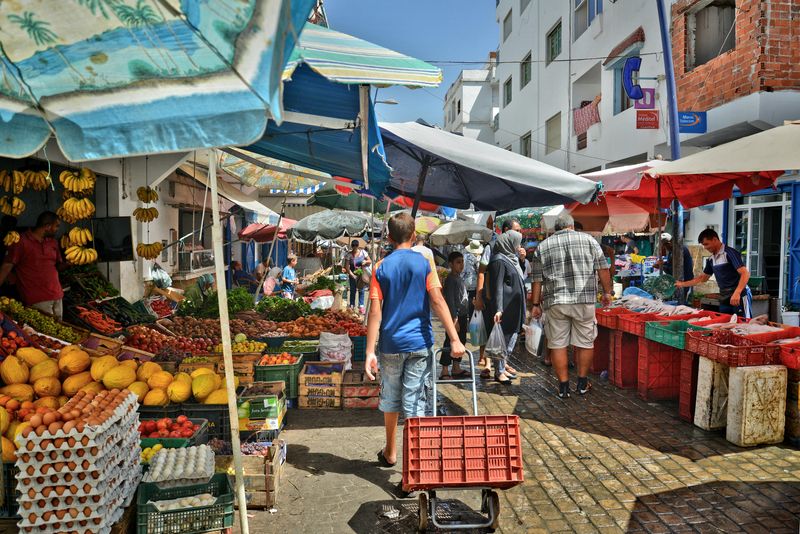
Your food tastes better and stays fresher when it comes from nearby farms instead of traveling thousands of miles.
Local food systems connect communities directly with the people who grow their food.
Farmers markets are popping up in neighborhoods everywhere, offering seasonal produce picked at peak ripeness.
Community-supported agriculture programs let families buy shares of farm harvests and receive weekly boxes of fresh food.
Buying local supports small farmers and keeps money circulating in your own community.
Food that travels shorter distances uses less fuel and creates less pollution.
You also know exactly where your food comes from and how it was grown.
This trend strengthens neighborhood connections while promoting healthier eating habits for everyone involved.
9. Digital Minimalism

Constant notifications and endless scrolling are exhausting, and people are taking back control of their screens.
Digital minimalism means using technology intentionally instead of letting it use you.
Families are setting phone-free times during meals and before bed to reconnect with each other.
Many are deleting social media apps that make them feel anxious or inadequate.
Screen time limits help kids and adults find better balance between online and offline activities.
Instead of mindlessly browsing, people are choosing specific purposes for their device use.
This approach reduces stress, improves sleep, and creates more time for hobbies and relationships.
Technology should enhance life, not dominate it—that is the core idea driving this lasting change.
10. Functional Fitness

Forget fancy gym machines that only work one tiny muscle—functional fitness prepares your body for real life.
This approach focuses on movements you actually use every day, like lifting, bending, and balancing.
Exercises mimic activities such as carrying groceries, playing with kids, or climbing stairs.
Older adults especially benefit because functional fitness helps prevent falls and maintains independence.
You do not need expensive equipment or memberships—bodyweight exercises and simple tools work great.
Athletes from all sports use functional training to improve performance and reduce injury risk.
This practical approach makes fitness feel relevant and useful rather than like a chore.
Building strength for daily tasks keeps you active and capable throughout your entire life.
11. Community Building
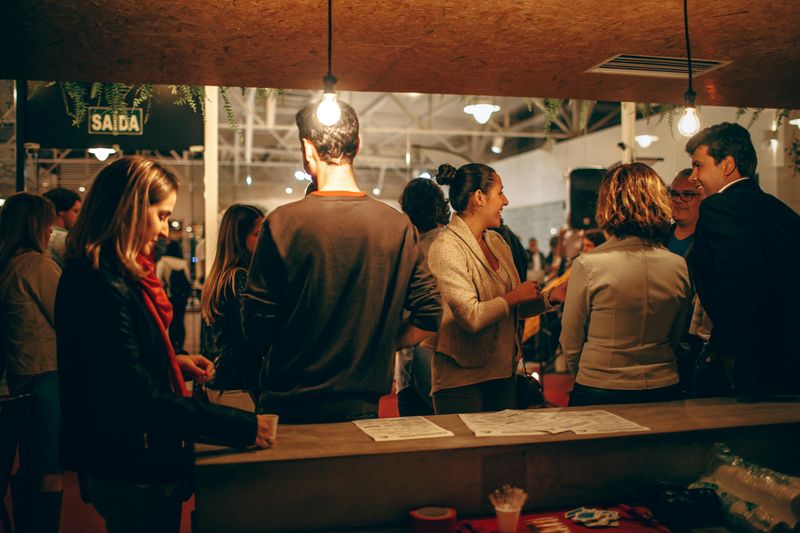
Strong neighborhoods make life better in ways that money cannot buy.
People are organizing block parties, starting community gardens, and creating local support networks.
Knowing your neighbors means having someone to help in emergencies or just share a conversation.
Community tool libraries let people borrow equipment instead of everyone buying their own, saving resources and money.
Local volunteer groups tackle problems together, from cleaning parks to supporting families in need.
These connections reduce loneliness, which research shows is as harmful to health as smoking.
Children growing up in tight-knit communities have more positive role models and safer places to play.
Building relationships with people nearby creates resilience and belonging that lasts through all life’s challenges.