 MomSkoop
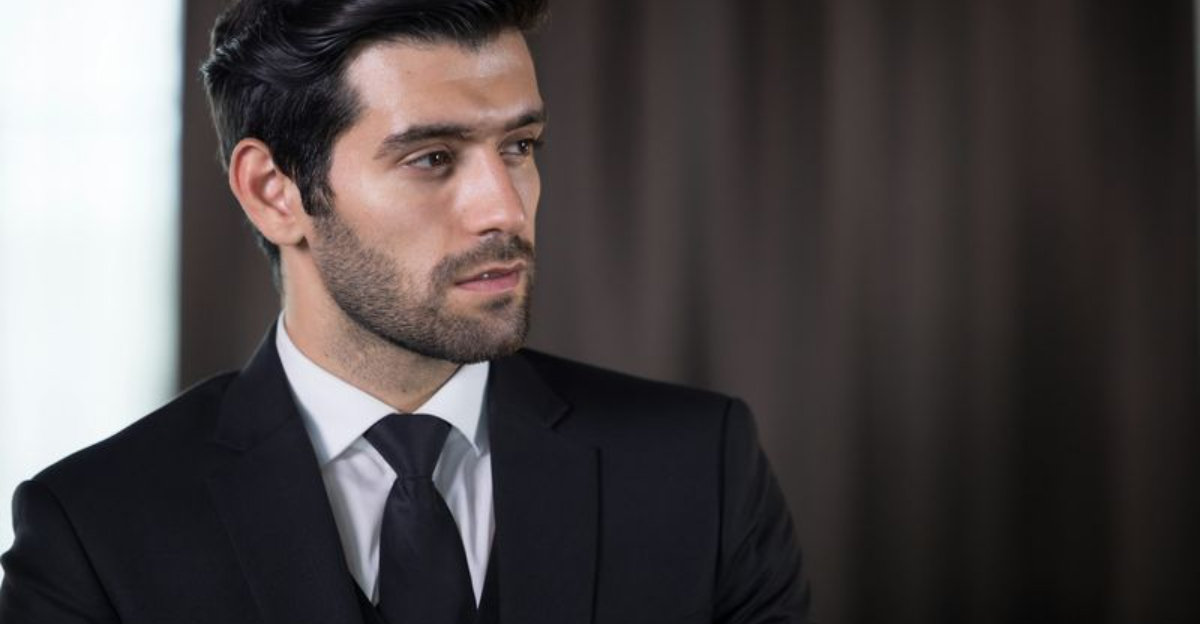
Masculinity isn’t about being the loudest or the biggest guy in the room. Often, it’s the small, intentional choices that leave the strongest impression.
From how you stand to the colors you wear, subtle details shape how others see you and how confident you feel. Here are eleven simple yet powerful ways to boost your masculine presence without saying a word.
1. Good Posture

Your mother was right when she told you to stand up straight.
Slouching makes you look tired, unsure, and smaller than you actually are.
When you pull your shoulders back and lift your chest, you instantly project confidence and strength.
People notice posture before they notice your face or clothes.
It affects how tall you appear and how seriously others take you.
Good posture isn’t just visual either—it actually changes how you feel inside.
Studies show standing tall can boost your mood and energy levels.
Practice checking yourself throughout the day, especially when sitting at a desk or walking into a room.
Over time, it becomes natural and effortless.
2. Well-Fitted Clothing
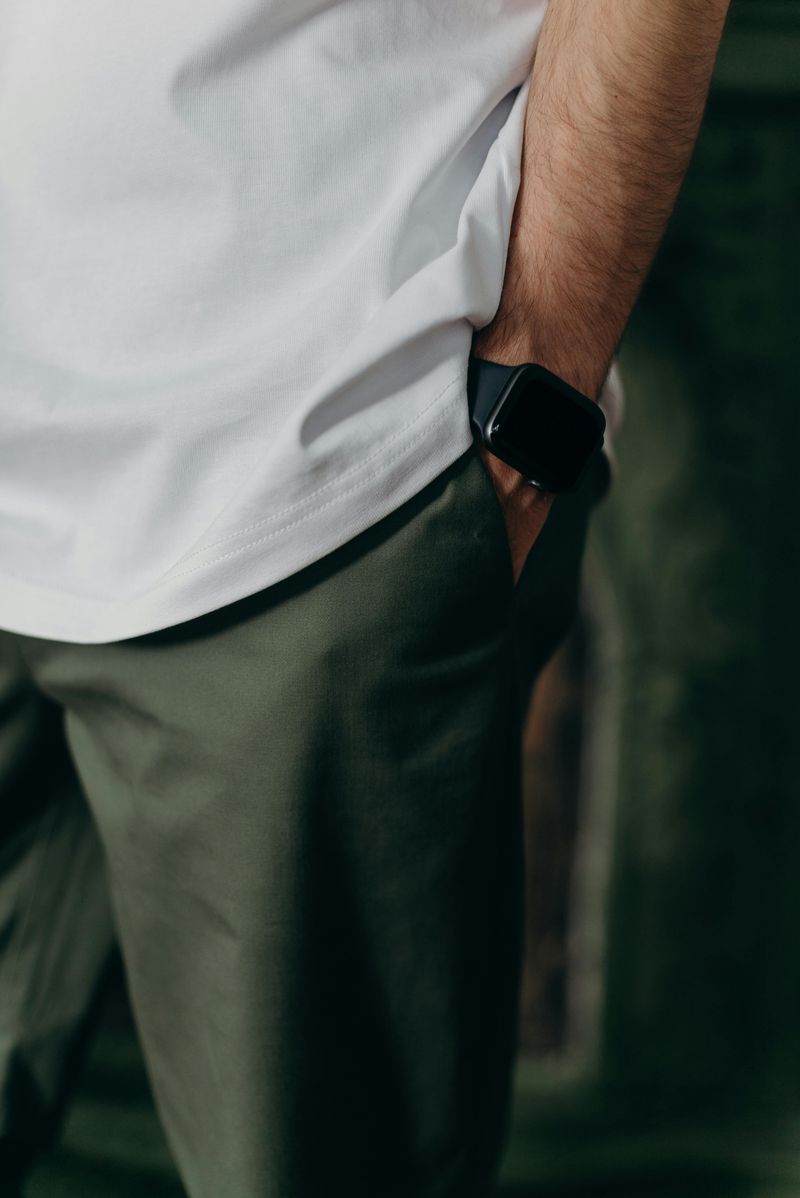
Baggy shirts hide your frame, while clothes that are too tight look uncomfortable and awkward.
The sweet spot is clothing that follows your body’s natural shape without clinging or sagging.
Pay special attention to the shoulders—they should sit right at the edge of your arm, not droop down or pull tight.
A well-fitted shirt or jacket immediately makes you look more put-together and intentional.
Tailoring doesn’t have to be expensive; even small adjustments make a huge difference.
Think of fit as the foundation of style.
No matter how trendy or costly your wardrobe is, poor fit ruins the effect.
Invest time in finding brands that match your body type or visit a tailor for key pieces.
3. Controlled, Calm Movements

Fidgeting, tapping your foot, or constantly adjusting your hair signals nervousness.
Masculine energy often comes through in stillness and deliberate motion.
When you move with purpose, people read you as calm, collected, and in control.
Think about how action heroes or leaders carry themselves—they don’t rush or flail around.
Slow down your gestures and be intentional with every movement.
This doesn’t mean being stiff or robotic; it’s about appearing comfortable in your own skin.
Practice pausing before you speak or act.
That brief moment of composure can completely change how others perceive your confidence and authority.
Relaxed body language is magnetic and reassuring to those around you.
4. Groomed Facial Hair (or Clean Shave)

Whether you rock a full beard or prefer a smooth shave, the key is intention.
A patchy, unkempt beard suggests you don’t care about your appearance.
On the other hand, a neatly trimmed beard or a fresh shave shows discipline and attention to detail.
Grooming your facial hair doesn’t take hours—just a few minutes with clippers or a razor.
Define your neckline and cheek lines if you have a beard, and keep edges sharp.
If you shave, use quality products to avoid irritation and razor burn.
Facial hair frames your face and can completely change your look.
Experiment to find what suits your face shape and lifestyle best.
Consistent grooming is a simple habit with major visual impact.
5. Strong Eye Contact
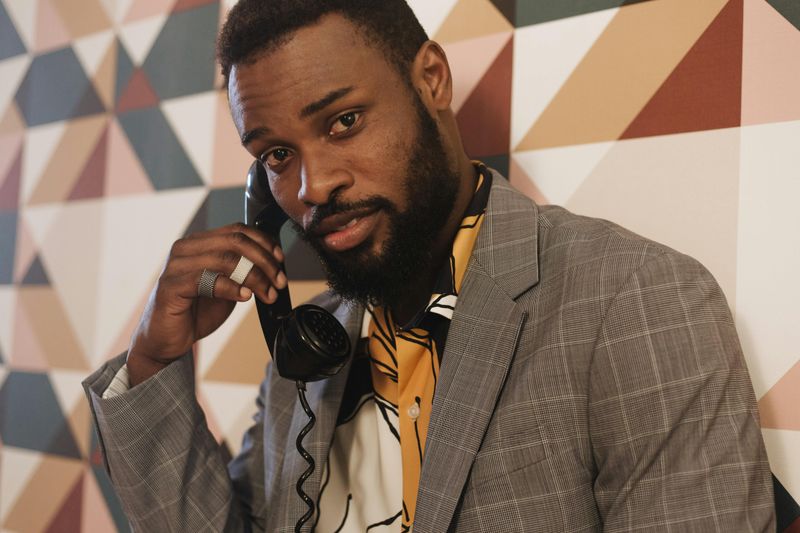
Looking away constantly or staring at the floor makes you seem unsure or uncomfortable.
Eye contact is one of the fastest ways to communicate confidence and honesty.
When you hold someone’s gaze, you show you’re present, engaged, and unafraid.
This doesn’t mean staring people down—balance is important.
Aim to maintain eye contact about 70% of the time during conversation.
Break it naturally when thinking or listening, then return your focus.
Strong eye contact also helps you read others better and connect more deeply.
Practice with friends or in front of a mirror if it feels awkward at first.
Over time, it becomes second nature and transforms how people respond to you.
6. Lower, Steady Speaking Voice

Rushing through your words or speaking in a high-pitched tone can undermine your message.
A lower, measured voice naturally sounds more authoritative and grounded.
You don’t need a radio announcer’s voice—just speak slowly and clearly.
Take your time with each sentence and pause between thoughts.
This gives weight to your words and shows you’re comfortable with silence.
Many men speak too quickly when nervous, which makes them seem less confident.
Practice breathing deeply before speaking to relax your vocal cords.
Recording yourself can help you notice patterns like filler words or rushed speech.
A calm, steady voice commands attention and respect without effort.
7. Minimal, Purposeful Accessories
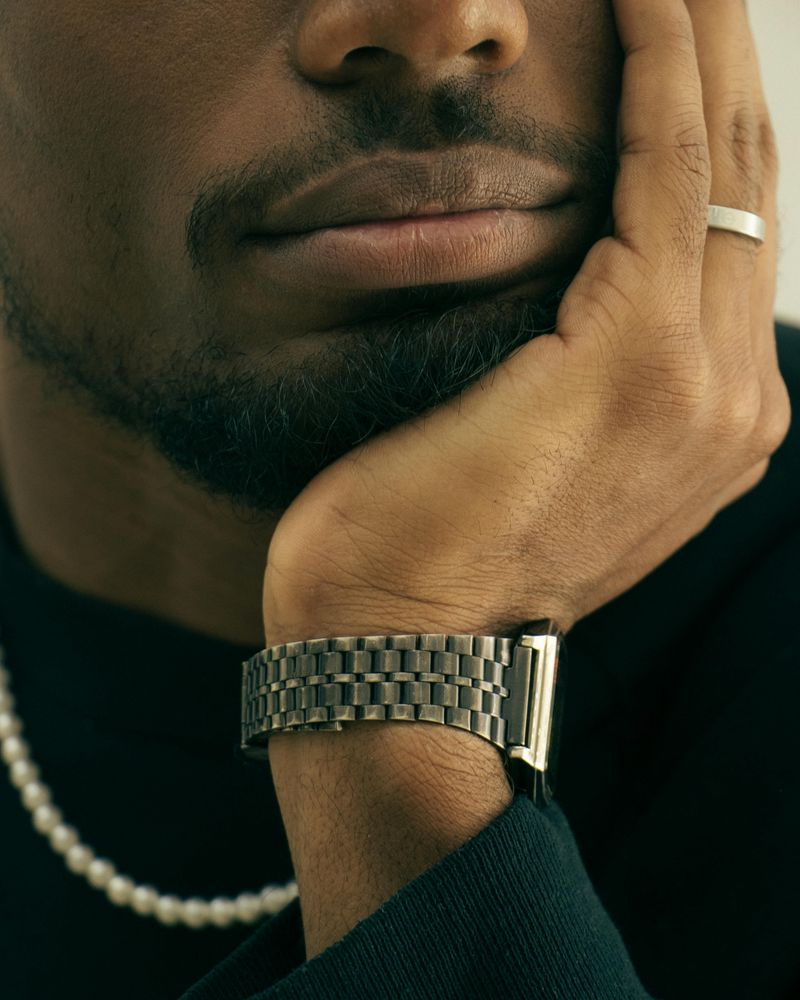
Less is almost always more when it comes to accessories.
A simple leather watch or a quality belt can elevate your entire look without screaming for attention.
Flashy chains, oversized rings, or too many bracelets often have the opposite effect.
Masculine style leans toward understated and functional rather than decorative.
Choose pieces that serve a purpose or have personal meaning.
A watch tells time but also signals you value punctuality and tradition.
A leather belt holds up your pants but also ties your outfit together.
Avoid anything that looks like you’re trying too hard.
Quality over quantity is the golden rule here—invest in a few timeless pieces instead of piling on trendy items.
8. Well-Kept Hands
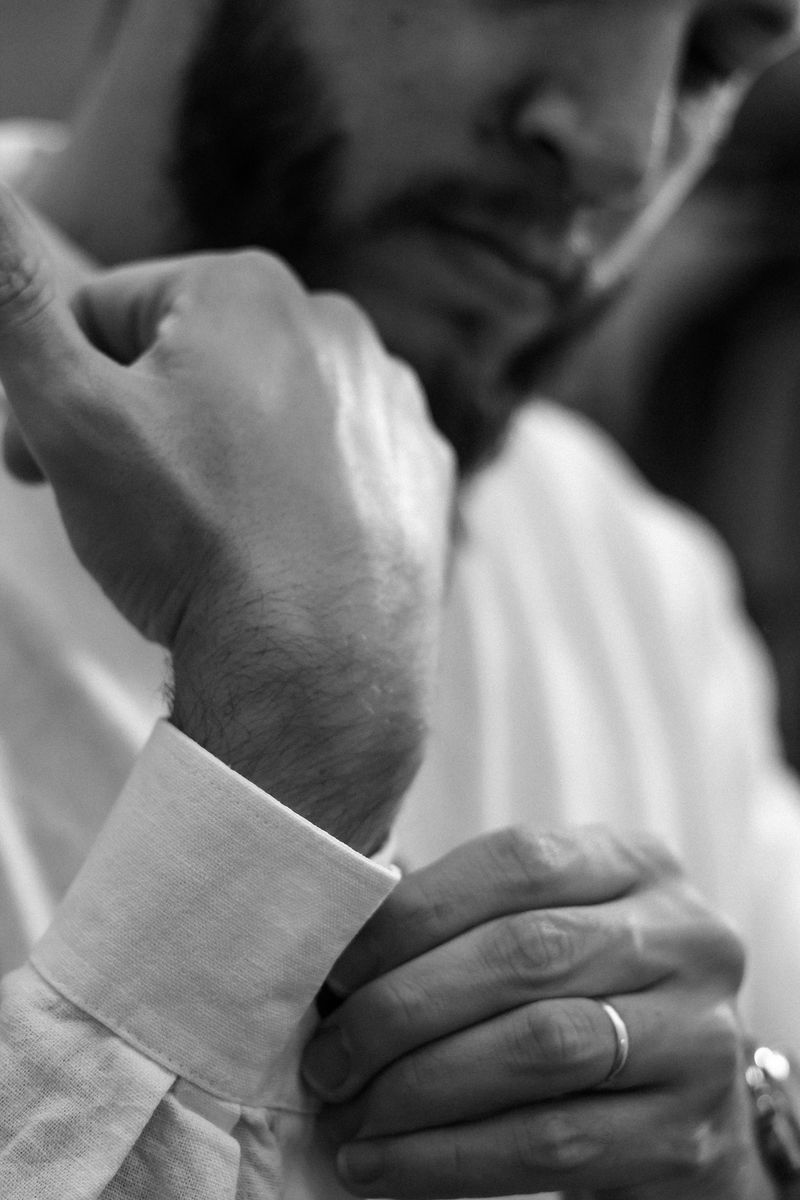
Hands are one of the first things people notice during introductions or conversations.
Dirty nails, rough skin, or overgrown cuticles send the wrong message.
You don’t need a manicure every week, but basic upkeep goes a long way.
Trim your nails regularly, scrub under them, and use hand lotion if your skin gets dry.
Well-kept hands suggest you take care of yourself and pay attention to details.
This small habit signals discipline and self-respect.
It’s especially important in professional settings where handshakes matter.
Rough, calloused hands from work are fine—just keep them clean.
A little effort here makes a surprisingly big difference in how polished and masculine you appear.
9. Neutral or Earth-Tone Colors
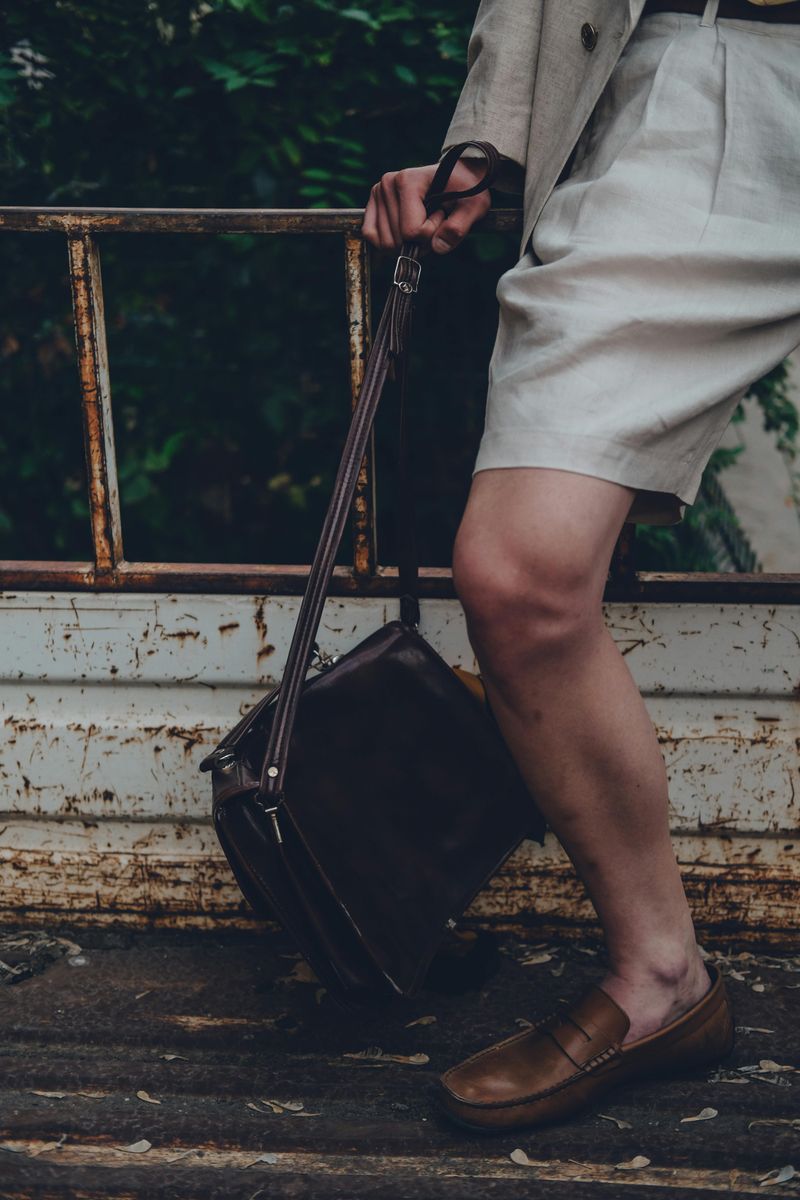
Bright neon colors and loud patterns can work in some settings, but they rarely convey strength or maturity.
Navy, charcoal, olive, brown, and black are timeless choices that project confidence and stability.
These colors are versatile, easy to match, and universally flattering.
They also tend to make you look more serious and grounded.
Earth tones connect visually with nature, strength, and reliability.
You don’t have to dress like you’re going to a funeral—just lean toward muted, solid colors.
They’re easier to style and help you avoid looking like you’re trying too hard.
Save the bright colors for accents or casual settings.
A wardrobe built around neutral tones is practical, masculine, and always in style.
10. Physical Conditioning
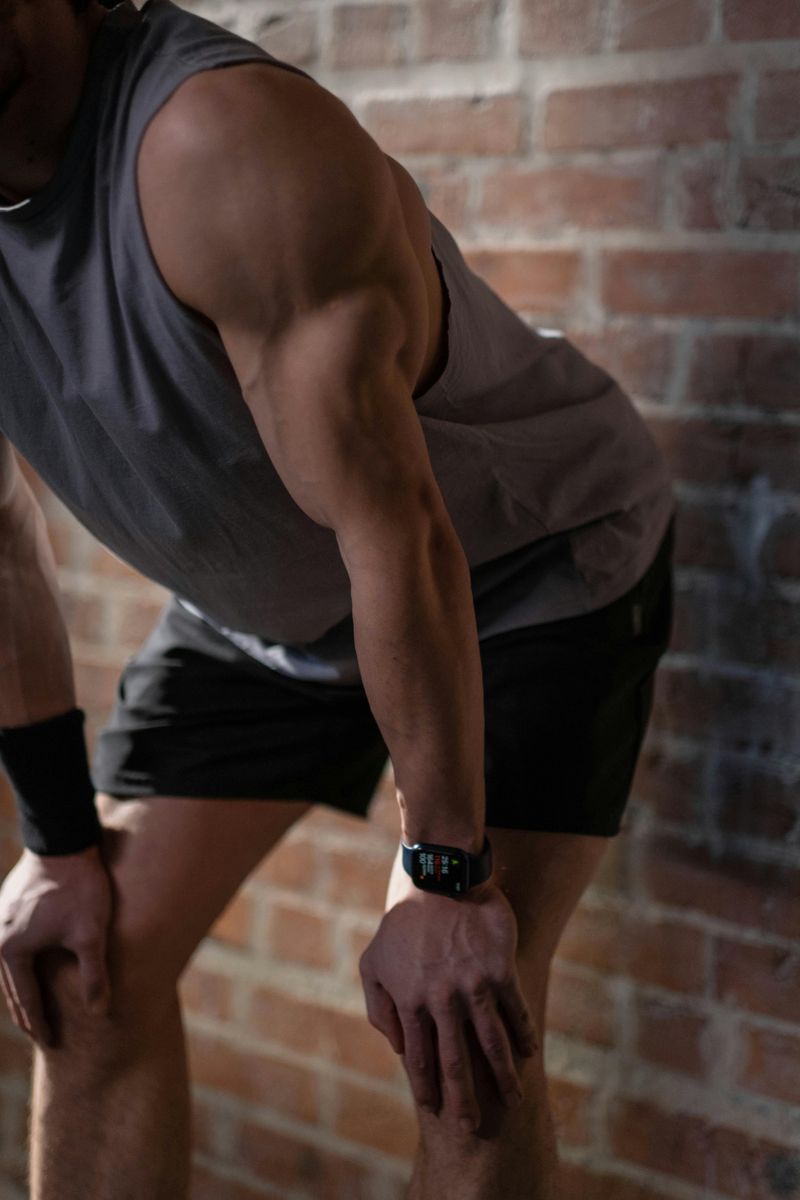
You don’t need to be a bodybuilder to look masculine.
Basic fitness—broad shoulders, a defined chest, and overall muscle tone—makes a noticeable difference.
Physical conditioning affects your posture, energy, and how clothes fit your body.
Even moderate strength training a few times a week can reshape your frame.
Focus on compound movements like push-ups, squats, and rows that build functional strength.
Fitness also boosts confidence from the inside out.
When you feel strong, you carry yourself differently.
You don’t need a six-pack or massive arms—just enough conditioning to look healthy and capable.
Consistency matters more than intensity, so find a routine you can stick with long-term.
11. Decisive Behavior

Hesitation and second-guessing make you seem unsure of yourself.
Masculinity is often tied to the ability to make decisions quickly and stick with them.
This doesn’t mean being reckless—it means trusting your judgment and acting with confidence.
Even small choices, like picking a restaurant or choosing a route, reveal your decisiveness.
People naturally follow those who seem certain and capable.
Practice making decisions without overthinking every detail.
If you make a mistake, own it and adjust rather than second-guessing endlessly.
Decisive behavior signals leadership, self-assurance, and emotional strength.
It’s a trait that builds respect in both personal and professional settings.