 MomSkoop

Getting older doesn’t automatically mean slowing down. In fact, many people over 65 continue to stay physically active, mentally sharp, and emotionally independent well into their later years. While aches and limitations can become more common with age, there are certain everyday abilities that strongly suggest a person is aging far better than average.
From maintaining balance and mobility to staying socially engaged and mentally quick, these small but important signs often reflect overall health, resilience, and quality of life. Experts say that preserving these abilities can indicate strong muscles, a healthy brain, good cardiovascular function, and habits that support long-term wellness.
1. Walk Briskly Without Assistance and Maintain Good Balance
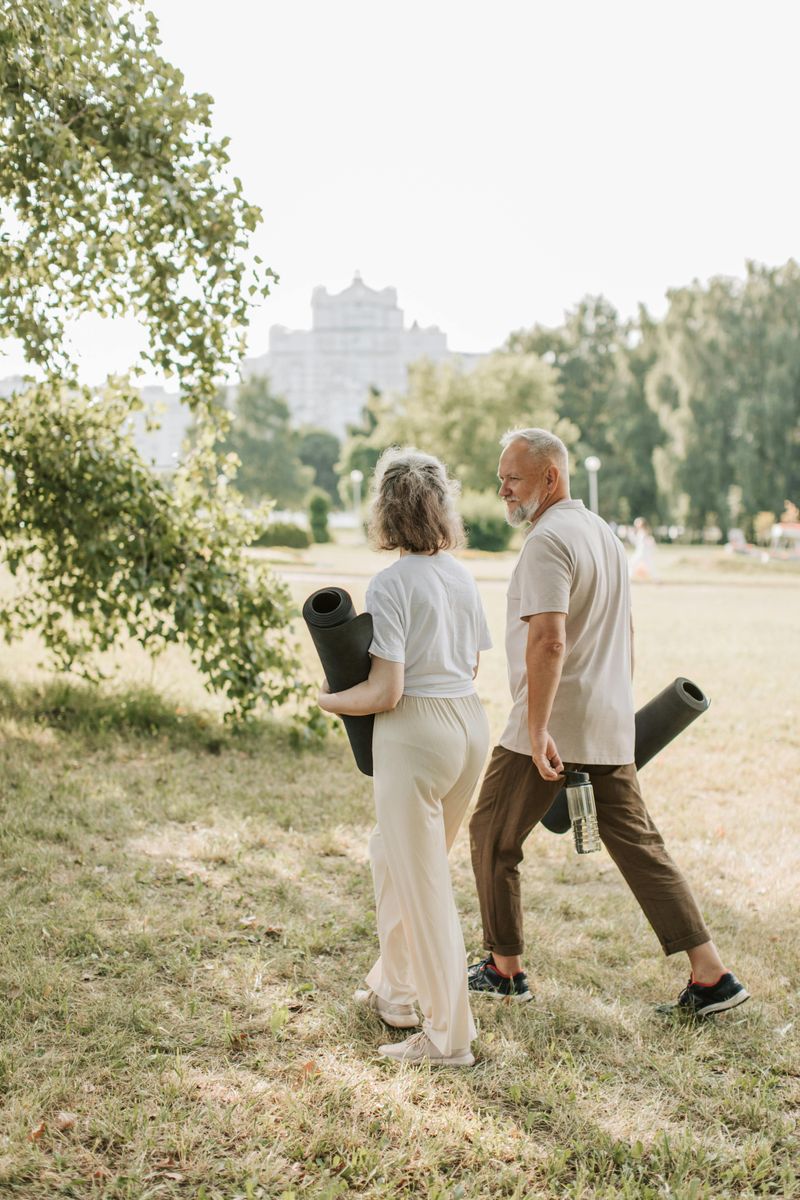
Strong legs and steady balance are signs your body is working beautifully.
Walking at a good pace without needing a cane or walker shows your muscles, joints, and coordination are in great shape.
Balance prevents dangerous falls and keeps you independent.
Many older adults lose their ability to move quickly or confidently, but if you’re still striding along smoothly, your cardiovascular system and nervous system are functioning well.
Regular walking also keeps your heart healthy and your mind sharp.
If you can walk briskly through your neighborhood or the mall without wobbling or needing support, you’re aging with strength and grace that many people your age would envy.
2. Get Up From a Chair or the Floor Easily Without Using Hands
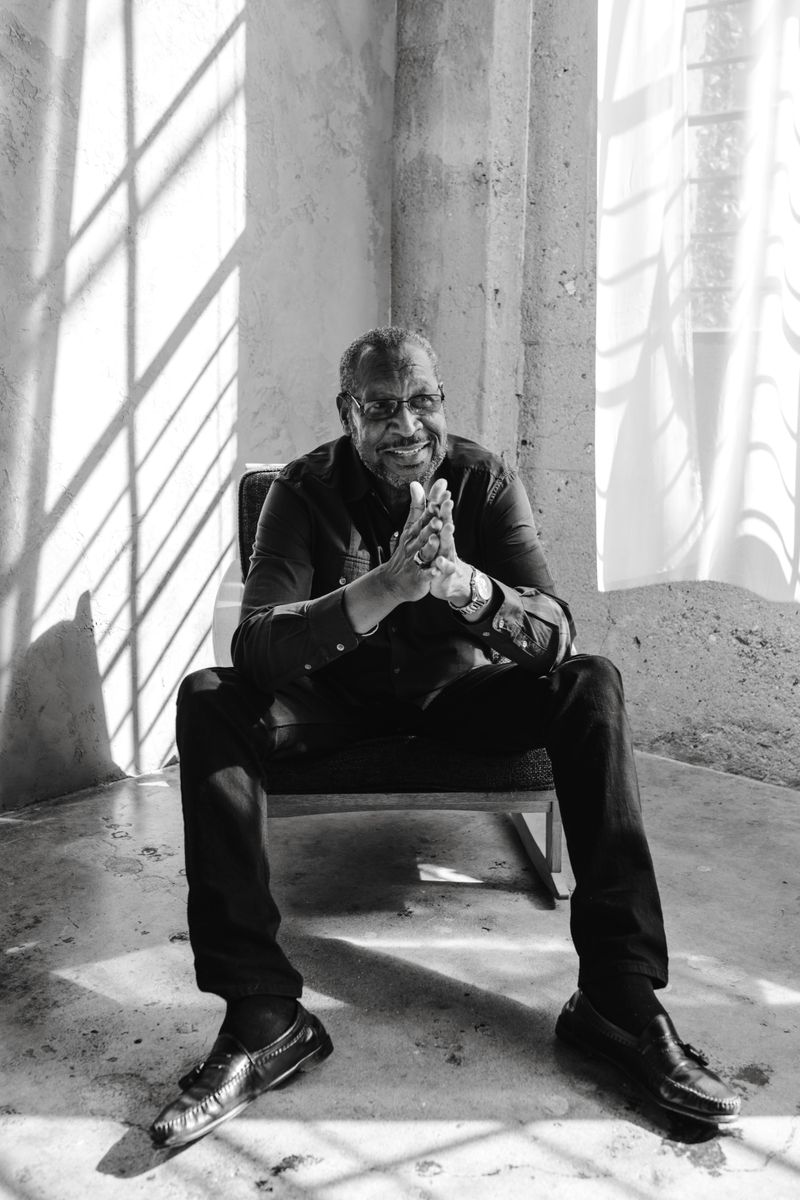
Ever notice how some people struggle to stand up from sitting?
Being able to rise from a chair or floor without pushing off with your hands reveals impressive core strength and leg power.
This simple movement requires coordination between multiple muscle groups and good joint flexibility.
When you can do this effortlessly, it means your body has maintained the functional fitness needed for daily living.
Many seniors lose this ability gradually and don’t realize it until it’s gone.
Physical therapists often use this as a key test of overall strength and mobility.
If you’re still popping up easily, your muscles are strong and your joints are flexible enough to support your weight independently.
3. Climb Stairs Comfortably Without Becoming Short of Breath

Stairs can be a real challenge as we get older.
If you can climb a flight without huffing and puffing, your heart and lungs are doing their job remarkably well.
Good cardiovascular fitness means oxygen is flowing efficiently through your body.
Stair climbing works your leg muscles, tests your endurance, and requires decent lung capacity.
Breathlessness on stairs often signals heart or lung problems that need attention.
When you reach the top feeling comfortable and ready to keep going, it shows your circulatory system is healthy and your muscles are getting the oxygen they need.
This kind of stamina is a wonderful indicator of overall physical health and vitality.
4. Carry Groceries or Light Luggage Without Strain

Lifting and carrying things might seem simple, but it requires real strength.
When you can haul grocery bags from the car or lift a suitcase without feeling strained, your upper body strength is excellent.
This ability keeps you independent and prevents relying on others for basic tasks.
Strong arms, shoulders, and back muscles make everyday life much easier and safer.
Losing grip strength and carrying capacity happens gradually, and many people don’t notice until they struggle with simple tasks.
If you’re still handling bags and boxes confidently, your muscles have retained their power and your bones are strong enough to support the load.
This functional strength is invaluable for maintaining your freedom.
5. Maintain Sharp Memory and Focus in Daily Conversations and Tasks

A clear mind is just as important as a healthy body.
If you remember names, follow conversations easily, and complete tasks without confusion, your brain is aging beautifully.
Mental sharpness involves memory, attention, and problem-solving skills that often decline with age.
Some forgetfulness is normal, but staying mentally engaged keeps your cognitive abilities strong.
Reading, socializing, and learning new things all help maintain brain health.
When you can recall details from yesterday’s conversation or manage complex tasks like paying bills without difficulty, your neurons are firing well.
This mental clarity makes life more enjoyable and helps you stay connected with the world around you in meaningful ways.
6. Sleep Well and Wake Up Feeling Rested Most Days

Quality sleep becomes harder to achieve as we age, but it’s essential for health.
If you fall asleep easily, stay asleep through the night, and wake up refreshed, your body is regulating itself properly.
Good sleep helps repair tissues, consolidate memories, and maintain emotional balance.
Many older adults struggle with insomnia or frequent waking due to medications, pain, or anxiety.
When you consistently get restorative sleep, it shows your circadian rhythms are working and your overall health is solid.
Waking up energized instead of groggy means your body completed its nightly maintenance successfully.
This restful sleep supports everything from immune function to mood stability throughout your day.
7. Stay Socially Engaged and Maintain Meaningful Relationships
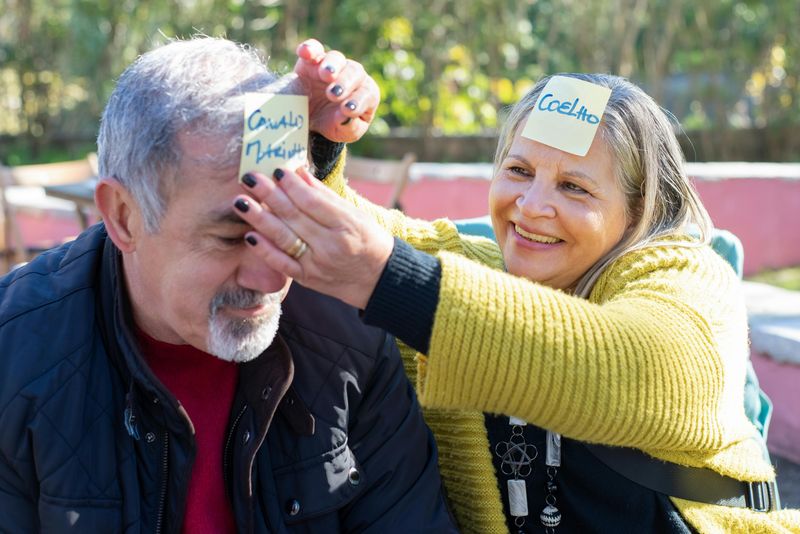
Loneliness affects many seniors, but staying connected keeps you healthier and happier.
If you regularly see friends, participate in activities, and maintain close relationships, you’re nurturing your emotional wellbeing.
Social connections reduce stress, boost mood, and even strengthen your immune system.
Isolation can lead to depression and cognitive decline, so active social lives protect both mind and body.
Whether it’s weekly coffee with friends, volunteering, or family gatherings, these interactions matter deeply.
When you feel connected to others and have people you care about, life has more purpose and joy.
These meaningful bonds provide support during tough times and celebration during good ones, enriching your golden years tremendously.
8. Recover Quickly From Minor Illnesses or Exertion
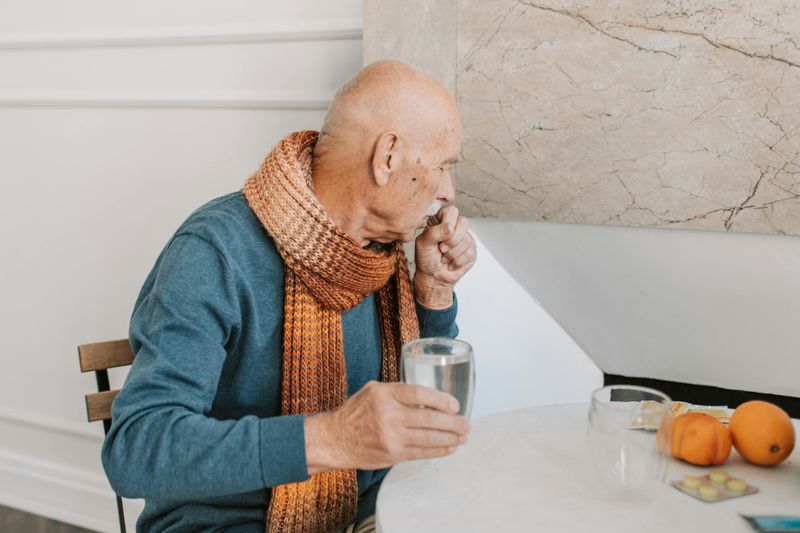
Bouncing back quickly shows your immune system is robust.
If a cold doesn’t knock you down for weeks or exercise doesn’t leave you exhausted for days, your body’s recovery systems are working efficiently.
Fast recovery means your cells repair damage effectively and your immune defenses respond properly.
As we age, healing typically slows down, making recovery times longer.
When you shake off minor bugs quickly or feel normal soon after physical activity, it demonstrates excellent underlying health.
This resilience protects you from complications and keeps you active.
Your body’s ability to return to baseline quickly is a powerful sign of vitality and strong biological systems functioning harmoniously together.
9. Manage Daily Activities Independently (Driving, Cooking, Managing Finances)
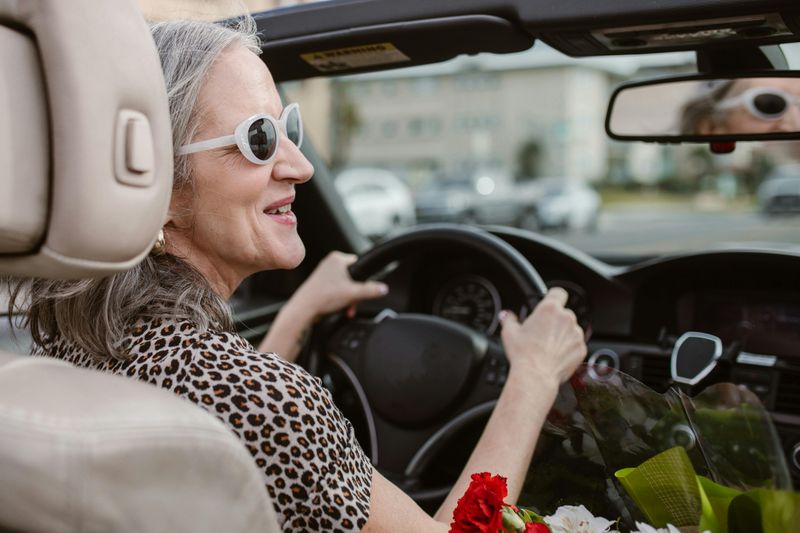
Independence is precious, especially as we get older.
If you still drive safely, prepare meals, and handle your finances without help, you’re maintaining crucial life skills.
These complex tasks require physical ability, mental sharpness, and good judgment working together.
Many seniors gradually lose these capabilities and must depend on others for basic needs.
When you confidently manage your own affairs, it shows your brain and body are coordinated and capable.
Driving requires quick reflexes and good vision, cooking needs planning and motor skills, and finances demand memory and reasoning.
Handling all three means you’re remarkably self-sufficient and living life on your own terms with dignity and capability.
10. Maintain a Positive Outlook and Adaptability Toward Change
Attitude shapes how we experience aging more than we realize.
If you approach challenges with optimism and adapt to life’s changes gracefully, you’re protecting your mental and physical health.
Positive thinking reduces stress hormones, strengthens immunity, and improves cardiovascular health.
Life after 65 brings transitions like retirement, loss, and health changes that require flexibility.
When you embrace new situations instead of resisting them, you stay engaged and resilient.
Optimistic people tend to live longer and enjoy better health outcomes.
If you wake up grateful, find joy in small moments, and roll with life’s punches, you’ve mastered one of aging’s most important skills: emotional wisdom and psychological strength.
11. Reach, Bend, and Twist Comfortably During Everyday Tasks

Being able to reach high shelves, bend to tie your shoes, and twist to grab something behind you is a wonderful sign of healthy mobility.
These simple movements depend on flexible joints, core strength, and good coordination working together smoothly.
When your body handles them without pain or hesitation, daily life stays easier and far less tiring.
Many people begin avoiding these motions as stiffness builds with age.
If you can still move this way comfortably, you are preserving the kind of freedom that keeps you active, capable, and confidently independent in your own routine.
12. Use Your Hands and Fingers Easily for Buttons, Jars, and Writing
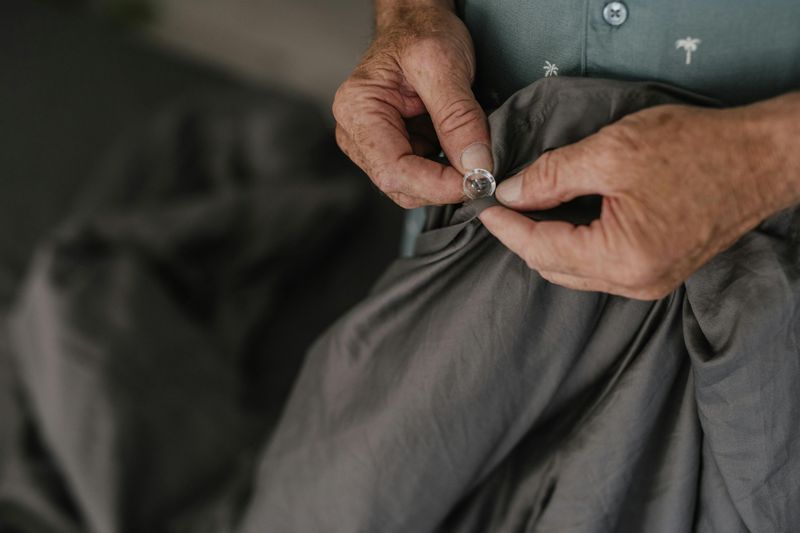
Hand strength and finger control matter more than most people think, especially when it comes to the little tasks that fill an ordinary day.
Buttoning clothes, opening jars, turning keys, and writing clearly all require dexterity, grip strength, and healthy nerve function.
When these actions still feel easy, it often means your coordination and muscle control remain in impressively good shape.
Many adults notice these skills slipping before they expect it.
If your hands still do what you ask without frustration, you are holding onto a valuable kind of independence that supports confidence every single day.
13. Hear Conversations Clearly and Follow Along Without Constant Repetition

Hearing well enough to follow conversations without asking people to repeat themselves over and over is an underrated sign of aging remarkably well.
Good hearing keeps you connected, protects confidence, and helps your brain process information smoothly in social settings.
It also reduces the mental strain that comes from constantly trying to fill in missing words or sounds.
When you can keep up in a busy room or during quiet one on one chats, that is meaningful.
It suggests your sensory health and attention are supporting the kind of active, engaged life that helps people thrive later on.