 MomSkoop

Working in a restaurant means reading people constantly. Servers develop a sixth sense about guests within the first minute of interaction.
From the moment you sit down, certain behaviors send clear signals about what kind of diner you’ll be, and experienced servers pick up on these cues immediately.
1. Ignoring the Greeting
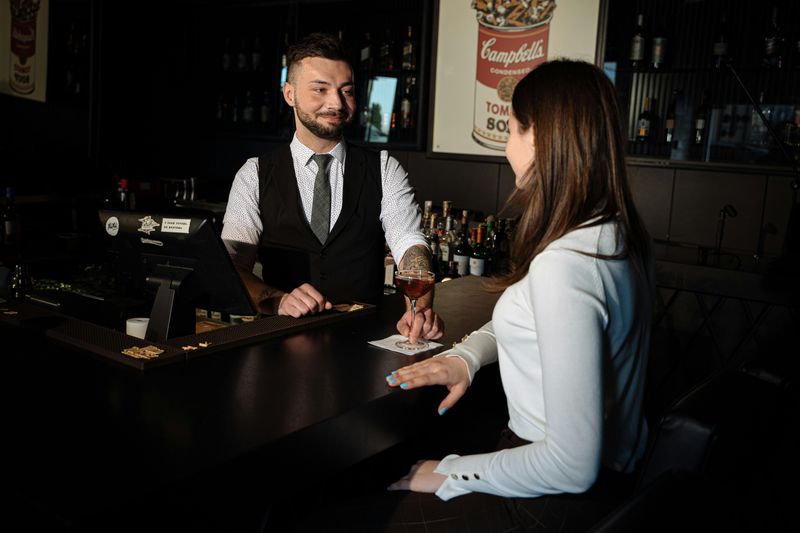
A simple hello goes a long way in any social interaction.
When servers approach your table with a friendly greeting and you don’t even look up from your phone or conversation, it creates an uncomfortable dynamic from the start.
Not making eye contact or acknowledging their presence tells them you might not value their role.
This small gesture sets the tone for the entire meal.
Servers remember guests who treat them like invisible furniture versus those who offer a quick smile or nod.
Basic courtesy matters more than you might think in establishing a positive dining experience for everyone involved.
2. Constantly Needing More Time

Menus exist so you can decide what to order.
Saying you need a few more minutes once is perfectly fine and completely normal.
However, when your server returns three or four times and you’re still not ready, it signals disorganization.
Servers have multiple tables to manage, and repeated delays throw off their entire rhythm.
They start wondering if you’re indecisive by nature or simply not paying attention to the task at hand.
Being prepared shows respect for their time and the other diners waiting for service.
A quick scan before they arrive makes everything smoother.
3. Snapping or Waving Frantically
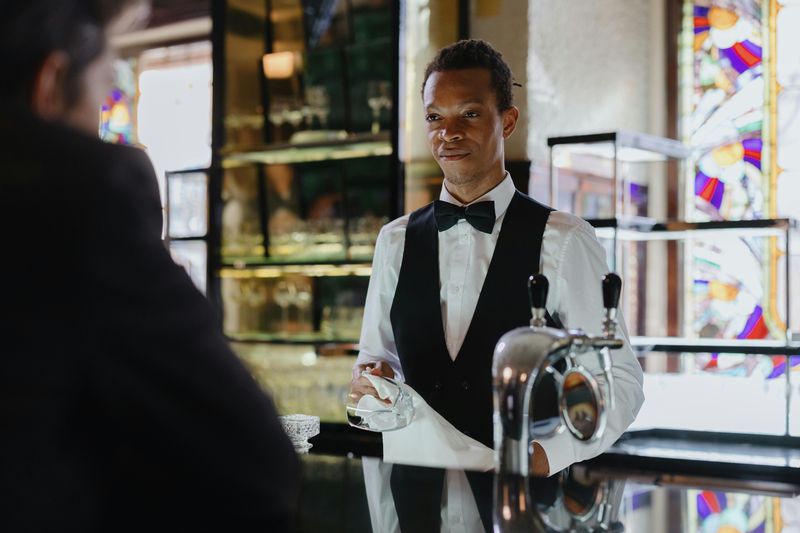
Your server is not a pet you summon with finger snaps.
Aggressive waving, whistling, or snapping fingers ranks among the most disrespectful behaviors in restaurant culture.
Servers notice this immediately and mentally categorize you as difficult or rude.
Everyone in the dining room also sees this behavior, making it doubly embarrassing.
Patient guests who make polite eye contact or wait for natural check-ins get much better service.
Treating servers like human beings rather than servants creates a better atmosphere.
If you genuinely need something urgently, a raised hand with a smile works perfectly well.
4. Cutting Off the Server
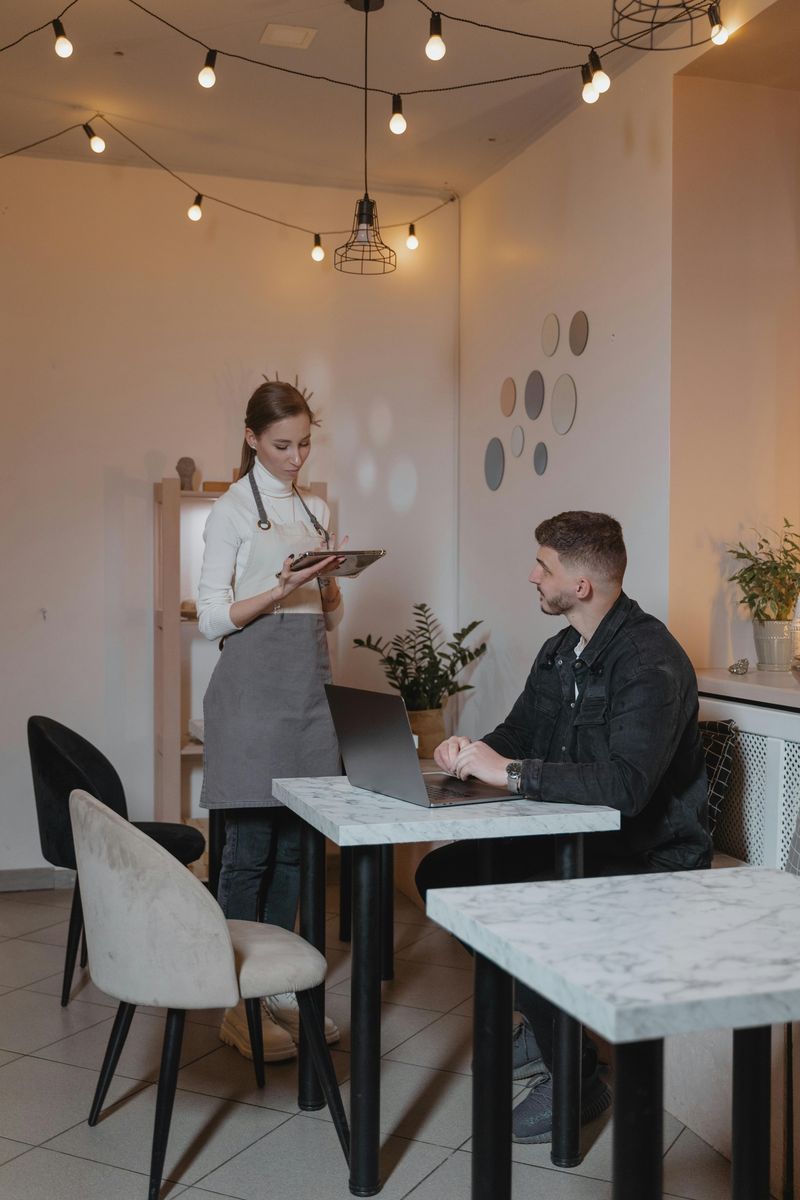
Servers often need to explain daily specials, ingredient allergies, or restaurant policies.
Interrupting them mid-sentence shows you don’t value what they have to say.
This behavior comes across as dismissive and arrogant, suggesting you believe your needs outweigh basic manners.
Many times, the information they’re sharing could actually help you make better choices.
Servers who get cut off repeatedly start anticipating problems and brace themselves for a challenging table.
Letting someone finish their sentence takes only seconds but demonstrates fundamental respect.
Good communication flows both ways in any service interaction.
5. Changing Orders Repeatedly
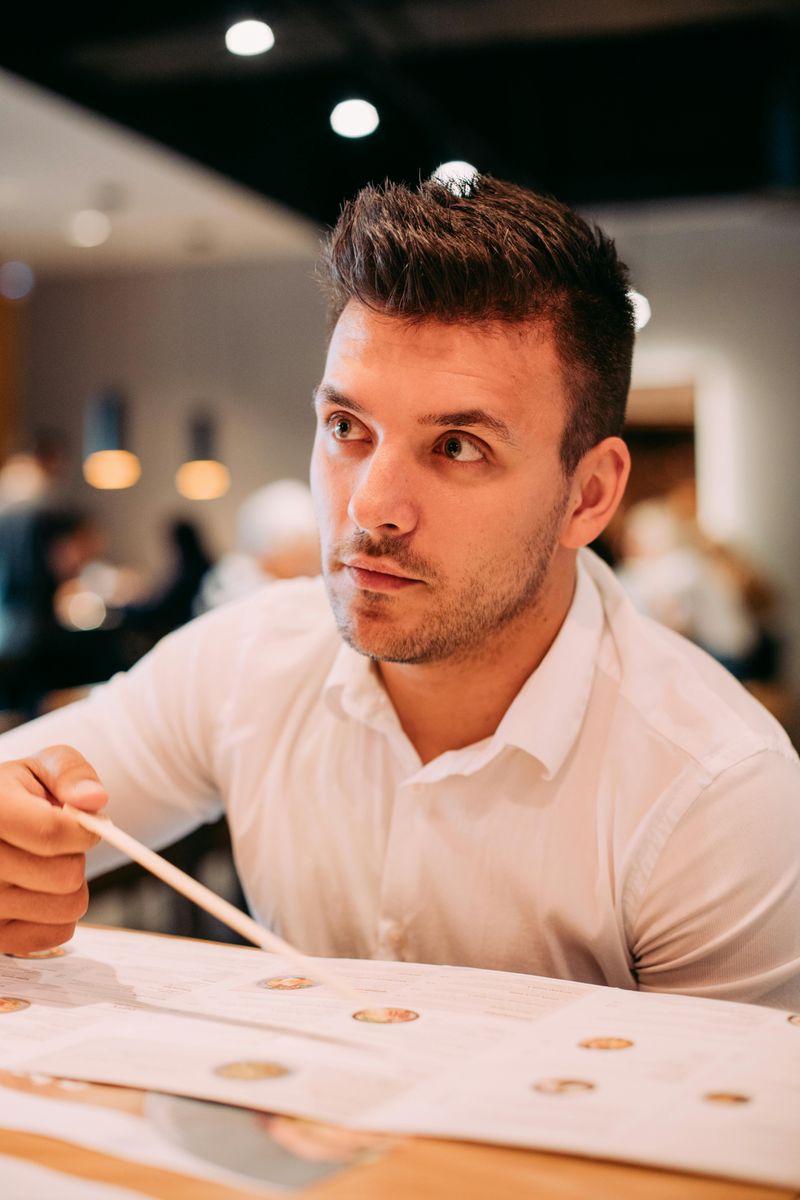
Modifications happen, and most restaurants accommodate reasonable requests happily.
But when you change your order multiple times or keep adding substitutions after the server walks away, red flags go up.
Servers recognize this pattern as a warning sign for potential complaints later.
Unclear ordering often leads to mistakes, and they worry you’ll blame them even when the confusion originated from your side.
Being decisive and clear from the start prevents miscommunication.
If you have dietary restrictions or preferences, mention them upfront rather than piecing together changes gradually.
Clarity helps everyone succeed.
6. One Person Ordering Poorly for Everyone
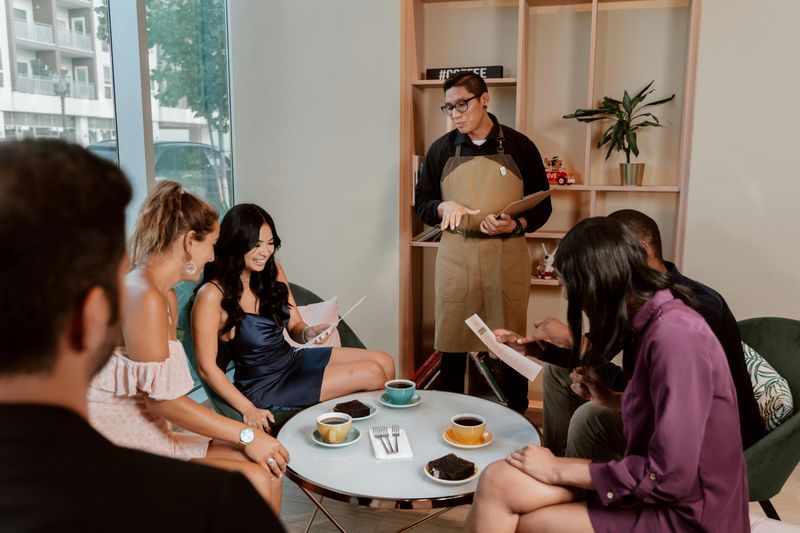
Group dining can get complicated quickly.
When one person insists on ordering for the whole table but clearly doesn’t know what everyone wants, servers cringe internally.
They’ve seen this scenario play out badly countless times before.
Inaccurate orders lead to unhappy diners who then blame the server for bringing the wrong food.
The person ordering might miss allergies, preferences, or cooking temperatures that matter to others.
Servers would much rather hear directly from each guest to ensure accuracy.
If someone must order for the group, make sure they actually know everyone’s choices precisely beforehand.
7. Complaining Before Food Arrives
Starting your meal with complaints about prices, wait times, or the menu selection sets a negative tone immediately.
Servers hear these gripes before you’ve even tasted a single bite, and it signals trouble ahead.
They know that someone complaining early will likely find more reasons to be unhappy as the meal progresses.
This behavior makes servers defensive and anxious rather than excited to provide great service.
Most dining issues resolve themselves with patience and good communication.
Approaching your meal with a positive attitude creates better experiences for everyone.
Save feedback for legitimate problems rather than preemptive negativity.
8. Ignoring Check-Ins
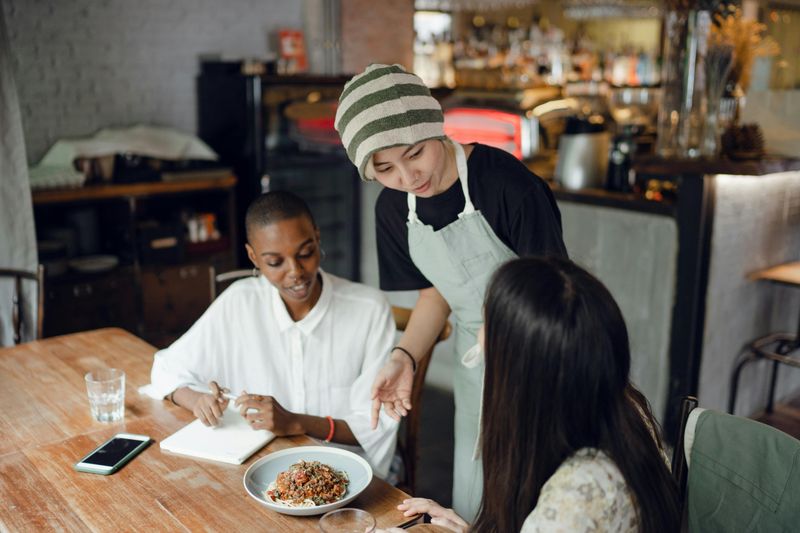
Servers check on tables to ensure everything meets your expectations.
When they ask how everything is and you completely ignore them or refuse to acknowledge the question, it creates awkwardness.
A simple thumbs up or quick “everything’s great” takes minimal effort but makes their job significantly easier.
Ignoring check-ins makes servers feel invisible and disrespected.
They’re trying to provide good service, and your response helps them know if adjustments are needed.
This small interaction represents basic human courtesy.
Even if your mouth is full, a nod or smile communicates that you’ve heard them and everything is fine.
9. Creating a Messy Disaster Zone
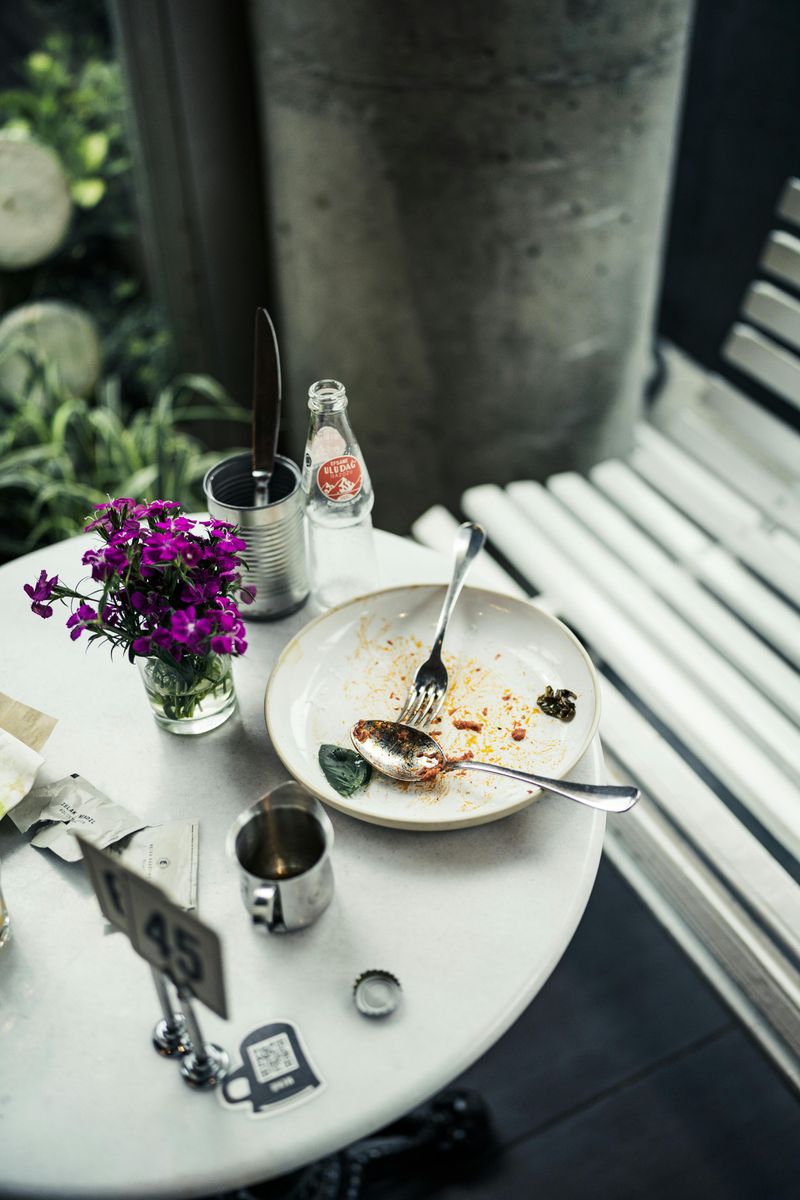
Accidents happen, and servers understand spills are part of dining.
However, excessive messiness with food everywhere, straw wrappers scattered, and napkins piled carelessly shows disregard for the staff.
Servers notice guests who treat the table like a garbage dump versus those who stack plates neatly or contain their mess.
Cleaning up after extremely messy diners takes extra time and effort that delays service to other tables.
Children create messes naturally, but parents who make zero effort to manage it stand out negatively.
Showing basic respect for the space and the people who clean it reflects your character.
10. Displaying Obvious Impatience

Body language speaks volumes before you say a single word.
Heavy sighing, crossing your arms tightly, or checking your watch every thirty seconds broadcasts impatience loudly.
Servers pick up on these nonverbal cues instantly and know you’re already frustrated.
Restaurant kitchens move at their own pace, and visible impatience doesn’t speed things up.
This behavior puts pressure on servers for factors often beyond their control.
They’re doing their best to coordinate multiple tables while dealing with kitchen timing.
Patience and understanding create much better dining experiences than huffing and puffing throughout your meal.