 MomSkoop
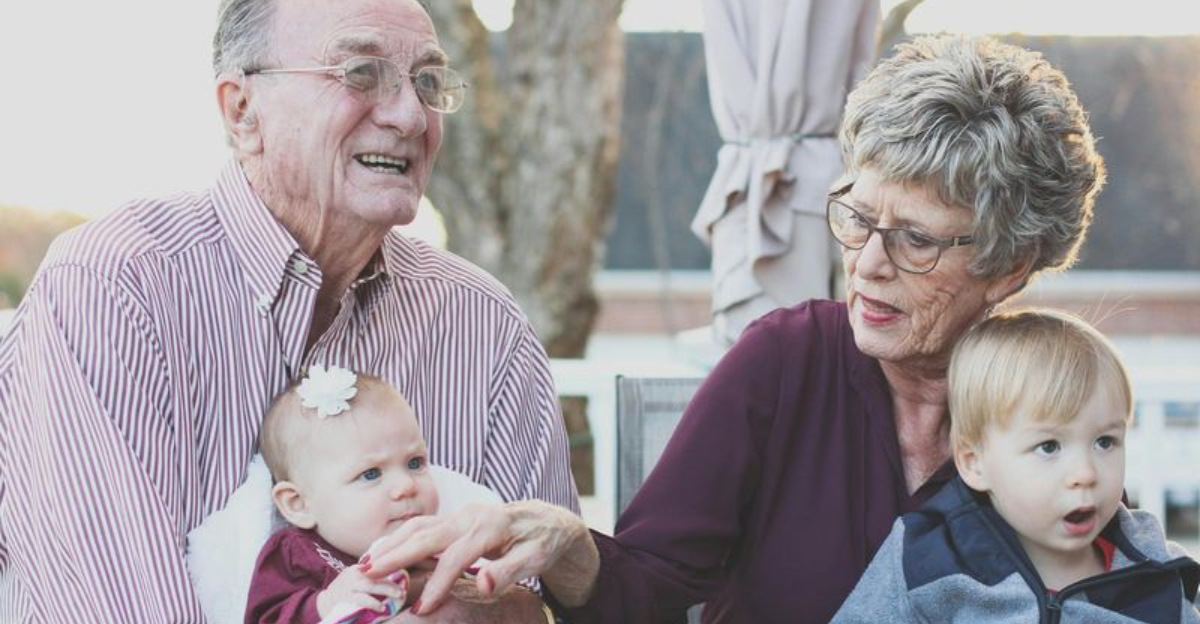
Names often reveal more than just family tradition—they can hint at the generation someone comes from. Certain names exploded in popularity during the post-war years, becoming closely tied to the Baby Boomer generation born between 1946 and 1964.
While trends in baby names constantly change, some classics have remained strong symbols of a specific era. If your name appears on this list, there’s a good chance you grew up during the golden age of rock ’n’ roll, drive-ins, and rotary phones.
1. Linda
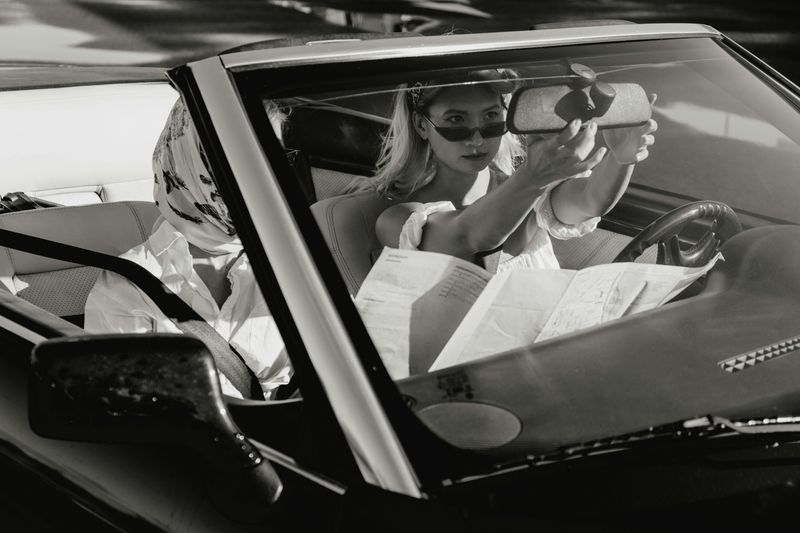
Back in the 1940s and 1950s, Linda was the name every parent wanted for their daughter.
It topped the charts for years, making it one of the most popular names of the entire Baby Boomer generation.
The name has Spanish and German roots, meaning beautiful or pretty, which probably explains its widespread appeal.
Today, meeting a Linda usually means you are chatting with someone who grew up during the golden age of rock and roll.
The name has fallen out of favor with younger generations, but it remains a nostalgic reminder of mid-century America.
If you know a Linda, she likely has some great stories about poodle skirts and drive-in movies.
2. Michael
Michael reigned supreme as the go-to boy name throughout much of the Boomer era.
Parents loved its biblical roots and strong, timeless quality that never seemed to go out of style.
From the late 1940s through the 1960s, hospitals were filled with baby Michaels.
The name means who is like God in Hebrew, giving it a powerful spiritual significance.
Today, most Michaels you meet in their sixties or seventies probably grew up with several other Michaels in their classrooms.
It was so common that nicknames like Mike, Mikey, and Mick became necessary to tell everyone apart at family gatherings and school events.
3. Susan

Susan was everywhere during the Baby Boom years, gracing birth certificates across America.
The name comes from Hebrew origins, meaning lily or rose, and it carried an elegant simplicity that parents adored.
Throughout the 1950s and 1960s, Susan was a top contender, often shortened to Sue or Susie.
Women named Susan today often recall childhoods filled with neighborhood kickball games and Saturday morning cartoons.
The name has a wholesome, all-American quality that perfectly captured the optimistic spirit of post-war suburbia.
While fewer babies receive this name today, it remains a classic marker of the Boomer generation.
4. David
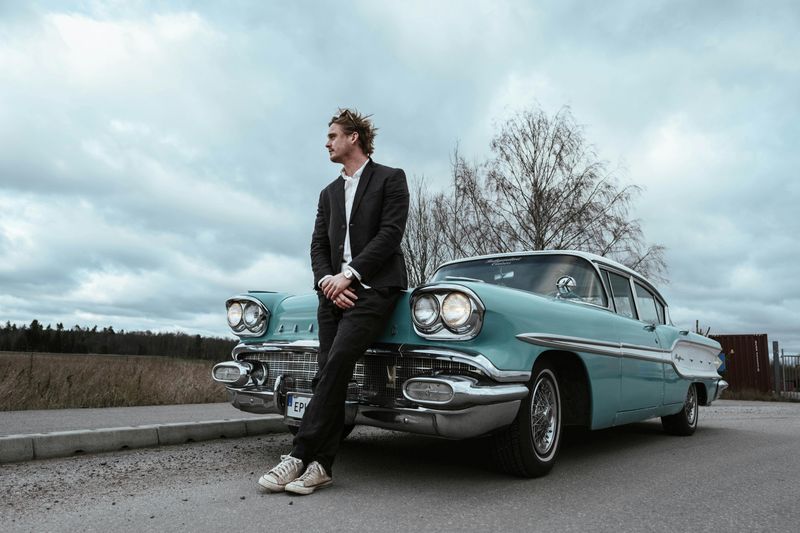
Strong, reliable, and timeless—David was a name that never disappointed Boomer parents.
This biblical classic, meaning beloved in Hebrew, was a consistent favorite throughout the 1940s, 1950s, and 1960s.
Davids of this generation grew up in an era of rapid change, from black-and-white TV to color broadcasts.
The name offered versatility with nicknames like Dave or Davey, making it both formal and friendly.
Most Davids born during the Baby Boom remember practicing duck-and-cover drills in elementary school.
Today, the name remains popular, but meeting a David in his seventies instantly connects you to that transformative mid-century period.
5. Karen
Before it became an internet meme, Karen was simply one of the most beloved names of the 1950s and 1960s.
Derived from Katherine, meaning pure, the name had a fresh, modern sound that appealed to young parents.
Karen hit its peak popularity during the heart of the Baby Boom, making it a generational hallmark.
Women named Karen today often grew up with shag carpeting, fondue parties, and transistor radios.
The name carried a cheerful, friendly vibe that matched the optimistic mood of the era.
Despite recent cultural associations, Karen remains a classic name that immediately signals a Boomer background.
6. James
Dignified and classic, James has been a perennial favorite for centuries, but Boomers claimed it in droves.
The name, meaning supplanter in Hebrew, carried a sophisticated yet approachable quality.
Throughout the 1940s and 1950s, nurseries were full of baby Jameses, often called Jim, Jimmy, or Jamie.
Men named James from this generation witnessed the moon landing, Woodstock, and the civil rights movement.
The name never felt dated or trendy, which is why it remained consistently popular across decades.
Meeting a James in his seventies today means encountering someone who lived through some of America’s most defining moments.
7. Patricia

Patricia was the epitome of elegance during the Baby Boom years, ranking among the top names for girls.
Meaning noble or patrician in Latin, it had a sophisticated ring that appealed to post-war parents.
The name offered plenty of nickname options—Pat, Patty, Tricia, or Trish—giving it versatility and charm.
Women named Patricia today often remember watching the Beatles on Ed Sullivan and dancing to Motown hits.
The name captured a sense of grace and refinement that defined the aspirations of mid-century American families.
While less common now, Patricia remains a distinctive marker of the Boomer generation.
8. Robert
Robert was a powerhouse name during the Baby Boom, consistently ranking in the top five for boys.
With Germanic roots meaning bright fame, it conveyed strength and respectability that parents valued.
Baby boys named Robert in the 1940s and 1950s grew up to become Bobs, Bobbys, or Robs in their neighborhoods.
The name was so widespread that most classrooms had at least two or three Roberts.
Men named Robert from this era remember the excitement of the space race and the anxiety of the Cold War.
Today, meeting a Robert in his seventies connects you directly to that transformative generation.
9. Barbara

Barbara was the name of choice for countless baby girls during the late 1940s and early 1950s.
Meaning foreign or strange in Greek, the name somehow became synonymous with American suburban life.
It offered sweet nicknames like Barb, Barbie, or Babs, making it both formal and friendly.
Women named Barbara today often recall childhoods filled with Tupperware parties and backyard barbecues.
The name had a wholesome quality that perfectly captured the family-oriented values of the era.
While it has faded from popularity charts, Barbara remains an unmistakable sign of Boomer heritage.
10. William
William has been a classic for generations, but Boomers embraced it with particular enthusiasm.
The name, meaning resolute protector in Germanic languages, conveyed strength and tradition.
Throughout the Baby Boom years, Williams were everywhere, often going by Bill, Billy, Will, or Liam.
Men with this name from the Boomer generation witnessed incredible technological and social changes.
The name never felt old-fashioned, maintaining its appeal across different decades and cultural shifts.
Meeting a William in his sixties or seventies today means connecting with someone who lived through America’s most dynamic era.
11. Nancy
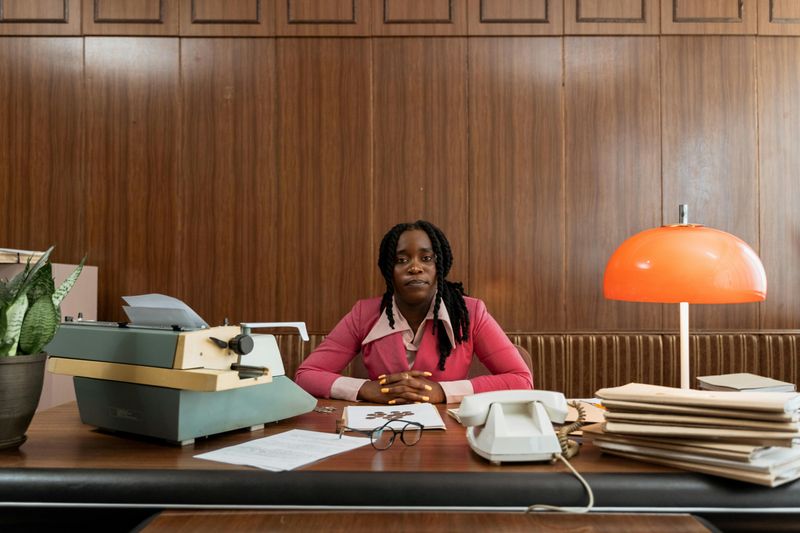
Nancy was a sweetheart name during the Baby Boom, ranking consistently among the top choices for girls.
Originally a diminutive of Anne, meaning grace, Nancy became a standalone favorite.
The name had a cheerful, friendly quality that matched the optimistic spirit of post-war America.
Women named Nancy today often remember poodle skirts, sock hops, and the excitement of early television.
It was the kind of name that felt both approachable and respectable, perfect for the suburban ideal.
While less common now, Nancy remains a nostalgic reminder of mid-century American life.
12. Richard

Richard was a top contender for baby boys throughout the entire Baby Boom period.
Meaning brave ruler in Germanic languages, it had a strong, authoritative sound that parents appreciated.
The name offered multiple nickname possibilities—Dick, Rich, Richie, or Rick—making it adaptable to different personalities.
Richards from this generation grew up during the golden age of American manufacturing and economic prosperity.
The name carried a sense of reliability and traditional masculinity that defined the era.
Today, meeting a Richard in his seventies connects you to someone who witnessed the nation’s transformation firsthand.
13. Deborah
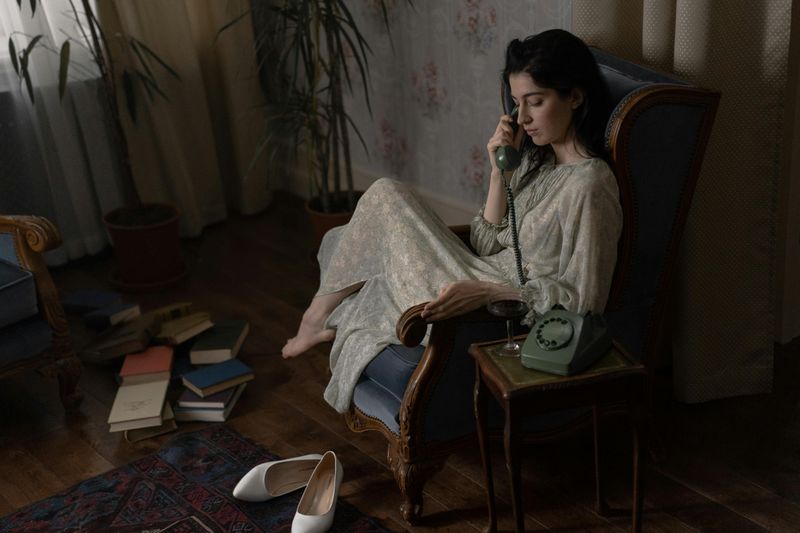
Deborah, meaning bee in Hebrew, buzzed its way to the top of name charts during the 1950s.
The name had biblical roots but felt fresh and modern to Baby Boomer parents.
Girls named Deborah often went by Debbie, Deb, or Debby, giving the name a friendly, approachable vibe.
Women with this name today remember watching American Bandstand and experimenting with beehive hairstyles.
The name captured a balance between tradition and modernity that defined the Boomer generation’s values.
While it has declined in recent decades, Deborah remains a distinctive marker of mid-century America.
14. Gary

Gary had a brief but intense moment of popularity during the Baby Boom years.
The name, meaning spear in Old English, had a rugged, masculine quality that appealed to post-war parents.
It peaked in the 1950s, making it a quintessential Boomer name that is rarely heard on younger generations.
Men named Gary today often recall childhoods filled with baseball games, comic books, and building model airplanes.
The name had a straightforward, no-nonsense quality that matched the practical sensibilities of the era.
Meeting a Gary today almost guarantees you are talking to someone from the Baby Boomer generation.
15. Sandra
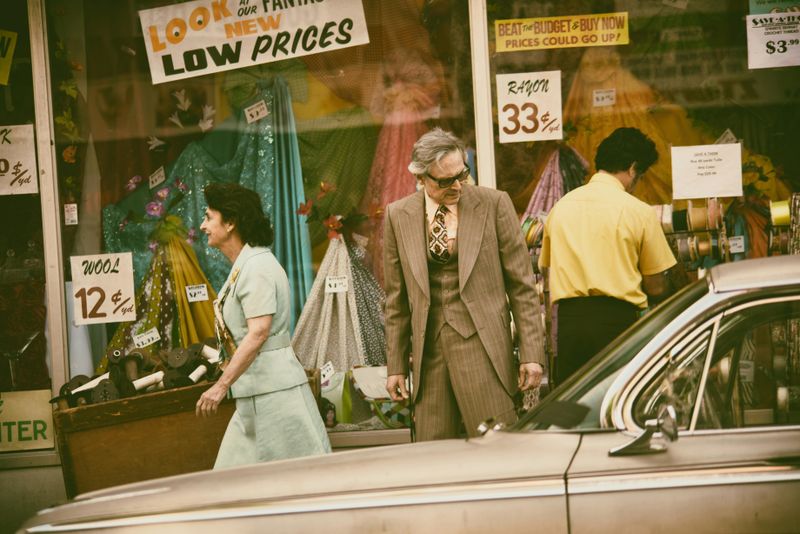
Sandra was a shortened version of Alexandra that became wildly popular during the Baby Boom.
Meaning defender of mankind in Greek, it had a strong yet feminine quality that resonated with parents.
The name offered cute nicknames like Sandy or Sandi, making it versatile and endearing.
Women named Sandra today often remember the excitement of Beatlemania and the fashion revolution of the 1960s.
It was a name that felt both classic and contemporary, perfectly suited to the changing times.
While less common now, Sandra remains an unmistakable sign of Boomer heritage and mid-century American culture.
16. Donna

Donna was everywhere in the Baby Boomer years, especially during the late 1950s and early 1960s, when it felt fresh, stylish, and unmistakably modern.
It comes from the Italian word for lady, which gave it a polished, feminine charm that parents absolutely loved at the time.
While you do not hear it as often for babies now, Donna still instantly evokes a certain generation, alongside sock hops, suburban neighborhoods, and the postwar optimism that shaped so many family name choices.
For decades, it sat near the top of popularity charts, making it one of those names that now sounds warmly familiar rather than newly trendy.
17. Thomas

Thomas has deep roots and timeless appeal, but it was especially common among Baby Boomers, who grew up with classrooms full of Toms and Tommys.
Derived from an Aramaic name meaning twin, it carried a steady, dependable image that fit the buttoned-up, traditional naming habits of the era.
Even today, Thomas feels classic rather than dated, yet its peak popularity lands squarely in the Boomer years, when parents favored strong biblical names that sounded respectable, familiar, and built to last.
If your family tree includes more than one Thomas, that is hardly surprising, because the name remained a fixture for decades.