 MomSkoop
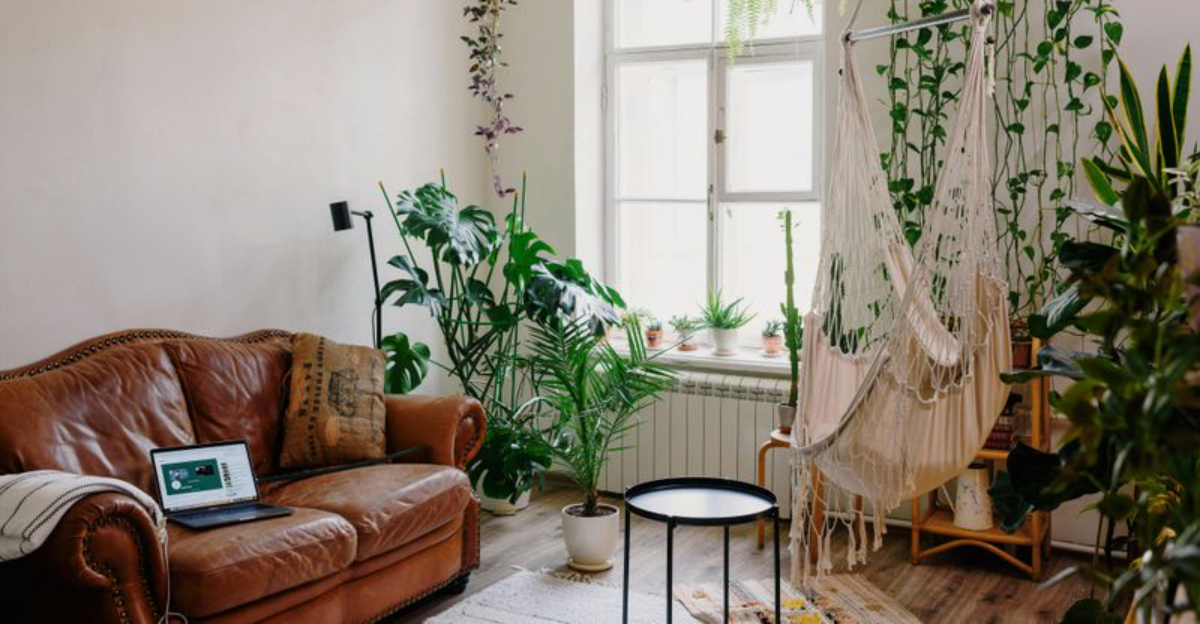
Your living room says more about you than you might think. Small choices—like how you arrange your furniture or what kind of lighting you pick—can make the difference between a space that feels thrown together and one that looks polished and intentional.
Refined taste isn’t about spending a fortune or following strict design rules. It’s about knowing which details matter most and making thoughtful decisions that create a room people want to spend time in.
1. Layered, Intentional Lighting
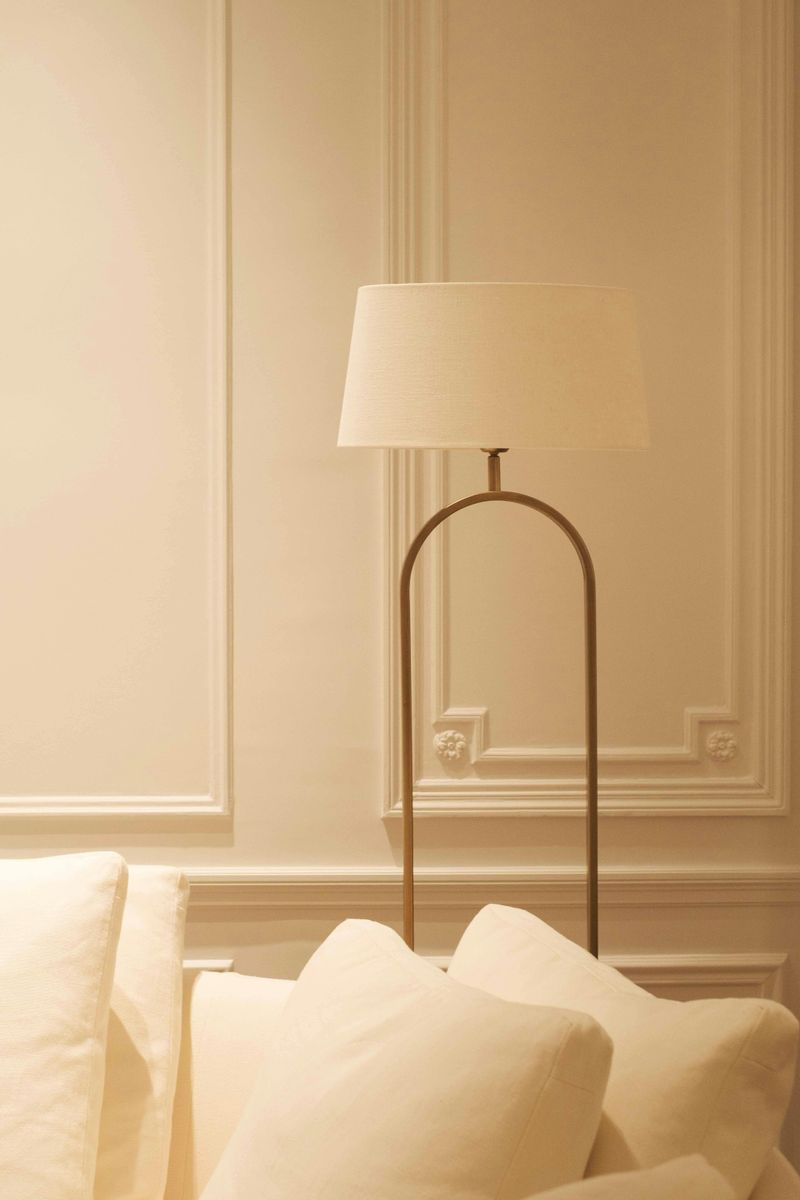
Walking into a room lit by just one ceiling fixture feels flat and uninviting.
Spaces with character blend different light sources to create warmth and depth.
Ambient lighting from ceiling fixtures sets the overall brightness, while task lighting like reading lamps helps you actually use the space.
Accent lights—think wall sconces or picture lights—draw attention to artwork or architectural features.
This combination gives you control over the mood, especially when evening arrives and you want something cozier than harsh overhead beams.
Quality dimmer switches make this even better, letting you adjust based on the time of day or activity.
2. Quality Upholstery Over Trendy Shapes
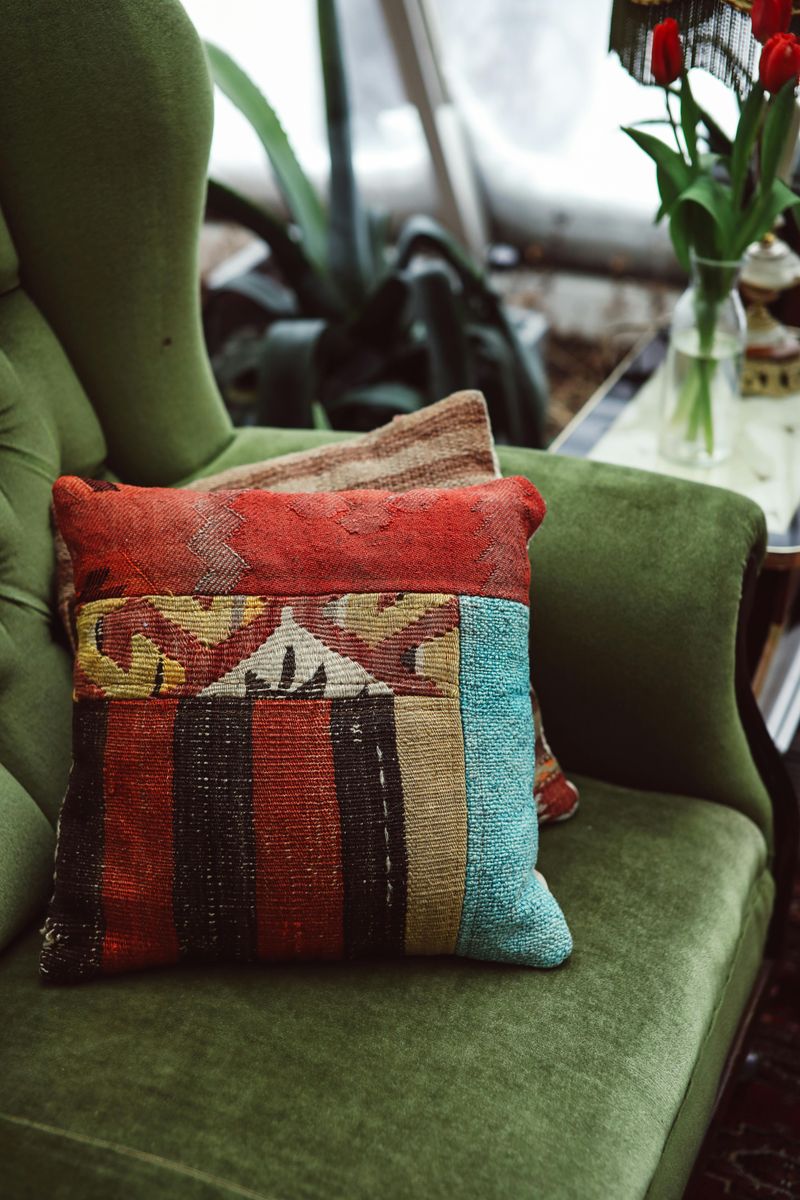
Fabric quality reveals itself immediately under natural light.
A sofa covered in genuine linen, wool, leather, or performance fabric ages gracefully and feels substantial to the touch.
Cheaper materials wrinkle awkwardly, develop pills after a few months, or develop an unnatural shine that screams synthetic.
While trendy shapes come and go with each season, well-chosen upholstery lasts years and maintains its appearance.
People with refined taste prioritize how something feels and wears over whether it matches this year’s catalog.
Investing in better materials means your furniture looks intentional rather than disposable, even as styles shift around you.
3. Thoughtful Furniture Spacing
Pushing every piece against the wall is a rookie mistake that makes rooms feel stiff.
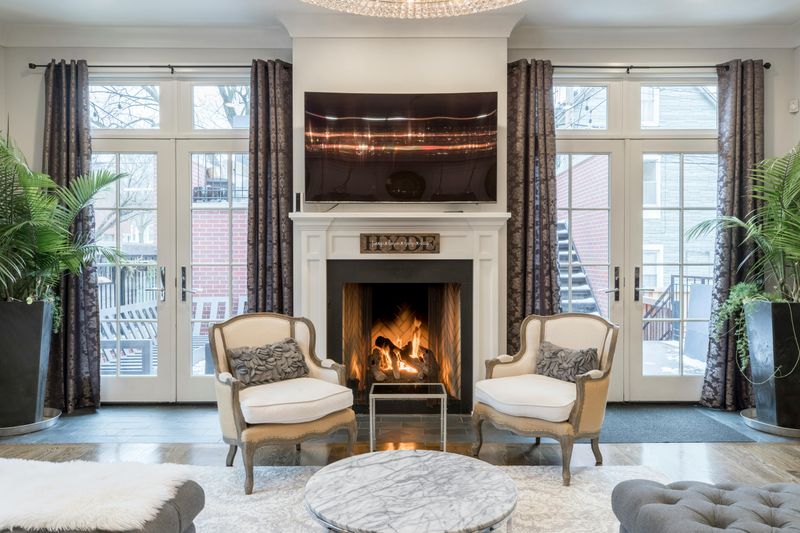
Refined spaces allow furniture to float, creating natural pathways and conversation zones.
Proper spacing means you can walk comfortably around pieces without squeezing through tight gaps.
It also prevents that crammed-together look where everything competes for attention.
When seating faces each other at a comfortable distance—usually around eight feet—conversation flows naturally.
This breathing room makes your living room feel composed and deliberate, like someone actually thought about how the space would be used rather than just filling it up with stuff.
4. Art That Feels Curated, Not Decorative
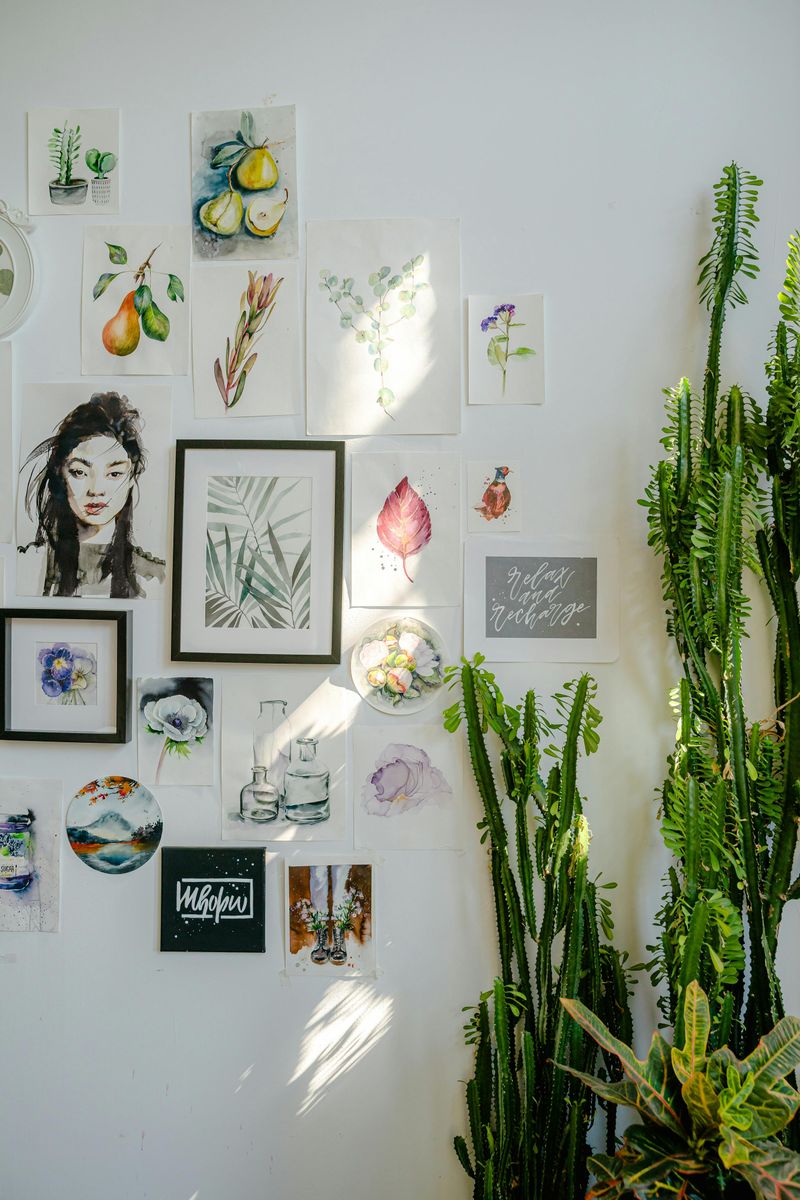
Generic prints chosen just to match your sofa color tell everyone you played it safe.
Original art, limited edition prints, or vintage photography—all properly framed—demonstrate confidence in your choices.
Refined taste leans toward fewer, more meaningful pieces that actually say something.
These might be works from local artists, family photographs treated with care, or prints you collected during travels.
What matters is that each piece feels intentional rather than picked from a home goods store because it had the right colors.
Quality framing elevates even modest pieces, while mass-produced canvas prints rarely survive scrutiny from anyone paying attention.
5. A Restrained, Layered Color Palette
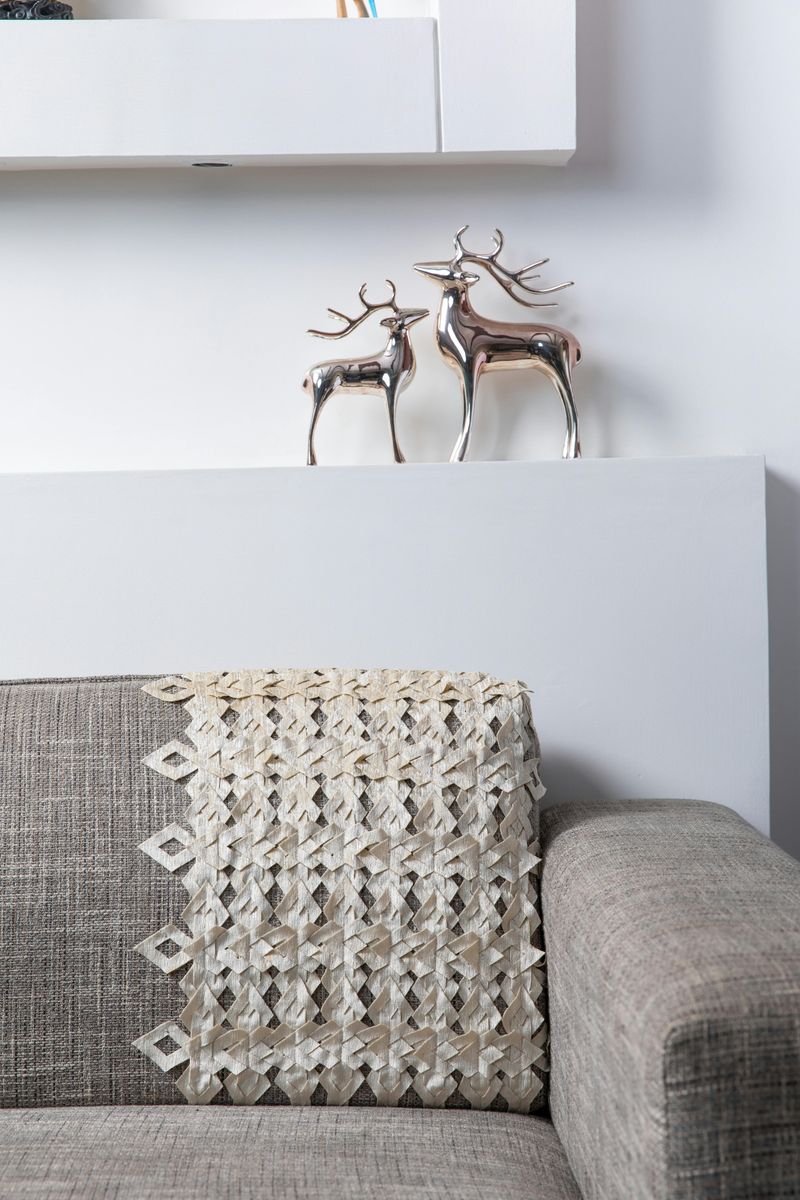
Loud color contrasts often overwhelm rather than impress.
Refined rooms work within a tight palette—frequently neutrals—then build visual interest through subtle variations.
Warm whites play against soft grays, muted earth tones echo across throw pillows and rugs.
This approach creates cohesion without boring repetition.
Gentle color repetition ties the space together, making everything feel related without looking matchy-matchy.
When you do introduce bolder shades, they register as intentional accents rather than random pops.
This restraint signals confidence because it proves you don’t need loud colors to make a space interesting or memorable.
6. Comfort With Negative Space
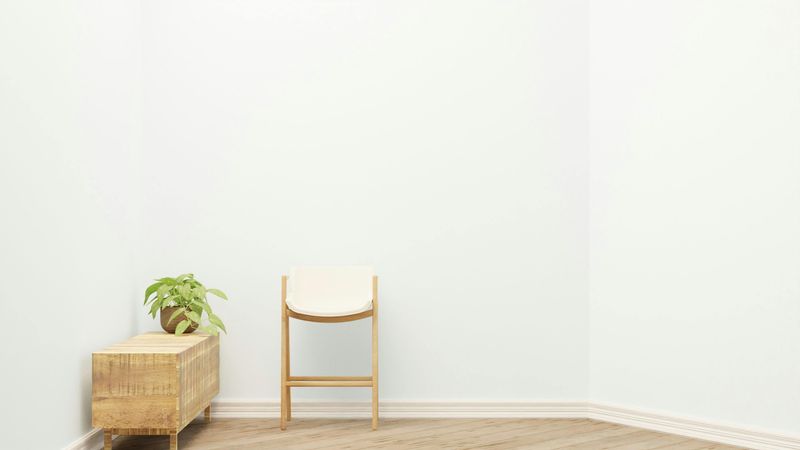
Empty corners don’t need fixing.
True taste embraces negative space as an active design choice rather than something requiring a plant or side table.
Leaving areas open allows standout pieces to actually stand out instead of competing with clutter.
This breathing room creates a calm, confident presence that feels effortless.
Over-decorating usually signals uncertainty—like you’re trying too hard to prove the space is finished.
Refined rooms resist the urge to fill every surface and corner.
When you’re comfortable with emptiness, your space gains a quiet sophistication that busy rooms can never achieve, no matter how expensive their accessories.
7. Elevated Surfaces and Styling

Coffee tables and side tables deserve more thought than they typically receive.
Natural stone, solid wood, or substantial metal surfaces feel deliberate and permanent compared to lightweight alternatives.
Weight matters—literally.
Heavier materials signal quality and longevity.
How you style these surfaces matters equally.
Refined taste keeps it minimal: perhaps a small stack of beautiful books, one sculptural object, maybe a natural element like a branch or stone.
Overcrowded surfaces covered in trinkets, coasters, and random objects look chaotic rather than collected.
When every item earns its place, your styling looks intentional rather than accidental.
8. Layered Materials and Textures
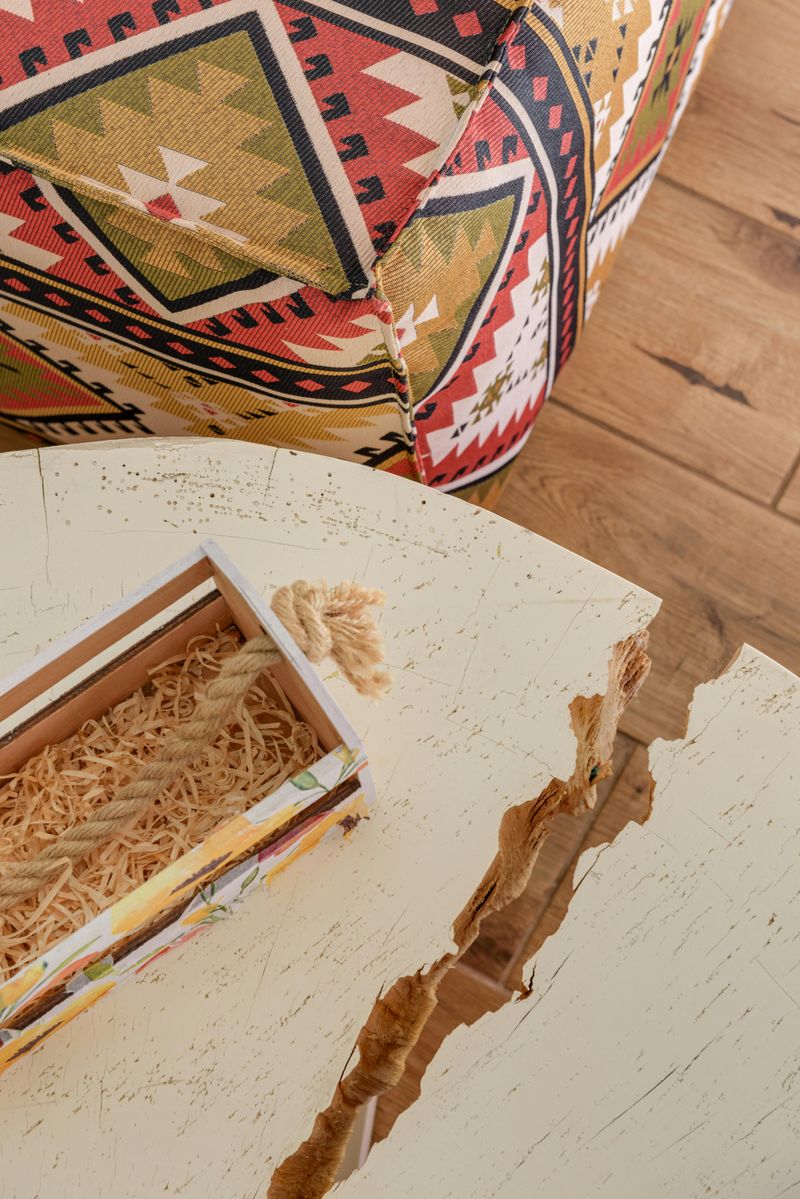
Visual interest comes from contrast, not color alone.
Soft upholstery gains impact when placed against hard stone or metal.
Matte finishes become more noticeable when paired with subtle shine.
Rough textures feel richer beside smooth ones.
This tactile interplay creates depth without adding visual noise or clutter.
Refined spaces layer these material contrasts thoughtfully—a velvet pillow on a leather chair, a wool rug under a glass table, linen curtains framing wooden shutters.
Each pairing enhances the other, creating richness that monochromatic or single-texture rooms can’t match, regardless of their color schemes or furniture costs.