 MomSkoop

Many men carry silent burdens, hiding parts of themselves to avoid criticism or misunderstanding. Society often expects men to appear strong and unshaken, which can make vulnerability feel risky. This pressure leads them to keep certain struggles and feelings locked away, even from those closest to them. Understanding what men keep private can help us create more supportive spaces where everyone feels safe to be authentic.
1. Emotional Vulnerability

Sadness, fear, and loneliness are normal human experiences, yet many men feel they must hide these emotions.
From a young age, boys often hear messages like “man up” or “don’t cry,” which teaches them that showing feelings equals weakness.
This conditioning creates adults who bottle up their emotions rather than expressing them healthily.
Over time, suppressing feelings can lead to emotional exhaustion and difficulty connecting with others on a deeper level.
Men worry that revealing their tender side might make them seem less capable or masculine in the eyes of friends, partners, or colleagues.
Creating safe spaces where emotions are welcomed without judgment helps everyone live more authentically and builds stronger, more honest relationships.
2. Mental Health Struggles

Anxiety, depression, and burnout affect millions of men, yet talking about mental health remains taboo for many.
The stigma around seeking help runs deep, with some viewing therapy or medication as signs of personal failure.
Men often fear that admitting to mental health challenges will damage their reputation at work or make them seem unreliable to family members.
This silence can be dangerous, as untreated mental health issues often worsen over time and affect every aspect of life.
The truth is that seeking support demonstrates strength and self-awareness, not weakness.
Normalizing conversations about mental wellness and encouraging professional help can literally save lives and improve quality of life dramatically.
3. Body Image Insecurities
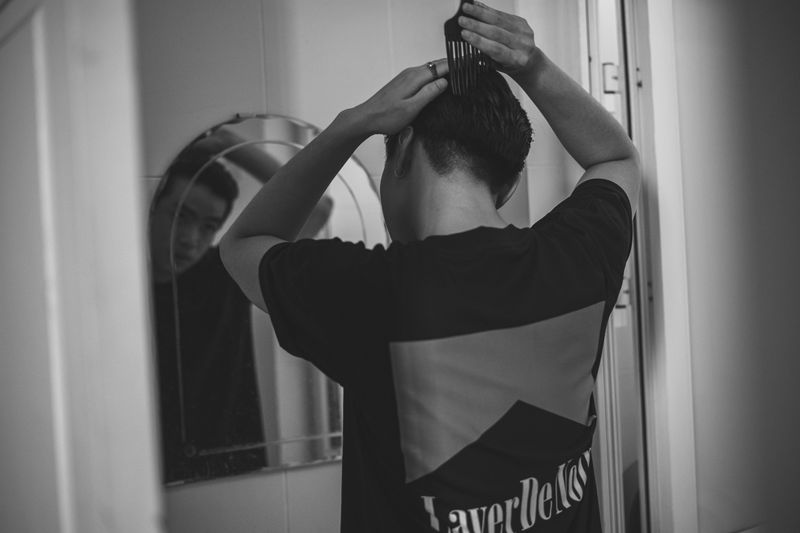
Height, weight, muscle definition, hair loss, and aging all spark insecurity in men, though they rarely discuss it openly.
Media constantly presents idealized male bodies that few can naturally achieve, creating unrealistic standards.
Men compare themselves to actors, athletes, and filtered social media images, feeling inadequate when they don’t measure up.
Hair loss particularly affects confidence, with some men spending thousands on treatments or feeling embarrassed about their changing appearance.
Society tends to dismiss male body image concerns as trivial or vain, which only deepens the shame around admitting these worries.
Recognizing that appearance anxieties are valid regardless of gender helps men feel less alone in their struggles.
4. Financial Stress

Debt, income worries, and the pressure to be a provider weigh heavily on many men’s minds daily.
Traditional gender roles often place financial responsibility primarily on men’s shoulders, creating intense pressure to earn enough and maintain stability.
When money gets tight, men may feel they’re failing their families, even when circumstances are beyond their control.
Credit card debt, student loans, or unexpected expenses can trigger shame that prevents honest conversations about budgeting or needing assistance.
The fear of appearing financially unsuccessful keeps many men silent about their struggles, leading to isolation during already stressful times.
Open communication about money challenges can strengthen relationships and lead to collaborative solutions.
5. Fear of Failure
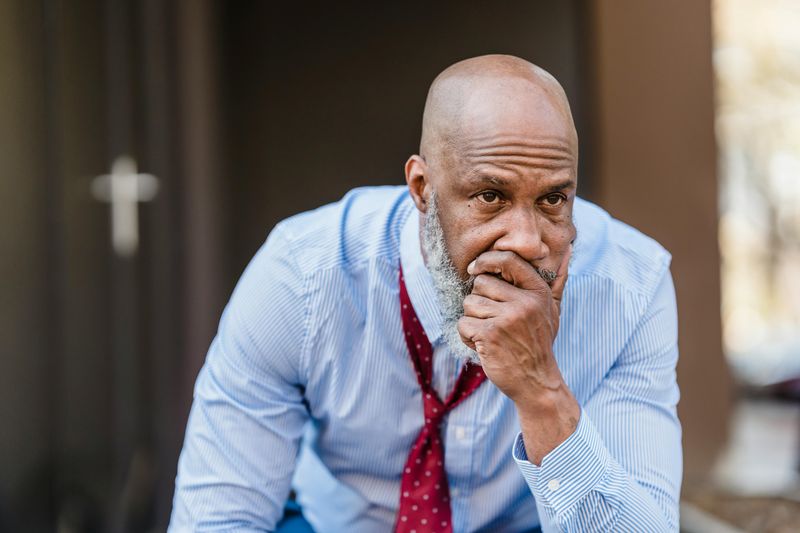
Career setbacks, relationship difficulties, and uncertainty about life direction create doubts that men often hide from others.
The expectation to have everything figured out makes admitting confusion or fear feel like admitting incompetence.
Men worry that expressing doubts about their career path or acknowledging mistakes will diminish how others view their capabilities.
This fear becomes especially intense during major life transitions like job changes, starting businesses, or relationship challenges.
The pressure to project confidence even when feeling lost inside creates exhausting internal conflict.
Sharing uncertainties with trusted friends or mentors can provide perspective and reveal that everyone experiences doubt, making the journey feel less isolating and more manageable.
6. Relationship Needs

Desiring affection, reassurance, and emotional closeness are needs that men sometimes struggle to voice to their partners.
Cultural narratives often portray men as naturally independent and less emotionally needy, which isn’t accurate for most people.
Men crave connection, physical touch, and verbal affirmation just as much as anyone else, but expressing these needs can feel vulnerable.
Some worry that asking for more affection might seem needy or burden their partner with additional emotional labor.
This silence can create distance in relationships when partners don’t realize what’s missing.
Communicating desires clearly and without shame strengthens intimacy and helps partners understand how to support each other better in the relationship.
7. Past Mistakes and Regrets

Everyone makes decisions they later regret, but men often carry shame about past choices in silence.
Whether it’s a failed business venture, a broken friendship, or hurtful words said in anger, these memories can haunt someone for years.
Men sometimes believe they should have known better or been stronger, turning regret into self-punishment.
The fear of judgment prevents them from discussing these experiences, even though talking about mistakes is how we process and learn from them.
Keeping regrets locked inside only amplifies their power and prevents healing.
Sharing past struggles with understanding listeners can bring relief, perspective, and the realization that mistakes are universal parts of the human experience.
8. Sexual Insecurities

Performance anxiety, lack of experience, and personal preferences are topics many men find extremely difficult to discuss openly.
Societal expectations around male sexuality create pressure to always be confident, experienced, and ready, which doesn’t reflect reality for many.
Concerns about satisfying a partner, body function, or simply not knowing what to do can create significant stress.
Men worry that admitting sexual uncertainty will make them seem less masculine or desirable to potential or current partners.
This silence prevents important conversations that could actually improve intimacy and connection.
Honest communication about desires, concerns, and boundaries creates healthier sexual relationships where both partners feel heard, respected, and satisfied.
9. Feeling Overwhelmed

Pressure from work deadlines, family responsibilities, and social expectations can pile up until men feel completely swamped.
The expectation to handle everything without complaint makes admitting overwhelm feel like admitting failure.
Men juggle demanding careers, household duties, parenting, and maintaining relationships, often without acknowledging when it becomes too much.
This constant pressure without relief leads to exhaustion, irritability, and decreased performance in all areas of life.
Admitting that the load is too heavy feels risky when you’re supposed to be the strong, capable one.
Recognizing limits and asking for help or adjustments isn’t weakness—it’s smart self-management that prevents burnout and preserves long-term wellbeing.
10. Reluctance to Ask for Help

Whether it’s directions, professional guidance, or emotional support, many men struggle with asking others for assistance.
Self-reliance is often praised as a masculine virtue, which can make requesting help feel like admitting inadequacy.
Men sometimes view needing guidance as a personal shortcoming rather than a normal part of learning and growing.
This reluctance extends across all life areas—from refusing to see doctors to avoiding career mentorship to struggling alone with personal problems.
The irony is that seeking help usually leads to better outcomes and faster solutions than struggling alone.
Understanding that collaboration and support-seeking are signs of wisdom, not weakness, can transform how men approach challenges and improve their overall quality of life.
11. Identity and Purpose Uncertainty

Questioning who you are and what you truly want from life is something many men experience but rarely admit publicly.
Society expects men to have clear goals and unwavering direction, making existential uncertainty feel like a character flaw.
Men may wonder if they chose the right career, whether they’re living authentically, or what truly brings them fulfillment.
These deep questions can surface during midlife or after major life changes, creating confusion when you’re supposed to have everything figured out.
The fear of appearing lost or directionless keeps these thoughts private, even though such reflection is actually healthy.
Exploring identity and purpose is a lifelong journey, and embracing uncertainty as part of growth leads to more authentic, satisfying lives.