 MomSkoop

Most musicians dream of landing just one major hit song that rockets them to fame. But what happens when the spotlight fades and the music stops playing?
Some artists who scored massive one-hit wonders decided to trade their microphones for completely different careers, finding success in unexpected places.
From business ventures to broadcasting, these talented individuals proved that life after a chart-topping single can be just as rewarding as the fame itself.
1. Linda Perry – 4 Non Blondes (‘What’s Up?’)
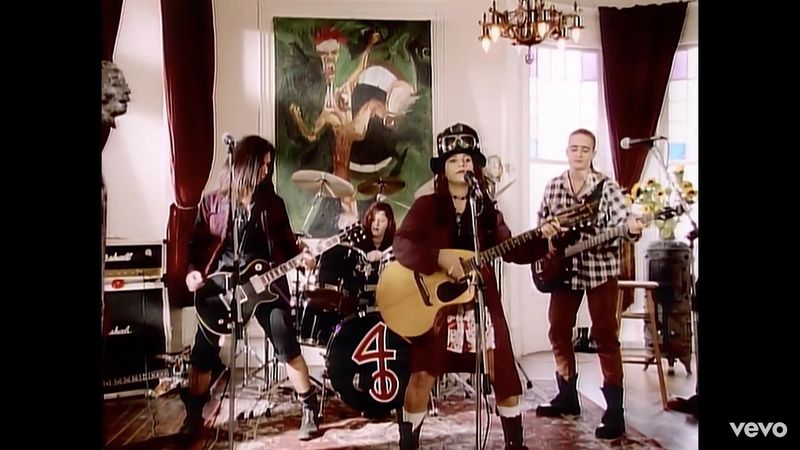
When ‘What’s Up?’ exploded onto radio stations in 1993, Linda Perry became an overnight sensation with 4 Non Blondes.
The powerful anthem climbed charts worldwide, but the band dissolved shortly after.
Rather than fading away, Perry reinvented herself as one of music’s most successful songwriters and producers.
She penned massive hits for Christina Aguilera, Pink, and Gwen Stefani, earning Grammy nominations and millions in royalties.
Perry founded her own record label, Custard Records, discovering and nurturing new talent.
Her behind-the-scenes work has arguably made a bigger impact than her performing career ever did.
Today, she’s considered a music industry powerhouse, proving that sometimes the real success comes from helping others shine.
2. Joe Budden (‘Pump It Up’)
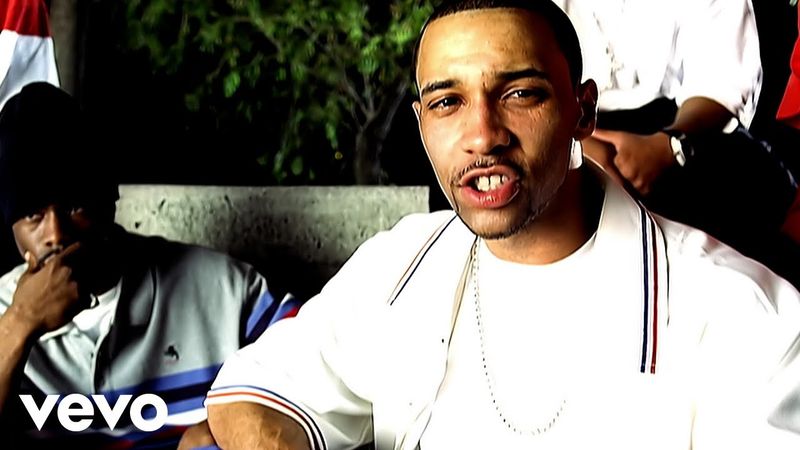
Back in 2003, Joe Budden’s club banger ‘Pump It Up’ dominated airwaves and became an instant party anthem.
Despite the song’s success, Budden struggled to replicate that commercial breakthrough with subsequent releases.
His music career took unexpected turns, but Budden discovered his true calling in media and broadcasting.
He launched ‘The Joe Budden Podcast,’ which became one of hip-hop’s most influential and controversial platforms.
His unfiltered commentary on music industry drama attracted millions of loyal listeners.
Budden signed lucrative deals with streaming platforms, earning far more than his music ever generated.
His transition from rapper to media mogul shows how authenticity and personality can create entirely new career paths beyond performing.
3. Gerardo Mejía (‘Rico Suave’)
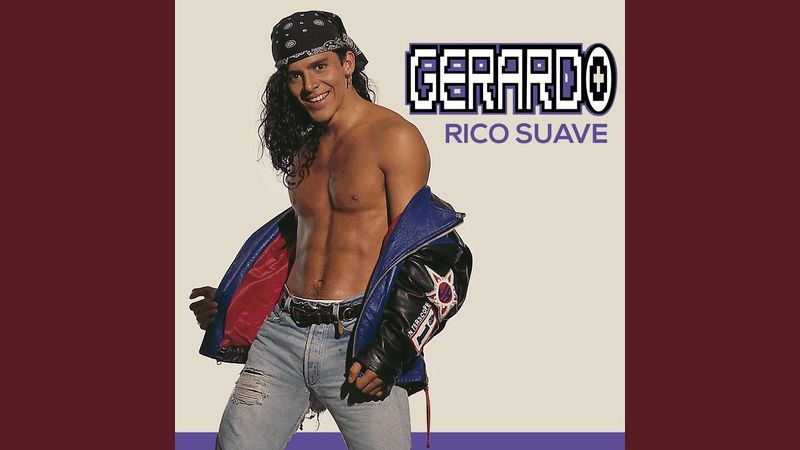
Remember that irresistibly catchy ‘Rico Suave’ that defined early 90s pop culture?
Gerardo Mejía rode that wave to brief superstardom before the music industry moved on.
Instead of chasing another hit, Mejía pivoted toward entrepreneurship and entertainment management.
He founded Interscope Records’ Latin division and worked with major artists as a talent manager and producer.
Mejía also appeared on reality television, including ‘Celebrity Wife Swap,’ keeping himself relevant in entertainment.
His business ventures expanded into marketing and brand development for Latino artists.
Gerardo transformed his brief fame into lasting influence, building an impressive portfolio that extends far beyond his one memorable song.
4. Chamillionaire (‘Ridin”)
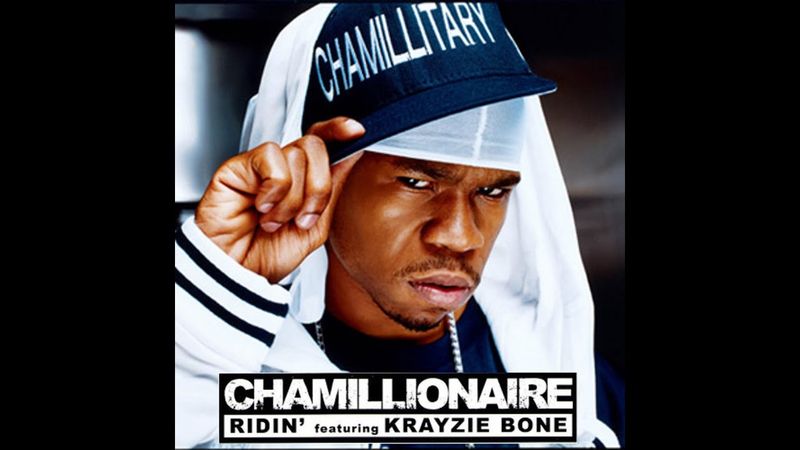
Chamillionaire’s ‘Ridin” featuring Krayzie Bone won a Grammy and became 2006’s unavoidable anthem.
The Houston rapper seemed destined for continued chart dominance, but he had different plans.
Chamillionaire quietly shifted his focus to technology investments and entrepreneurship.
He became an early investor in companies like Lyft, making millions from smart tech bets.
His transition into Silicon Valley surprised many, but his business acumen proved exceptional.
Chamillionaire now speaks at major tech conferences, sharing insights on innovation and investment strategies.
He’s proof that rappers can successfully navigate corporate America and build wealth beyond album sales and concert tours, creating generational financial security.
5. Cee Lo Green – Gnarls Barkley (‘Crazy’)
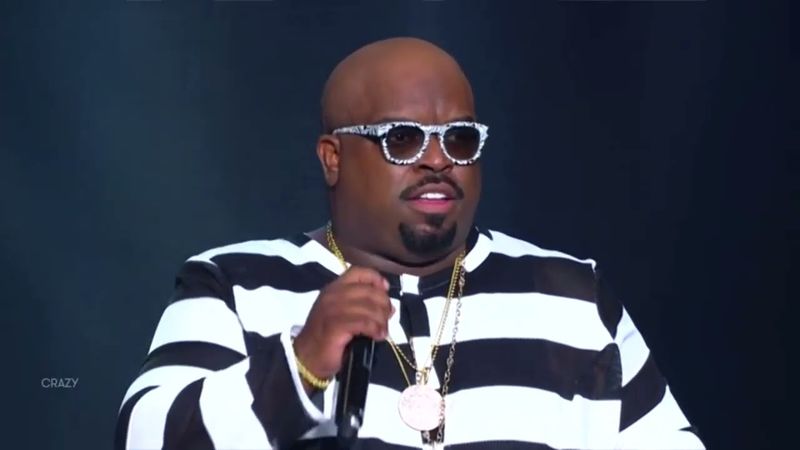
Did you know ‘Crazy’ became the first song to top UK charts based solely on download sales?
Cee Lo Green’s collaboration with Danger Mouse as Gnarls Barkley created 2006’s defining moment.
While already established in music circles, this crossover hit opened unexpected doors.
Green leveraged his charismatic personality into a successful television career as a coach on ‘The Voice.’
His colorful wardrobe and genuine mentorship made him a fan favorite for multiple seasons.
He also voiced characters in animated films and appeared in various television shows.
Green’s larger-than-life personality translated perfectly to television, proving that musical talent combined with authentic character creates opportunities across entertainment platforms.
6. Colleen Fitzpatrick – Vitamin C (‘Graduation (Friends Forever)’)

Every graduation ceremony in the late 90s featured Vitamin C’s emotional anthem ‘Graduation (Friends Forever).’
Colleen Fitzpatrick captured a generation’s bittersweet feelings about leaving high school behind.
After her pop career cooled, Fitzpatrick transitioned into music supervision for film and television.
She worked on major projects, selecting and licensing songs that enhanced storytelling.
Her understanding of how music creates emotional connections made her invaluable to productions.
Fitzpatrick also continued songwriting for other artists, applying her pop sensibilities behind the scenes.
Her career evolution demonstrates how performers can leverage industry knowledge into sustainable, creative careers that don’t require being in front of cameras or audiences constantly.
7. Meredith Brooks (‘B—-‘)
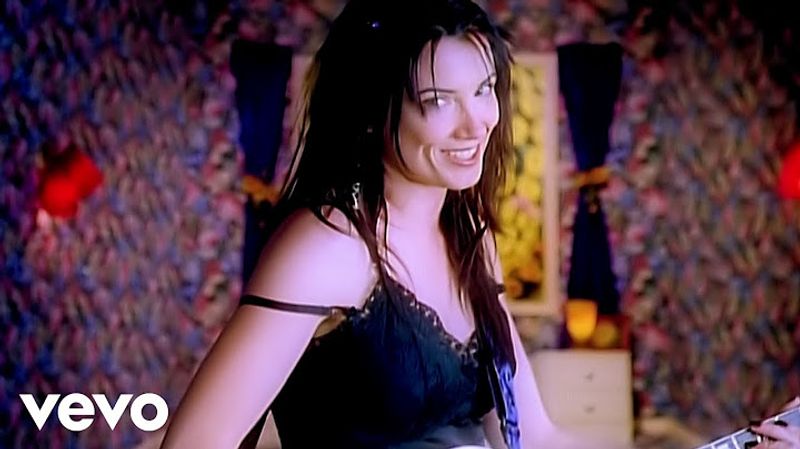
With raw honesty and a killer guitar riff, Meredith Brooks’ 1997 hit ‘B—-‘ resonated with women everywhere.
The song celebrated female complexity and became an empowerment anthem for millions.
Though she released other albums, Brooks never matched that commercial peak.
She redirected her energy toward composing music for television shows and films.
Brooks also became a sought-after songwriter, collaborating with artists across multiple genres.
Her guitar skills and compositional abilities kept her working steadily in entertainment.
Additionally, Brooks mentors young female musicians, encouraging them to maintain artistic integrity while navigating the challenging music business landscape and building sustainable careers.
8. Chumbawamba (‘Tubthumping’)

You probably sang along to ‘Tubthumping’ countless times: ‘I get knocked down, but I get up again!’
Chumbawamba’s 1997 anthem became a worldwide phenomenon, playing everywhere from sports arenas to commercials.
Ironically, this anarchist punk band never wanted mainstream success.
After disbanding in 2012, members returned to their activist roots and community organizing.
They participated in political protests, environmental causes, and social justice movements.
Several members pursued careers in education and nonprofit work.
Their story represents staying true to core values despite temporary commercial success, using their platform and resources to support causes they genuinely believed in throughout their entire existence.
9. Angie Martinez (‘If I Could Go’)

Angie Martinez’s 2002 collaboration with Sacario on ‘If I Could Go’ climbed hip-hop charts quickly.
While she enjoyed the success, Martinez already had established herself in another arena entirely.
She was simultaneously building a legendary career as ‘The Voice of New York’ radio personality.
Martinez hosted influential shows on Hot 97 and later Power 105.1 FM.
Her interviews with hip-hop’s biggest stars became must-listen moments.
She authored a memoir and appeared in films, expanding her entertainment presence.
Martinez proved that radio broadcasting could provide more longevity and influence than recording artist careers, becoming an essential voice in hip-hop culture for decades.
10. Devo (‘Whip It’)
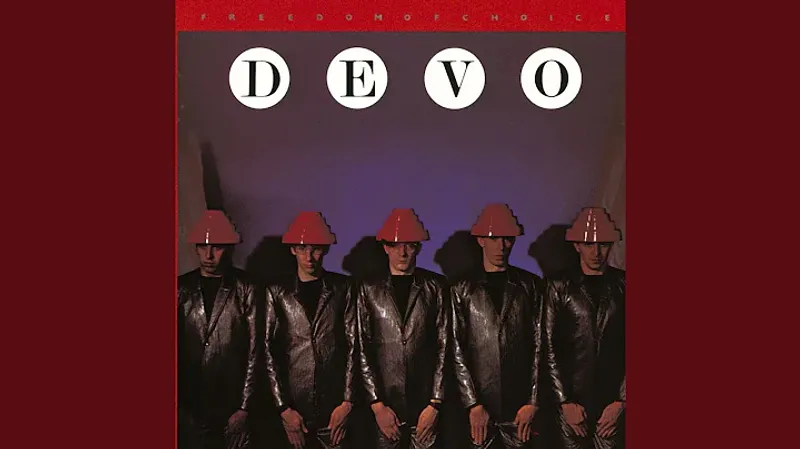
Devo’s quirky 1980 hit ‘Whip It’ featured those unforgettable red energy dome hats.
The song’s new wave sound and bizarre video made them MTV icons.
Band members Mark Mothersbaugh and Gerald Casale later became successful commercial directors and composers.
Mothersbaugh scored numerous films and television shows, including ‘Rugrats’ and Wes Anderson movies.
He founded Mutato Muzika, a successful music production company.
Casale directed music videos and commercials, applying Devo’s distinctive visual style.
Their avant-garde artistic sensibilities translated perfectly into multimedia creative work, demonstrating how experimental musicians can thrive in commercial art and entertainment production fields beyond traditional performing.