 MomSkoop

Your arteries work hard every day to keep blood flowing smoothly throughout your body, delivering oxygen and nutrients to every cell. When they get clogged with plaque, your heart has to work overtime, which can lead to serious problems down the road.
The good news is that what you eat can make a real difference in keeping those vital pathways clear and healthy. Here are twelve foods that heart doctors themselves often recommend adding to your plate for better artery health.
1. Fish

Salmon, mackerel, and sardines pack a powerful punch when it comes to protecting your cardiovascular system.
These swimmers are loaded with omega-3 fatty acids, special fats that help reduce inflammation throughout your body, including inside your artery walls.
Studies show that people who eat fish regularly tend to have lower levels of triglycerides, a type of fat in the blood that can contribute to plaque buildup.
Aim for at least two servings per week to get the maximum benefit.
Grilling, baking, or poaching are healthier cooking methods than frying.
If you’re not a fan of fishy flavors, try milder options like cod or tilapia, which still offer heart benefits.
2. Oats

Starting your morning with a warm bowl of oatmeal does more than just fill your stomach.
Oats contain a special type of fiber called beta-glucan, which acts like a sponge in your digestive system, soaking up cholesterol before it enters your bloodstream.
Lower cholesterol means less material available to form those dangerous plaques inside your arteries.
Regular oat eaters often see their LDL cholesterol drop by five to ten percent within just a few weeks.
Steel-cut oats and rolled oats both work well, though instant varieties with added sugar should be avoided.
Top your bowl with fresh fruit and a sprinkle of cinnamon for extra flavor without compromising health benefits.
3. Lentils

These tiny legumes might look humble, but they’re nutritional powerhouses for your circulatory system.
Lentils are bursting with soluble fiber, which helps sweep cholesterol out of your body before it causes trouble.
They’re also rich in folate and magnesium, nutrients that support healthy blood pressure levels and proper blood vessel function.
Unlike many protein sources, lentils contain virtually no saturated fat, making them an excellent meat substitute.
A single cup provides about eighteen grams of protein along with a hefty dose of potassium.
Try adding them to soups, salads, or even making veggie burgers for a heart-smart meal that’s both filling and delicious.
4. Avocados
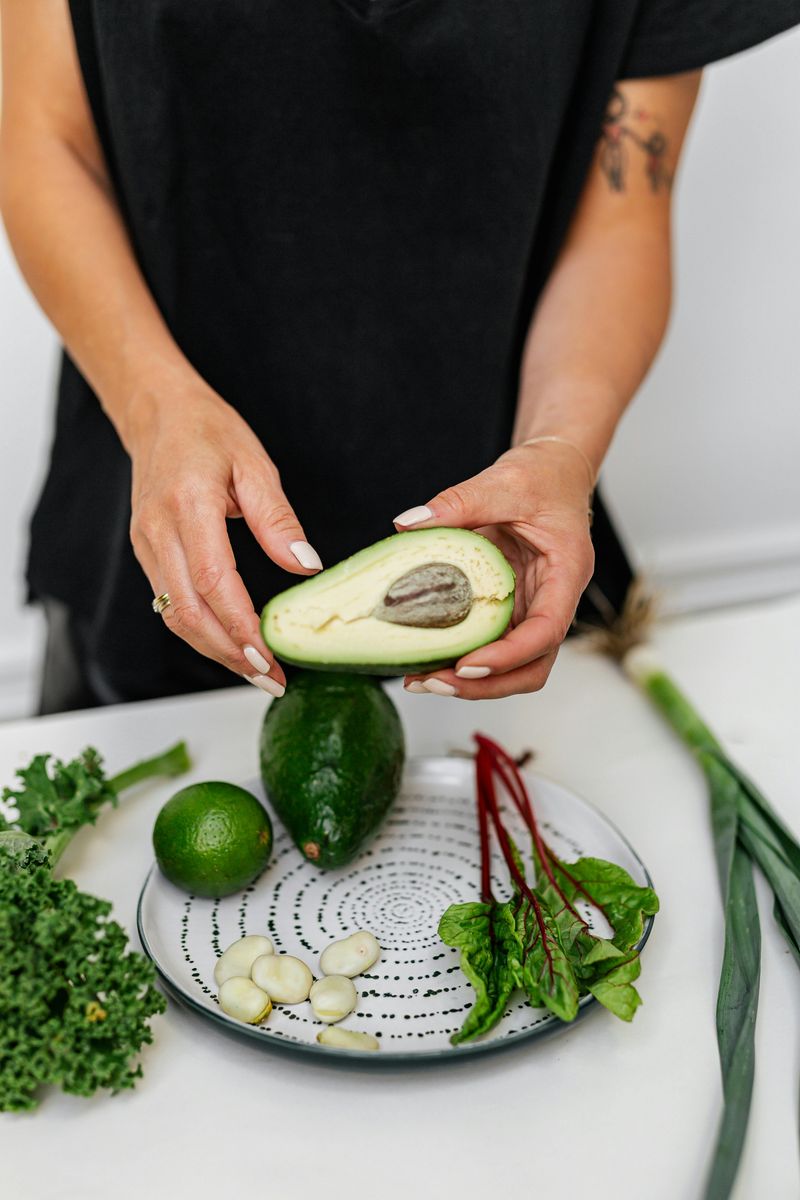
Creamy, satisfying, and surprisingly good for your heart, avocados deserve their superfood status.
They’re packed with monounsaturated fats, the same heart-friendly fats found in olive oil that help lower bad cholesterol while maintaining good cholesterol levels.
Research suggests that eating one avocado daily can significantly improve cholesterol profiles in people who are overweight or obese.
Beyond the healthy fats, avocados provide potassium, which helps regulate blood pressure and counteracts the effects of too much sodium.
Spread some on whole-grain toast, toss chunks into salads, or blend into smoothies.
Just remember that while nutritious, avocados are calorie-dense, so portion control matters if you’re watching your weight.
5. Beans

Black beans, kidney beans, chickpeas, and their cousins all share an impressive ability to support cardiovascular wellness.
Like lentils, beans are fiber champions that help your body eliminate excess cholesterol efficiently.
They also contain resistant starch, a unique type of carbohydrate that feeds beneficial gut bacteria, which in turn produce compounds that protect your heart.
Studies have found that people who eat beans regularly have lower rates of heart disease compared to those who skip them.
Canned varieties work fine as long as you rinse them well to remove excess sodium.
Add them to tacos, chili, pasta dishes, or mash them into dips for a versatile ingredient that boosts any meal’s nutritional profile.
6. Pistachios
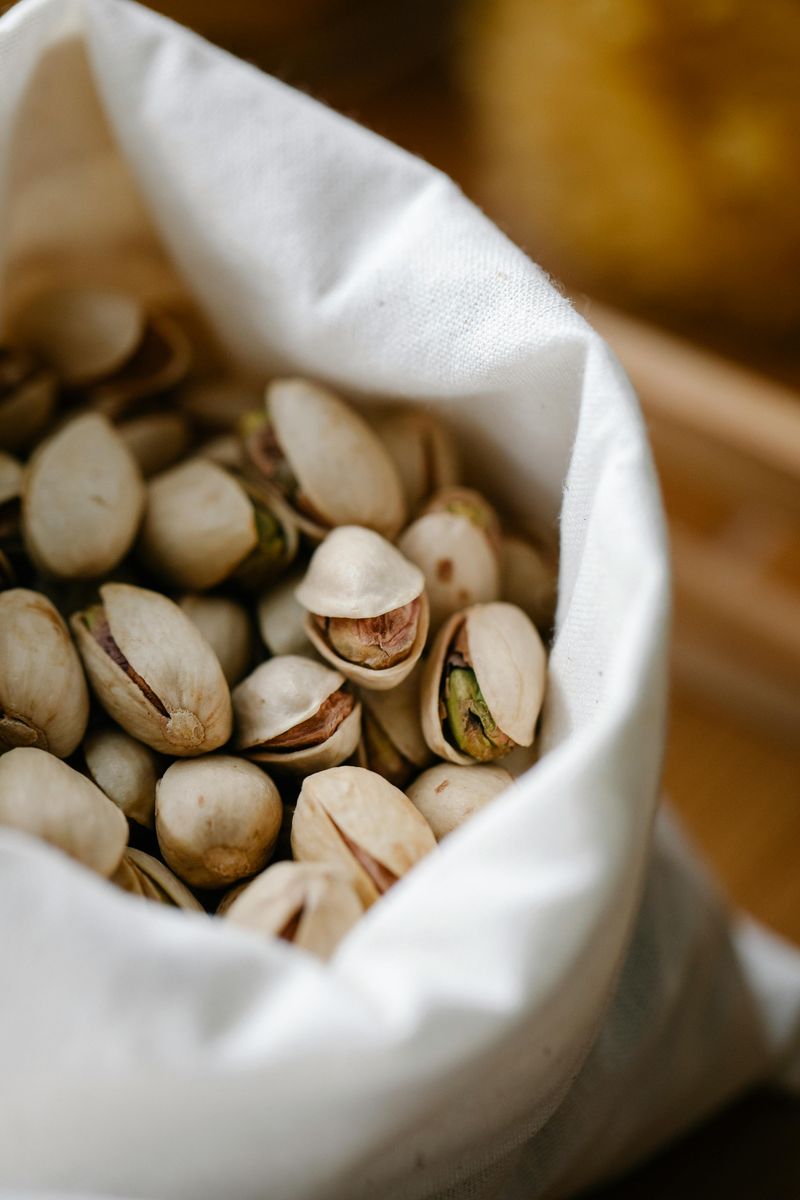
Among all the nuts cardiologists recommend, pistachios stand out for their particularly impressive heart benefits.
Research shows they can lower LDL cholesterol and improve the ratio of good to bad cholesterol better than many other nuts.
They’re also rich in antioxidants, especially lutein and gamma-tocopherol, which help prevent the oxidation of cholesterol that makes it more likely to stick to artery walls.
The act of shelling them yourself can actually be helpful, slowing down your eating and preventing overconsumption.
A serving is about forty-nine kernels, which provides healthy fats, protein, and fiber.
Choose unsalted varieties to avoid excess sodium, and enjoy them as a snack or sprinkled over salads and yogurt.
7. Broccoli
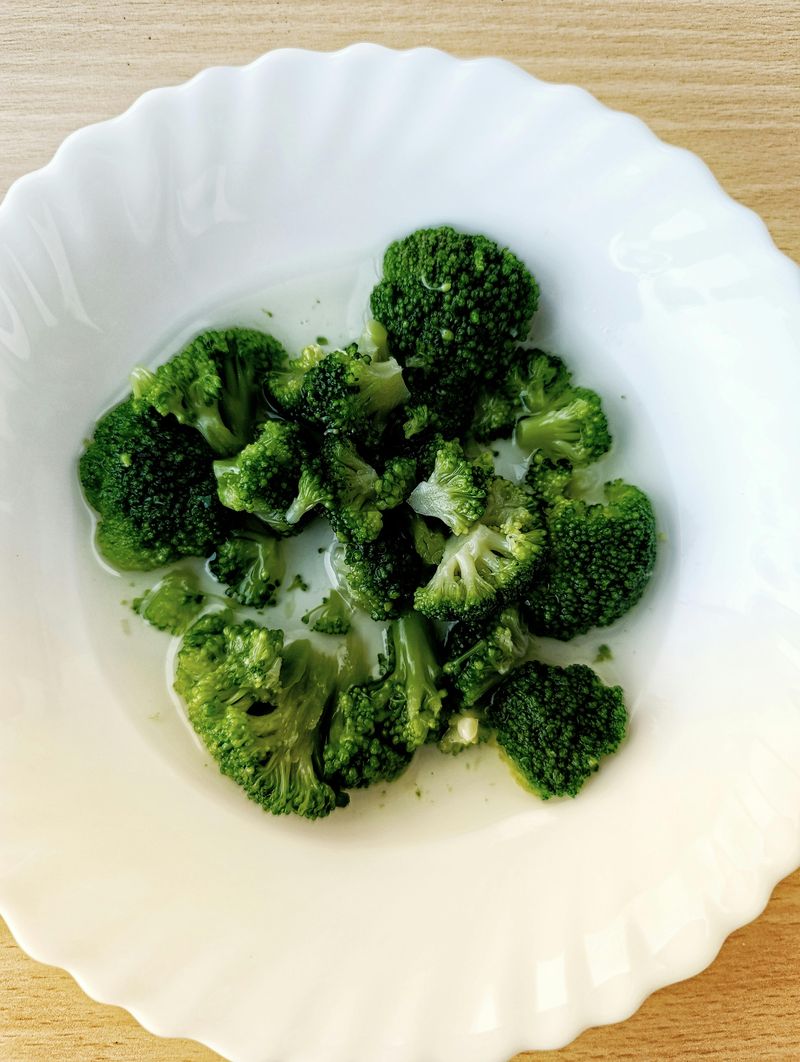
This green vegetable might not have been your favorite as a kid, but your arteries absolutely love it.
Broccoli contains sulforaphane, a powerful compound that helps prevent sugar from damaging blood vessel walls, a process that can lead to plaque formation.
It’s also loaded with fiber, vitamins K and C, and folate, all of which contribute to cardiovascular protection in different ways.
Some research suggests that people who eat cruciferous vegetables like broccoli regularly have cleaner, more flexible arteries.
Steaming preserves more nutrients than boiling, though raw broccoli in salads works great too.
If you’re not a fan of the taste, try roasting it with a little olive oil and garlic for a flavor transformation.
8. Turmeric
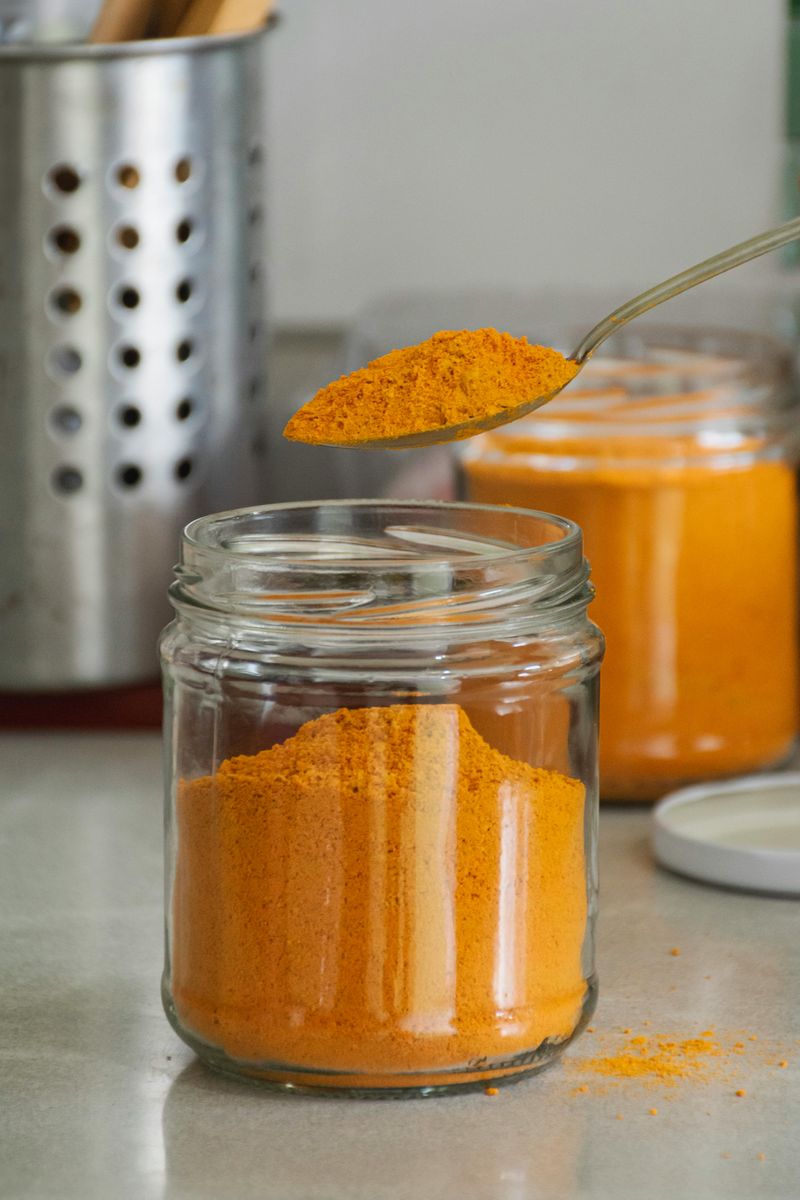
That bright yellow spice in curry dishes has been used in traditional medicine for thousands of years, and modern science is catching up.
Curcumin, the active compound in turmeric, has remarkable anti-inflammatory properties that help protect artery walls from damage.
Chronic inflammation plays a major role in atherosclerosis, the process where arteries become stiff and narrow.
Research indicates that curcumin may also prevent cholesterol oxidation and reduce plaque buildup in blood vessels.
The catch is that turmeric isn’t easily absorbed by your body on its own.
Combining it with black pepper increases absorption dramatically, so many supplements include both.
Add turmeric to soups, rice dishes, smoothies, or even warm milk for a soothing beverage.
9. Watermelon
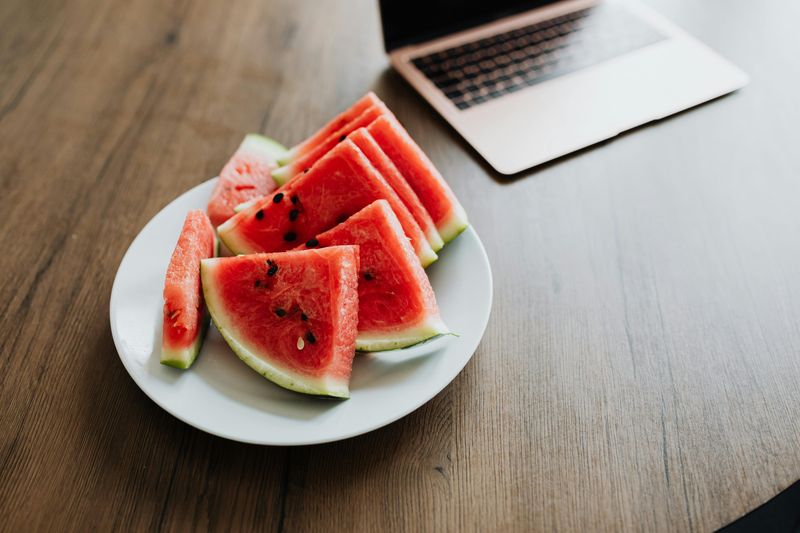
Nothing says summer like biting into a juicy slice of watermelon, and your cardiovascular system gets a treat too.
This refreshing fruit contains citrulline, an amino acid that your body converts to arginine, which helps blood vessels relax and improves circulation.
Better blood flow means less strain on artery walls and a reduced risk of high blood pressure.
Watermelon is also rich in lycopene, the same antioxidant found in tomatoes that gives them their red color and protects against arterial stiffness.
Despite its sweetness, watermelon has a relatively low calorie count and high water content, making it a guilt-free snack.
Enjoy it fresh, blend it into smoothies, or freeze chunks for a cool treat on hot days.
10. Wine

Moderate red wine consumption has long been associated with better heart health, particularly in Mediterranean cultures.
Red wine contains resveratrol and other polyphenols, antioxidants that may help protect artery linings and reduce inflammation.
Some studies suggest these compounds can increase HDL cholesterol and prevent blood clots from forming.
However, moderation is absolutely key here: that means one glass per day for women and up to two for men.
Drinking more than this amount can actually harm your heart and overall health, raising blood pressure and contributing to other problems.
If you don’t already drink alcohol, doctors don’t recommend starting just for heart benefits since you can get similar antioxidants from grape juice or eating grapes.
11. Asparagus
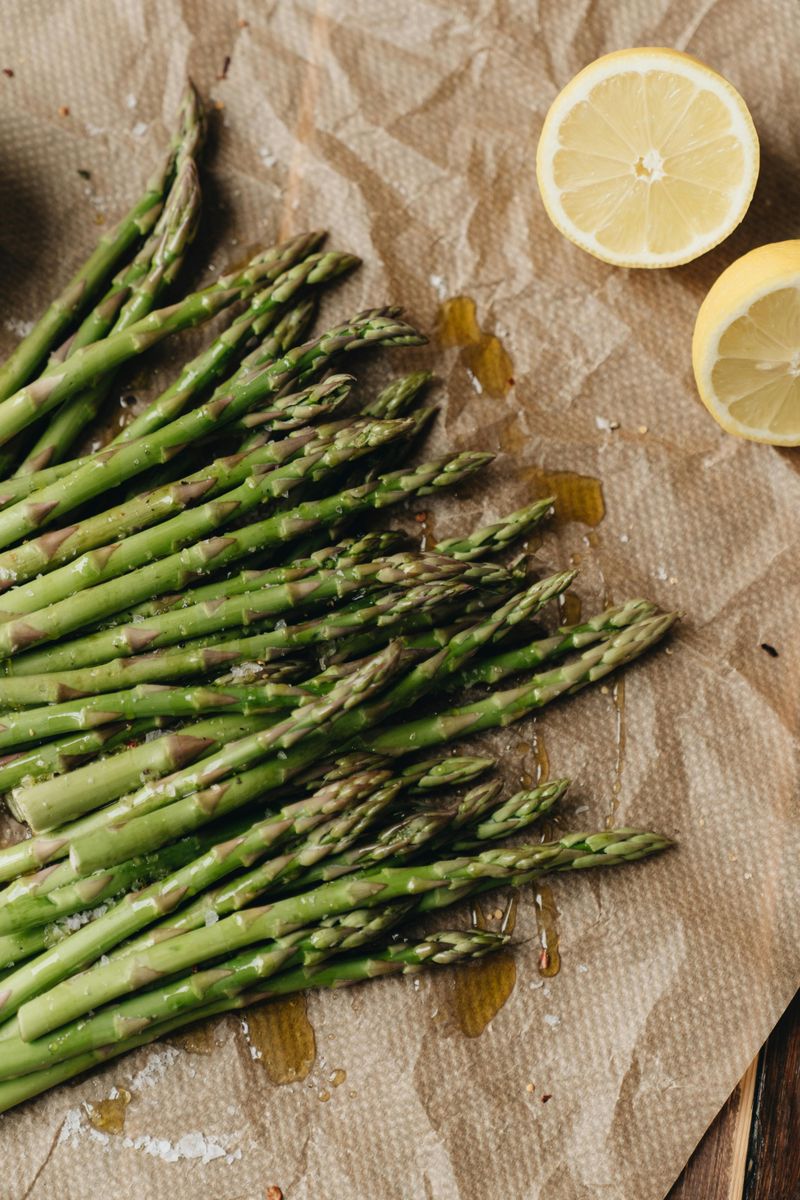
These slender green spears are more than just an elegant side dish at fancy dinners.
Asparagus is packed with folate, a B vitamin that helps lower homocysteine levels in your blood.
High homocysteine is linked to increased risk of artery damage and heart disease, so keeping it in check matters.
Asparagus also provides vitamin K, which plays a role in preventing calcium from building up in your arteries where it doesn’t belong.
The vegetable contains anti-inflammatory compounds and fiber that support overall cardiovascular function.
Roast it with a drizzle of olive oil, grill it for smoky flavor, or steam it lightly to preserve nutrients.
Fresh asparagus tastes best in spring when it’s in season locally.
12. Dark Chocolate

Yes, chocolate can actually be good for your heart, but there’s an important catch: it needs to be dark chocolate with at least seventy percent cocoa.
Dark chocolate is rich in flavonoids, plant compounds that help improve blood flow and reduce blood pressure by helping blood vessels relax.
These antioxidants also protect LDL cholesterol from oxidation, making it less likely to form dangerous plaques.
Multiple studies have found that people who eat small amounts of dark chocolate regularly have better cardiovascular health markers.
The key word here is small: about one ounce per day is plenty to get benefits without overdoing calories and sugar.
Skip milk chocolate, which has far less cocoa and much more sugar and fat that can harm your heart.