 MomSkoop
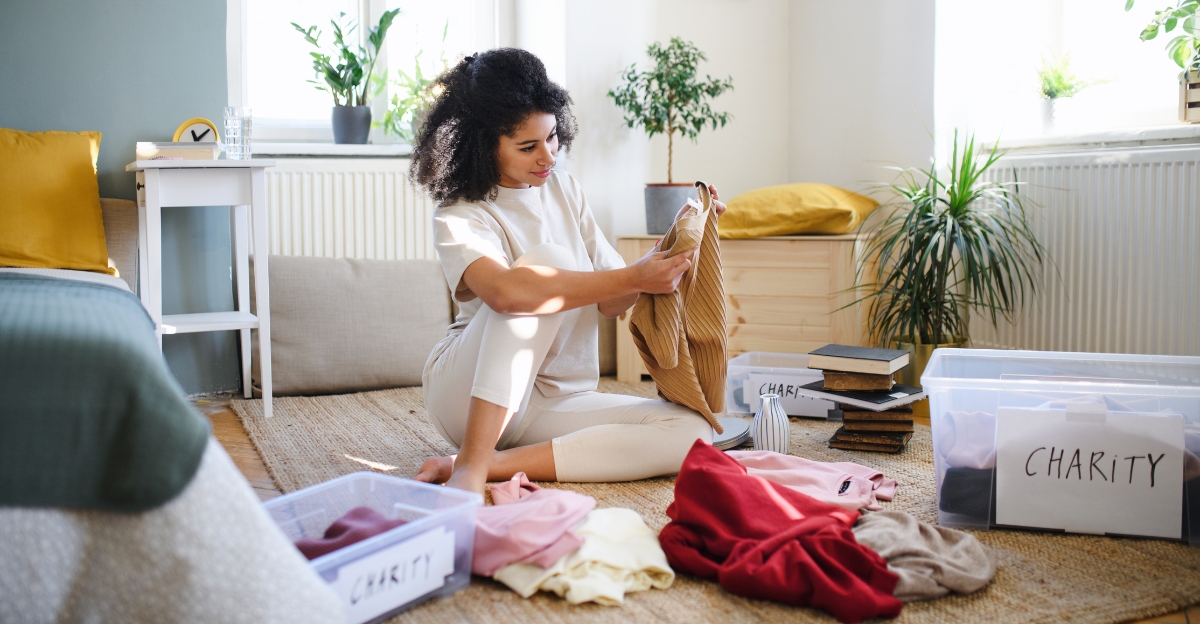
New Year, new space! Professional organizers agree that the start of a fresh year is the perfect time to declutter and simplify your home.
Getting rid of things you no longer need or use can help you feel lighter, more organized, and ready to take on whatever comes next.
Here are 13 items experts say you should toss, donate, or recycle to make room for better things in your life.
1. Expired or Unhealthy Pantry Items
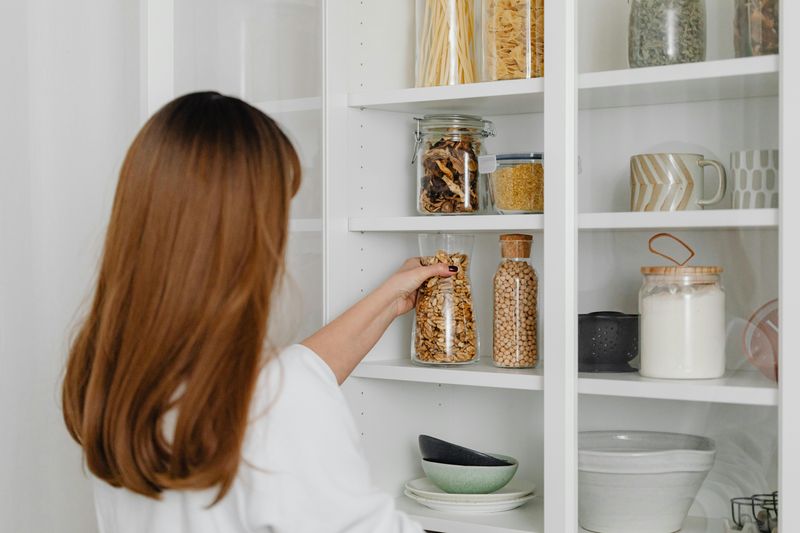
Stale crackers, expired canned goods, and mystery spices from three years ago have no place in your kitchen.
Professional organizers recommend going through your pantry at least once a year to check expiration dates and toss anything that’s past its prime.
Old food not only takes up valuable space but can also be unsafe to eat.
Check the back of shelves where forgotten items tend to hide.
Once you’ve cleared out the old stuff, you’ll have room for fresh, healthy ingredients that actually support your goals.
A clean pantry makes meal planning easier and helps you avoid buying duplicates of things you already have.
2. Miscellaneous Cords You Never Use
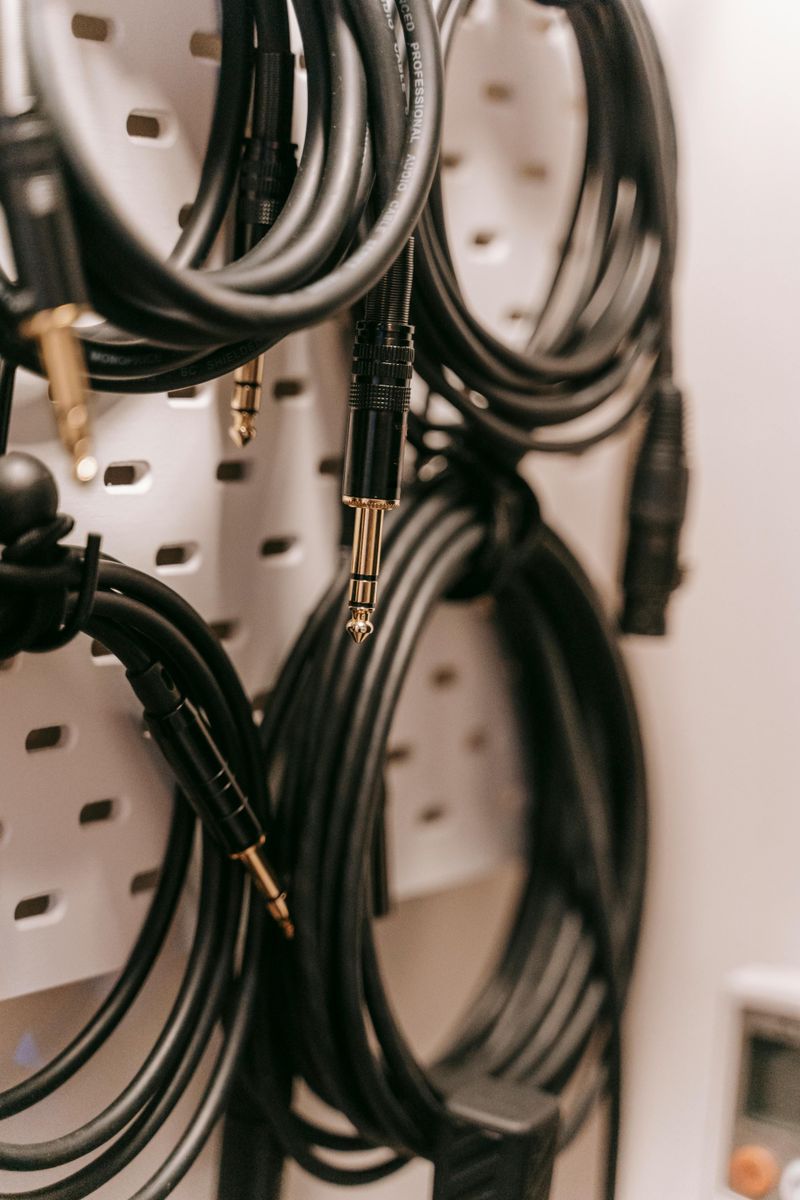
That tangled mess of mystery cables in your drawer?
Chances are you haven’t needed them in years.
Old phone chargers, random USB cords, and cables for devices you no longer own just create clutter and confusion.
Organizers suggest sorting through your cords and matching them to the devices you currently use.
If you can’t identify what a cord belongs to after a few minutes, it’s probably safe to recycle it.
Keep only the essentials and store them neatly with labels or cable ties.
You’ll save time searching for the right cord and free up drawer space for things you actually need on a regular basis.
3. Worn-Out Undergarments and Basic Layers
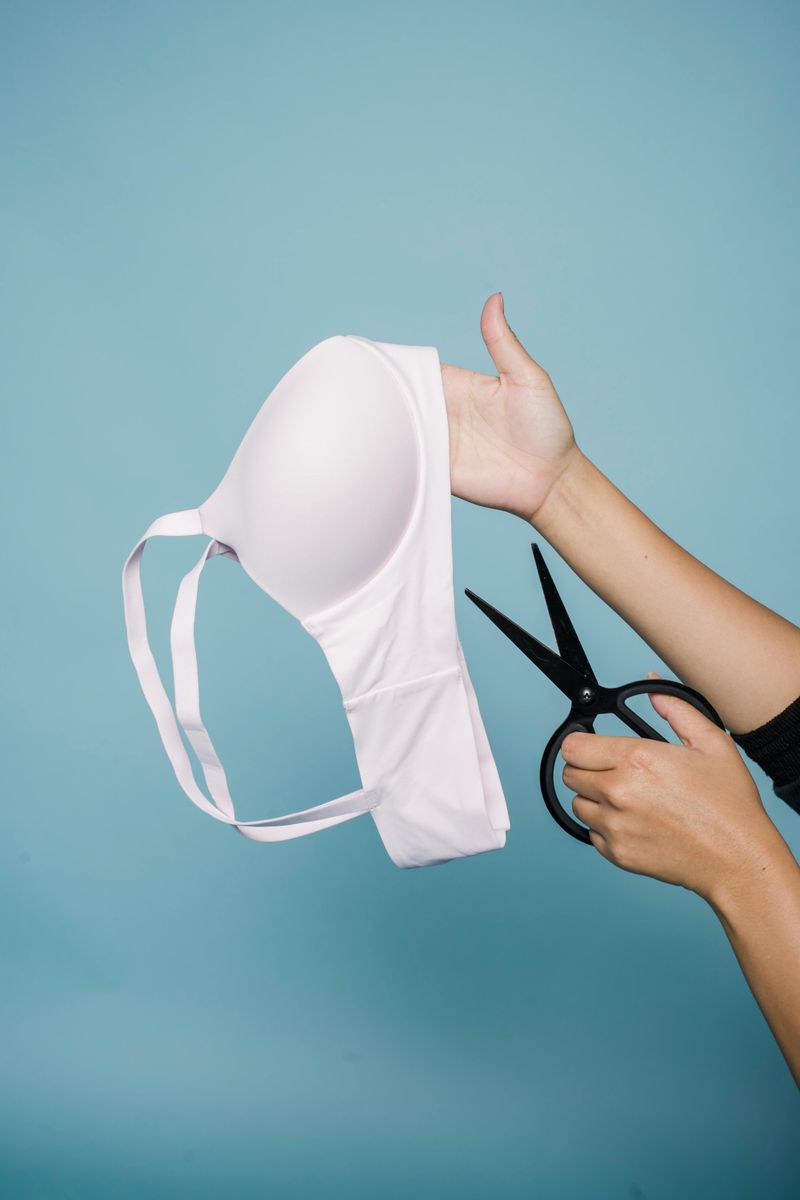
Socks with holes, stretched-out underwear, and faded undershirts might seem too small to worry about, but they affect how you feel every day.
Professional organizers say these items are often overlooked during closet cleanouts, yet they’re some of the most important pieces to replace.
Basics that are past their prime can make even your favorite outfit feel uncomfortable.
Go through your drawers and honestly assess what’s still in good condition.
Toss anything with holes, loose elastic, or permanent stains.
Investing in fresh basics might not seem glamorous, but it’s one of the simplest ways to improve your daily comfort and confidence.
4. Expired First Aid Kit Items
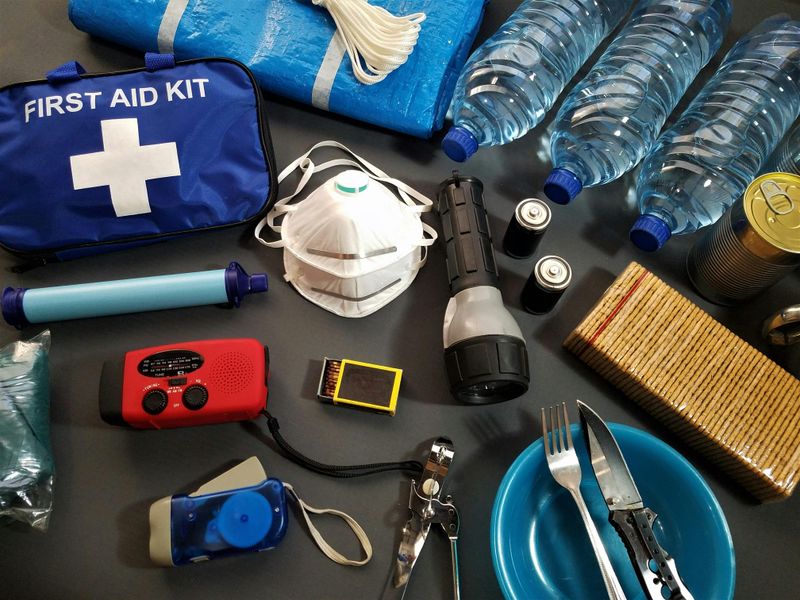
When was the last time you checked your first aid kit?
Many families keep the same supplies for years without realizing that medications, ointments, and bandages can expire and lose effectiveness.
Organizing pros recommend going through your kit at least once a year to replace outdated items.
Expired pain relievers, old antibiotic creams, and brittle bandages won’t help you in an emergency.
Make a list of what needs replacing and restock with fresh supplies.
A well-maintained first aid kit gives you peace of mind knowing you’re prepared when someone needs quick care.
Don’t wait for an emergency to discover your supplies are no good.
5. Mismatched Food Storage Containers

Nothing wastes more cabinet space than a jumble of containers without matching lids.
Warped plastic, cracked bowls, and mystery lids that don’t fit anything create daily frustration in the kitchen.
Professional organizers tell clients to dump out the entire cabinet and match every container to its lid.
If you can’t find a match or the plastic is stained and warped, recycle it.
Consider investing in a matching set of quality containers that nest together nicely.
Your cabinets will close more easily, you’ll actually use your storage containers, and packing lunches will become much less annoying.
A little effort here pays off every single day.
6. Junk Drawer Chaos
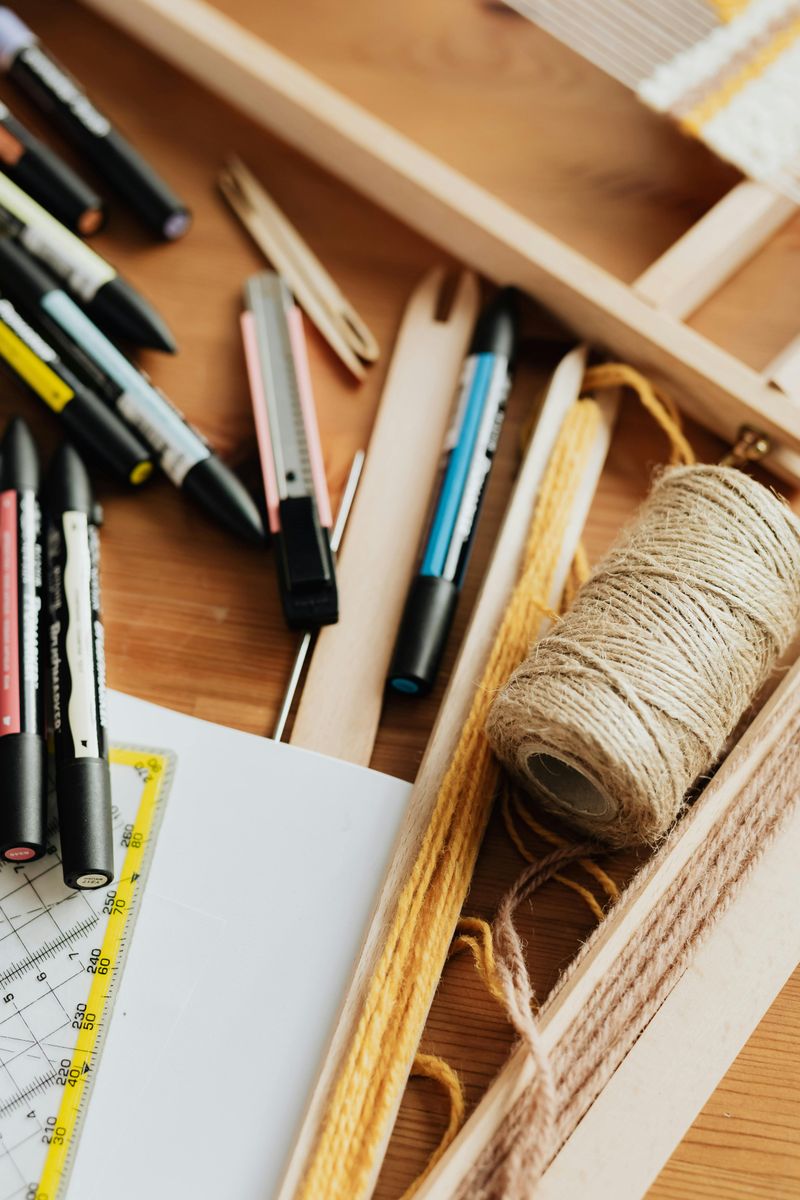
Every home has that one drawer filled with broken pens, dried-up glue sticks, random screws, and bits of who-knows-what.
While having a catch-all drawer isn’t necessarily bad, letting it overflow with actual junk defeats its purpose.
Organizers recommend emptying your junk drawer completely and sorting items into three piles: keep, toss, and relocate.
Test every pen to see if it works, and throw away anything broken or useless.
Keep only the essentials like scissors, tape, and working pens, then use small dividers to organize them.
A functional junk drawer should help you find things quickly, not hide broken items you’ll never fix or use again.
7. Unused Items Not Earning Their Keep
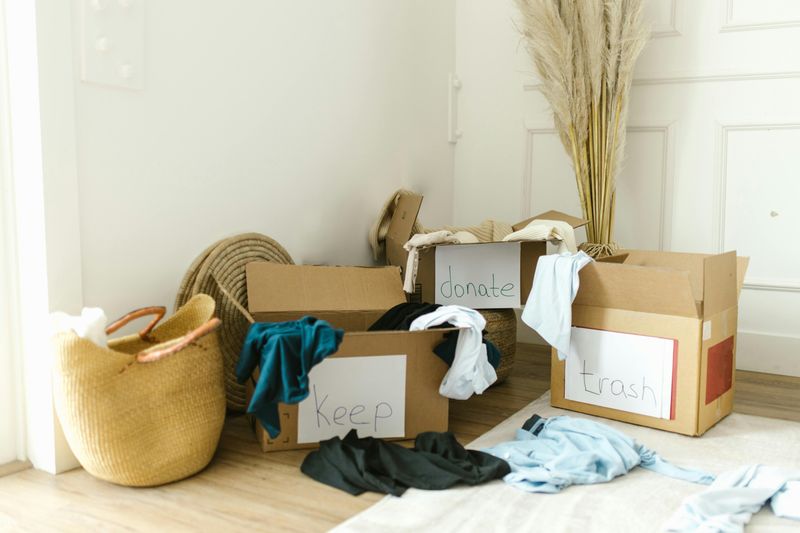
Look around your home and ask yourself: what items are just sitting there taking up space without serving any purpose?
Maybe it’s that bread maker you used once, decorative pillows you constantly move, or a gadget that seemed useful but never gets touched.
Professional organizers use the “earning its keep” test to help clients decide what stays.
If something doesn’t serve a function or bring you joy, it’s just collecting dust.
Be honest about what you actually use versus what you think you might use someday.
Clearing out these space-wasters makes your home feel bigger and more peaceful, while donating them gives someone else the chance to actually use them.
8. Expired Beauty and Skincare Products
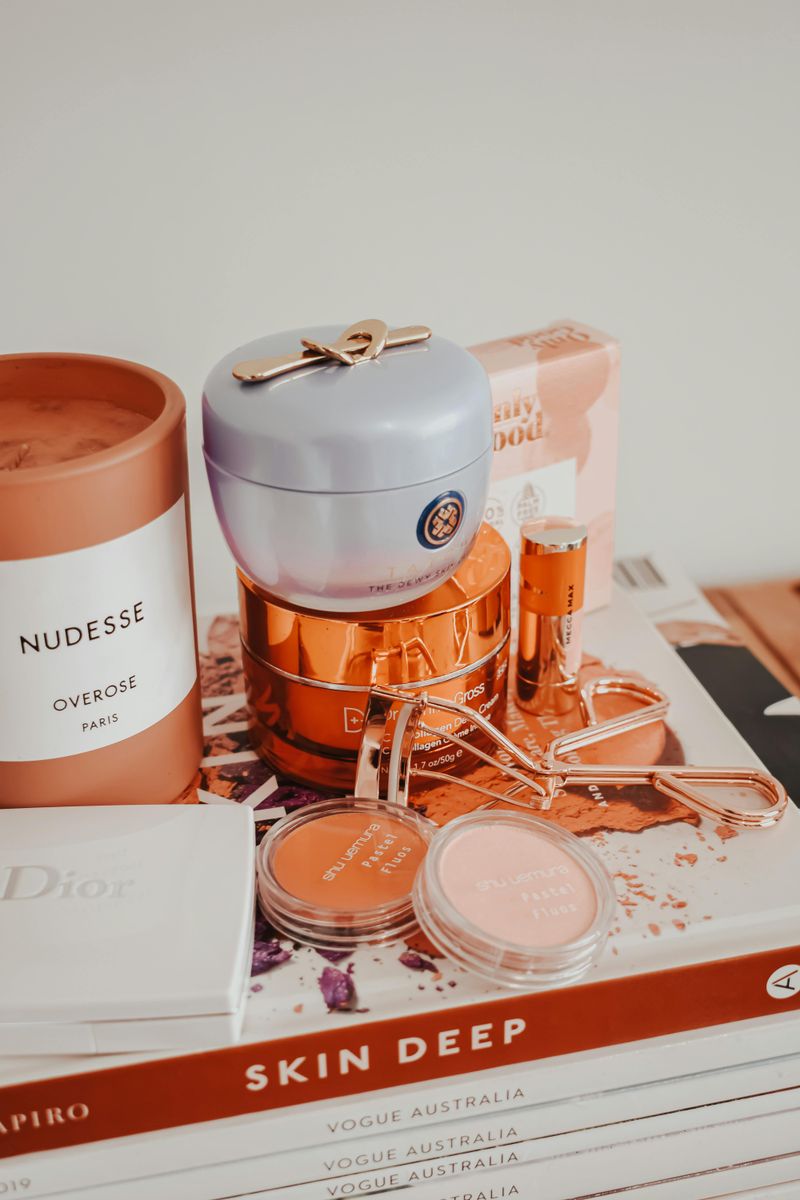
That lipstick from two years ago or the face cream you tried once and forgot about?
Beauty products have expiration dates too, and using old makeup or skincare can irritate your skin or cause breakouts.
Organizers suggest checking the small jar symbol on products that shows how many months they’re good for after opening.
Mascara should be replaced every three months, while most creams last about a year.
Go through your bathroom drawers and vanity, testing products and smelling them for any off odors.
Toss anything dried out, separated, or past its prime.
You’ll rediscover products you forgot you had and create space for items you’ll actually use regularly.
9. Paper Clutter and Old Documents
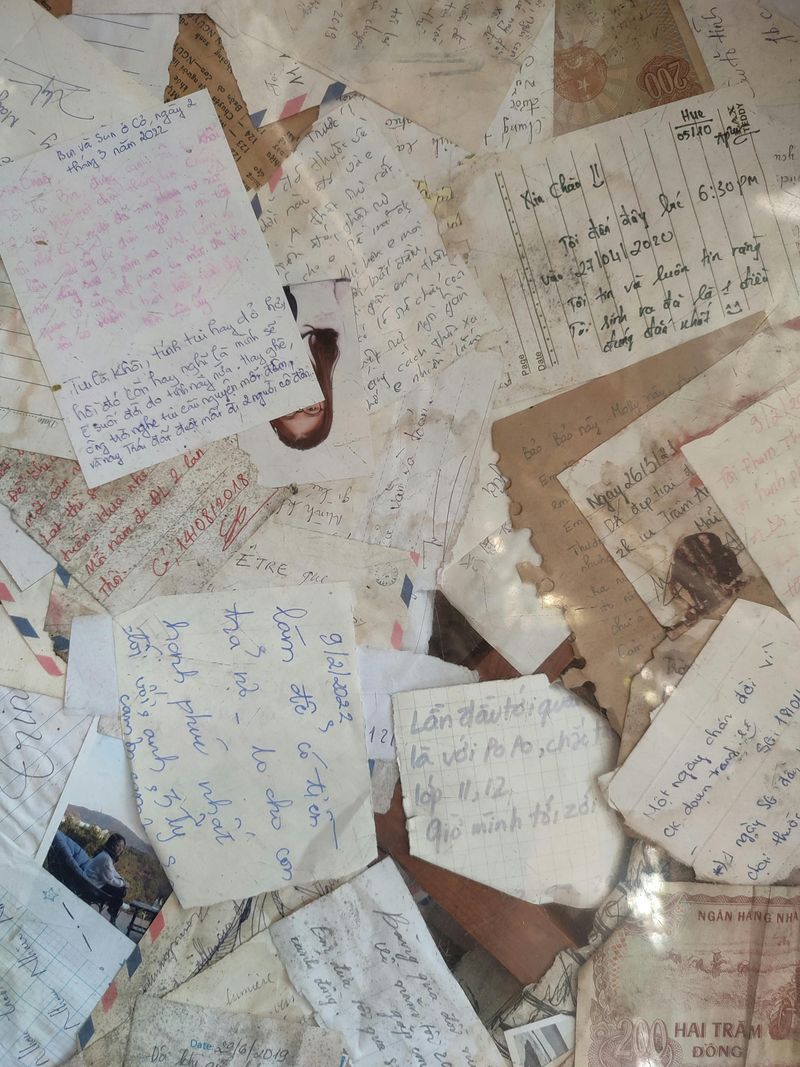
Stacks of old mail, receipts from months ago, and random notes covering your counters create visual chaos and make it hard to find important papers when you need them.
Paper clutter is one of the top complaints professional organizers hear from clients.
Start by sorting papers into categories: shred, recycle, file, or action needed.
Most receipts can be tossed after a few months unless they’re for warranties or taxes.
Set up a simple filing system for documents you need to keep, and commit to sorting mail immediately instead of piling it up.
Going digital with bills and statements can also dramatically reduce paper clutter and make your life easier to manage.
10. Outgrown or Unused Kids’ Toys
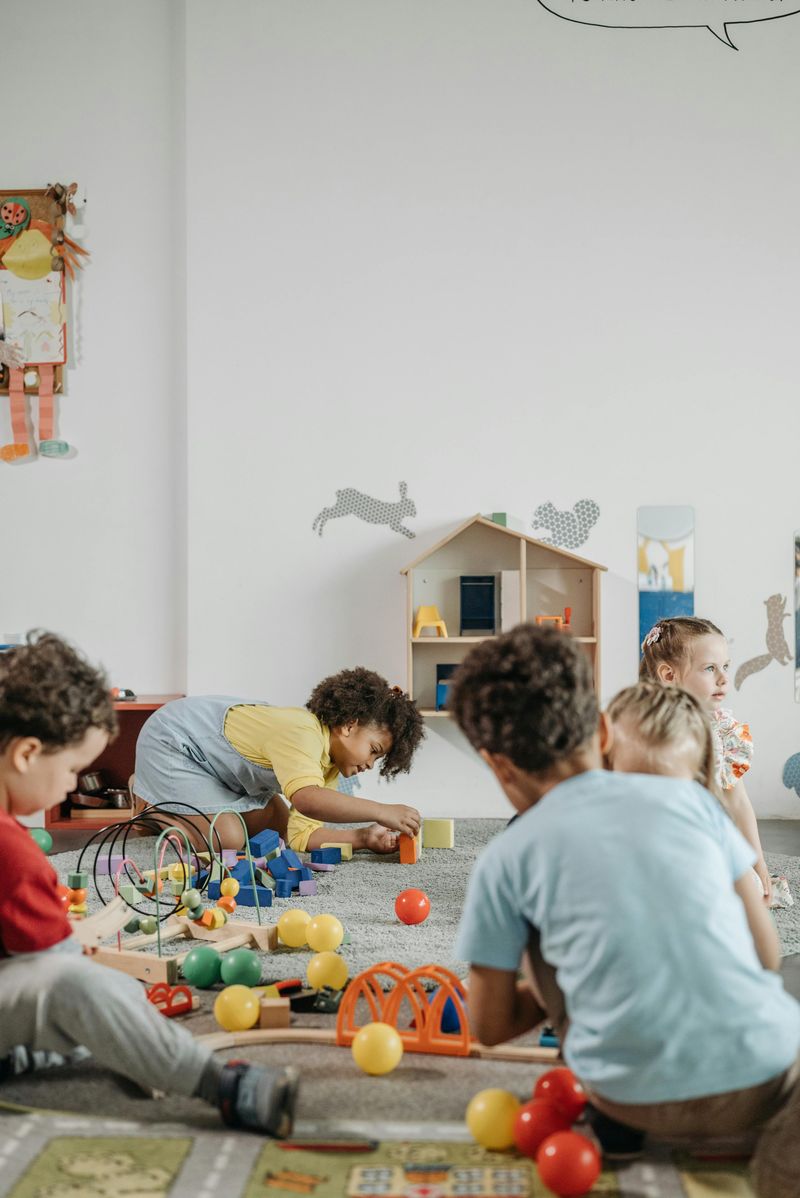
Children grow and change interests quickly, leaving behind toys they’ve outgrown or simply stopped playing with.
These forgotten items take up valuable space in bedrooms, playrooms, and closets.
Professional organizers recommend involving kids in the decluttering process so they learn decision-making skills.
Ask which toys they still love and which ones they’d be willing to donate to other children who would enjoy them.
Rotate toys seasonally to keep playtime fresh and exciting without needing to buy new things constantly.
Donating gently used toys teaches kids about generosity while clearing space for activities and items that match their current interests and developmental stage.
11. Clothing You Haven’t Worn in Over a Year

That dress you’re saving for when you lose five pounds or the jeans that might come back in style someday are just taking up closet real estate.
If you haven’t reached for something in over a year, you probably won’t wear it again.
Organizers use the one-year rule as a practical guideline for clothing decisions.
Turn all your hangers backward, then flip them forward only after wearing each item.
After a year, you’ll clearly see what you actually wear versus what’s just hanging there.
Donate gently used clothing to shelters or consignment shops where they can benefit someone else.
A streamlined closet makes getting dressed easier and helps you appreciate the clothes you truly love wearing.
12. Broken or Unloved Holiday Decorations

Tangled Christmas lights that don’t work, chipped ornaments you never hang, and decorations that don’t match your style anymore take up precious storage space all year long.
Just because something is holiday-related doesn’t mean you need to keep it forever.
After each holiday season, organizers suggest sorting through decorations before packing them away.
Test light strings, examine ornaments for damage, and honestly assess what you actually displayed versus what stayed in the box.
Keep only the decorations that bring you joy and work with your current home style.
Donate items in good condition to schools, churches, or thrift stores where they’ll be appreciated and actually used to create holiday magic.
13. Empty Packaging and Product Boxes
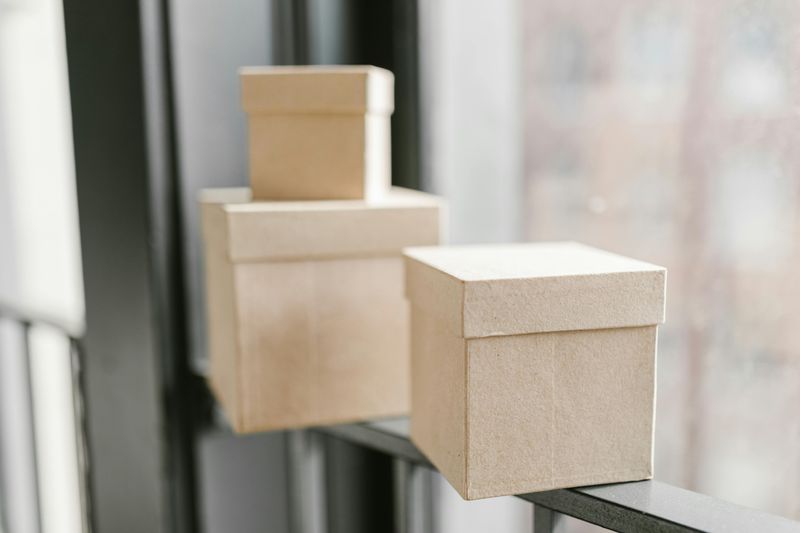
Shoe boxes, phone packaging, and boxes from electronics you bought years ago are classic space-wasters.
Many people keep them thinking they’ll need them for moving or reselling, but they rarely do.
Professional organizers say that unless you’re actively planning to move or sell an expensive item soon, these boxes are just collecting dust.
They take up significant closet and storage space that could be used for things you actually need.
Break down and recycle boxes you’ve been holding onto for no good reason.
If you do need to store or move something later, you can always get boxes then.
Clearing out this empty packaging instantly frees up room and makes your storage areas more functional.