 MomSkoop

Age gaps in relationships have always sparked curiosity and debate.
Some couples thrive with decades between them, while others find even a few years challenging.
Understanding the facts behind age differences can help us see beyond stereotypes and judge relationships more fairly.
1. Compatibility Trumps Numbers Every Time

No magic number defines when an age gap becomes “too much.”
What really matters is how well two people connect on emotional, intellectual, and personal levels.
A couple separated by twenty years might share deeper values and communication styles than partners born in the same year.
Successful relationships depend on mutual respect, shared goals, and genuine affection.
Age becomes just one factor among many that shape a partnership.
When compatibility is strong, the years between partners fade into the background of what truly matters.
2. Most Couples Stay Within Five Years

Walk through any crowded street and you’ll notice something interesting about couples.
The vast majority have relatively small age differences, typically ranging from zero to five years apart.
This pattern holds true across different cultures and communities worldwide.
People naturally tend to meet potential partners through school, work, or social circles where ages cluster together.
Shared life stages make it easier to relate and build connections.
While dramatic age gaps grab headlines, they remain the exception rather than the rule in everyday romance.
3. The Global Average Sits at 4.2 Years

Research across numerous countries reveals a fascinating statistic about heterosexual partnerships.
On average, men are about 4.2 years older than their female partners worldwide.
This pattern appears surprisingly consistent across different continents and cultures.
Sociologists point to various factors explaining this trend, from biological considerations to social traditions.
Economic stability and cultural expectations both play roles in shaping partner preferences.
Understanding this average helps put individual relationships into broader context, though every couple writes their own unique story regardless of statistics.
4. Everyone Prefers Younger, But Differently

Attraction patterns reveal something unexpected about human preferences.
Both men and women generally express interest in younger partners, though how this plays out varies dramatically.
Men across all ages tend to find women in their twenties most attractive, while women’s preferences shift as they age.
Cultural context shapes these patterns significantly, and individual preferences vary wildly from statistical averages.
Younger women might seek slightly older partners for stability, while older women sometimes prefer younger men.
Biology, psychology, and society all influence who catches our eye across the lifespan.
5. Bigger Gaps Draw Bigger Judgments

Society tends to notice when couples have significant age differences, especially when the man is considerably older.
Whispers, raised eyebrows, and unsolicited opinions often follow these partnerships.
The scrutiny intensifies when the gap exceeds ten or fifteen years.
Interestingly, relationships where women are older face different but equally intense judgment.
Double standards persist, with people questioning motives and making assumptions about both partners.
Many couples with large age gaps report feeling pressure to justify their relationship to friends, family, and even strangers who feel entitled to comment.
6. Life Stages Matter More Than Birthdays

Two people might be only five years apart but living completely different realities.
Someone focused on building a career has little in common with a partner ready to retire and travel.
Where you are in life often matters more than how many candles were on your last birthday cake.
Goals, priorities, and daily experiences shape compatibility profoundly.
A thirty-year-old wanting children faces different needs than a forty-five-year-old with teenagers.
Couples who align on major life questions tend to thrive regardless of age, while mismatched life stages create friction no matter the numbers.
7. Power Imbalances Become More Likely

Age often brings resources, experience, and social influence that create uneven dynamics.
When one partner has decades more life experience, established wealth, or professional connections, the relationship can develop subtle or obvious power imbalances.
The younger partner might feel dependent or less capable of asserting their needs.
These imbalances don’t automatically doom relationships, but awareness matters tremendously.
Healthy age-gap couples actively work to maintain equality and respect.
They recognize potential pitfalls and communicate openly about decisions, ensuring both voices carry equal weight regardless of who has more birthdays behind them.
8. Older Partners Often Report Higher Satisfaction

Studies reveal an intriguing pattern about happiness in age-disparate relationships.
Older partners, particularly older men with younger female partners, frequently report greater relationship satisfaction.
They express feeling energized, appreciated, and content with their romantic lives.
Several factors might explain this finding, from feeling valued and desired to enjoying a partner’s youthful energy.
Some researchers suggest older partners may have clearer expectations and better relationship skills.
However, satisfaction is deeply personal and varies tremendously between individual couples, making generalizations tricky despite what research trends indicate.
9. Financial Stability Attracts Younger Partners

Money talks in relationships more than many people admit.
Research consistently shows younger partners often perceive greater financial security with older partners.
Established careers, savings, and life experience typically bring economic advantages that younger people find appealing and practical.
This reality makes some people uncomfortable, but financial compatibility affects relationship success significantly.
Security isn’t shallow—it represents stability, reduced stress, and opportunities for shared experiences.
While money alone can’t sustain love, pretending finances don’t influence attraction ignores how real-world concerns shape romantic choices across age groups.
10. Emotional Maturity Doesn’t Always Match Age

Birthdays don’t automatically bring wisdom or emotional intelligence.
Some forty-year-olds handle conflict like teenagers, while some twenty-five-year-olds demonstrate remarkable self-awareness and communication skills.
Life experience shapes emotional maturity more reliably than chronological age.
Significant age differences can correspond with different emotional development levels, creating relationship challenges.
A younger partner might crave adventure while an older partner seeks stability.
However, individuals vary so dramatically that assumptions based on age alone prove unreliable.
The key is assessing actual emotional capabilities rather than expecting maturity to match birth certificates.
11. Divorce Risk Can Increase With Gap Size

Statistical analysis reveals a somewhat uncomfortable truth about age-gap relationships.
Some research indicates larger age differences correlate with higher divorce rates, particularly when gaps exceed ten years.
The risk appears to increase as the gap widens, though findings vary across cultures.
Before panicking, remember that correlation doesn’t mean causation, and individual factors matter enormously.
Plenty of age-gap couples stay together for life while same-age marriages fail.
Cultural context, individual compatibility, and relationship skills influence outcomes far more than age alone.
Statistics describe populations, not destinies for specific couples.
12. Culture Shapes What Seems Acceptable

What counts as a shocking age gap in one country barely raises eyebrows in another.
Social and cultural norms powerfully influence which age differences people consider appropriate or troubling.
Traditional societies often accept larger gaps than more progressive cultures, and attitudes shift dramatically across generations.
Even within single countries, acceptance varies by community, religion, and social class.
Your grandmother might think nothing of a fifteen-year gap while your college friends find it problematic.
Understanding these cultural lenses helps explain why age-gap relationships face different receptions depending on where and when they occur.
13. Communication Predicts Success Better Than Age
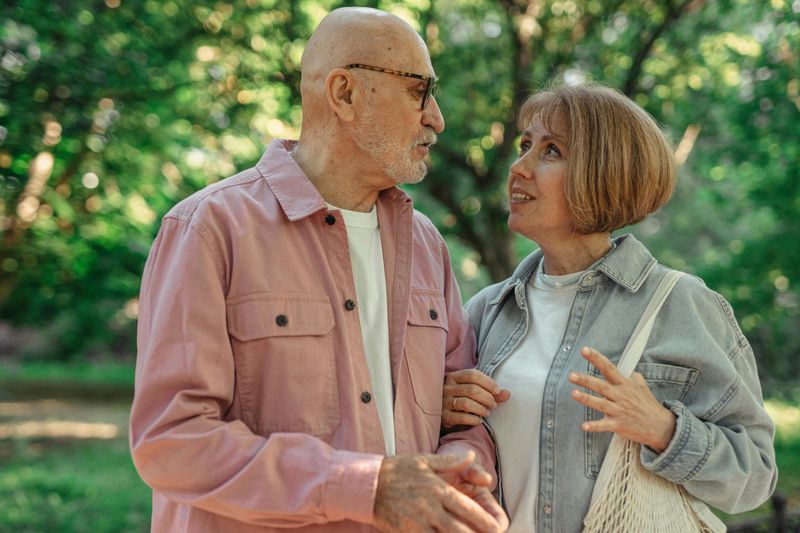
Ask relationship therapists what makes partnerships work, and age rarely tops the list.
Communication skills and shared values emerge as far stronger predictors of long-term success.
Couples who listen actively, resolve conflicts constructively, and align on fundamental beliefs thrive regardless of age differences.
Poor communication destroys relationships between same-age partners just as effectively as age-gap couples.
The ability to express needs, show vulnerability, and negotiate differences matters infinitely more than birth years.
Partners who prioritize understanding each other build strong foundations that withstand challenges that age differences might present.
14. Challenges Grow as Years Pass Together

Time affects age-gap relationships uniquely.
Many couples with significant age differences start blissfully happy, enjoying their connection without worrying about the future.
However, as years accumulate, the age gap’s impact often intensifies rather than diminishes.
Health disparities emerge as partners age at different rates, with the older partner potentially facing limitations while the younger remains active.
Retirement timing, energy levels, and social circles can diverge significantly.
Some couples navigate these changes beautifully through adaptation and commitment, while others find increasing strain.
The gap that seemed irrelevant at thirty might feel substantial at sixty.