 MomSkoop
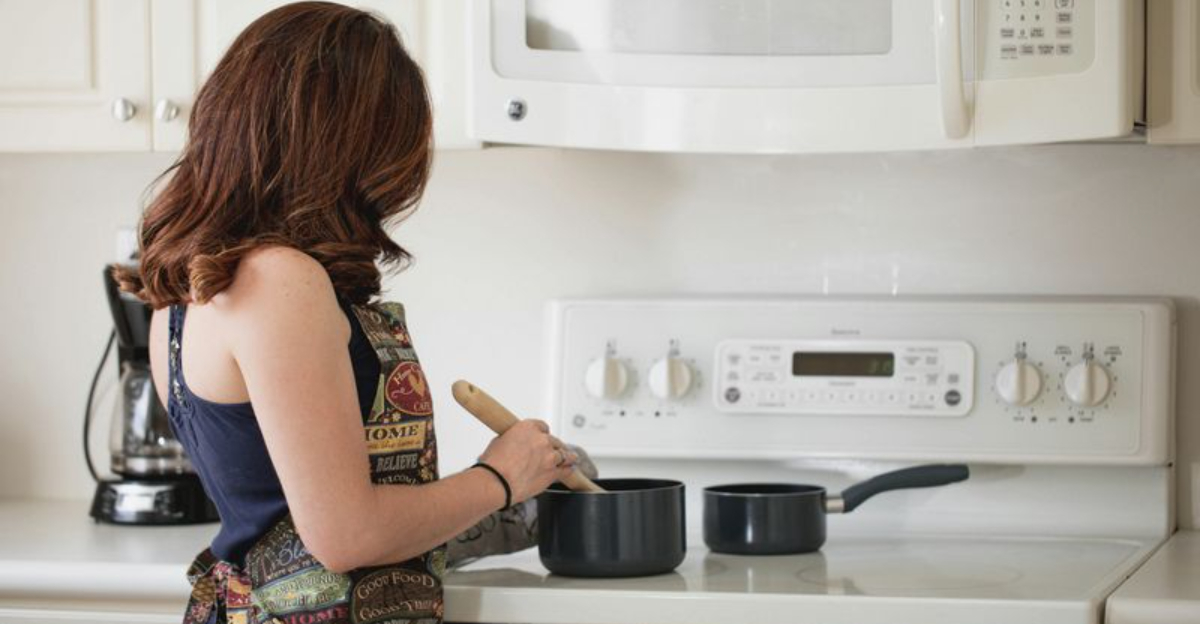
Professional chefs spend years perfecting their craft, and along the way they notice patterns in how home cooks approach the kitchen. Some of these habits might seem harmless, but they can seriously hold back your cooking potential. If you want to cook like a pro in 2026, it’s time to break free from these common mistakes and embrace techniques that actually work.
1. Overcrowding the Pan
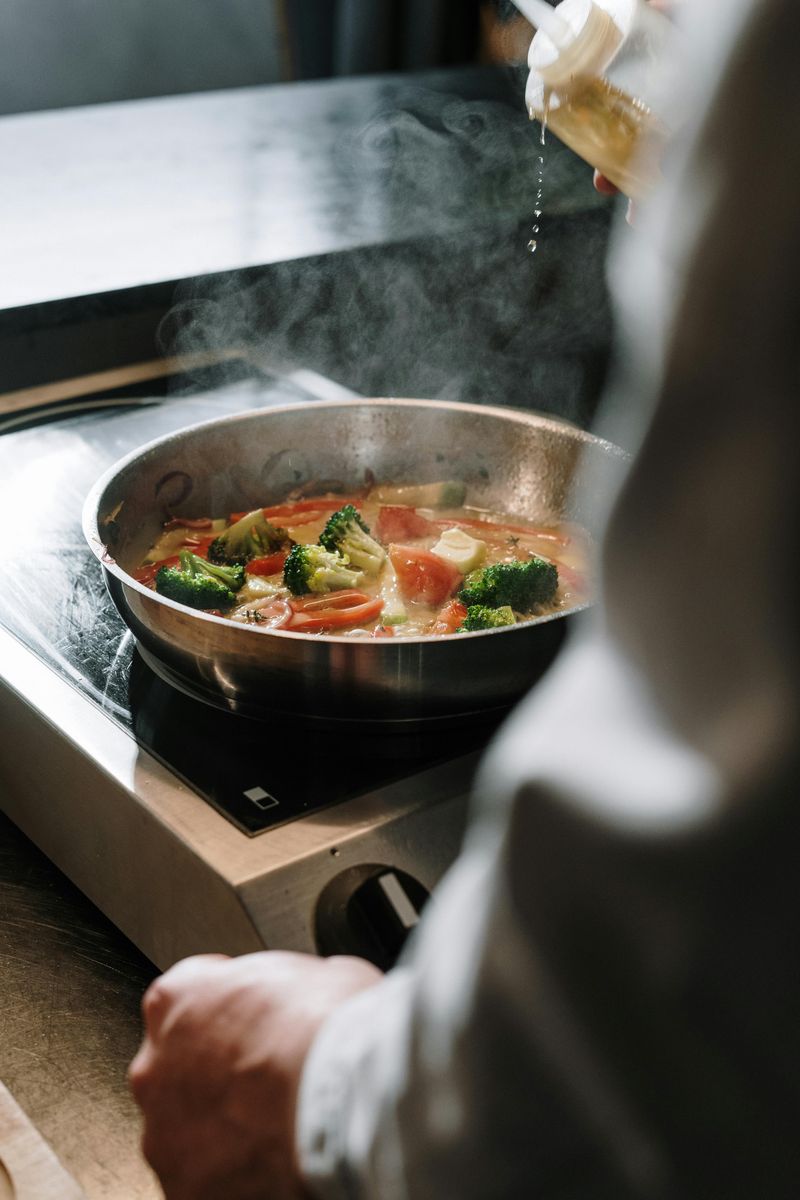
When you pack too much food into a single pan, you’re setting yourself up for disappointment.
Instead of getting that beautiful golden crust, your ingredients end up steaming in their own moisture.
The result is soggy, pale food that lacks the deep flavors you’re craving.
Temperature drops dramatically when the pan is crowded, preventing proper browning.
Give your food some breathing room by cooking in batches.
Yes, it takes a few extra minutes, but the payoff in taste and texture is absolutely worth it.
Your proteins will develop that restaurant-quality sear, and vegetables will caramelize beautifully instead of turning mushy.
2. Cooking Without Tasting
Imagine a painter working blindfolded or a musician composing with earplugs in.
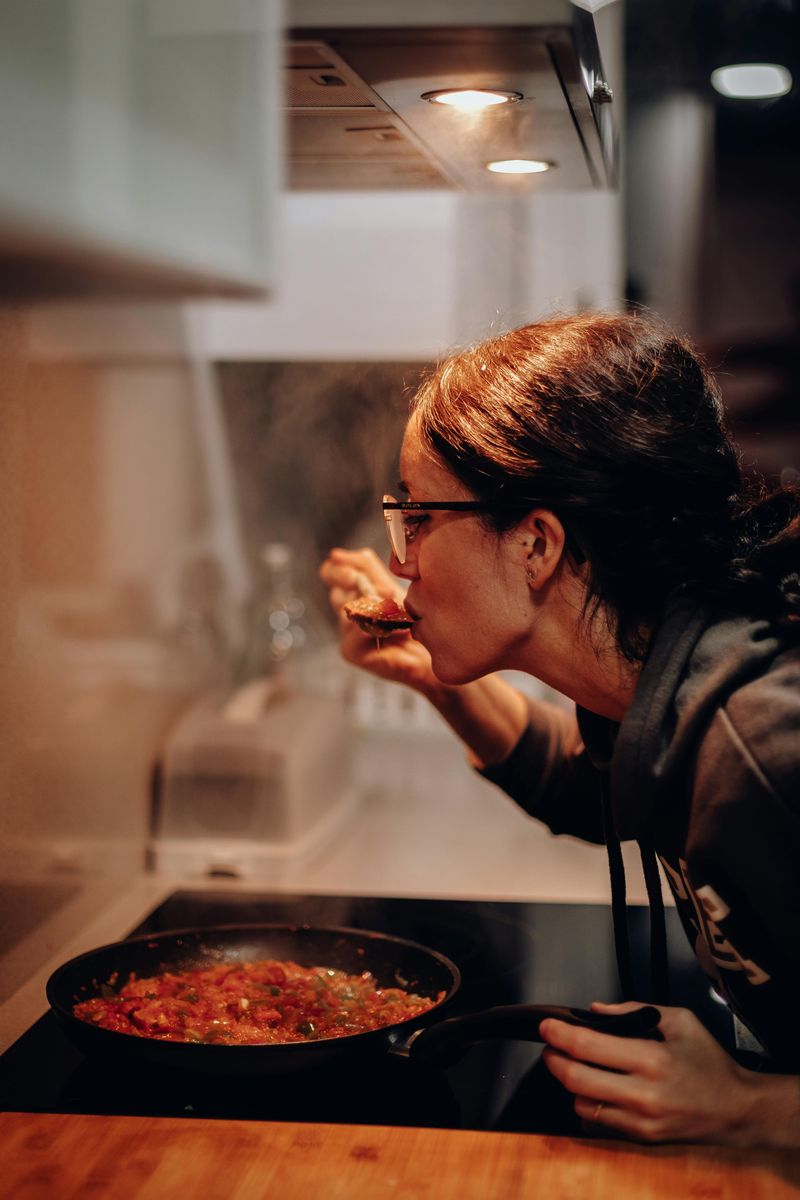
That’s exactly what happens when you cook without tasting your food along the way.
Professional chefs taste constantly, adjusting seasonings and flavors as they go.
Your palate is your most important tool in the kitchen.
A dish that seemed perfectly seasoned ten minutes ago might need more salt after the liquid reduces.
Ingredients vary in intensity, so relying on measurements alone leads to bland or unbalanced results.
Keep a spoon nearby and check your progress frequently, especially before serving.
This simple habit transforms average meals into exceptional ones.
3. Using Dull Knives
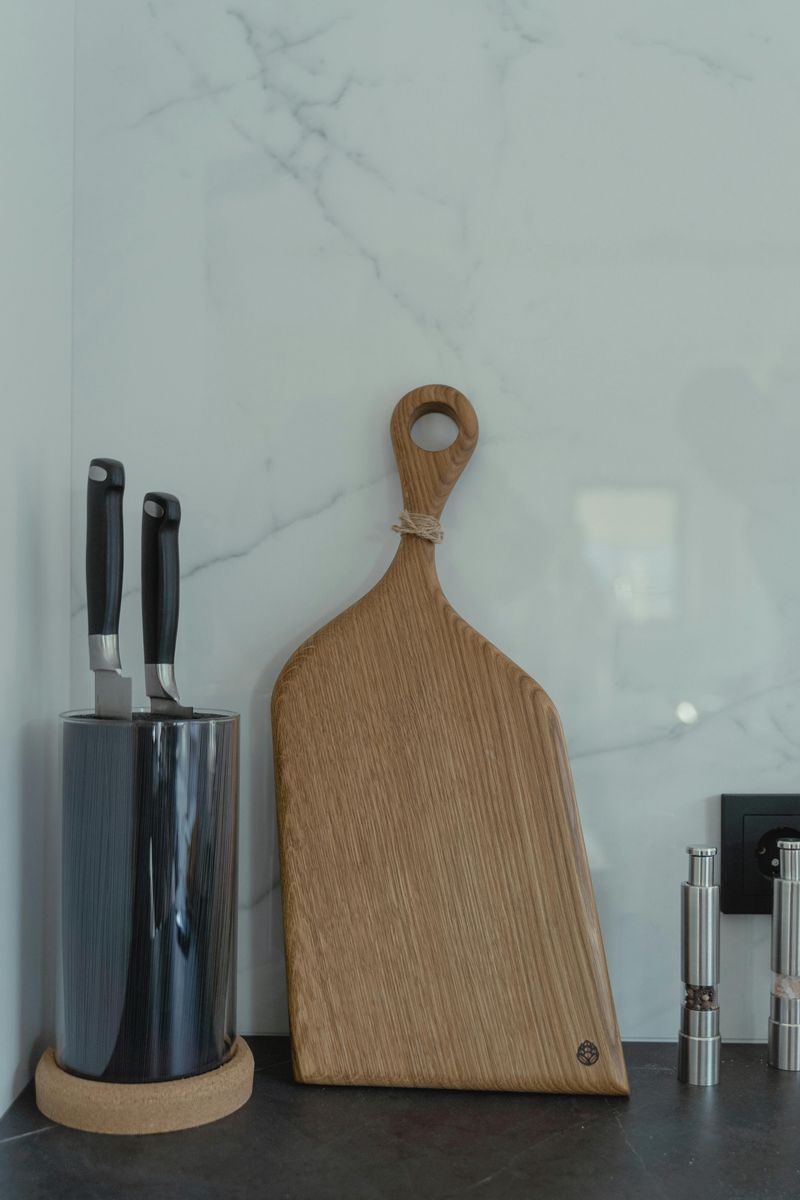
Here’s a surprising fact: dull knives send more people to the emergency room than sharp ones.
When your blade isn’t sharp, you have to apply extra pressure, which increases the chance of slipping and cutting yourself.
Sharp knives glide through ingredients with minimal effort, giving you clean cuts and better control.
Beyond safety, knife sharpness affects your food’s quality too.
Dull blades crush delicate herbs and tear through tomatoes instead of slicing cleanly.
Invest in a good sharpener or take your knives to a professional regularly.
Your prep work will become faster, safer, and more enjoyable.
Plus, your food will look better on the plate.
4. Ignoring Proper Preheating
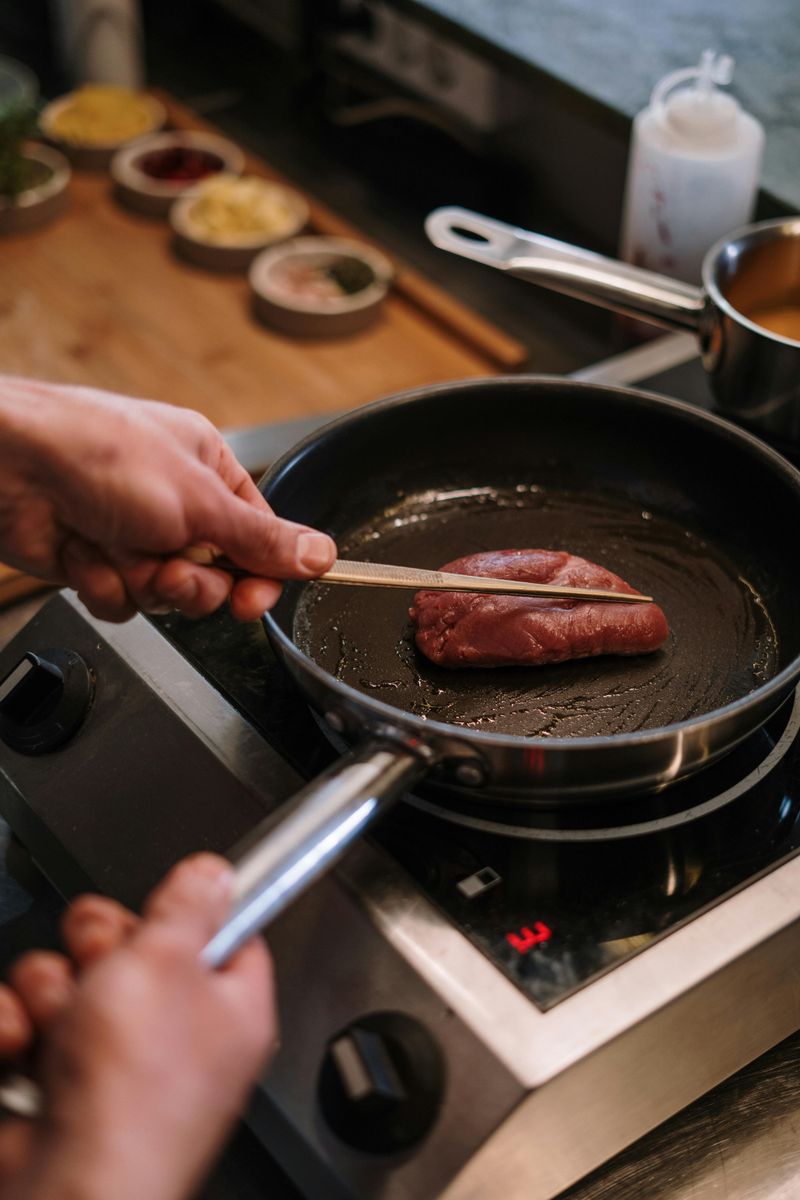
Patience isn’t always easy, especially when you’re hungry.
But tossing food into a cold pan is one of the fastest ways to ruin a meal.
Without proper preheating, proteins stick to the surface and cook unevenly.
That gorgeous sear you see in restaurant dishes requires high, consistent heat from the start.
Cold pans also extend cooking time, which can dry out your food or make it tough.
Wait until your pan is properly heated before adding oil or ingredients.
You’ll know it’s ready when a drop of water sizzles and evaporates immediately.
This small pause makes an enormous difference in your final results.
5. Overcooking Proteins Just to Be Safe
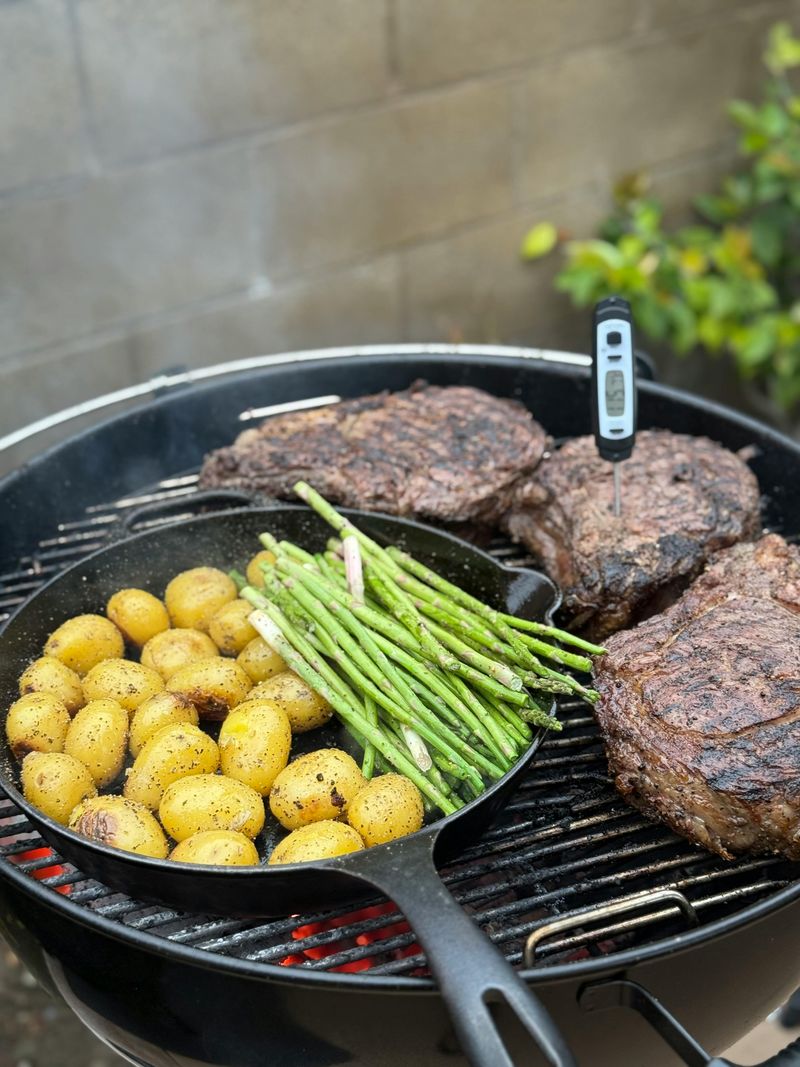
Fear of foodborne illness has turned countless juicy chicken breasts into rubber.
While food safety matters, overcooking isn’t the answer.
Modern guidelines provide specific internal temperatures that ensure safety without sacrificing quality.
Chicken needs to reach 165 degrees Fahrenheit, not 200.
Invest in a reliable instant-read thermometer and learn the proper temperatures for different proteins.
Pork can be slightly pink inside at 145 degrees and still be perfectly safe.
Fish should be opaque and flake easily, not dried out and chalky.
Trust the science, not your fear, and you’ll serve tender, flavorful proteins every single time.
6. Underseasoning Food
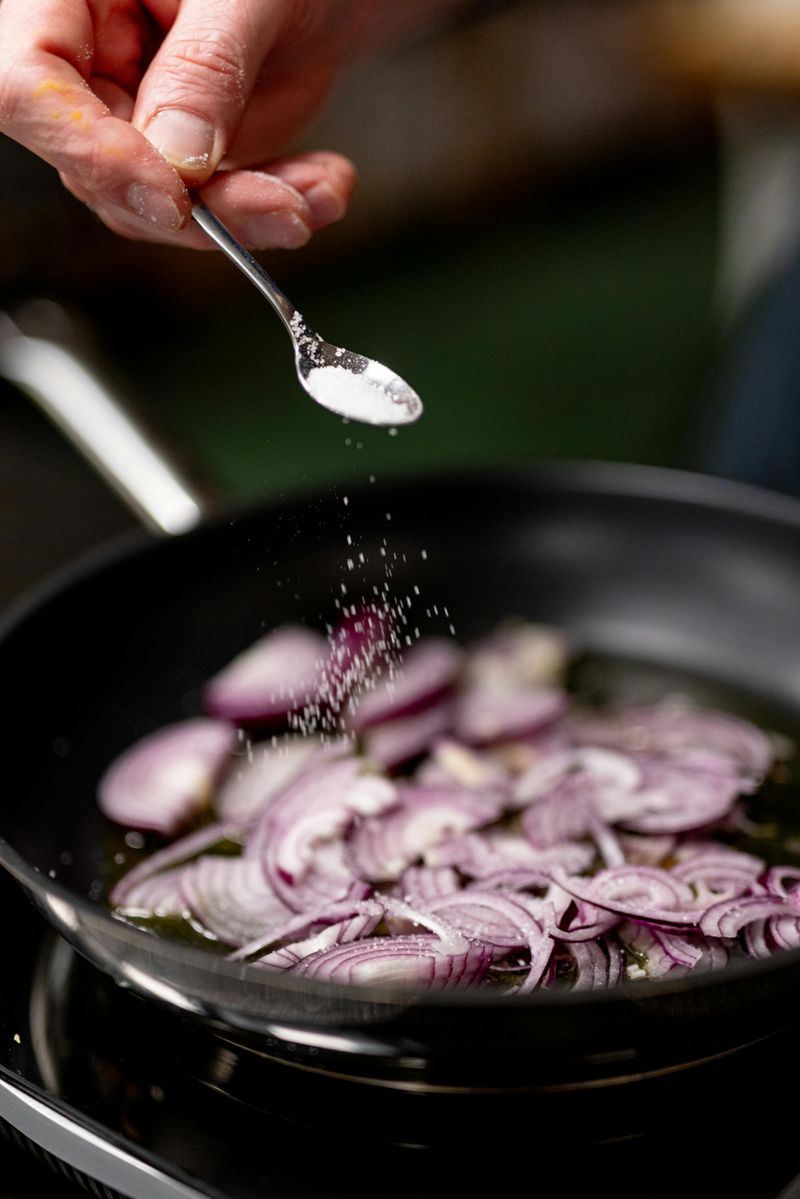
Salt is not the enemy, despite what decades of health scares might have taught you.
Professional kitchens use significantly more seasoning than most home cooks dare to try.
The difference between restaurant food and home cooking often comes down to proper seasoning at every stage.
Season your pasta water until it tastes like the ocean.
Add salt to vegetables as they cook, not just at the end.
Build layers of flavor by seasoning proteins before, during, and after cooking.
This doesn’t mean making food salty; it means bringing out the natural flavors already present in your ingredients.
Be bold and taste as you go.
7. Relying Too Heavily on Pre-Packaged Shortcuts
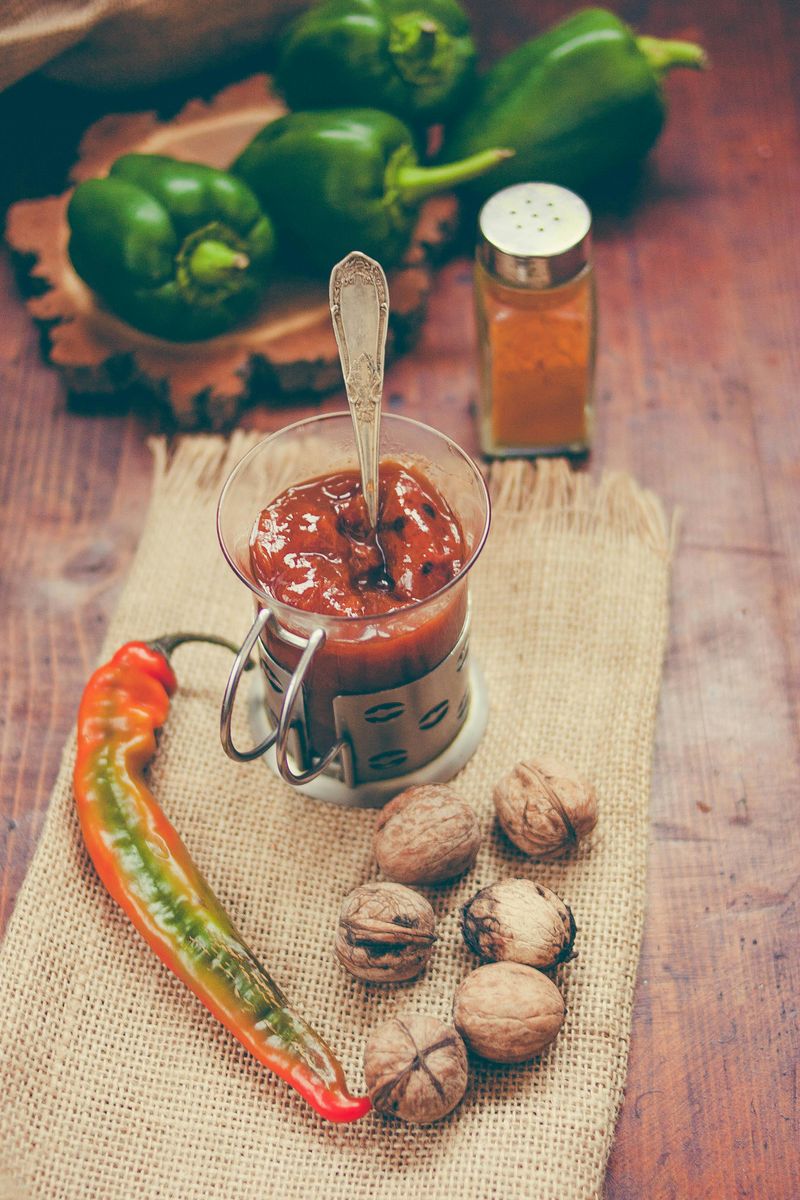
Convenience has its place, but jarred sauces and seasoning packets come with hidden costs.
Most contain shocking amounts of added sugar, sodium, and preservatives that mask the real flavors of your ingredients.
When you depend on these shortcuts, you never develop the skills to create authentic tastes.
Making a basic tomato sauce takes fifteen minutes and uses five ingredients you probably already have.
Fresh herbs, garlic, and good olive oil beat any jar on the shelf.
Start replacing just one or two packaged items per month with homemade versions.
Your palate will adjust, and you’ll wonder how you ever tolerated those artificial flavors.
8. Not Letting Meat Rest
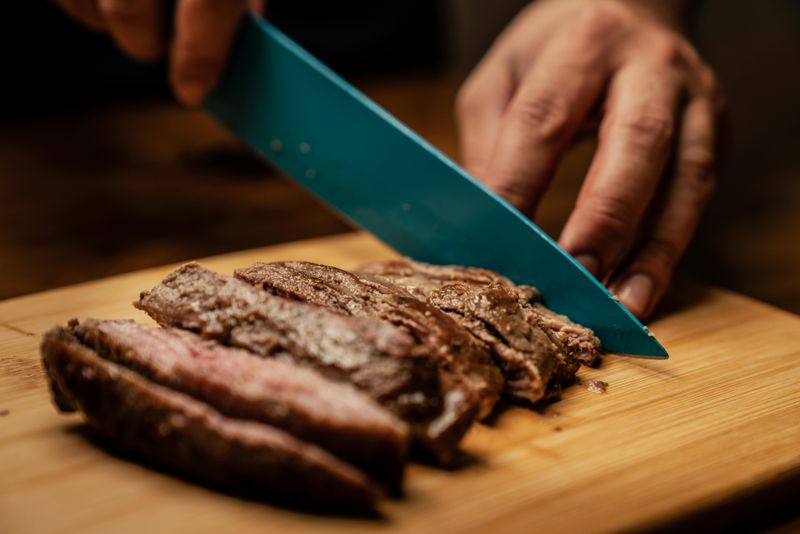
You’ve just pulled a perfect steak off the grill, and every instinct tells you to cut right in.
Resist that urge. Slicing into meat immediately after cooking causes all those delicious juices to flood your cutting board instead of staying in the meat.
During cooking, heat pushes moisture toward the center.
Resting allows those juices to redistribute evenly throughout.
For steaks and chops, five to ten minutes under a loose foil tent works perfectly.
Larger roasts need fifteen to thirty minutes.
The meat continues cooking slightly during this time, reaching its ideal final temperature while staying incredibly moist and tender.
9. Cooking Everything on High Heat
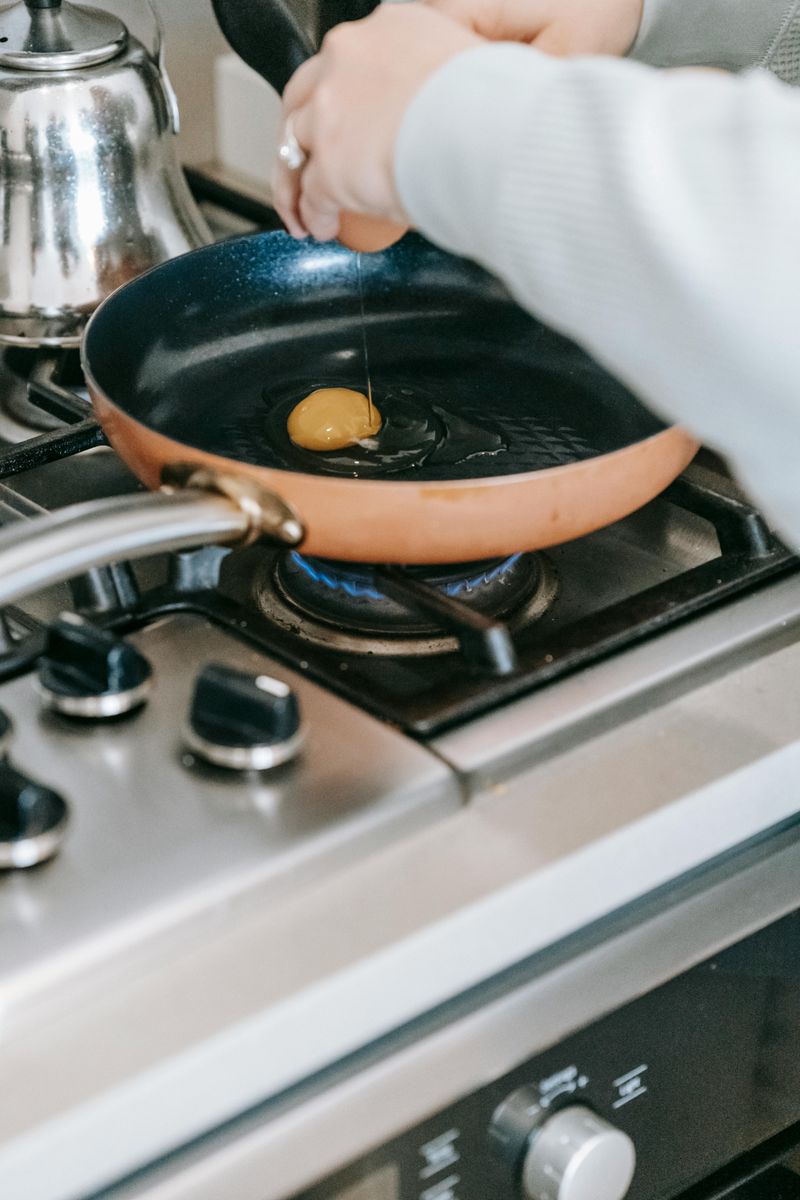
Bigger isn’t always better, and hotter isn’t always faster.
Many home cooks crank burners to maximum for every dish, thinking it saves time. Instead, they end up with burnt exteriors and raw interiors.
High heat works beautifully for searing steaks or stir-frying vegetables, but most cooking benefits from medium or medium-high temperatures.
Gentle heat allows flavors to develop, sauces to reduce without scorching, and proteins to cook through evenly.
Garlic turns bitter when blasted with high heat, and delicate fish falls apart.
Learn to adjust your temperature based on what you’re making, and you’ll see dramatic improvements in consistency and taste.
10. Not Cleaning as You Go
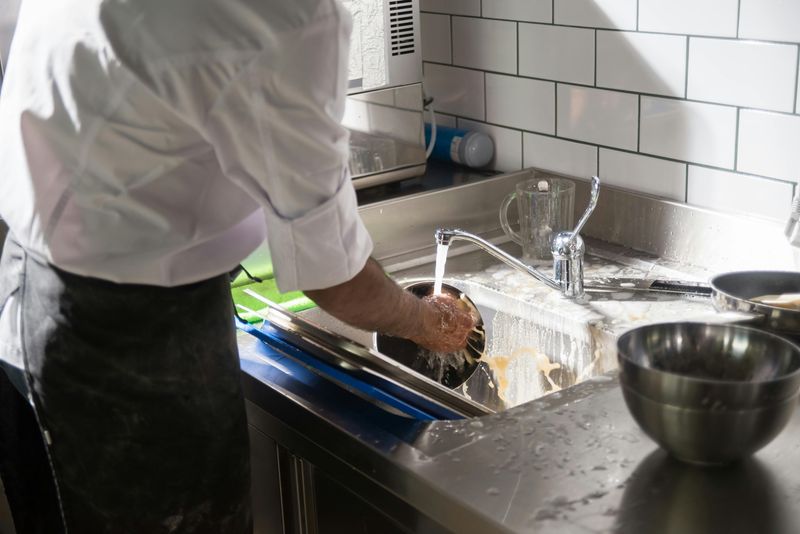
Picture a professional kitchen during dinner service: organized, efficient, spotless.
Now picture most home kitchens mid-recipe: chaos everywhere.
Cleaning as you cook isn’t about being neat; it’s about working smarter.
A cluttered workspace slows you down and increases the chance of mistakes like grabbing the wrong ingredient or knocking something over.
While your onions caramelize, wash that cutting board.
During those moments when food simmers, wipe down your counter.
This habit transforms cooking from a stressful mess into a smooth, enjoyable process.
Plus, you won’t face a mountain of dishes when dinner is finally ready.