 MomSkoop
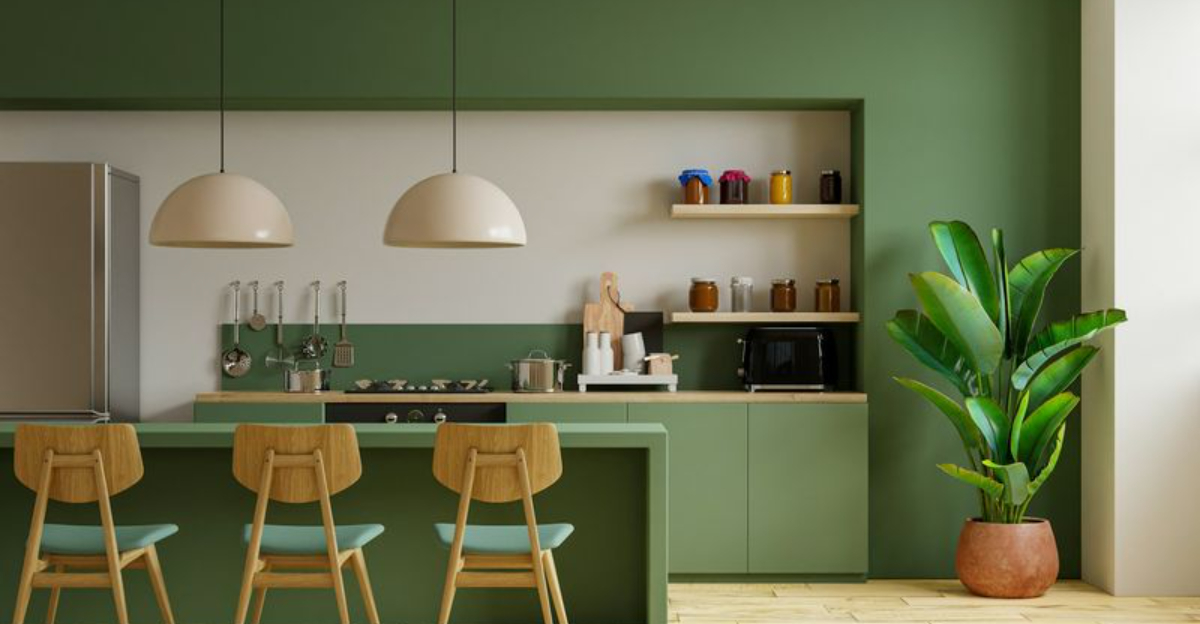
Kitchen design is constantly changing, and with every new trend comes a wave of opinions—some good, some not so much. The internet has become a battleground where homeowners, designers, and critics share their honest thoughts about what works and what doesn’t.
Some trends that once seemed perfect are now getting roasted online for being impractical, hard to maintain, or just plain overrated. Here are the kitchen styles that have sparked the most heated debates and negative feedback across social media and design forums.
1. All-White Kitchens
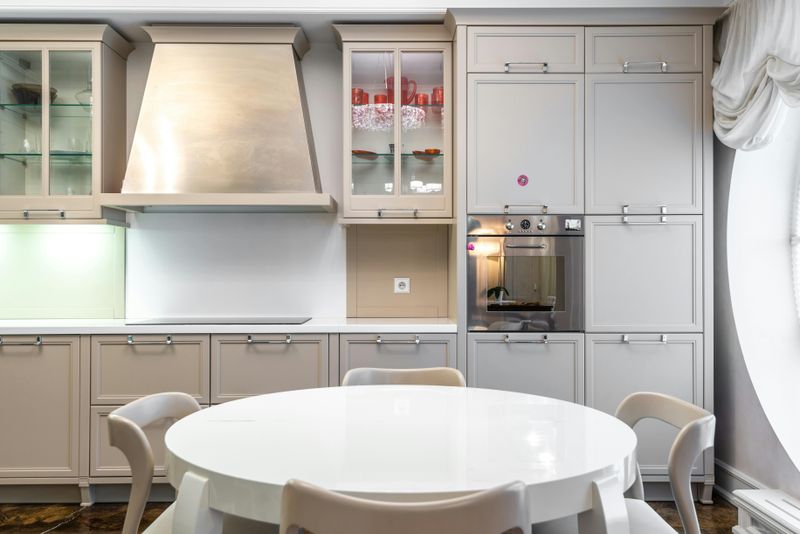
Bright and clean might sound ideal, but many people find all-white kitchens too sterile and boring.
Critics say these spaces lack warmth and personality, feeling more like a hospital than a cozy cooking area.
Keeping everything spotless becomes a full-time job since every spill, fingerprint, and smudge shows up instantly.
Grease stains and food splatters are especially noticeable on white surfaces.
Families with kids or pets often regret choosing this look because it demands constant cleaning.
Plus, the trend has been so popular for so long that it now feels overdone and unoriginal to many homeowners.
2. Open Shelving Instead of Upper Cabinets
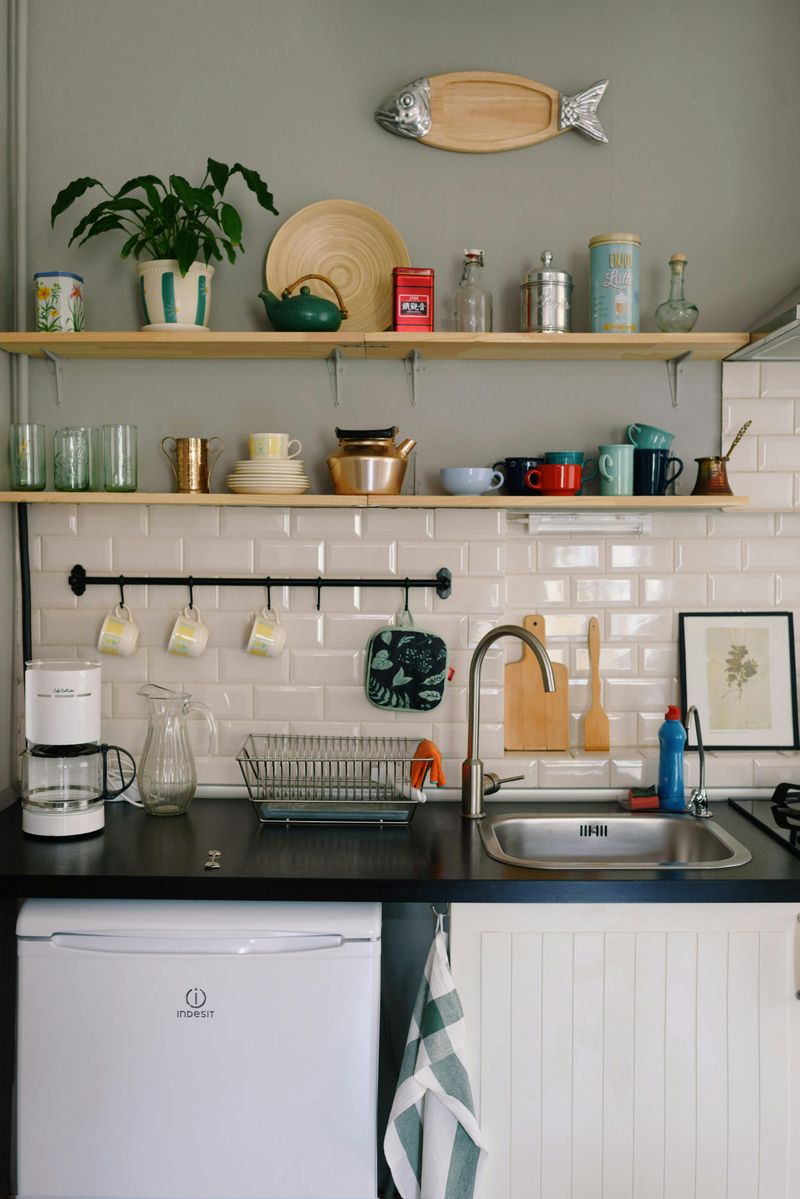
Removing upper cabinets for open shelves creates a spacious, airy vibe that looks great in photos.
However, real-life experience tells a different story.
Dust and grease from cooking settle on everything displayed, meaning you’ll need to wash dishes before using them.
There’s also pressure to keep shelves perfectly organized and styled, which isn’t realistic for busy households.
Items that don’t match your aesthetic have nowhere to hide, and you lose valuable storage space.
What works beautifully in magazines often becomes frustrating in everyday life.
Many homeowners eventually add cabinets back after realizing open shelving isn’t as practical as they hoped.
3. Farmhouse Sinks (Apron-Front Sinks)
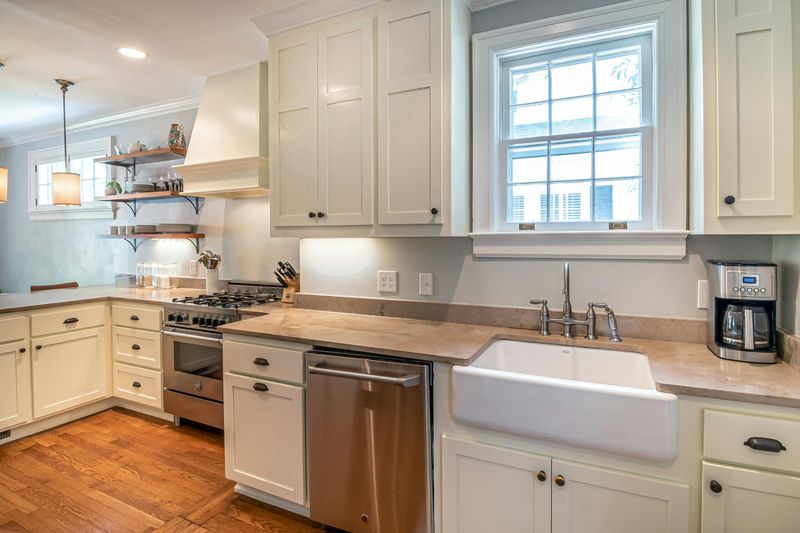
These deep, wide sinks became wildly popular thanks to country-style design trends.
Unfortunately, they come with annoying downsides that critics love to point out.
Water splashes everywhere because the front edge sits forward, soaking your clothes and the floor.
The cabinet underneath takes a beating from constant moisture exposure, leading to potential damage over time.
Installation can be tricky and expensive since they require special cabinets.
Some people also argue the farmhouse look has become too trendy and will soon feel dated.
What once seemed charming now strikes many as an overplayed design choice that causes more problems than it solves.
4. Minimalist, Handle-Less Cabinets
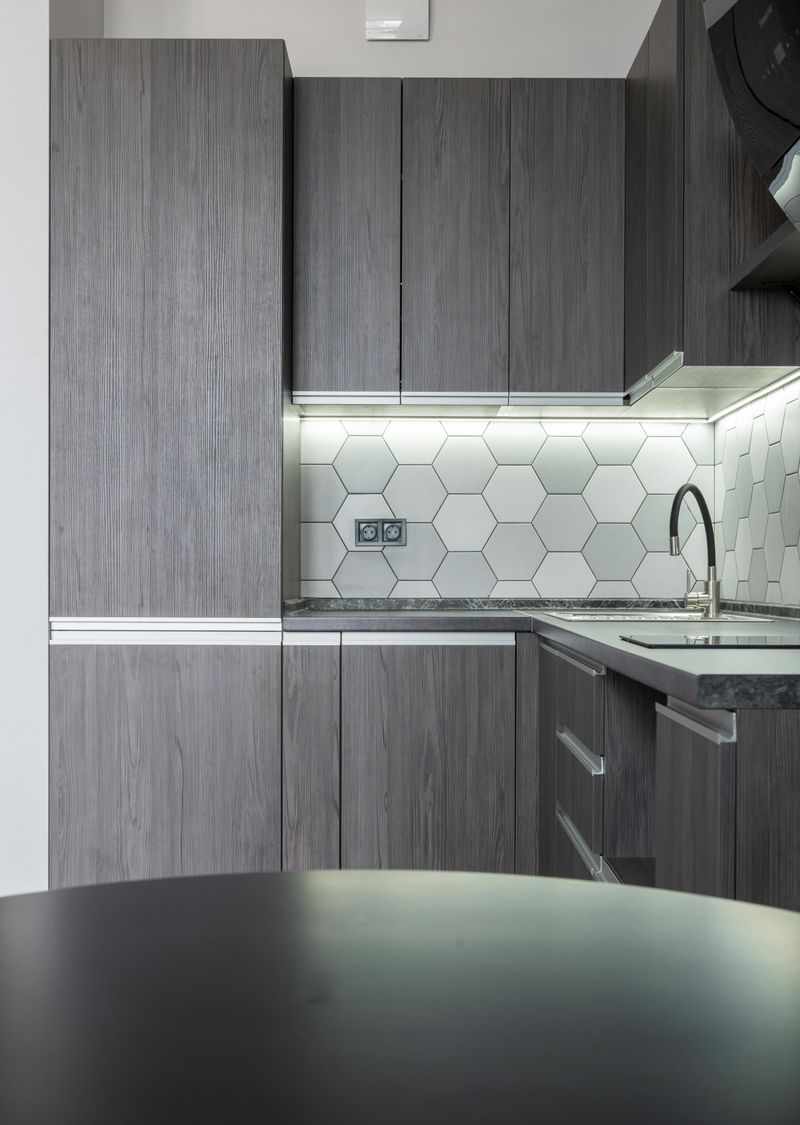
Smooth, handle-free cabinets create a sleek, modern look that many designers love.
But living with them reveals frustrating issues.
Fingerprints and hand oils leave visible marks on the cabinet fronts, especially on darker finishes.
Opening them requires pushing or using hidden grooves, which feels awkward when your hands are full or wet.
The push-to-open mechanisms can malfunction or wear out over time.
Critics also say these kitchens feel cold and unwelcoming, lacking the warmth that traditional hardware provides.
The minimalist aesthetic might photograph well, but it doesn’t always translate to comfortable, functional daily use for real families.
5. Industrial-Style Kitchens
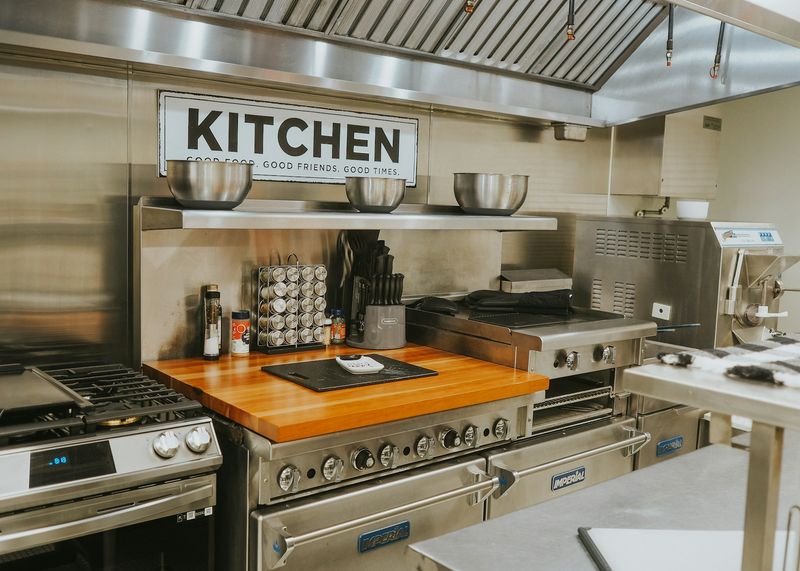
Exposed pipes, concrete surfaces, and metal everywhere might work in trendy restaurants, but homes are a different story.
Many people find industrial kitchens too harsh and unwelcoming for daily family life.
The cold materials and unfinished look can make the space feel more like a warehouse than a warm gathering place.
Concrete counters can stain easily and require special maintenance.
Metal surfaces show every fingerprint and scratch.
The style often lacks the softness and comfort people want in their homes.
Critics argue this trend prioritizes edgy aesthetics over creating a space where families actually want to spend time together cooking and eating.
6. Dark or Black Kitchens
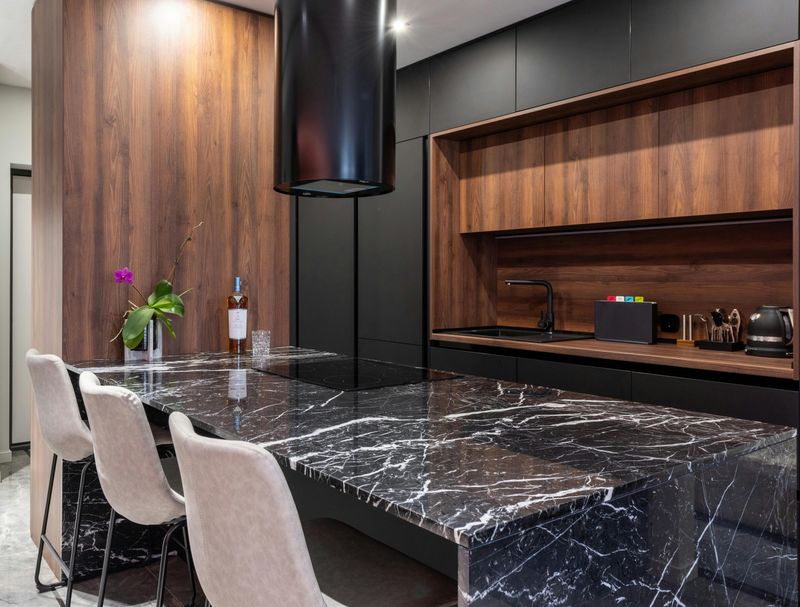
Bold and dramatic, dark kitchens make a strong visual statement that some homeowners absolutely love.
But the internet has plenty of complaints about this trend.
Dark colors make spaces feel smaller and can create a gloomy atmosphere if lighting isn’t perfect.
Dust, crumbs, and water spots show up easily on black surfaces, requiring frequent wiping.
Without enough natural light or quality fixtures, these kitchens can feel depressing rather than sophisticated.
The dark palette also limits your flexibility with decor and accessories.
What seems moody and stylish at first can become tiresome to live with daily, especially in homes without abundant sunlight.
7. Oversized Kitchen Islands
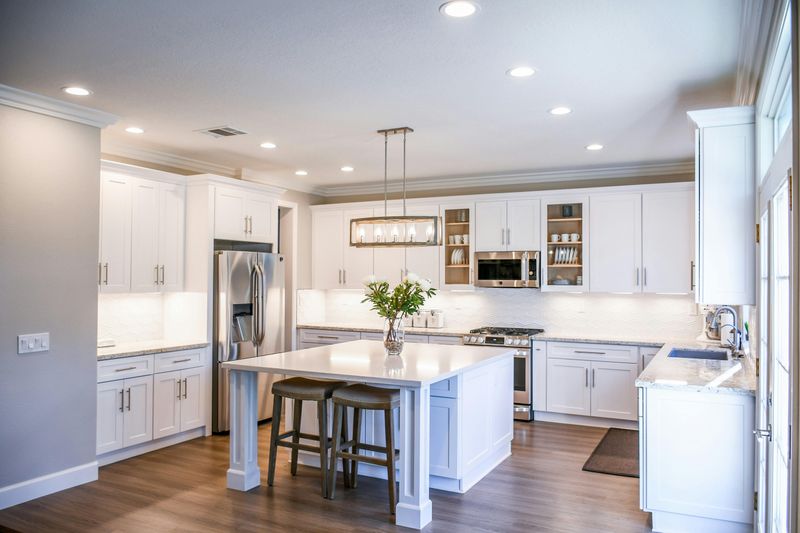
Everyone wants a kitchen island, but bigger isn’t always better.
Oversized islands often dominate the room, making it difficult to move around comfortably.
They block natural traffic flow and can make the kitchen feel cramped rather than spacious.
In average-sized homes, they’re often unnecessary and wasteful, taking up valuable floor space without adding real functionality.
The massive countertop becomes a clutter magnet where mail, bags, and random items pile up.
Critics point out that proper kitchen design requires balance and proportion.
A giant island might look impressive, but it can actually make cooking and entertaining less efficient and more frustrating.