 MomSkoop

Every generation thinks it has the world figured out—but sometimes, the old-school wisdom still holds up. While Gen Z is redefining culture, work, and technology in exciting ways, there are a few classic Boomer beliefs that may have been right all along.
From face-to-face communication to financial habits and everyday life skills, these timeless lessons continue to prove their value in a fast-changing world. Gen Z might roll their eyes at some of these ideas, but here are 14 things Boomers got surprisingly right.
1. Repairing Instead Of Replacing
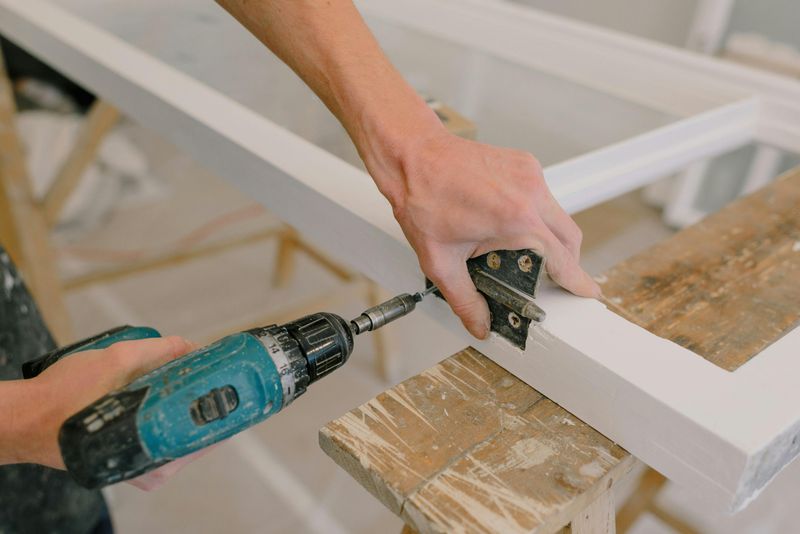
Throwing away broken items has become second nature in our fast-paced world.
Boomers learned to sew torn clothes, glue broken furniture, and fix appliances instead of buying new ones.
This mindset saved money and reduced waste dramatically.
Today, landfills overflow with perfectly fixable items that people replaced out of convenience.
Learning basic repair skills gives you independence and saves hundreds of dollars yearly.
Plus, fixing something yourself brings genuine satisfaction that clicking “buy now” never will.
Your wallet and the planet both benefit when you choose repair over replacement.
Maybe those YouTube repair tutorials deserve more attention than the latest gadget reviews.
2. Dressing Up For Work

Sweatpants might feel comfortable, but they blur the line between relaxation and productivity.
Boomers understood that putting on proper work clothes signals your brain that it is time to focus and perform.
Creating a physical boundary between your lounge time and your work time helps your brain switch gears.
Even working from home, changing into presentable clothing boosts confidence and professionalism.
Studies show people perform better on tasks when dressed formally versus casually.
Your appearance affects how colleagues perceive you during video calls too.
That polished look communicates respect for your job and the people you work with daily.
Sometimes the simple act of buttoning a collar changes everything.
3. Picking Up The Phone

Texting is convenient, but some conversations deserve more than typed words and emojis.
Boomers knew that hearing someone’s voice builds stronger connections and prevents misunderstandings.
Voice communication carries the emotional nuance that emojis simply cannot replicate.
A five-minute phone call often resolves issues that would take twenty text messages back and forth.
You catch tone, emotion, and meaning that gets lost in digital translation.
Important news, apologies, or complex topics deserve the intimacy of actual voices.
Phone calls show you care enough to give someone your undivided attention.
Next time you reach for your keyboard, consider dialing instead and watch relationships deepen remarkably.
4. Buying Homes Early

Waiting for the perfect moment to buy property often means never buying at all.
Boomers purchased homes young, even modest ones, building equity instead of paying rent forever.
Real estate historically appreciates, turning monthly payments into long-term wealth.
Rent money vanishes every month, while mortgage payments build ownership and financial security.
Starting small with a starter home beats renting while dreaming of mansions.
Home ownership provides stability, tax benefits, and freedom to customize your space however you want.
Even with high interest rates, owning beats renting over time.
Those Boomers who bought early now own valuable assets, while renters still search for affordable apartments decades later.
5. Leaving Work At The Office

Smartphones turned everyone into twenty-four-hour employees, but constant availability destroys mental health.
Boomers clocked out at five and genuinely disconnected until the next morning.
This separation protected family time, hobbies, and essential rest from work stress.
Always being reachable leads to burnout, resentment, and decreased productivity over time.
Your brain needs complete breaks to recharge and maintain creativity.
Setting boundaries around work hours actually makes you better at your job.
Employers respect people who protect their time more than those always available.
Turning off notifications after hours is not lazy, it is smart self-care that previous generations understood instinctively.
6. Prioritizing In-Person Socializing

Video chats and social media cannot replace the warmth of sharing physical space with friends.
Boomers met friends for coffee, dinner, or just to hang out without screens mediating every interaction.
Face-to-face time builds deeper bonds and creates memories that online chats never match.
Human beings need real touch, eye contact, and shared experiences to feel truly connected.
Studies link in-person socializing with better mental health and longer lifespans.
Meeting up takes more effort than texting, but that effort shows people they truly matter to you.
Laughter sounds better in person, and hugs work much better than emoji hearts.
Your grandparents understood something vital about human connection that algorithms will never replicate.
7. Using Cash
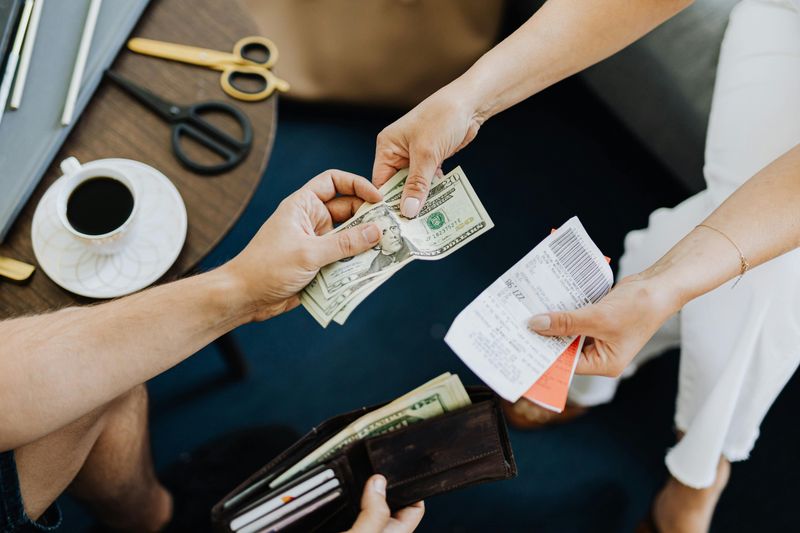
Swiping cards makes spending feel abstract, leading to overspending and mounting debt.
Boomers used physical cash, which made every purchase feel real and helped control budgets naturally.
Handing over actual bills creates psychological awareness that tapping a card never does.
Cash transactions are private, secure from hacking, and teach valuable money management skills.
You cannot overspend cash you do not have, preventing credit card debt spirals.
Studies show people spend significantly less when using cash versus cards for everyday purchases.
Plus, small businesses often prefer cash to avoid transaction fees.
Carrying some bills in your wallet might feel old-fashioned, but your bank account will thank you later.
8. Maintaining Privacy

Sharing every life detail online feels normal now, but it comes with serious consequences.
Boomers kept personal matters private, protecting themselves from judgment, identity theft, and future regrets.
Not everything needs broadcasting to hundreds of strangers who barely know you.
Oversharing creates digital footprints that employers, colleges, and others can find forever.
Privacy protects your security, reputation, and mental health from online toxicity.
Special moments become more meaningful when experienced fully rather than performed for social media.
Mystery and boundaries make people more interesting than those who reveal everything constantly.
Sometimes the best memories are the ones only you and your loved ones know about intimately.
9. Deep Reading Habits

Scrolling through short posts has replaced the focused concentration that books require.
Boomers spent hours absorbed in novels, building attention spans and critical thinking skills.
Deep reading improves vocabulary, empathy, and the ability to understand complex ideas thoroughly.
Constant digital skimming rewires brains for distraction rather than sustained focus.
Books offer complete narratives and developed arguments that social media posts cannot match.
Reading physical books also reduces screen time and improves sleep quality significantly.
The patience required for reading transfers to other life areas, making you better at everything.
That dusty bookshelf in your home might hold more value than any streaming service subscription ever will.
10. Cooking From Scratch
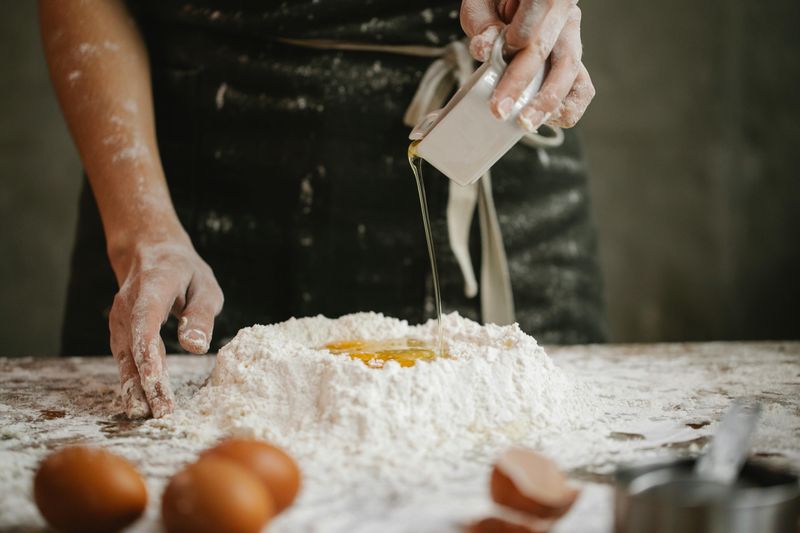
Takeout apps make eating convenient but expensive, unhealthy, and surprisingly unsatisfying.
Boomers cooked real meals from basic ingredients, controlling nutrition and saving substantial money.
Home cooking lets you avoid processed foods, excess salt, and mystery ingredients restaurants use.
Learning to cook builds life skills, impresses others, and gives creative satisfaction.
Meals prepared at home typically cost a fraction of restaurant prices for better quality.
Cooking together also creates family bonding time that ordering delivery never provides.
The skills you develop in the kitchen last a lifetime and improve overall health dramatically.
Those recipe cards your grandmother saved might be worth more than any meal delivery subscription.
11. Writing Thank You Notes
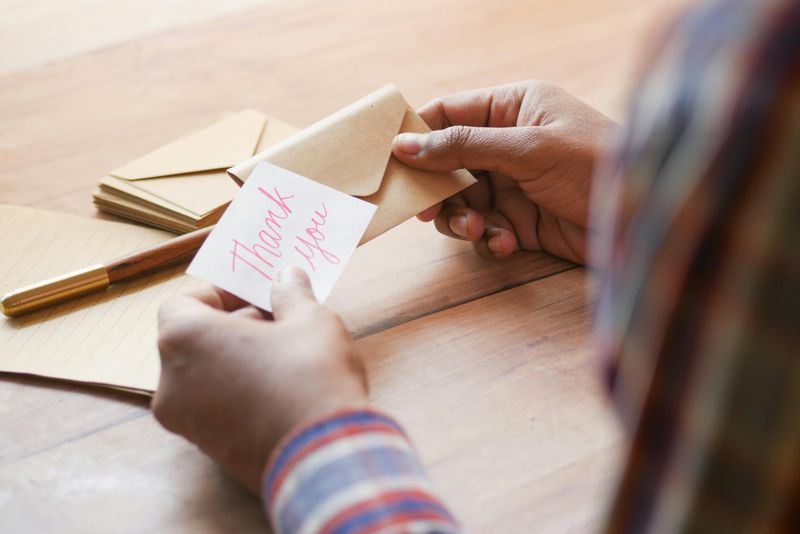
Quick texts saying thanks feel impersonal compared to handwritten notes that show genuine appreciation.
Boomers wrote thank you cards after receiving gifts or kindness, making people feel truly valued.
Taking time to write by hand demonstrates effort and thoughtfulness that digital messages lack.
Recipients often keep handwritten notes for years, while texts get deleted within days.
Gratitude expressed on paper strengthens relationships and leaves lasting positive impressions.
Thank you notes stand out dramatically in our digital age, making you memorable and respectful.
The habit also cultivates mindfulness about the kindness others show you daily.
A box of nice stationery costs little but creates goodwill worth far more than money.
12. Ironing Sheets And Clothes
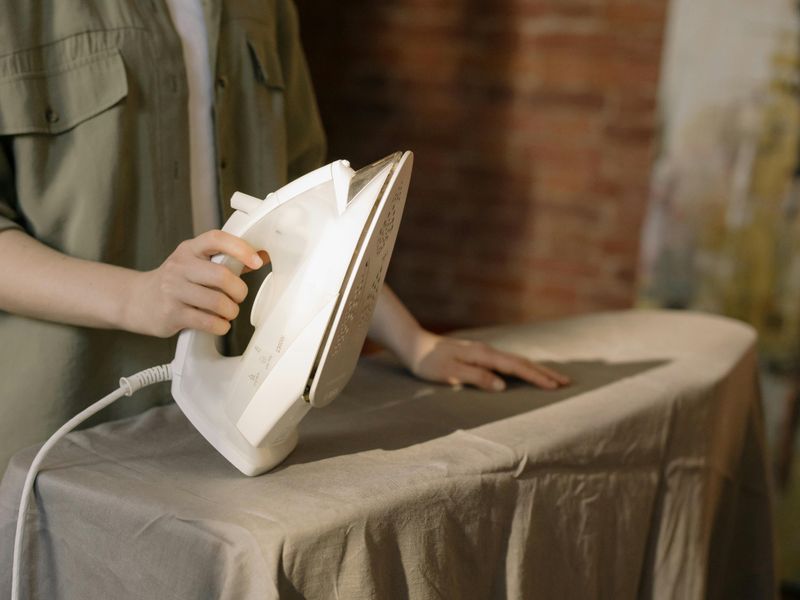
Wrinkled clothes and bedding feel sloppy, but smooth fabrics elevate your entire day.
Boomers ironed everything, understanding that crisp clothes boost confidence and show self-respect.
Pressed clothing looks professional and makes better impressions in every situation.
Sleeping on freshly ironed sheets feels luxurious and helps you rest better.
Taking time to iron demonstrates care for your appearance and environment.
The ritual of ironing can be meditative, providing quiet time to think and unwind.
Well-maintained clothes also last longer, saving money on constant replacements.
That iron gathering dust in your closet might be the secret to looking and feeling more put-together daily.
13. Keeping A Paper Trail

Before apps tracked every payment, appointment, and warranty, people kept real records they could actually find.
Boomers saved receipts, filed manuals, and wrote important dates on calendars, which made everyday life less chaotic.
When something broke or a bill looked wrong, they had proof instead of panic.
That habit still matters because digital clutter disappears fast, passwords get forgotten, and inboxes become black holes.
A simple folder, notebook, or printed copy can save you time, money, and a surprising amount of stress when life gets messy.
It is not glamorous, but it is the kind of boring system that really works.
14. Being On Time

Showing up a little early used to signal respect, competence, and a basic sense of responsibility.
Boomers treated punctuality like part of their character, not a flexible suggestion based on traffic, texts, or vibes.
Being on time told other people their schedules mattered too, whether it was work, dinner, or a doctor appointment.
That standard feels old-fashioned now, but it still opens doors in ways people underestimate.
When you are reliable without excuses, trust builds faster, opportunities come easier, and you stand out for doing something surprisingly rare: exactly what you said you would do every single time for others.