 MomSkoop
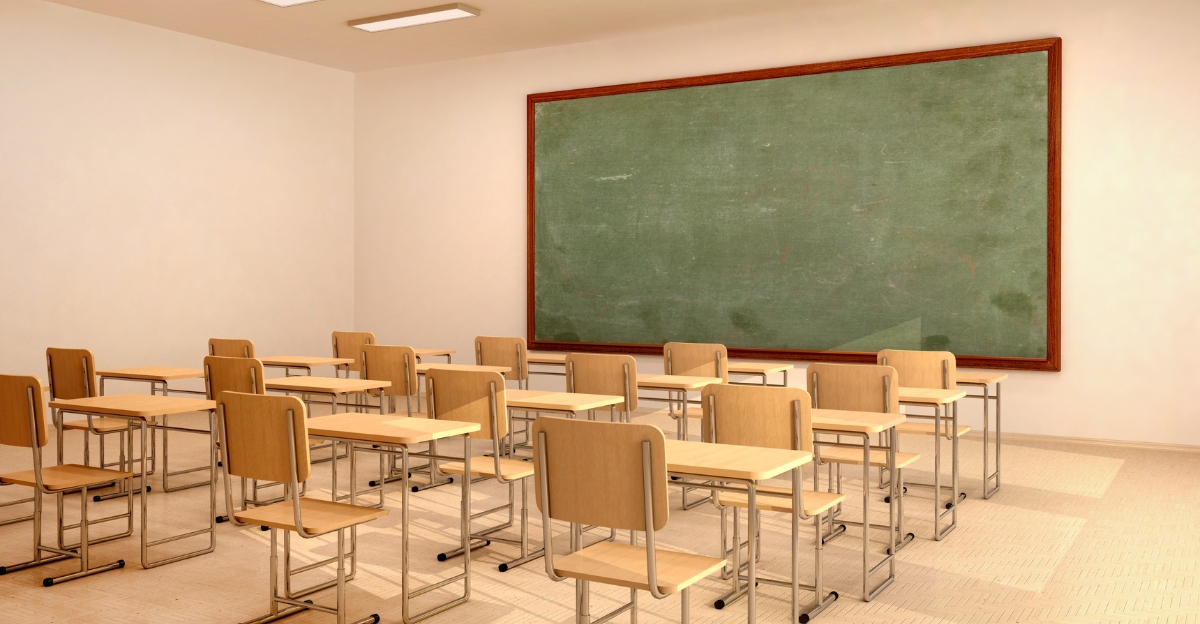
High school looked pretty different just a couple of decades ago.
Classrooms were filled with sounds, tools, and traditions that shaped how students learned and connected with each other.
Many of those everyday items have quietly disappeared, replaced by newer technology or simply forgotten as times changed.
Take a walk down memory lane and see how many of these you remember from your own school days.
1. Chalkboards and Chalk Dust Everywhere
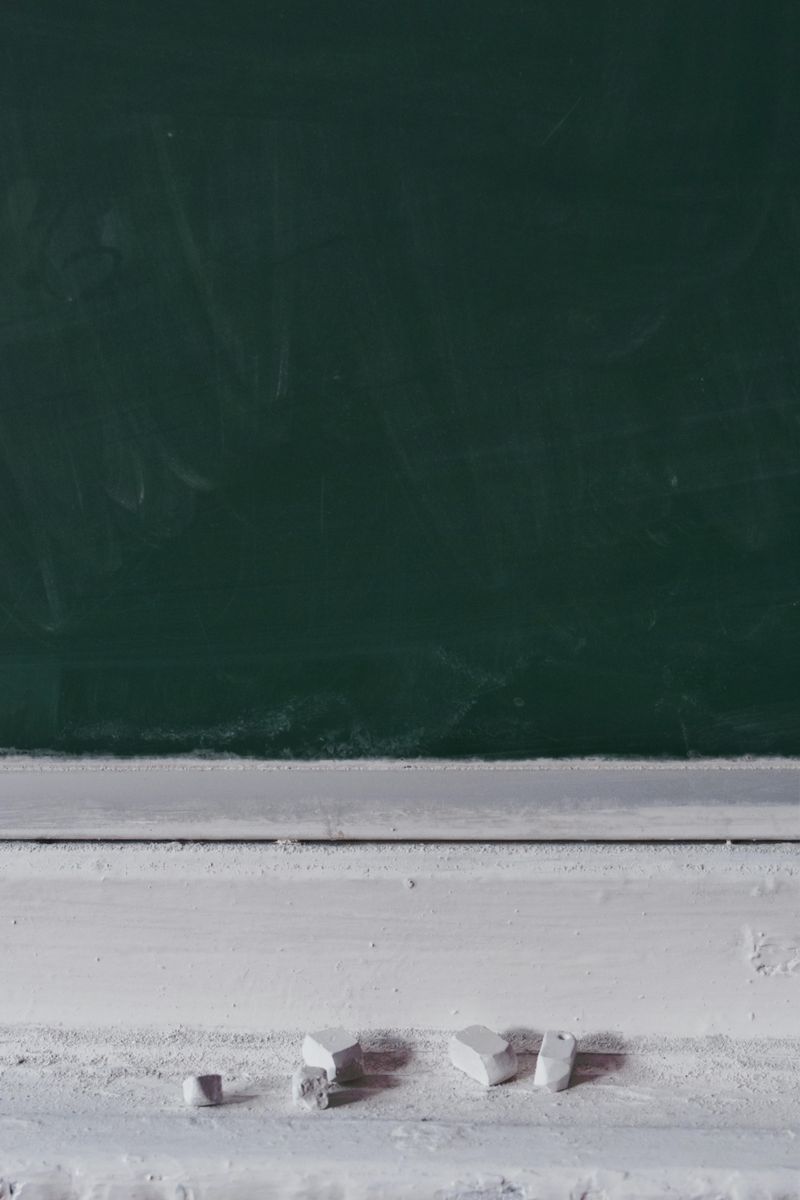
Classrooms once echoed with the squeak of chalk against dusty green or black boards.
Teachers would fill every inch with notes, diagrams, and homework assignments while students scrambled to copy everything down before it got erased.
The smell of chalk dust was unmistakable, and erasers needed constant clapping outside to get the powder out.
Some kids were chosen as special helpers to clean the boards and erasers after class.
Now, whiteboards and interactive smartboards have taken over, offering cleaner surfaces and digital capabilities.
The nostalgic sound of chalk tapping and the cloud of dust are memories most modern students will never experience firsthand.
2. Manual Pencil Sharpeners Mounted on Walls
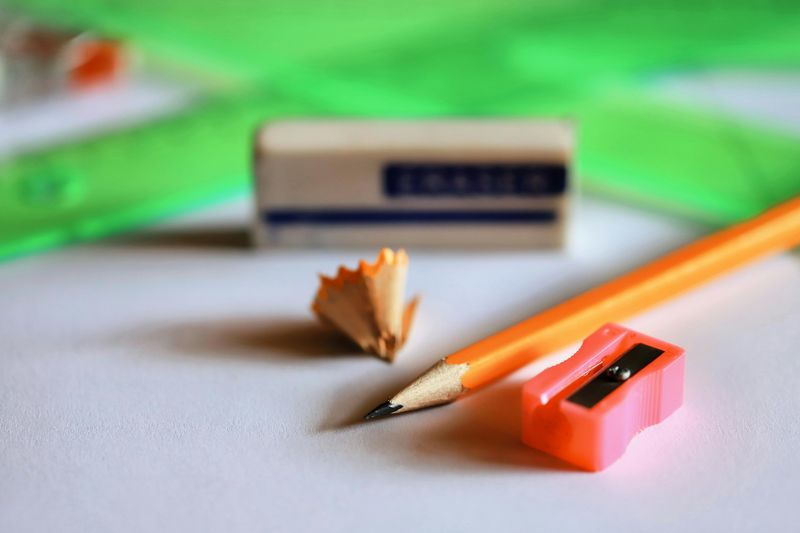
Every classroom had at least one manual pencil sharpener bolted to the wall near the teacher’s desk.
The grinding sound it made became background music during tests and quiet work time, sometimes driving teachers a little crazy.
Sharpening your pencil was a mini-break from classwork, and some students took their sweet time cranking the handle.
You had to get the angle just right, or you’d end up with a lopsided point or a broken tip.
Electric sharpeners and mechanical pencils have mostly replaced these trusty tools.
Still, there was something satisfying about the manual effort and watching those perfect wood curls fall into the collection bin below.
3. Library Card Catalog Cabinets
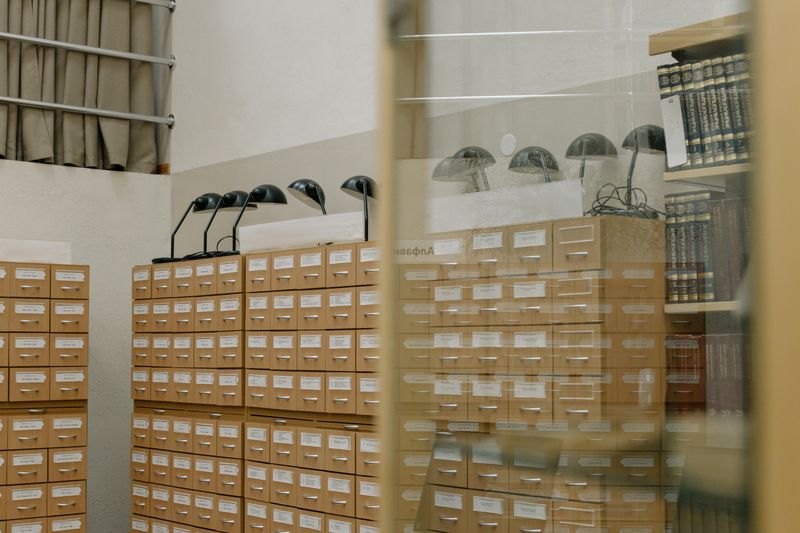
Before search engines and databases, finding a book meant flipping through hundreds of small cards organized in wooden drawers.
Each card contained handwritten or typed information about a single book’s title, author, and location in the library.
The Dewey Decimal System ruled everything, and students had to memorize how to navigate the catalog efficiently.
Pulling out those narrow drawers and thumbing through cards felt like a treasure hunt.
Computerized systems have made research infinitely faster and more efficient.
Yet something magical existed in physically searching through those cards, discovering unexpected titles along the way, and mastering a system that required real skill and patience to use well.
4. Typewriters in Typing Class
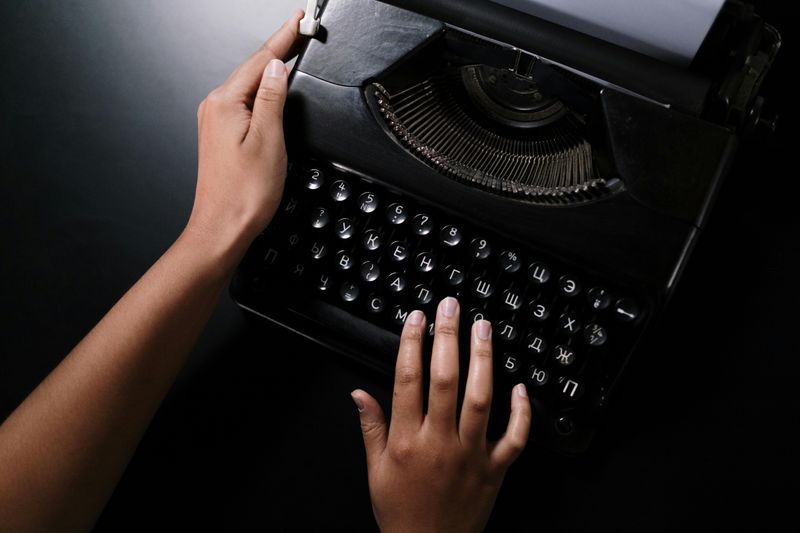
Typing class meant rows of heavy manual or electric typewriters, each one demanding proper finger placement and serious concentration.
The rhythmic clacking filled the room as students practiced their speed and accuracy on real keys that required actual force to press.
Making mistakes meant using correction tape or liquid, and there was no delete button to save you.
Teachers walked between desks, listening for proper technique and calling out drills that built muscle memory.
Laptops and computer keyboards have completely transformed how students learn to type today.
However, those old typewriters taught discipline and precision in ways that touchscreens and backspace keys simply cannot replicate in modern classrooms.
5. Cursive Handwriting Practice
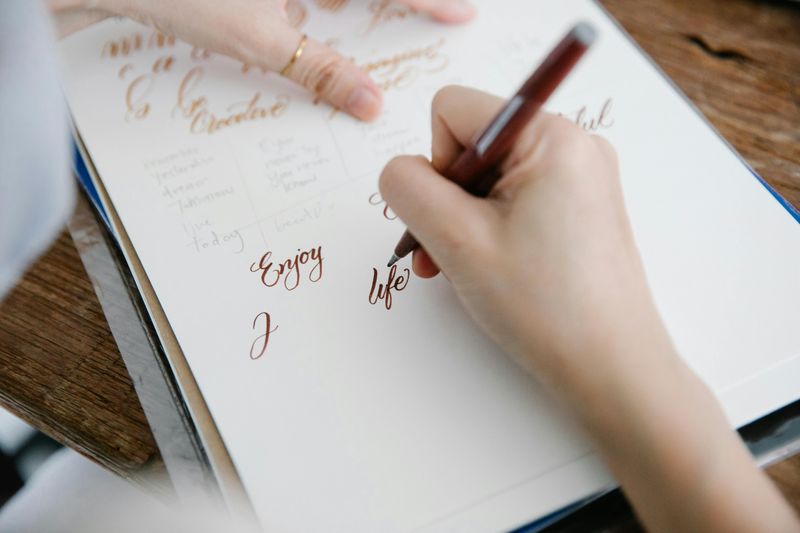
Entire class periods were once dedicated to mastering the flowing loops and connections of cursive writing.
Students filled workbooks with repeated letters, trying to match the perfect examples printed at the top of each page.
Teachers emphasized that cursive would be essential for signing documents and writing quickly throughout life.
Special pens and proper posture were part of the curriculum, and penmanship grades appeared on report cards.
Most schools have dropped cursive as a requirement, focusing instead on keyboard skills and digital communication.
Many young people today cannot read cursive writing at all, making old letters and historical documents inaccessible without translation or special instruction from older generations.
6. Home Economics as a Core Class

Home Ec taught practical life skills like cooking, sewing, budgeting, and basic nutrition in dedicated classrooms with stoves and sewing machines.
Both boys and girls learned how to prepare meals, mend clothing, and manage household responsibilities.
Students baked cookies, hemmed pants, and created budgets for imaginary families as part of their regular coursework.
The class was considered essential preparation for adult independence and family life.
Budget cuts and changing priorities have eliminated or drastically reduced these programs in most schools.
The skills once taught in Home Ec are now often learned at home or through online tutorials, leaving many young adults unprepared for basic tasks like cooking nutritious meals or sewing on buttons.
7. Overhead Projectors and AV Carts
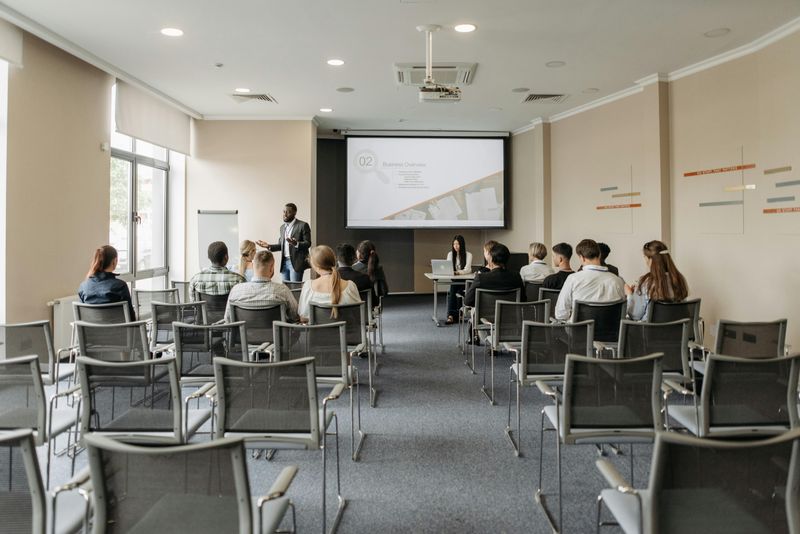
Teachers once wrote on transparent plastic sheets placed on overhead projectors that beamed images onto pull-down screens or blank walls.
The bright light and whirring fan became familiar classroom companions during presentations and lectures.
AV carts rolled from room to room, carrying bulky televisions and VCRs for special movie days or educational videos.
Students got excited whenever they spotted one being wheeled down the hallway toward their classroom.
Digital projectors connected to computers have made these machines obsolete in most schools.
The overhead projector’s warm glow and the anticipation of seeing that AV cart are experiences that belong firmly in the past for today’s tech-savvy students.
8. Paper Attendance Registers and Report Cards

Teachers marked attendance by hand in large bound registers, carefully recording each absence and tardy with pen and ink.
At grading time, report cards were filled out individually and sent home in envelopes for parent signatures.
Office staff spent hours transferring information from classroom registers to permanent records stored in filing cabinets.
Lost report cards meant tedious manual recreation of grades from teacher gradebooks.
Digital attendance systems and online grade portals have streamlined everything, giving parents real-time access to their children’s academic progress.
The personal touch of a teacher’s handwritten comments has largely disappeared, replaced by standardized codes and automated messages that lack the warmth of those carefully penned notes.
9. Dodgeball as Required Gym Class
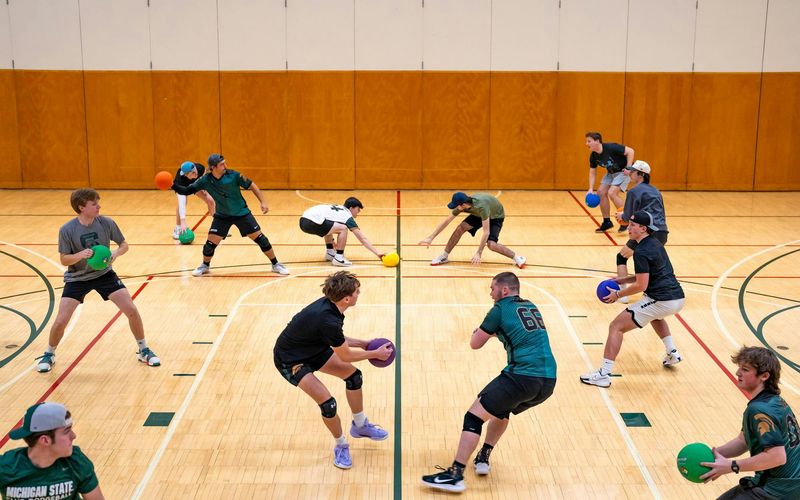
Gym class meant dodgeball tournaments where students threw rubber balls at each other until only one team remained standing.
The game was fast, competitive, and sometimes a little rough, but it was considered a staple of physical education.
Kids either loved the adrenaline rush or dreaded being targeted by stronger throwers.
Getting hit meant sitting out until a teammate caught a ball to bring you back in.
Safety concerns and anti-bullying policies have led many schools to ban dodgeball entirely or replace it with gentler alternatives.
Critics argued the game encouraged aggression and singled out less athletic students, though supporters maintain it taught quick reflexes, teamwork, and resilience under pressure.
10. Analog Clocks on Every Wall
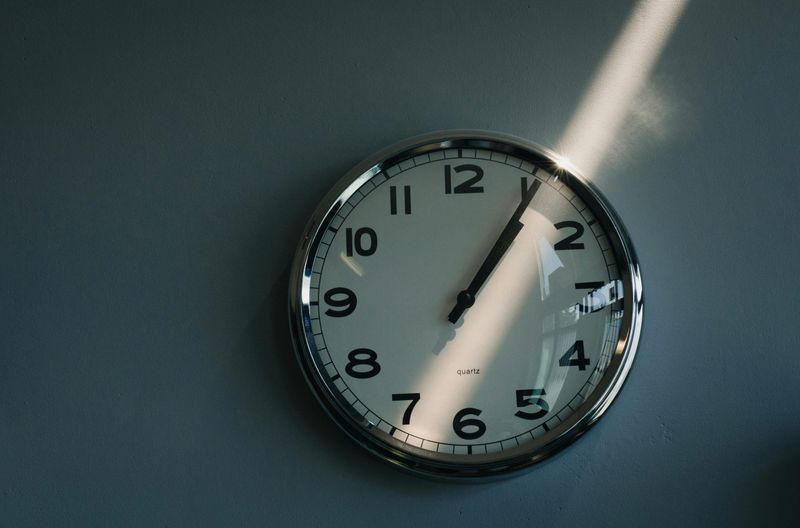
Round analog clocks with moving hands hung prominently in every classroom, their quiet ticking marking the passage of each school day.
Students learned to read traditional clock faces as part of their early education.
Watching the minute hand creep toward dismissal time was a universal experience, and students became experts at calculating exactly how many minutes remained.
Teachers referenced the clock constantly for time management and scheduling.
Digital clocks displaying exact numerical times have become the standard in modern classrooms and hallways.
Many young people now struggle to read analog clocks quickly, relying instead on their phones and digital devices for time information throughout their daily lives and activities.
11. Floppy Disks and CD-ROM Encyclopedias
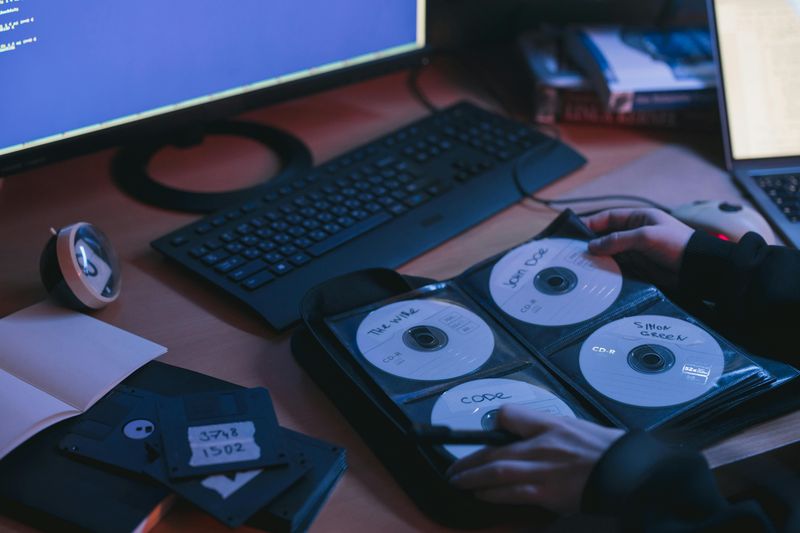
Computer labs and media centers stocked shelves of floppy disks for saving student work and CD-ROM encyclopedias for research projects.
Students carefully labeled their 3.5-inch disks and guarded them like precious cargo.
Encarta and other multimedia encyclopedias on CD came with videos, sound clips, and interactive features that seemed incredibly advanced at the time.
Loading information from a disc took patience as progress bars slowly filled.
Cloud storage and internet access have made physical storage media completely unnecessary in educational settings.
The satisfying click of inserting a floppy disk and the excitement of exploring CD-ROM content are experiences that modern students will never understand or appreciate firsthand.