 MomSkoop
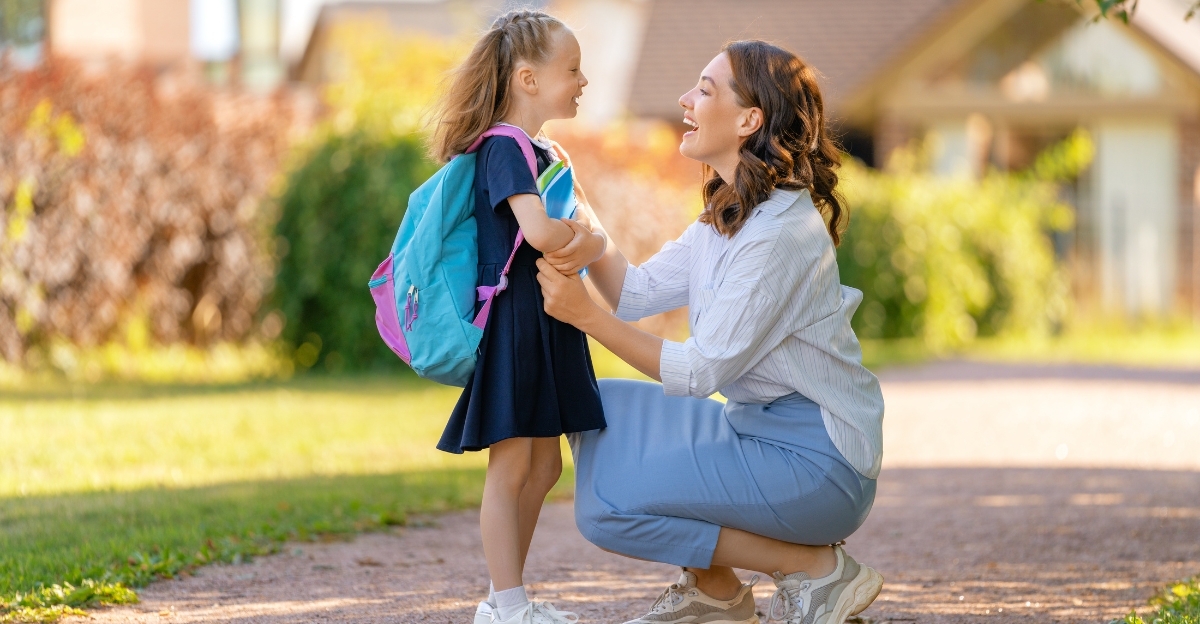
Children possess a remarkable ability to heal from emotional wounds with grace and speed that often leaves adults in awe.
Their unspoken behaviors reveal profound truths about recovery, connection, and resilience that we tend to forget as we grow older.
Watching how kids navigate hurt and bounce back offers invaluable lessons that can transform our own healing journeys.
These twelve powerful truths remind us that sometimes the best teachers never need to say a word.
1. Living Fully in the Present Moment
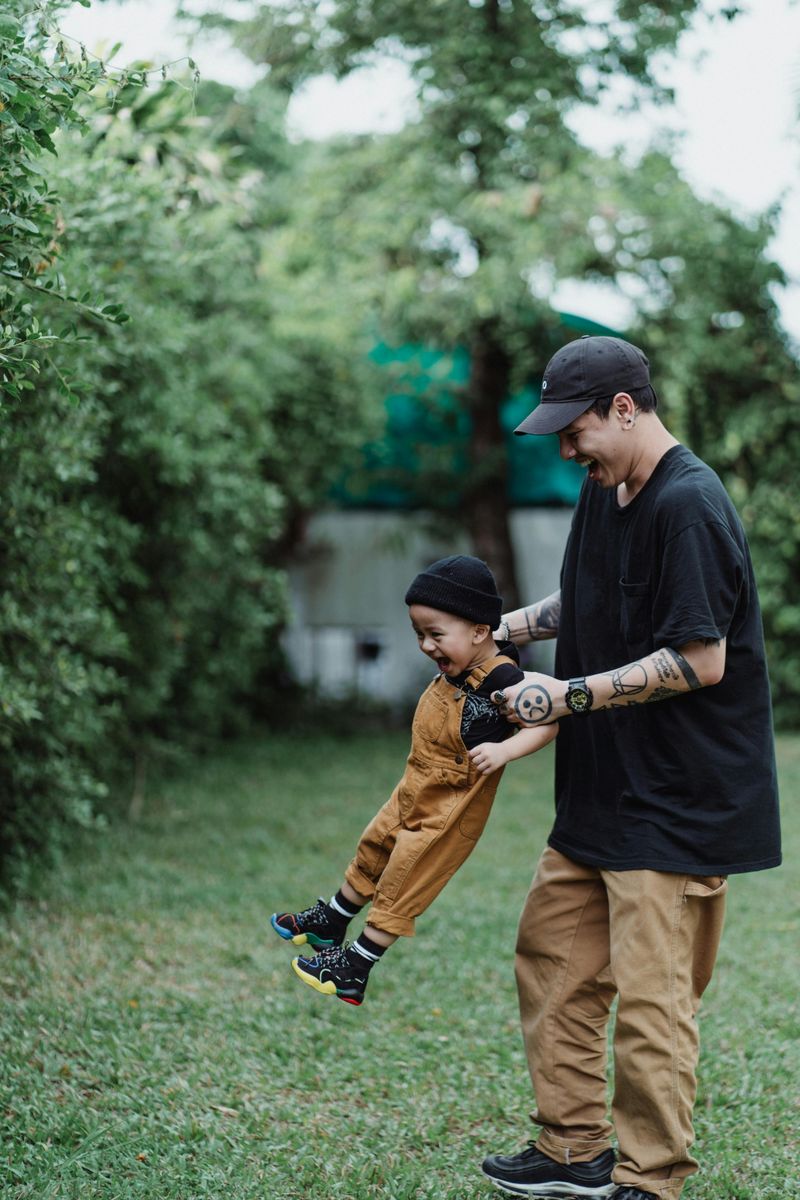
Kids have an incredible talent for staying anchored in the here and now, rarely dwelling on yesterday’s disappointments.
When a child falls and scrapes their knee, they cry, get a bandage, and within minutes are back to playing as if nothing happened.
This isn’t denial—it’s a natural understanding that the present moment is where life actually happens.
Adults tend to replay painful memories over and over, keeping wounds fresh long after they should have healed.
Children show us that moving forward doesn’t mean forgetting; it means choosing not to let the past steal today’s joy.
Their example teaches us that healing accelerates when we stop feeding old hurts with constant attention and instead focus our energy on what’s right in front of us.
2. Expressing Emotions Without Shame

Ever notice how children cry when they’re sad without worrying about what others might think?
They haven’t yet learned to hide their feelings behind masks of composure or toughness.
When something hurts, they let the tears flow freely, releasing the pain rather than bottling it up inside.
This emotional honesty is incredibly healing.
Suppressed feelings don’t disappear—they fester and grow stronger in the darkness.
Kids instinctively know that expressing hurt helps it pass through them more quickly.
As adults, we’ve been taught that crying is weakness or that showing vulnerability makes us targets.
Children remind us that authentic emotional expression is actually a sign of strength and a crucial step in processing pain and moving toward wholeness.
3. Finding Joy Even While Recovering
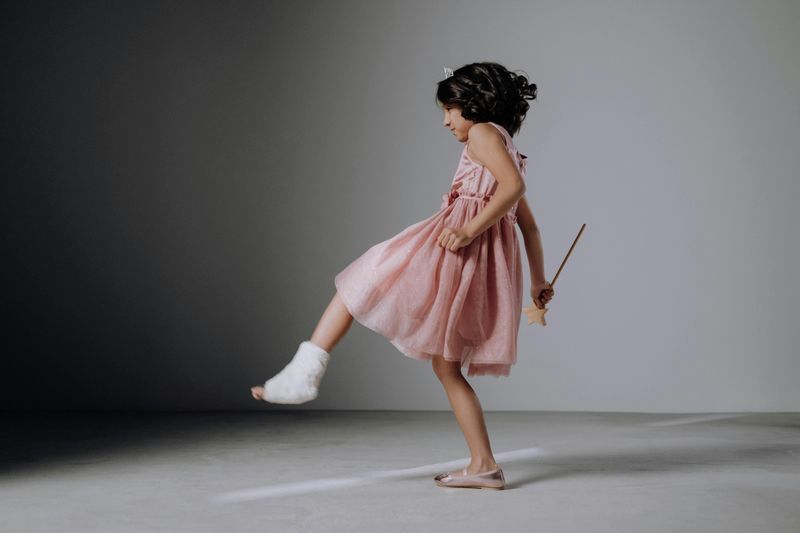
Children possess this magical ability to laugh and play even when they’re still healing from something difficult.
A child who experienced a scary medical procedure might be playing with toys in the hospital room hours later, finding moments of happiness despite lingering discomfort.
They don’t wait until everything is perfect to experience joy again.
Many adults put happiness on hold, thinking they need to be completely healed before they deserve to feel good.
Kids teach us that joy and healing aren’t opposites—they’re partners.
Laughter actually helps the body and mind recover faster by reducing stress hormones and boosting immune function.
Children intuitively understand that seeking out moments of delight isn’t disrespectful to their pain; it’s an essential part of the recovery process itself.
4. Bouncing Back with Natural Resilience
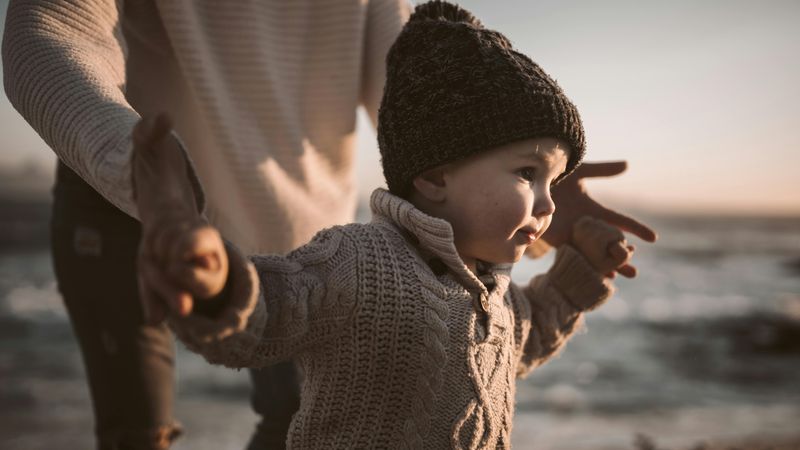
Watch a toddler learning to walk, and you’ll witness pure resilience in action.
They fall down dozens of times, sometimes getting frustrated or crying, but they always get back up to try again.
There’s no lengthy analysis of what went wrong or fear that keeps them from attempting another step.
Children approach setbacks as temporary obstacles rather than permanent failures.
They haven’t yet developed the harsh inner critic that tells adults they’re not good enough or should just give up.
This natural bounce-back ability isn’t something they have to learn—it’s something we have to remember.
Adults often let one failure define them for years, but kids show us that resilience is our default setting.
Getting back up is simply what you do next.
5. Forgiving Quickly and Reconnecting
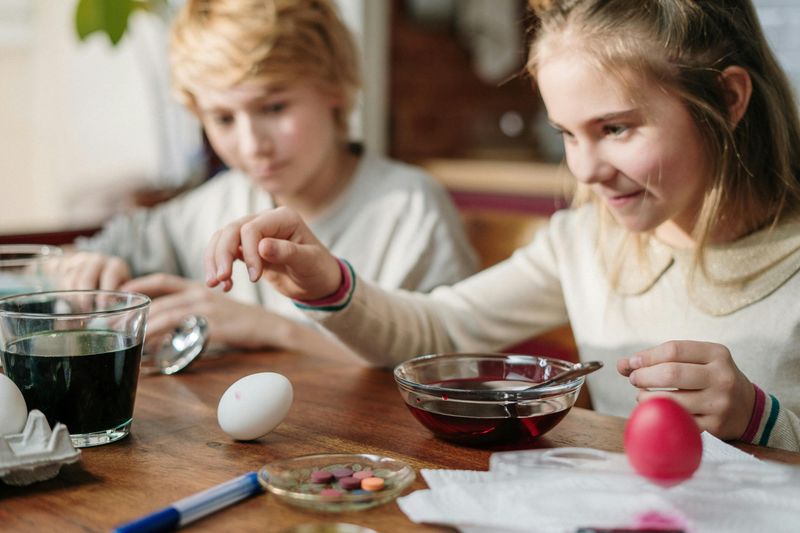
Two children can have a heated argument over a toy, both crying and upset, and then be playing together happily ten minutes later as if nothing happened.
They don’t hold grudges or keep mental lists of who wronged them.
Forgiveness for kids isn’t a long, complicated process—it’s a natural release that happens almost automatically.
Adults often wear their resentments like armor, believing that holding onto anger somehow protects them from future hurt.
Children demonstrate that forgiveness isn’t about saying the hurt was okay; it’s about refusing to carry the weight of it any longer.
Quick forgiveness doesn’t make children naive—it makes them free.
They understand instinctively that staying connected to people they care about matters more than being right or nursing wounded pride.
6. Sharing Hurts Brings Connection
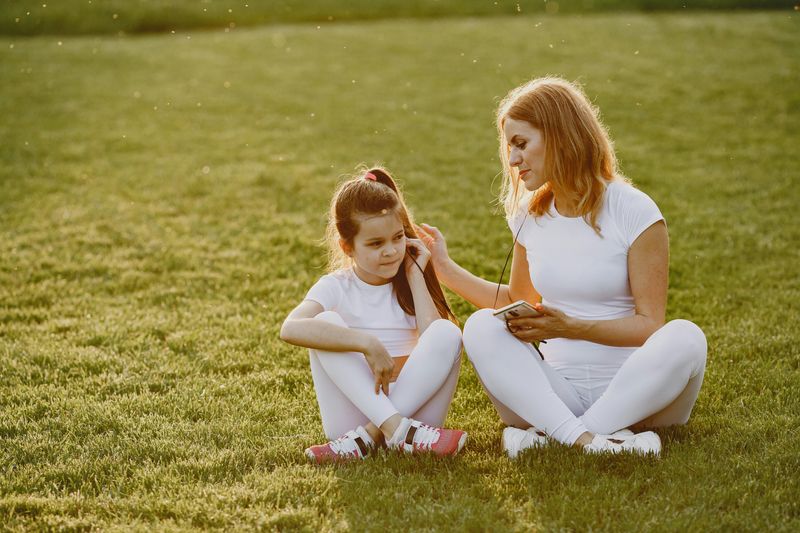
When a child gets hurt, their first instinct is usually to run to someone they trust and share what happened.
They don’t try to tough it out alone or pretend everything is fine.
This natural inclination to share pain with others creates opportunities for comfort, understanding, and genuine connection that speeds healing.
Adults often isolate themselves when hurting, believing they should handle everything independently or that sharing burdens others.
Children show us that vulnerability actually strengthens relationships rather than weakening them.
When we share our struggles, we give others the gift of being able to help and create bonds that go much deeper than surface-level interactions.
Healing happens faster in community than in isolation, and kids understand this without anyone teaching them.
7. Building Relationships Without Walls
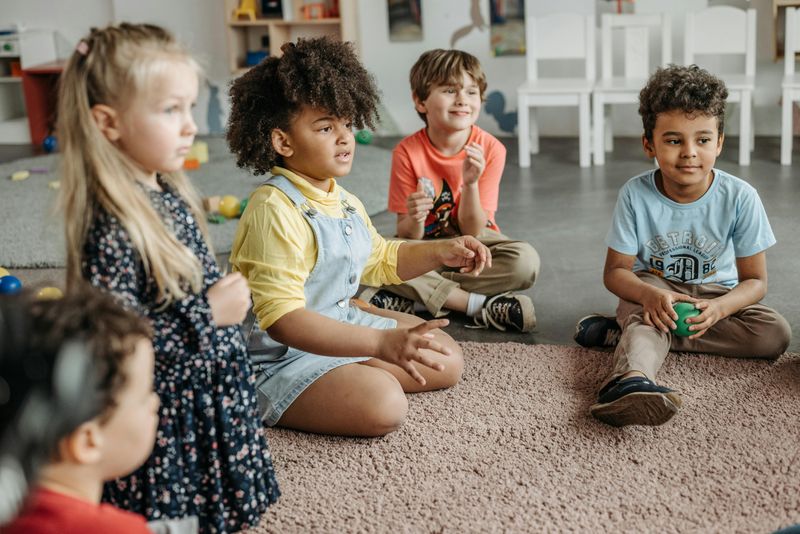
Children approach friendships with open hearts, not defensive strategies.
They don’t carefully calculate whether someone is safe enough to trust or worthy of their affection.
When they like someone, they simply show it, inviting others into their world without the protective barriers adults construct.
This authenticity in relationships allows kids to form genuine connections quickly.
They haven’t yet learned to hide parts of themselves or play games to protect their hearts.
Of course, children do need guidance about appropriate boundaries and safety.
But their basic approach—being genuinely themselves and responding authentically to others—creates the kind of meaningful relationships that actually support healing.
Adults who’ve been hurt often build such high walls that they keep out not just potential pain but also potential healing through connection.
8. Curiosity and Playfulness Aid Recovery
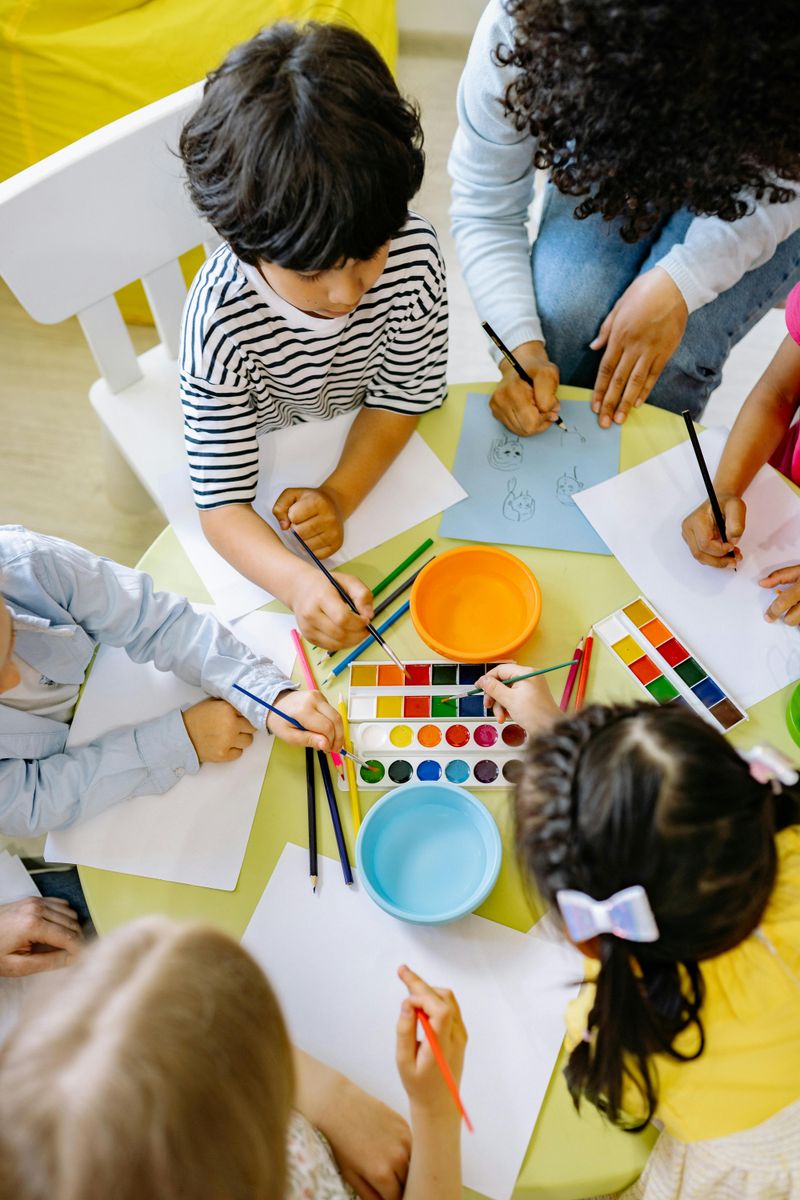
A child’s natural curiosity doesn’t shut down during difficult times—it often intensifies.
They ask questions about what happened, explore their feelings, and find playful ways to process experiences that would paralyze many adults.
Play is actually how children work through trauma and make sense of confusing situations.
Adults tend to become serious and rigid when facing challenges, forgetting that exploration and lightness can be powerful healing tools.
Kids naturally use imagination and play to regain a sense of control and understanding.
A child who experienced something scary might act it out with dolls, creating different endings and outcomes.
This playful approach to processing pain allows them to integrate difficult experiences without becoming overwhelmed by them, showing us that healing doesn’t always have to be heavy and somber.
9. Asking for Help Without Hesitation
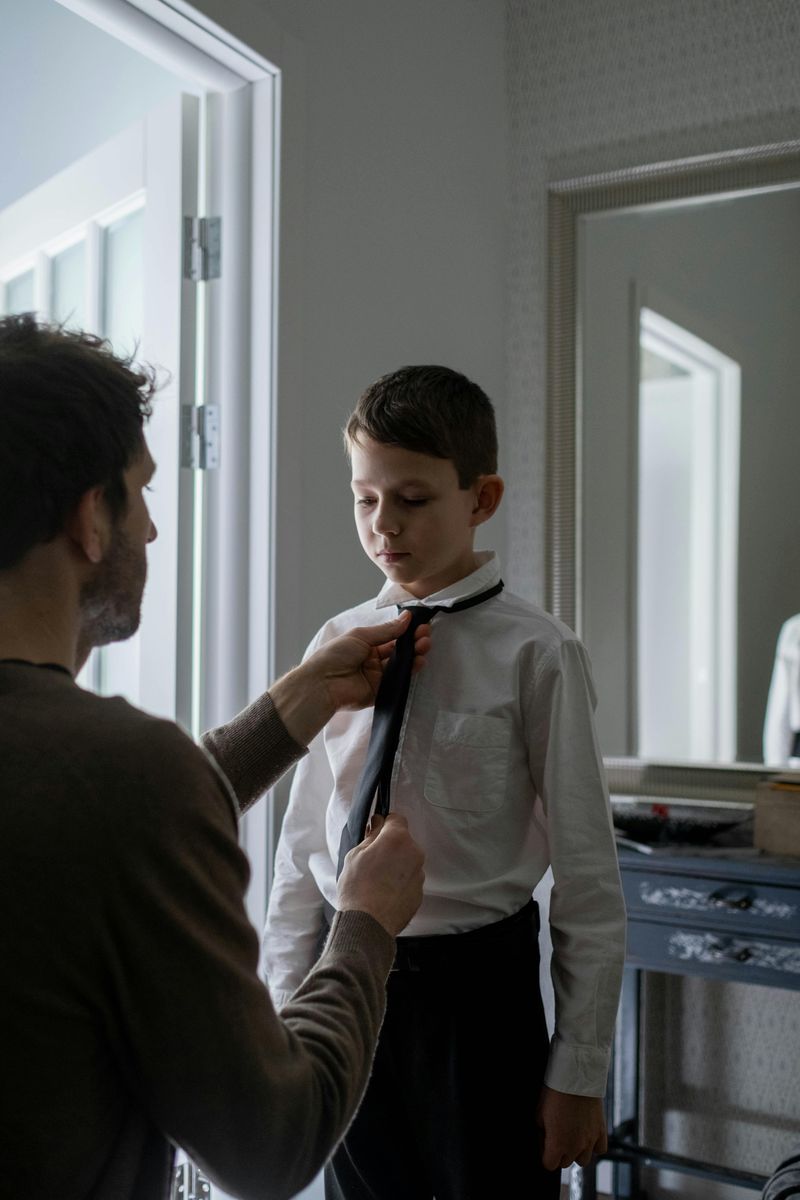
When children need something, they ask for it directly without the complicated shame many adults attach to needing help.
A child who can’t reach something simply asks someone taller.
A child who doesn’t understand something asks for an explanation.
They haven’t yet internalized the message that needing help means weakness.
This straightforward approach to getting needs met is incredibly practical and healing.
Adults often suffer in silence, viewing requests for help as admissions of failure.
Children demonstrate that acknowledging what you need and asking for it is simply smart problem-solving.
Healing often requires support—whether that’s emotional comfort, practical assistance, or professional guidance.
Kids show us that reaching out isn’t something to be ashamed of; it’s a basic life skill that keeps us healthy and connected.
10. Honest Self-Expression Releases Pride

Children say what they think and feel with refreshing directness.
They haven’t learned to craft careful responses or hide behind polite pretenses.
When they’re hurt, they say so. When they need comfort, they ask for it.
When something bothers them, they speak up.
This authenticity requires setting aside pride and the need to appear perfect or unaffected.
Adults often protect their image at the expense of their healing, pretending to be fine when they’re falling apart inside.
Kids teach us that genuine self-expression—admitting vulnerability, acknowledging needs, and speaking truthfully—is far more valuable than maintaining a flawless facade.
Dropping the mask of having it all together actually opens the door to real support and authentic relationships that can carry us through difficult times.
11. Saying Sorry and Seeking Reconciliation
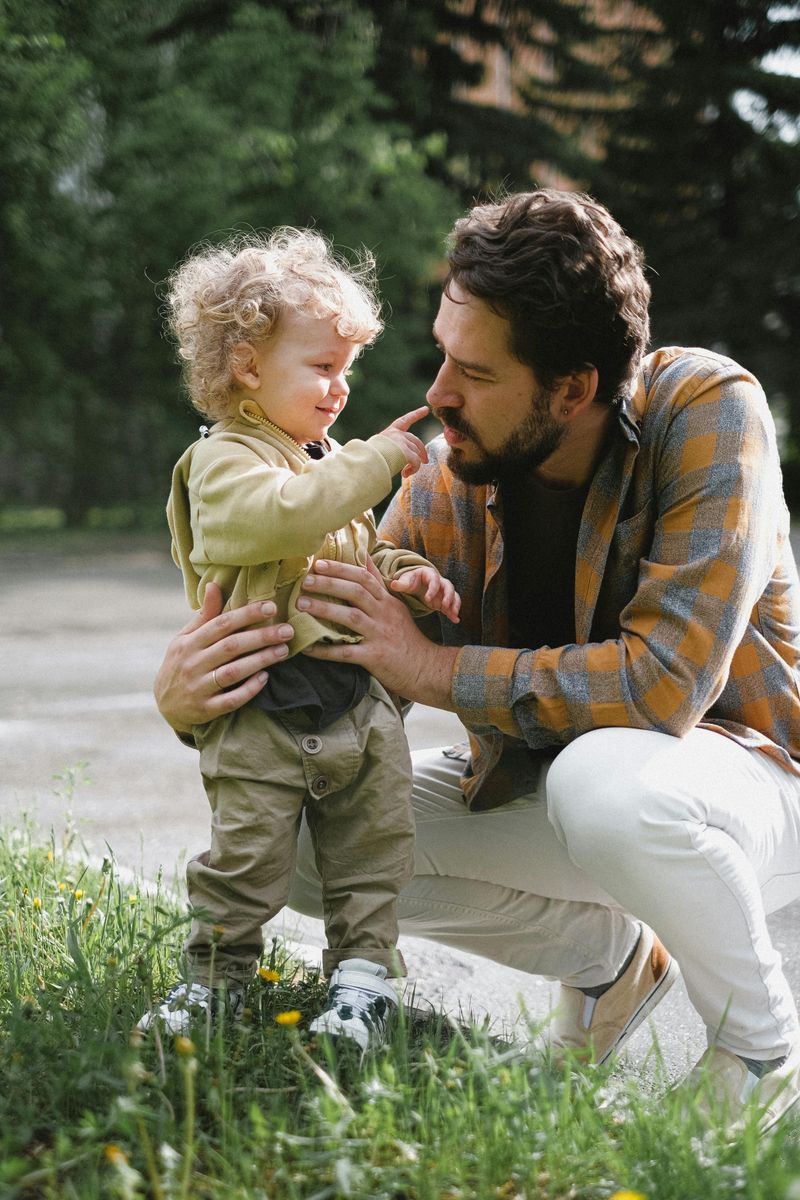
When children realize they’ve hurt someone, they often offer apologies quickly and sincerely, even if it’s sometimes prompted by adults.
They model the humility of admitting mistakes without elaborate justifications or defensive excuses.
A simple “I’m sorry” comes more easily to them than to adults who’ve learned to protect their egos at all costs.
Children also actively seek reconciliation after conflicts.
They don’t want to stay disconnected from people they care about, so they take steps to repair relationships rather than letting hurt feelings fester indefinitely.
This willingness to be first to apologize, to humble themselves, and to prioritize connection over being right demonstrates profound emotional wisdom.
Adults often let relationships die rather than swallow their pride, but children show us that reconciliation is worth the temporary discomfort of vulnerability.
12. Physical Touch and Connection Heal
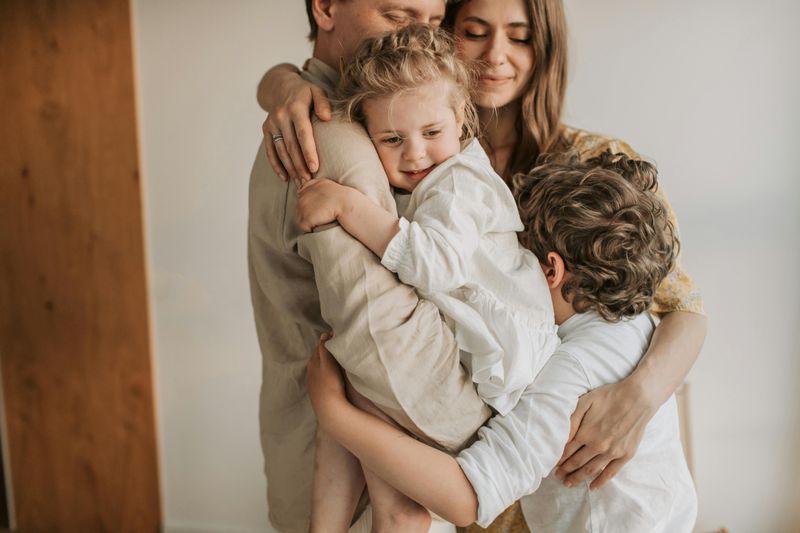
When children are hurting, they naturally seek physical comfort—climbing into a parent’s lap, asking for a hug, or simply staying close to someone they trust.
They understand instinctively that healing isn’t just mental or emotional; it’s also physical.
Touch releases oxytocin, reduces stress hormones, and creates feelings of safety and connection.
Many adults have learned to avoid physical comfort, believing they should be strong enough to manage without it.
Children remind us that we’re wired for connection and that appropriate, comforting touch is a basic human need, not a sign of weakness.
A hug can communicate safety and love in ways words never could.
Kids seek this out naturally because their bodies know what promotes healing, and we’d be wise to follow their lead.