 MomSkoop

Have you ever met someone who just didn’t feel quite right? Maybe they said one thing but did another, or perhaps they always seemed to put themselves first without caring about anyone else.
Recognizing red flags in people can help you protect your energy and build healthier relationships. Learning these warning signs early can save you from unnecessary stress and heartache down the road.
1. They Have No Empathy

When someone cannot understand or share the feelings of others, it creates a massive barrier to genuine connection.
People without empathy often seem cold or indifferent when you’re going through tough times.
They might brush off your problems or act like your emotions don’t matter.
This lack of emotional understanding makes it nearly impossible for them to be supportive friends or partners.
You’ll notice they rarely ask how you’re doing or check in when you’re upset.
Instead, they focus conversations back on themselves.
Without empathy, relationships become one-sided and exhausting.
You end up feeling alone even when they’re around.
True friendships require mutual care and understanding that empathy-lacking individuals simply cannot provide.
2. They Think and Speak Negatively on a Consistent Basis

Constant negativity drains everyone around them like a battery losing power.
These individuals always find something to complain about, whether it’s the weather, their job, or other people.
Their pessimistic outlook colors every conversation and situation.
Being around perpetual complainers affects your own mood and mental health.
Their negative energy becomes contagious, pulling you down into their gloomy worldview.
You might notice yourself feeling more stressed or unhappy after spending time with them.
While everyone has bad days, chronically negative people refuse to see any silver lining.
They shoot down positive suggestions and dismiss hopeful perspectives.
This pattern reveals an unwillingness to take responsibility for their own happiness or find solutions.
3. They Break Their Promises

Trust forms the foundation of any meaningful relationship, and broken promises shatter that foundation piece by piece.
Someone who regularly fails to keep their word shows they don’t value your time or feelings.
They might promise to help you move, then cancel last minute without a good reason.
Serial promise-breakers often make grand commitments they never intend to keep.
They say what you want to hear in the moment but have no follow-through.
This pattern leaves you feeling disappointed and foolish for believing them again.
Reliability matters more than fancy words or big gestures.
When someone consistently breaks promises, they’re telling you their priorities don’t include respecting you.
Actions always speak louder than words.
4. They Dismiss Your Feelings
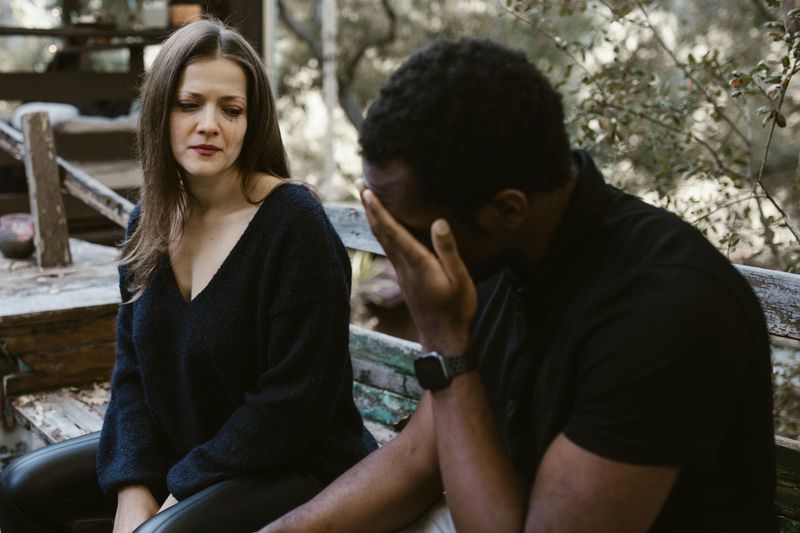
Ever tried sharing something important only to hear responses like “you’re overreacting” or “it’s not that big of a deal”?
Emotional invalidation hurts deeply because it tells you your experiences don’t matter.
People who dismiss feelings refuse to acknowledge your emotional reality.
This behavior often comes from a place of discomfort with emotions or a desire to control the narrative.
They might minimize your concerns to avoid dealing with conflict or taking responsibility.
Your sadness, anger, or frustration becomes inconvenient to them.
Healthy relationships require emotional validation and respect.
When someone consistently dismisses how you feel, they’re essentially saying you’re wrong for having human emotions.
That’s not someone who deserves space in your life.
5. They’re Manipulative

Manipulation involves controlling others through deception, guilt, or twisted logic rather than honest communication.
Manipulators twist your words, play mind games, and make you question your own perception of reality.
They’re skilled at making you feel responsible for their problems or emotions.
These individuals often use guilt trips to get what they want.
They might say things like “if you really cared about me, you’d do this” or “I guess I’m just not important to you.”
This emotional blackmail forces you into uncomfortable positions.
Recognizing manipulation takes practice because skilled manipulators are subtle.
You might feel confused, guilty, or crazy after interactions with them.
Trust your instincts when something feels off about how someone communicates.
6. They Show No Remorse

Did you know that genuine remorse requires self-awareness and the ability to recognize when you’ve hurt someone?
People without remorse lack this crucial quality.
They hurt others repeatedly without feeling bad or attempting to make amends.
Their indifference to the pain they cause is chilling.
When confronted about hurtful behavior, remorseless individuals make excuses or blame others.
They never offer sincere apologies because they don’t believe they’ve done anything wrong.
This inability to feel guilt prevents them from learning or growing.
Everyone makes mistakes, but good people feel bad about hurting others and try to do better.
Someone who shows no remorse will continue harmful patterns indefinitely.
Their lack of conscience makes them dangerous to your well-being.
7. They Criticize Others

Chronic critics tear others down to feel better about themselves, creating a toxic environment wherever they go.
They always have something negative to say about friends, family, coworkers, or strangers.
Their harsh judgments reveal more about their own insecurities than about the people they criticize.
Watch how someone talks about others when they’re not around.
If they constantly gossip and criticize, they’re probably doing the same about you behind your back.
This behavior destroys trust and creates an atmosphere of fear and judgment.
Constructive feedback differs greatly from constant criticism.
Good people offer helpful observations with kindness and respect.
Perpetual critics, however, seem to enjoy finding fault and spreading negativity about everyone around them.
8. They Play the Victim

Some people position themselves as perpetual victims, never taking ownership of their role in problems.
Everything bad happens to them, according to their narrative, and nothing is ever their fault.
This victim mentality allows them to avoid responsibility while garnering sympathy and attention.
Professional victims manipulate others through pity and guilt.
They exaggerate hardships and minimize their own contributions to conflicts.
When you try to discuss issues with them, they flip the script to make themselves the injured party.
While genuine victims deserve compassion, chronic victim-players use this status as a shield against accountability.
They drain your emotional energy with endless drama while refusing to make positive changes.
Their self-pity becomes a weapon against anyone who challenges them.
9. They Belittle Your Achievements

True friends celebrate your successes and feel genuine happiness for your accomplishments.
People who belittle your achievements, however, feel threatened by your wins.
They minimize your hard work with comments like “anyone could have done that” or “you just got lucky.”
This behavior stems from deep insecurity and jealousy.
Instead of working on their own goals, they try to diminish yours to feel better about themselves.
They might change the subject when you share good news or immediately talk about their own accomplishments.
You deserve people in your corner who cheer you on and share your excitement.
Someone who consistently downplays your success doesn’t want to see you thrive.
Their inability to be happy for you reveals their poor character.
10. They Refuse to Take Responsibility for Their Actions

Accountability separates mature adults from people stuck in emotional childhood.
Those who refuse responsibility always have an excuse, justification, or someone else to blame.
They never admit mistakes or acknowledge how their choices affect others.
This refusal creates impossible situations where you can never resolve conflicts or move forward.
They deny, deflect, and rewrite history to protect their ego.
Conversations go in circles because they won’t accept their part in problems.
Growth requires recognizing our mistakes and learning from them.
People who avoid accountability remain stuck in destructive patterns.
They’ll hurt you repeatedly because they can’t admit they were wrong in the first place.
This makes genuine apologies and behavior changes impossible.
11. They Never Compromise

Relationships require give and take, but some people only know how to take.
They insist on having everything their way, refusing to meet you halfway on anything.
Whether choosing restaurants, making plans, or resolving disagreements, their preference always wins.
This inflexibility shows a lack of respect for others’ needs and desires.
They view compromise as losing rather than as collaborative problem-solving.
Their rigid thinking leaves no room for your input or preferences to matter.
Healthy relationships involve both parties making adjustments and sacrifices.
When someone never compromises, they’re telling you their wants matter more than yours.
This selfish approach creates resentment and imbalance that eventually destroys relationships.
Partnership means working together, not one person dictating terms.