 MomSkoop
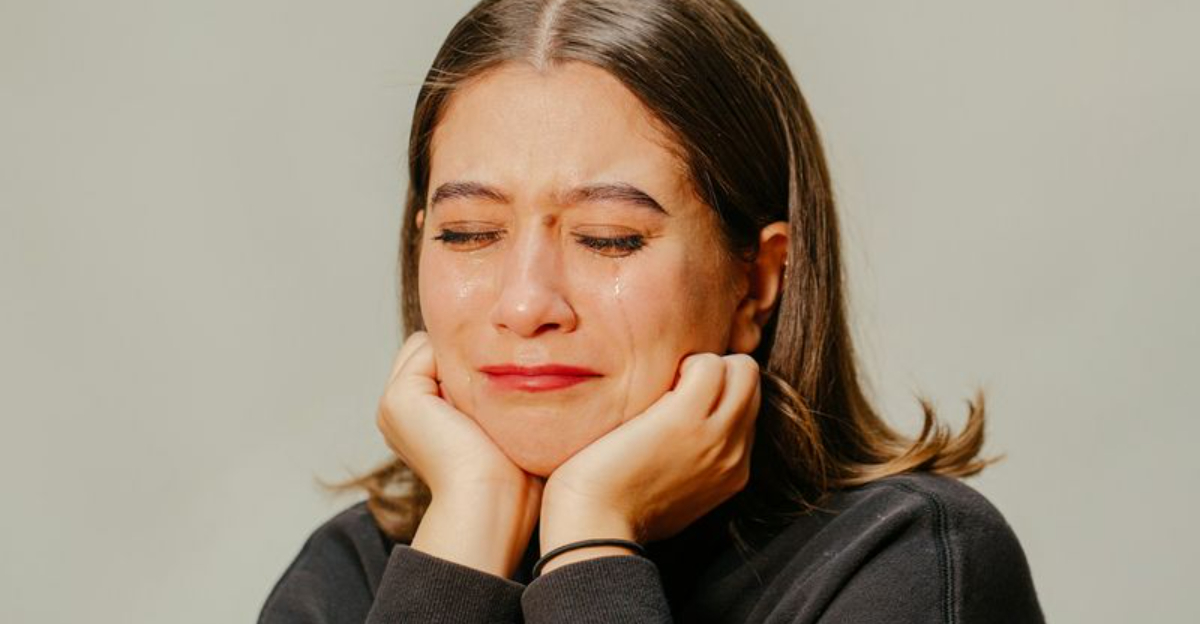
Why do so many people stay in relationships that hurt them instead of being alone? The answer is more complex than it seems.
Our minds have powerful ways of protecting us from pain, even when those protections end up causing more harm. Understanding these psychological patterns can help us recognize unhealthy choices and make better decisions for our emotional well-being.
1. Fear of Abandonment
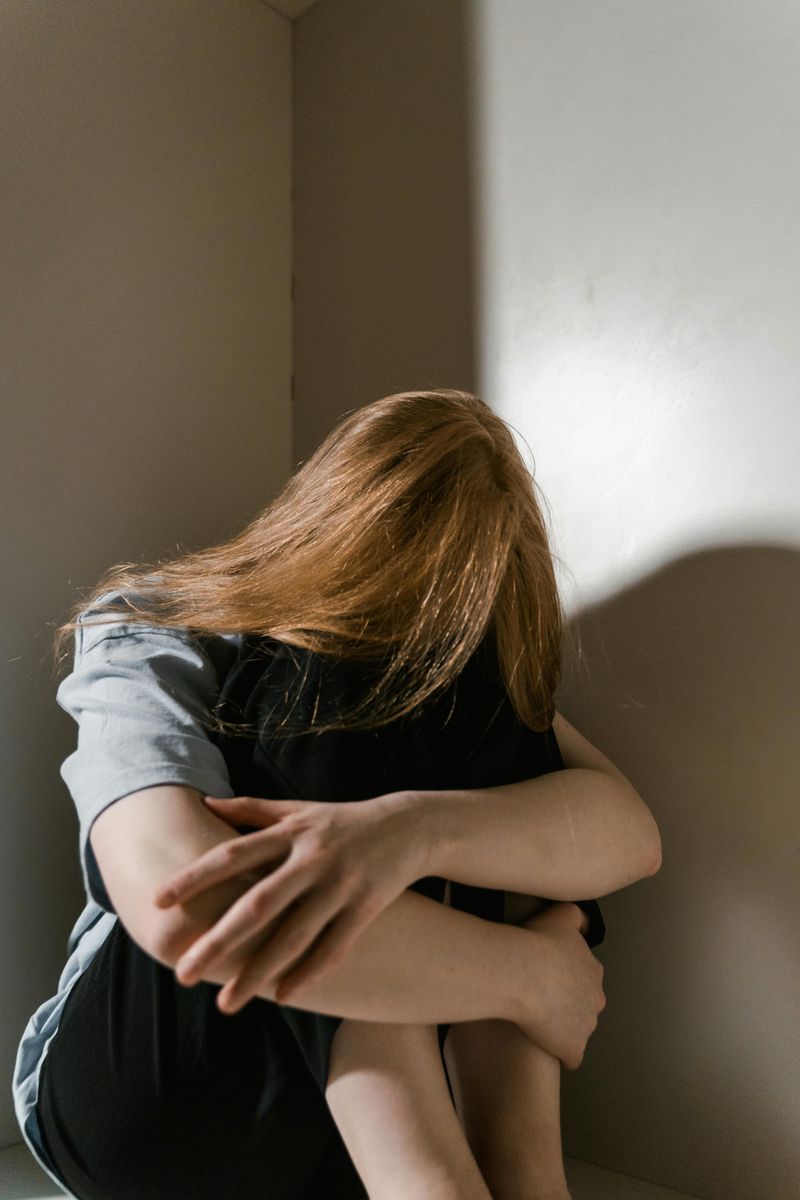
Deep inside, some people carry wounds from being left behind in the past.
Maybe a parent walked away, or a close friend disappeared without explanation.
These experiences create invisible scars that make being alone feel dangerous.
When someone with this fear enters a relationship, even one filled with arguments and pain, it feels safer than facing emptiness.
The familiar presence of another person, no matter how toxic, becomes a shield against the terror of rejection.
Ending things means risking that awful feeling of being unwanted all over again.
So they stay, convincing themselves that any connection is better than none at all.
2. Low Self-Esteem
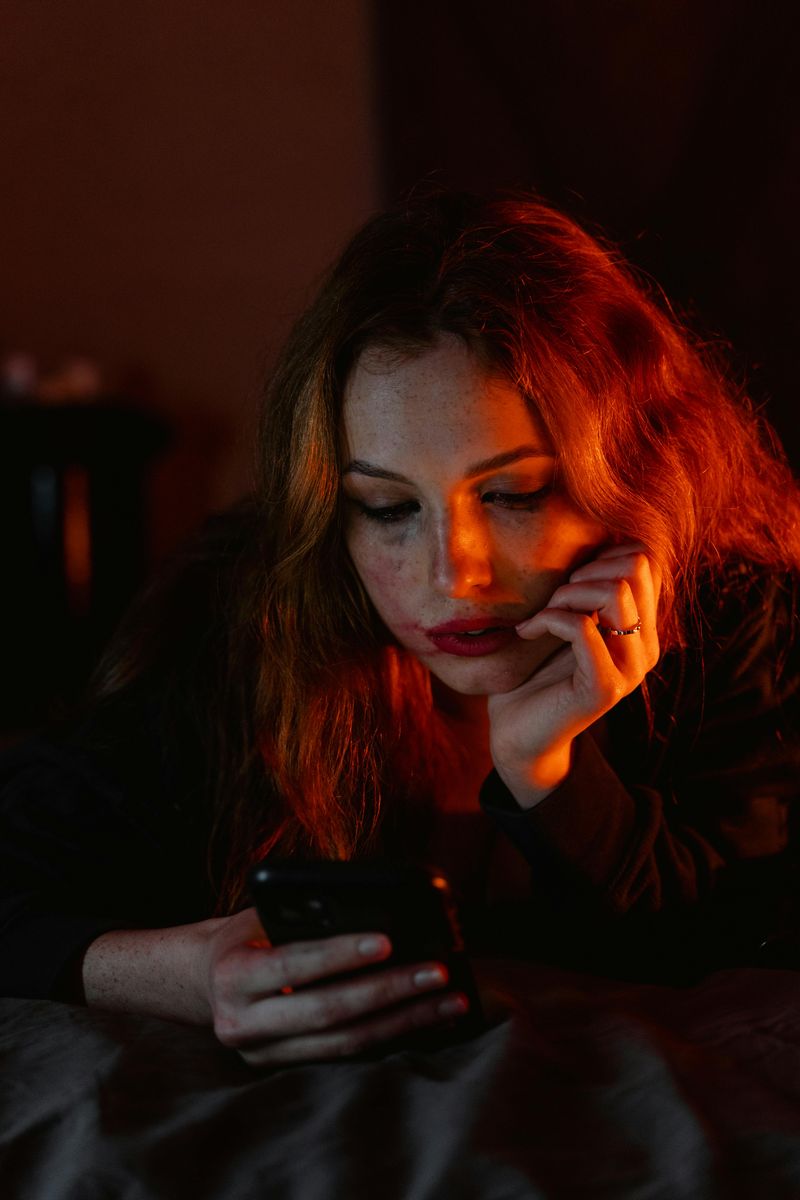
Imagine looking in the mirror and believing you are not worth loving properly.
People with low self-esteem carry this heavy burden every day.
They think they deserve the mistreatment they receive because something must be wrong with them.
Leaving would mean taking a chance on finding someone better, but what if nobody else wants them?
That risk feels too big to take.
Staying in a bad relationship confirms what they already believe about themselves, creating a painful but predictable cycle.
Breaking free requires believing you deserve more, which feels impossible when your inner voice constantly tears you down.
3. Emotional Dependency

Some relationships create invisible chains made of emotional need.
Over time, one person learns to rely completely on their partner for happiness, comfort, and even basic emotional stability.
Without that person nearby, they feel like they cannot breathe properly or think straight.
Their partner becomes like emotional oxygen.
Even when the relationship turns harmful, the dependent person cannot imagine functioning alone.
They have forgotten how to calm themselves down or find joy independently.
The thought of separation brings panic because they genuinely believe they need this person to survive emotionally, making escape feel impossible despite the pain.
4. Familiarity and Comfort with Dysfunction

Growing up in chaos teaches your brain that chaos is normal.
Children who witnessed constant fighting or instability learn to expect relationships to feel unstable and unpredictable.
When they grow up, healthy relationships actually feel strange and uncomfortable.
The calm feels suspicious, like waiting for a storm.
Meanwhile, unhealthy patterns feel like home, even when they hurt.
Being alone, however, offers no familiar pattern at all.
It represents unknown territory that triggers anxiety.
So they choose the devil they know, finding odd comfort in dysfunction because at least they understand how it works.
5. Fear of the Unknown

Human beings are wired to fear what they cannot predict.
Staying in a bad relationship at least offers certainty about what tomorrow will bring.
You know the patterns, the triggers, the arguments that will happen.
Leaving means stepping into complete uncertainty.
Where will you live?
Who will you become?
Will you ever find love again?
These questions create overwhelming anxiety.
Many people choose familiar pain over unpredictable possibilities because at least pain they know can be managed.
The unknown future feels more terrifying than the known suffering of today.
6. Trauma Bonding

Did you know that unpredictable rewards create stronger attachments than consistent kindness?
In unhealthy relationships, partners swing between cruelty and affection.
After a terrible fight comes an apology filled with love and promises.
This cycle tricks the brain into forming powerful bonds.
Your mind becomes addicted to those moments of sweetness after the pain, similar to gambling addiction.
The emotional highs feel incredibly intense because they follow such terrible lows.
Breaking this bond feels unbearable, almost like withdrawing from a drug, making loneliness seem worse than continuing the painful cycle.
7. Social and Identity Pressure

Society sends constant messages that being coupled up means success.
Single people face awkward questions at family gatherings and pitying looks from friends.
For many, their relationship status becomes tangled up with their identity and social worth.
Being someone’s partner feels better than being nobody’s anything.
The fear of judgment, of being seen as unlovable or defective, keeps people trapped.
They imagine the embarrassment of explaining a breakup or attending events alone.
Maintaining appearances becomes more important than personal happiness, making an unhealthy relationship feel preferable to facing social stigma.
8. Avoidance of Emotional Pain and Loneliness
Loneliness is not just feeling bored or missing company.
For some people, being alone opens the door to overwhelming emotions they have been running from for years.
Grief, trauma, shame, and deep sadness wait in the silence.
Having a partner, even a harmful one, provides constant distraction from these uncomfortable feelings.
Arguments and drama keep the mind occupied.
Without that distraction, they would have to face themselves and deal with unresolved pain.
Staying in the relationship becomes a form of emotional numbing, postponing the difficult inner work that loneliness would force them to confront.