 MomSkoop

Technology and modern conveniences have transformed the way we live, work, and communicate. Many skills that were once essential parts of daily life have quietly disappeared, replaced by smartphones, apps, and automation.
People who grew up before the digital revolution mastered abilities that younger generations have never needed to learn. Here are eleven skills that were once second nature but are now nearly extinct.
1. Reading a Paper Map
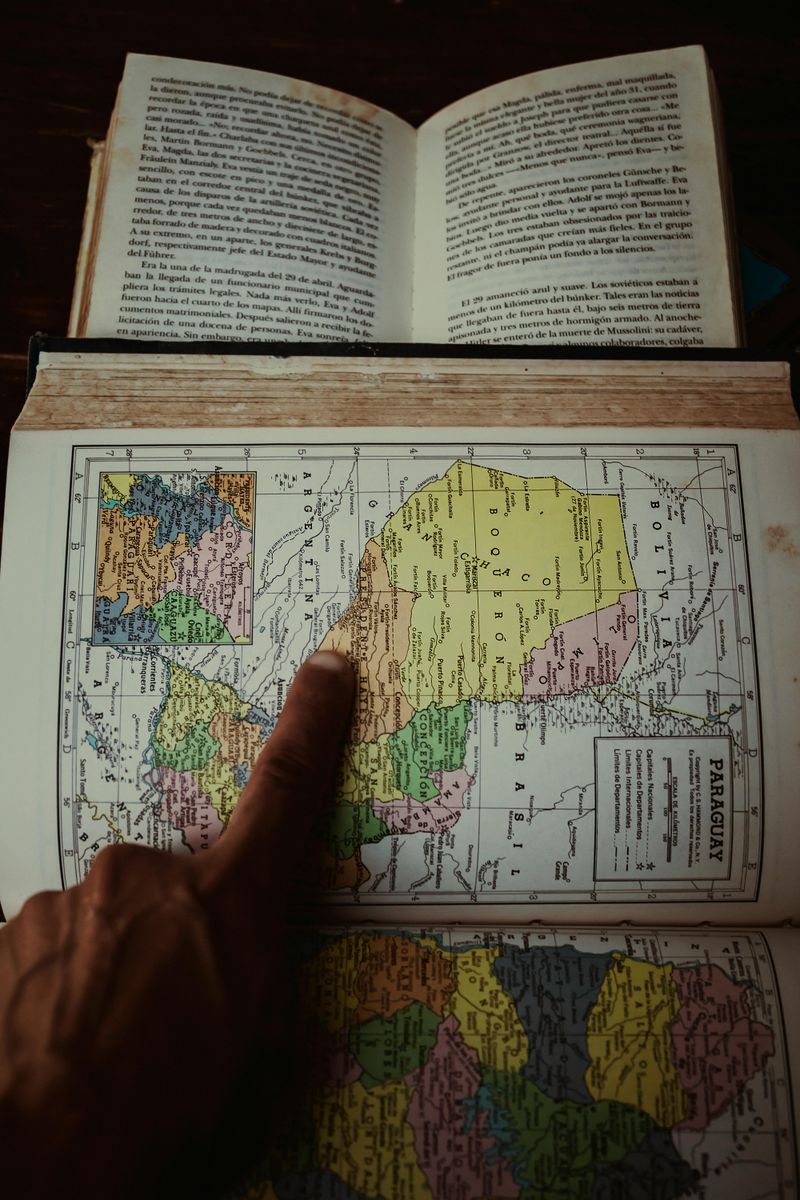
Before GPS took over, finding your way meant unfolding a giant map across the dashboard and tracing routes with your finger.
Road trips required planning ahead, marking exits, and sometimes pulling over to reorient yourself when you got lost.
Reading a map taught spatial reasoning and geography in ways that following a blue dot on a screen never could.
Kids today have never experienced the panic of realizing you missed your exit with no voice to guide you back.
Map-reading was a skill that demanded attention, patience, and a good sense of direction.
Now, it feels almost quaint to imagine navigating without instant turn-by-turn instructions.
2. Using a Rotary Phone
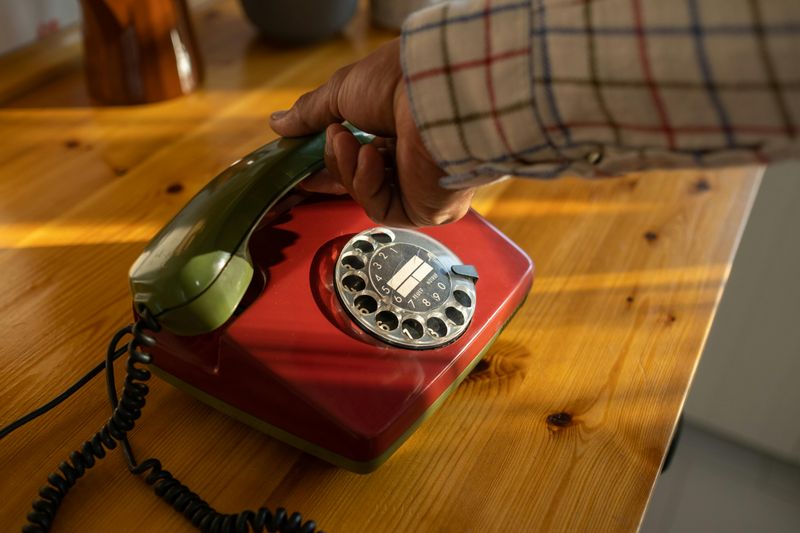
Dialing a phone number once meant sticking your finger in a hole and rotating a dial all the way around for each digit.
Calling someone with lots of nines or zeros in their number could feel like a workout for your index finger.
There was no speed dial, no contact list, just memorization and patience.
If you messed up halfway through, you had to start all over again from the beginning.
Rotary phones were sturdy, heavy, and built to last decades, unlike the fragile smartphones we carry today.
The satisfying click and whir of the dial is a sound lost to history.
3. Writing in Cursive
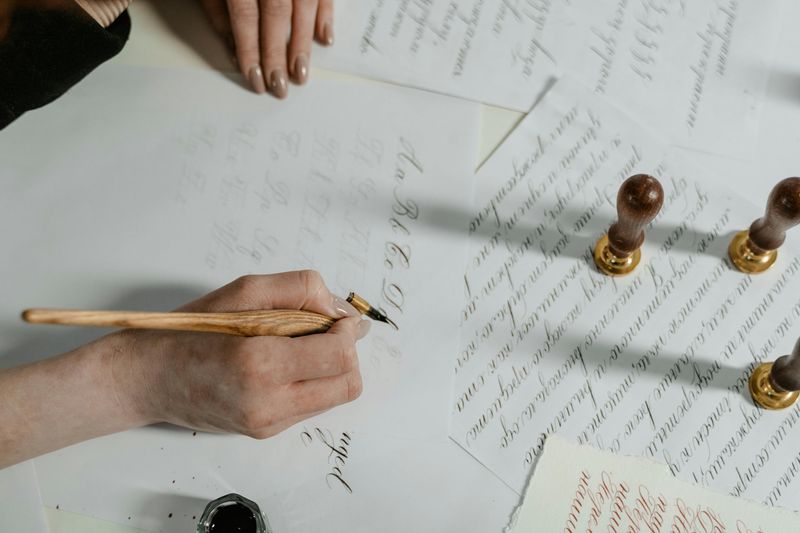
Cursive handwriting was once a mandatory part of elementary education, with hours spent practicing loops and connections.
Teachers insisted it would be essential for signing documents and writing quickly as an adult.
Today, many schools no longer teach it, and younger people often struggle to read cursive writing at all.
Typing and texting have replaced the need for elegant, flowing penmanship.
For those who learned it, cursive felt like a rite of passage into adulthood and sophistication.
Now, signatures are often just scribbles, and handwritten notes are rare treasures.
4. Balancing a Checkbook

Keeping track of every check written, deposit made, and fee charged required meticulous record-keeping in a little booklet.
People would sit down with their bank statements and manually reconcile every transaction to avoid overdrafts.
One small math error could throw everything off, leading to bounced checks and embarrassing fees.
Banking apps now do all the calculating instantly, showing real-time balances with a single tap.
The checkbook register was a lesson in financial discipline and attention to detail.
Today, many people have never written a check, let alone balanced one.
5. Developing Film in a Darkroom
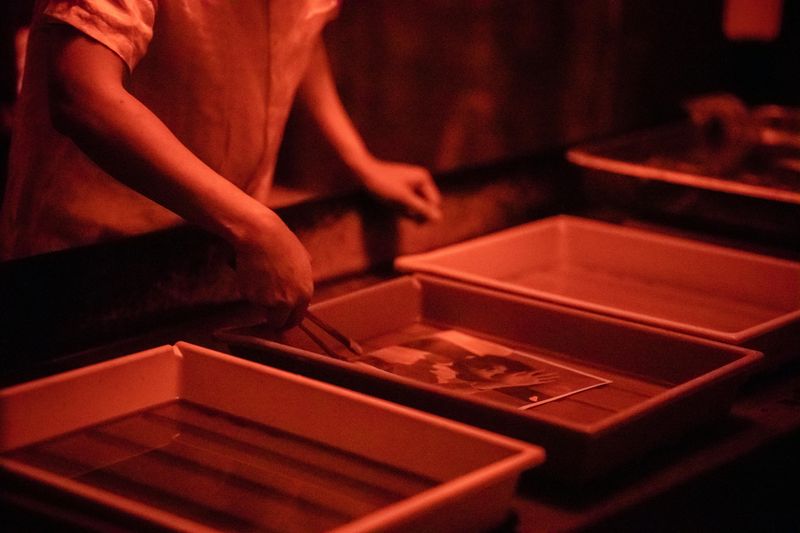
Photography enthusiasts once spent hours in dim red light, carefully developing negatives and printing images by hand.
The process involved precise timing, chemical baths, and the thrill of watching an image slowly appear on paper.
Every shot mattered because film was expensive and you couldn’t see the results until later.
Digital cameras and smartphones ended the need for darkrooms, making photography instant and unlimited.
The magic of developing film taught patience and craftsmanship that filters and apps can’t replicate.
Darkrooms are now mostly found in art schools and nostalgic hobbyist studios.
6. Memorizing Phone Numbers
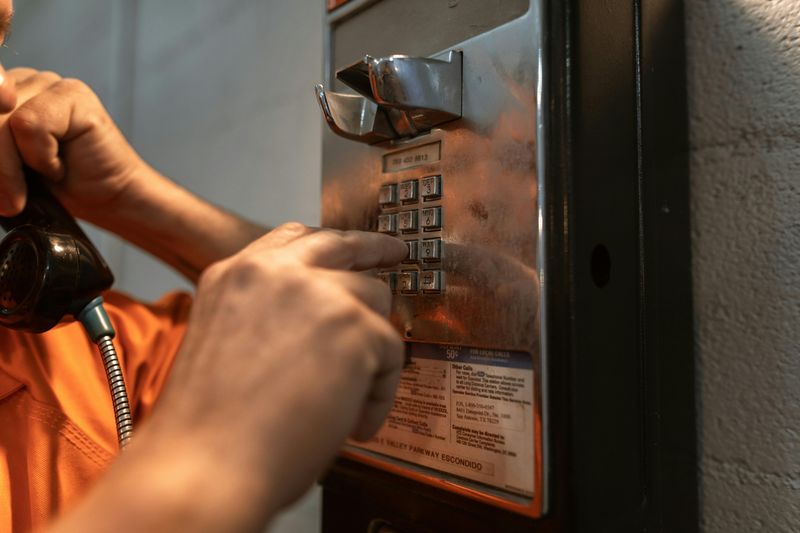
Without contact lists stored in devices, people carried dozens of important phone numbers in their heads.
You knew your best friend’s number, your parents’ work lines, and maybe even your crush’s digits by heart.
Calling someone meant either remembering their number or looking it up in a physical phone book.
Today, most people don’t even know their own phone number, let alone anyone else’s.
Memory was the original contacts app, and losing it meant being truly unreachable.
The mental exercise of memorization has been replaced by the convenience of autocomplete.
7. Fixing a Typewriter Ribbon
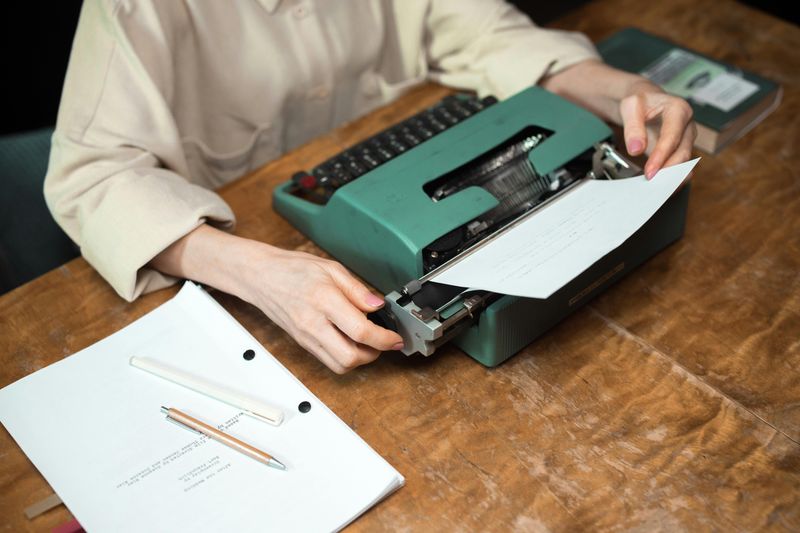
Typewriters required regular maintenance, especially when the ink ribbon wore out or got tangled inside the machine.
Replacing or re-threading a ribbon was a messy job that left your fingers covered in black or blue ink.
You had to understand the mechanical workings of the typewriter to get it right.
Word processors and computers made typewriters obsolete almost overnight, along with the skills needed to maintain them.
The rhythmic clacking of typewriter keys is now a nostalgic sound effect in movies.
Few people under 40 have even seen a typewriter ribbon, much less replaced one.
8. Recording Songs from the Radio
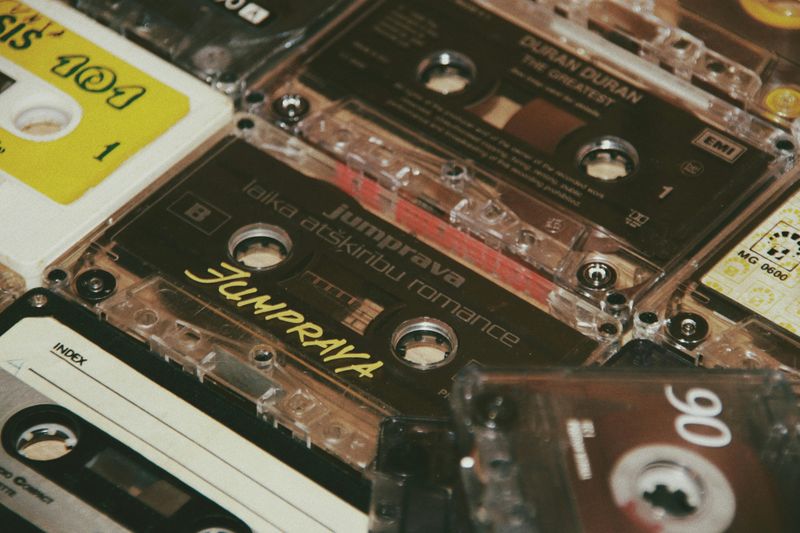
Making a mixtape meant sitting by the radio with a blank cassette, waiting for your favorite song to play.
You had to time it perfectly, hitting record the instant the song started and stopping before the DJ talked over the ending.
The result was a personalized collection of music that felt precious because of the effort involved.
Streaming services now offer millions of songs instantly, with no waiting or recording required.
The anticipation and dedication of capturing music from the airwaves created a unique connection to every track.
Today’s playlists are convenient, but they lack the soul of a hand-recorded mixtape.
9. Using a Card Catalog at the Library
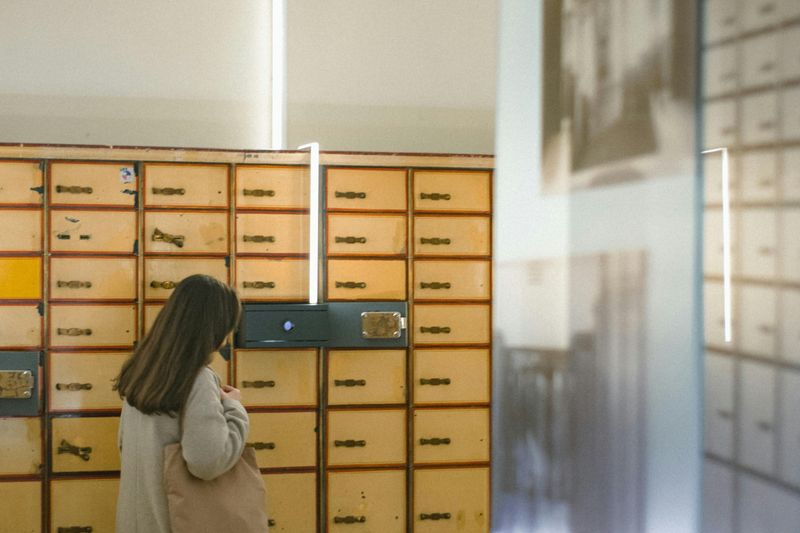
Finding a book at the library meant flipping through thousands of index cards organized by author, title, or subject.
Each card contained crucial information like the call number that told you exactly where to find the book on the shelves.
It was a tactile, methodical process that required understanding the Dewey Decimal System.
Computerized catalogs replaced card systems in the 1990s, making searches instant and searchable by keyword.
The wooden drawers full of cards are now museum pieces or repurposed into quirky furniture.
Younger generations have never experienced the satisfaction of successfully navigating a card catalog.
10. Adjusting Rabbit Ear Antennas
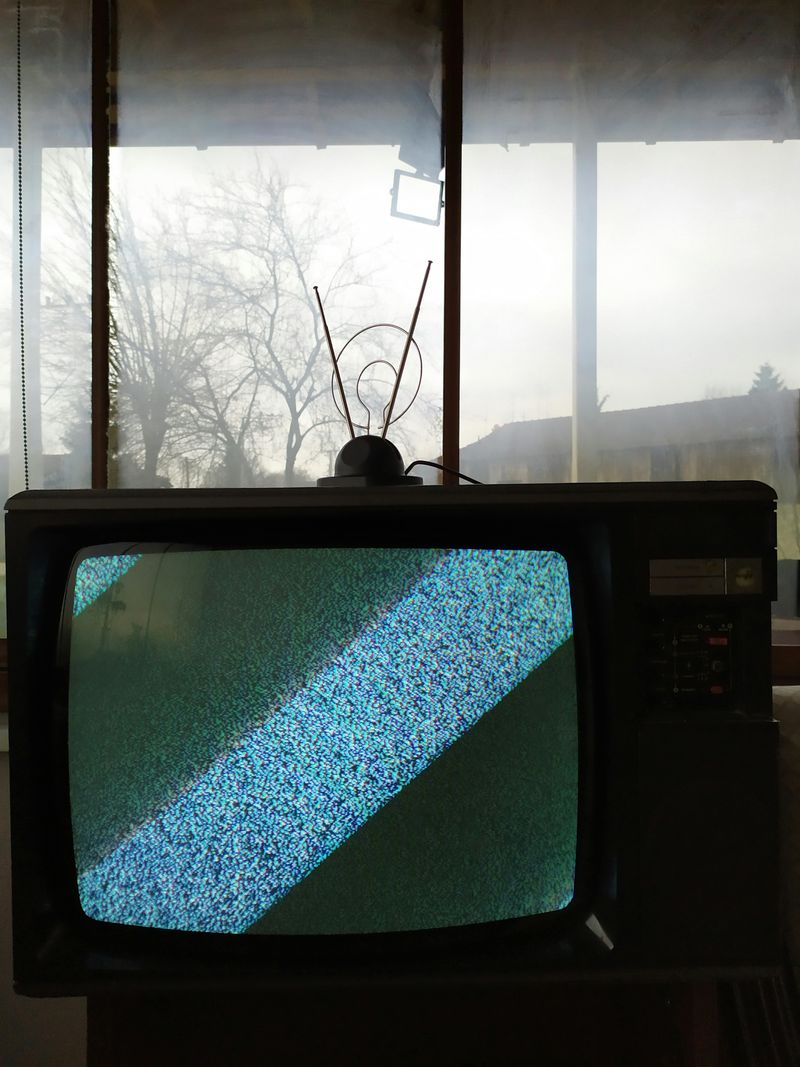
Getting a clear TV picture often required standing next to the set, moving metal antennas into just the right position.
Someone had to hold the rabbit ears at an awkward angle while everyone else yelled whether the picture was improving.
Weather, location, and mysterious interference could ruin reception without warning.
Cable and satellite TV eliminated the need for antenna gymnastics, delivering crystal-clear signals through wires.
The ritual of adjusting antennas before your favorite show was frustrating but strangely communal.
Streaming has made even cable obsolete, and rabbit ears are now vintage decorations.
11. Rewinding VHS Tapes
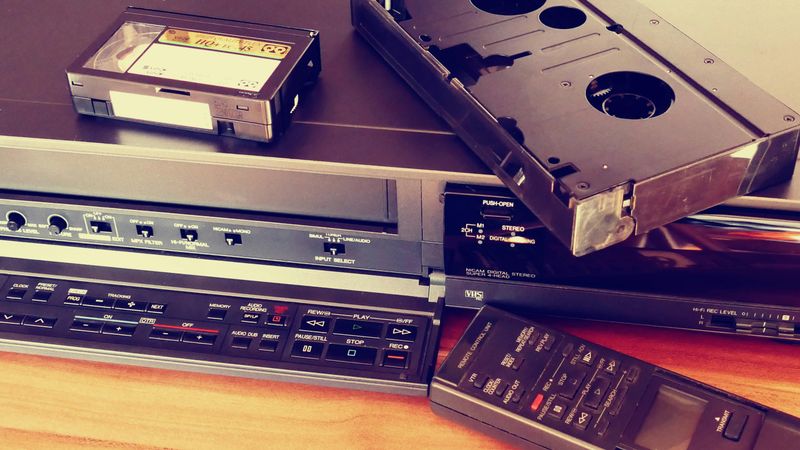
Before watching a movie, you often had to rewind the VHS tape all the way to the beginning, which could take several minutes.
Video rental stores even charged fees if you returned tapes without rewinding them first.
Some people bought special rewinding machines to save wear on their VCR.
DVDs and streaming eliminated the need to rewind anything, making movies instantly accessible.
The whirring sound of a tape rewinding is now a forgotten soundtrack of home entertainment.
Kids today will never know the mild annoyance of waiting for a tape to rewind before movie night.