 MomSkoop

Marriage is often strengthened—or weakened—by the small things partners do every day. Simple habits like showing appreciation, communicating openly, and making time for each other help build trust and connection over time. When these behaviors begin to disappear, they can signal deeper emotional distance and unresolved issues.
If a wife stops practicing certain daily habits that once nurtured the relationship, it may be a sign that the marriage is facing challenges that shouldn’t be ignored. Here are 13 habits whose absence could indicate trouble beneath the surface.
1. Avoids Meaningful Communication

Conversations used to flow naturally, covering everything from daily frustrations to future dreams.
Now, talks feel shallow and rushed, barely scratching the surface of real feelings.
When a wife stops sharing what truly matters to her, emotional distance grows quickly.
She might answer questions with one-word responses or avoid eye contact during discussions.
Surface-level conversations become the norm, replacing the deeper connection that once existed.
Emotional shutdown often follows repeated attempts at communication that went nowhere.
Partners start feeling like roommates instead of soulmates.
Rebuilding this habit requires patience, active listening, and creating safe spaces for honest dialogue without judgment or interruption.
2. Stops Showing Appreciation or Respect

Remember when simple gestures like making coffee or handling chores earned a genuine thank you?
Those acknowledgments might have disappeared, replaced by silence or worse, criticism.
Appreciation acts as emotional fuel for relationships.
Without it, partners feel invisible and undervalued.
When efforts go unnoticed day after day, resentment builds naturally.
What once felt like teamwork starts feeling like a one-sided arrangement.
Respect shows up in how we speak to each other, especially during disagreements.
Rolling eyes, dismissive comments, or ignoring a partner’s opinions all chip away at the foundation.
Reviving this habit starts with noticing and verbalizing gratitude for even small contributions to the household and relationship.
3. Withdraws Emotionally

Physical presence means nothing when emotional availability vanishes.
She sits beside you but feels miles away, lost in thoughts she no longer shares.
Emotional withdrawal creates an invisible wall between partners.
She stops talking about her day, her worries, or her hopes.
Questions about feelings get vague answers or complete deflection.
This disconnect often happens gradually, making it hard to pinpoint when things changed.
Behind this withdrawal usually lies unresolved hurt, disappointment, or exhaustion from feeling unheard.
Breaking through requires consistent, gentle invitations to open up without pressure.
Creating moments of vulnerability yourself can encourage reciprocal sharing and slowly rebuild the emotional bridge that once connected you both deeply and authentically.
4. Avoids Physical Affection

Holding hands while walking used to be automatic.
Now, even sitting close on the couch feels awkward and forced.
Physical touch serves as a love language that communicates care beyond words.
When hugs become rare, kisses turn mechanical, and cuddling stops completely, the relationship loses an important connection point.
This decline often reflects deeper emotional distance rather than just physical preference changes.
Non-sexual touch like shoulder squeezes or goodbye kisses maintains intimacy throughout daily routines.
Their absence leaves partners feeling rejected and unwanted.
Rekindling physical affection starts small—a hand on the back, a brief hug—building gradually as emotional safety returns.
Forcing intimacy backfires, but gentle, respectful initiatives can remind both partners why touch mattered in the first place.
5. No Longer Prioritizes Time Together

Date nights disappeared months ago, replaced by solo Netflix binges and separate schedules.
Every excuse sounds reasonable, but the pattern reveals the truth.
When a wife consistently chooses work projects, friend gatherings, or endless scrolling over quality time with her spouse, it signals shifting priorities.
Relationships need intentional time investment to survive.
Busy schedules are real, but couples who want to connect always find pockets of time together.
Disengagement shows up when she stops suggesting activities or declines invitations repeatedly.
She might physically attend family events but remain mentally elsewhere.
Reversing this requires honest conversations about why togetherness feels unappealing now and what changes could make shared time feel valuable again rather than obligatory.
6. Keeps Resentment Unaddressed

Small irritations that could be solved with quick conversations instead pile up like unpaid bills.
Each unspoken frustration adds weight to an already strained connection.
Resentment grows in silence, feeding on assumptions and unmet expectations.
When daily annoyances go unmentioned, they transform into bitter feelings that poison interactions.
Passive-aggressive comments replace direct communication.
The silent treatment becomes a weapon instead of a solution.
This pattern damages relationships because neither partner addresses root issues.
She might slam cabinets instead of saying what bothers her, or give cold shoulders rather than explaining her hurt.
Healthy marriages require regular emotional maintenance—talking through problems before they become mountains.
Learning to voice concerns respectfully and promptly prevents resentment from taking permanent residence in your relationship.
7. Stops Supporting Her Partner Emotionally

He shares a work setback and receives a distracted nod instead of the encouragement that used to come naturally.
Her attention stays glued to her phone.
Emotional support forms the safety net that makes partners feel valued and understood.
When she stops asking about his day, showing concern for his struggles, or celebrating his wins, he feels alone despite being married.
This withdrawal often happens when her own emotional tank runs empty or unresolved issues create barriers.
Lack of support shows in dismissive responses, minimal eye contact during important conversations, or forgetting significant events in his life.
Rebuilding this requires both partners addressing why support stopped flowing and what each person needs to feel emotionally available again for the other.
8. Avoids Conflict Entirely—or Escalates It Quickly

Disagreements either get swept under the rug or explode into shouting matches with no middle ground.
Both extremes damage the relationship equally.
Healthy couples navigate conflict through respectful discussion and compromise.
When a wife refuses to address problems at all, issues fester and multiply.
Walking away from every difficult conversation signals that the relationship no longer feels worth fighting for.
On the flip side, reacting with immediate anger or disproportionate rage suggests unresolved wounds fueling current arguments.
Either pattern prevents real resolution and understanding.
Avoidance creates emotional distance, while escalation creates fear and resentment.
Learning conflict resolution skills—staying calm, listening actively, seeking solutions together—transforms disagreements from relationship threats into opportunities for deeper understanding and stronger connection between partners.
9. Lives Independently Rather Than as a Team

Big decisions get made without consultation.
Financial choices, weekend plans, even parenting approaches happen in separate silos instead of through partnership.
Marriage thrives on teamwork, where both people consider how choices affect the unit, not just themselves.
When she starts thinking in terms of me instead of we, the partnership dissolves.
She might open separate bank accounts, make major purchases alone, or plan her future without including him in the vision.
This independence often stems from feeling unheard or undervalued in joint decisions.
However, it creates a cycle where both partners drift further apart.
Reconnecting requires intentional collaboration on both small and large matters, rebuilding trust that each person’s voice matters equally in shaping your shared life together.
10. Loses Interest in Repairing or Improving the Relationship

Suggestions for counseling get dismissed.
Books about relationships sit unread.
She shows zero interest in fixing what feels broken.
Perhaps the clearest warning sign appears when a wife stops trying altogether.
No effort to reconnect, no willingness to seek solutions, no emotional investment in making things better.
She might respond to relationship concerns with indifference or fatalistic statements about how things never change anyway.
This apathy often follows prolonged periods of unaddressed issues where repeated attempts at improvement failed.
However, giving up guarantees failure.
Marriages require continuous maintenance and occasional intensive repair.
When one partner checks out completely, professional help becomes essential.
Sometimes, a neutral third party can reignite hope and provide tools that make improvement feel possible again rather than futile.
11. Stops Checking In Throughout the Day
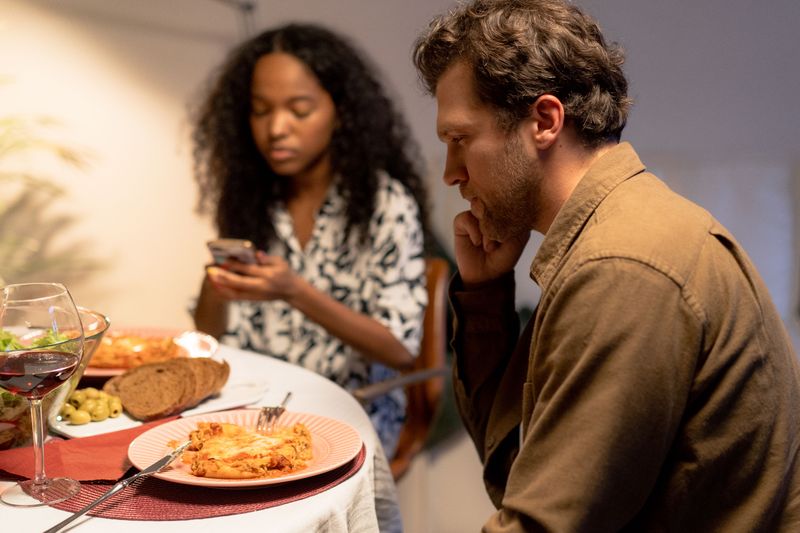
Small messages and quick check-ins often say, “You still matter to me, even in the middle of everything else.” When those little touchpoints disappear, the relationship can start feeling transactional instead of tender.
Daily life keeps moving, but the sense of being remembered begins to fade.
A wife who no longer reaches out may not be busy in the usual way – she may be emotionally disengaging.
Over time, silence during the day can create more distance than either partner realizes.
What once felt like connection and partnership starts to feel like two separate people simply sharing responsibilities.
12. Neglects Small Acts of Kindness

Healthy marriages are often held together by ordinary kindness, not grand romantic gestures.
A favorite snack picked up on the way home, a warm cup of coffee, or a simple “Drive safe” can quietly say, “I’m thinking of you.” When those small offerings stop, love may still exist, but it no longer feels actively cared for.
If a wife becomes indifferent to those daily gestures, it can signal deeper fatigue, disappointment, or detachment.
The relationship starts losing its softness, and even routine moments feel colder than they used to.
Without consistent thoughtfulness, partners can begin to feel more like housemates than cherished companions.
13. Stops Bringing Playfulness Into the Relationship

Laughter is easy to dismiss, but it is one of the quiet ways intimacy stays alive.
Shared jokes, playful teasing, and light moments during stressful days remind both partners that joy still lives in the marriage.
When a wife stops inviting that warmth, the home can begin to feel emotionally heavy.
This does not mean every day should be carefree or cheerful.
It means the relationship may be losing the ease that once balanced hard conversations, responsibilities, and disappointment.
If everything feels serious, functional, or drained of delight, that shift can point to a bond that no longer feels emotionally safe or fulfilling.