 MomSkoop
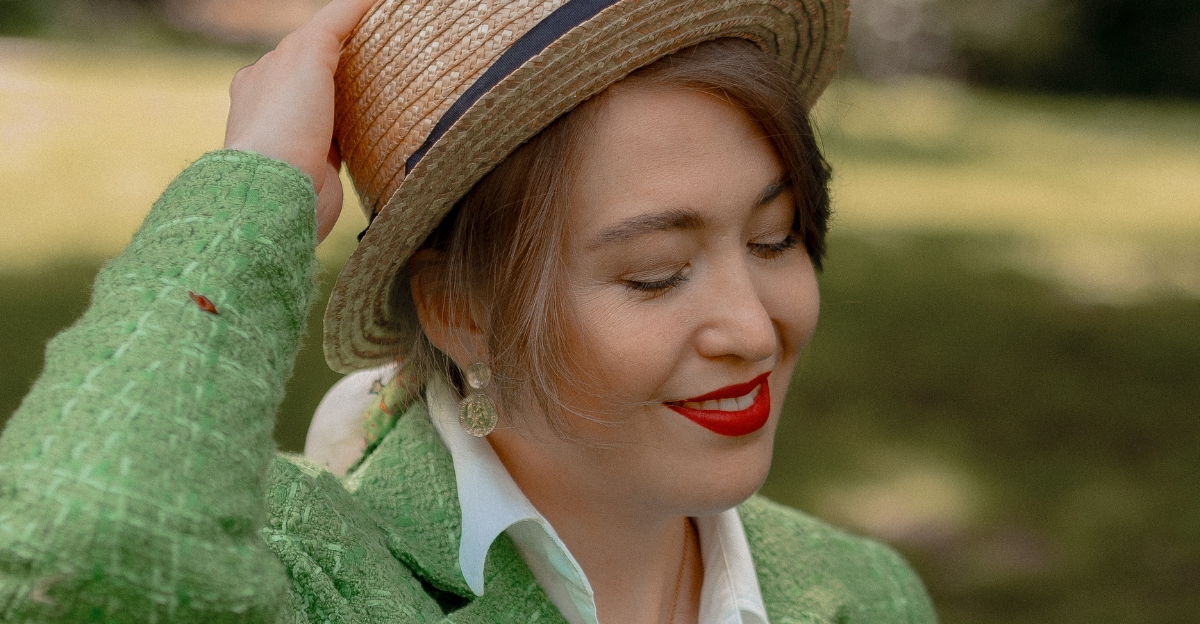
Your wardrobe says a lot about your style evolution, but sometimes old habits keep us stuck in the past.
If your closet still feels like a time capsule from the ’90s, it might be time for a refresh.
Letting go of outdated fashion routines can open the door to a more modern, flattering wardrobe that still honors your personal style.
1. Wearing Only Ultra-Skinny Jeans
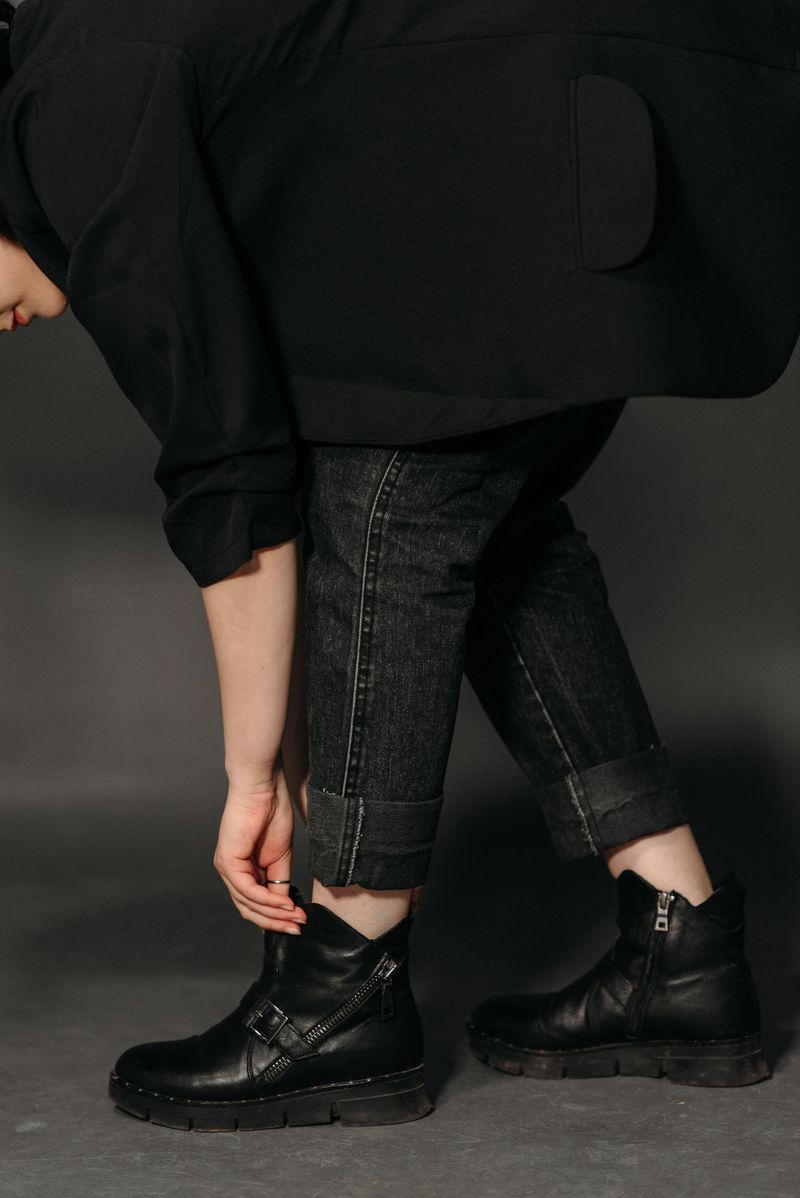
Sticking exclusively to skinny denim limits your style and can make your wardrobe feel dated.
Fashion has moved toward celebrating variety, with straight-leg, barrel, and wide-leg jeans taking center stage.
Modern silhouettes offer comfort and a fresh look that skinny jeans just can’t match anymore.
Mixing different cuts helps you adapt to current trends while finding what flatters your body best.
If every pair of jeans in your closet hugs your ankles tightly, it’s time to explore new shapes.
Adding even one or two pairs of relaxed-fit denim can instantly update your entire wardrobe and give you more styling options for different occasions.
2. Overly Baggy or Shapeless Maxi Dresses
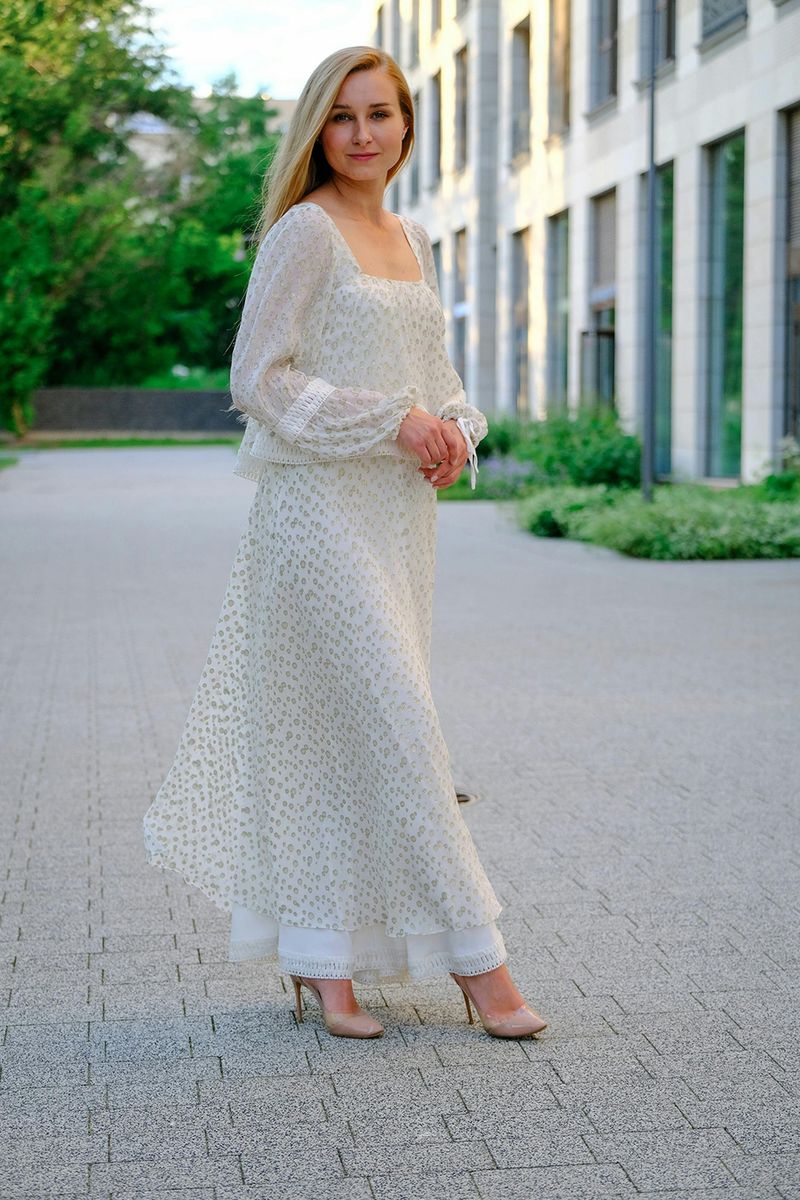
Maxi dresses from the ’90s often swallowed your shape in loose, flowing fabric without any structure.
While comfort is important, modern maxi dresses balance ease with tailored details like cinched waists, defined shoulders, or interesting cuts.
Shapeless silhouettes can make you look older and less put-together than you actually are.
Today’s styles emphasize fit that flatters without clinging too tightly.
If your maxi dresses hang like curtains and hide your figure completely, consider updating to versions with belts, side slits, or wrap styles.
These small changes create a polished, contemporary look that still feels comfortable and effortless for everyday wear.
3. Clinging to Ultra-Low-Rise Jeans Without Modern Balance
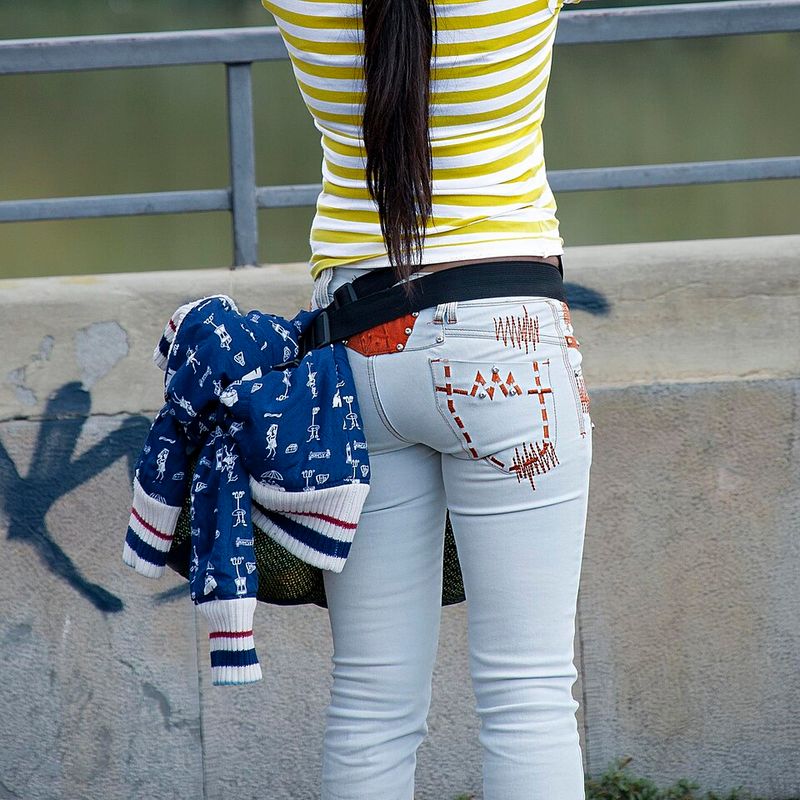
Ultra-low-rise jeans were everywhere in the late ’90s and early 2000s, sitting dangerously low on the hips.
While some low-rise styles have made a comeback, they’re now paired with modern tops and accessories for balance.
Wearing them the old way—with crop tops and no consideration for proportion—feels outdated.
Current denim trends favor mid-rise and high-rise cuts that offer comfort, coverage, and a more flattering fit for most body types.
If you’re still reaching for jeans that barely stay up, it might be time to try higher rises.
They elongate your legs, tuck in easily, and work better with today’s longer tops and layered looks.
4. Old Oversized Denim Jackets Without Updated Tailoring
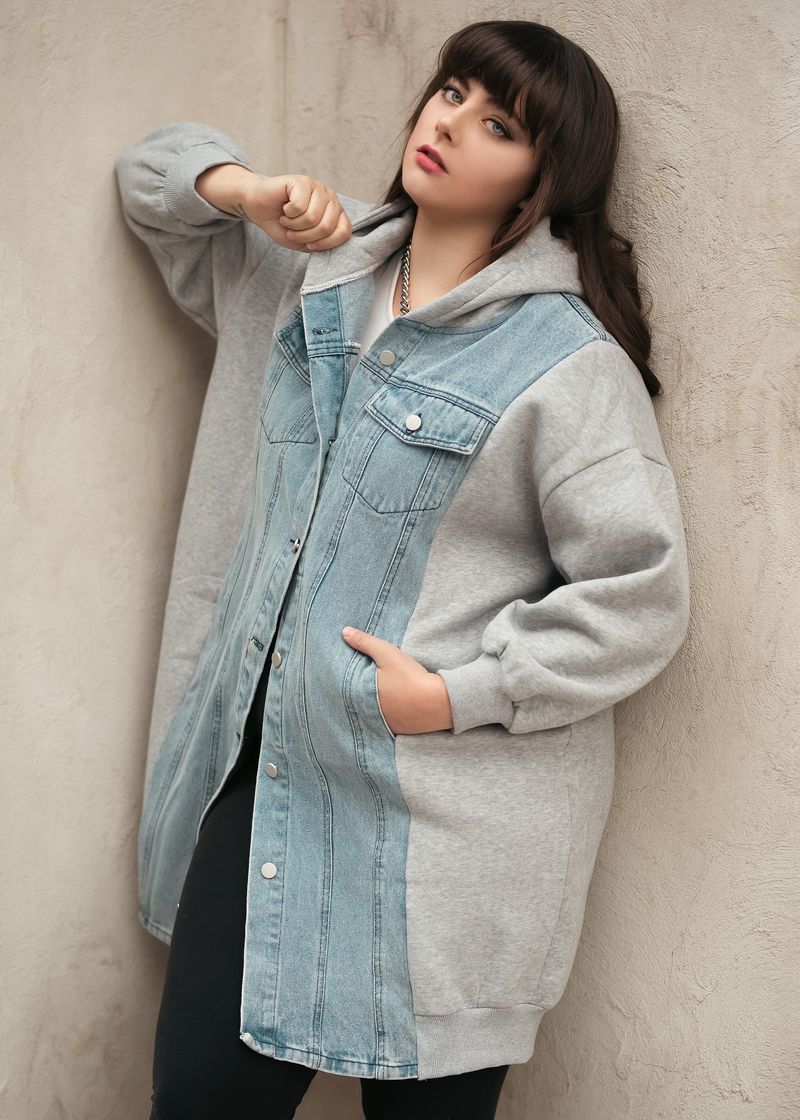
Denim jackets are timeless, but the boxy, oversized fit from the ’90s can instantly date your outfit.
Back then, bigger was better, and structure didn’t matter much.
Today’s denim jackets feature cropped lengths, fitted shoulders, and tailored waists that complement modern clothing silhouettes.
An old jacket with droopy sleeves and no shape can make even your newest outfit look outdated.
You don’t have to toss your vintage denim jacket entirely, but consider getting it tailored or investing in a new one with updated proportions.
A well-fitted jacket enhances your look instead of overwhelming it, and it pairs beautifully with everything from dresses to high-waisted jeans.
5. Excessive Baggy or Worn-Out Flannels as a Primary Style Piece
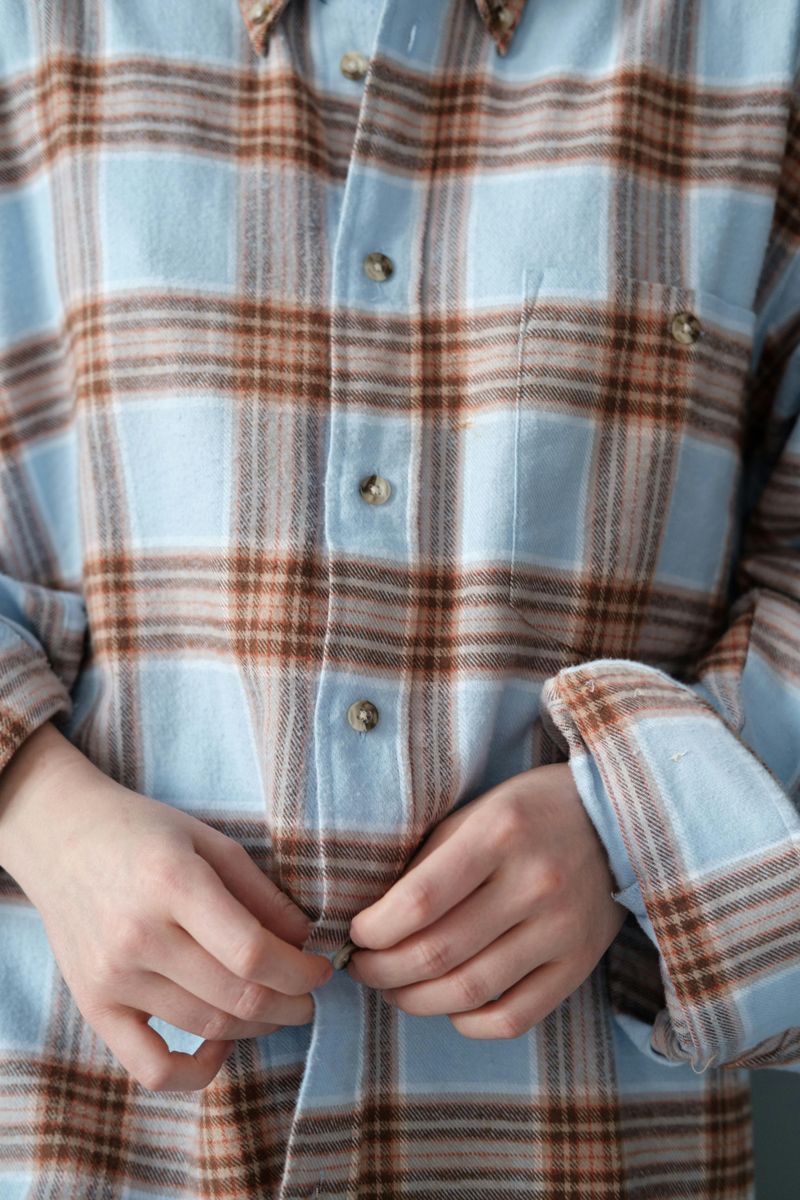
Flannel shirts defined the ’90s grunge era, often worn oversized, unbuttoned, and deliberately messy.
While flannel itself isn’t outdated, relying on faded, stretched-out versions as your main wardrobe staple definitely is.
Modern styling calls for flannels that fit well, look fresh, and are layered thoughtfully with current pieces.
Wearing a tattered flannel over everything doesn’t feel edgy anymore—it just looks worn out.
If flannel is your go-to, invest in new versions with better fits and brighter colors.
Style them tied at the waist, layered under blazers, or paired with sleek jeans to give them a contemporary twist that honors the ’90s without living in it.
6. Clunky ’90s Platform Sneakers or Jelly Shoes as Daily Basics
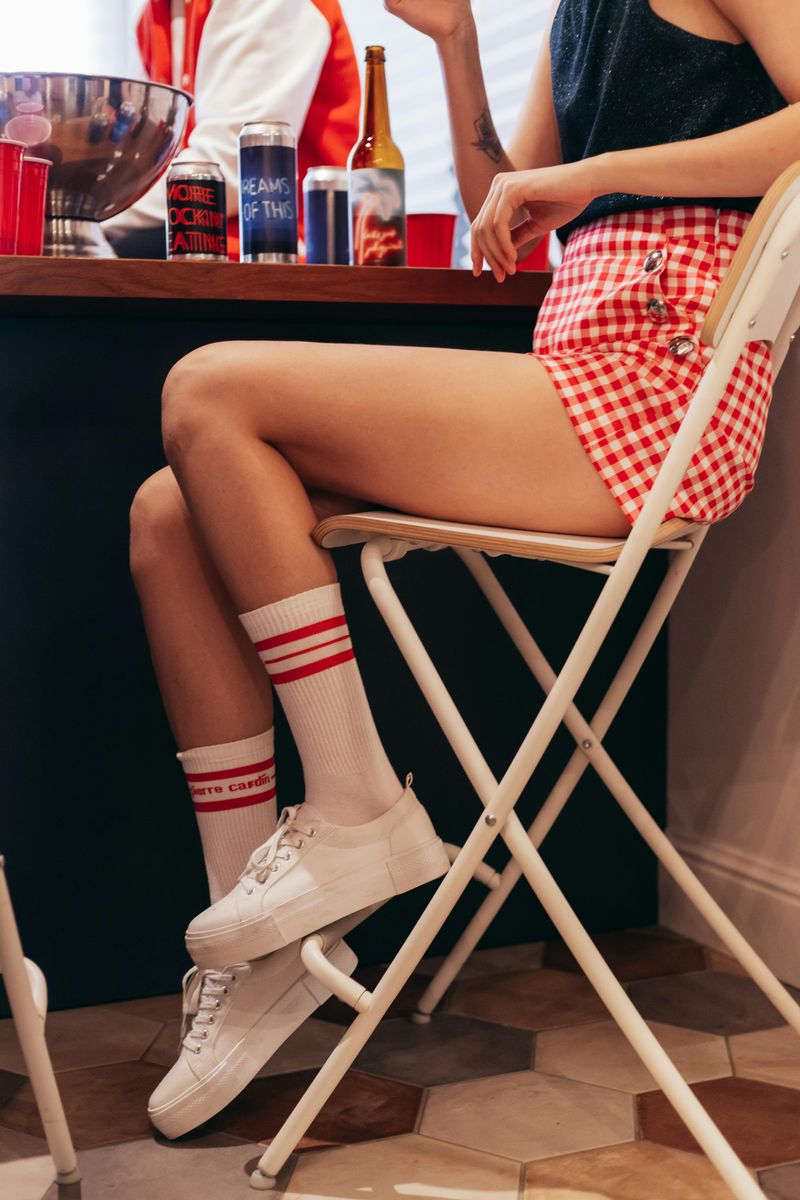
Platform sneakers and jelly shoes bring back fun memories, but wearing them as the foundation of every outfit signals you’re stuck in a time capsule.
These shoes were iconic for their bold, chunky look, but they can overwhelm modern outfits.
Today’s footwear trends lean toward sleeker silhouettes, minimalist designs, and versatile styles that transition easily from day to night.
Clunky platforms can make even trendy clothes look outdated.
Keep your nostalgic shoes for special occasions or themed outfits, but invest in updated sneakers with cleaner lines and modern materials.
Your feet—and your overall style—will thank you for the upgrade and newfound versatility in your daily wardrobe choices.
7. Vintage Graphic Tees with Dated Graphics Not Styled with Current Pieces
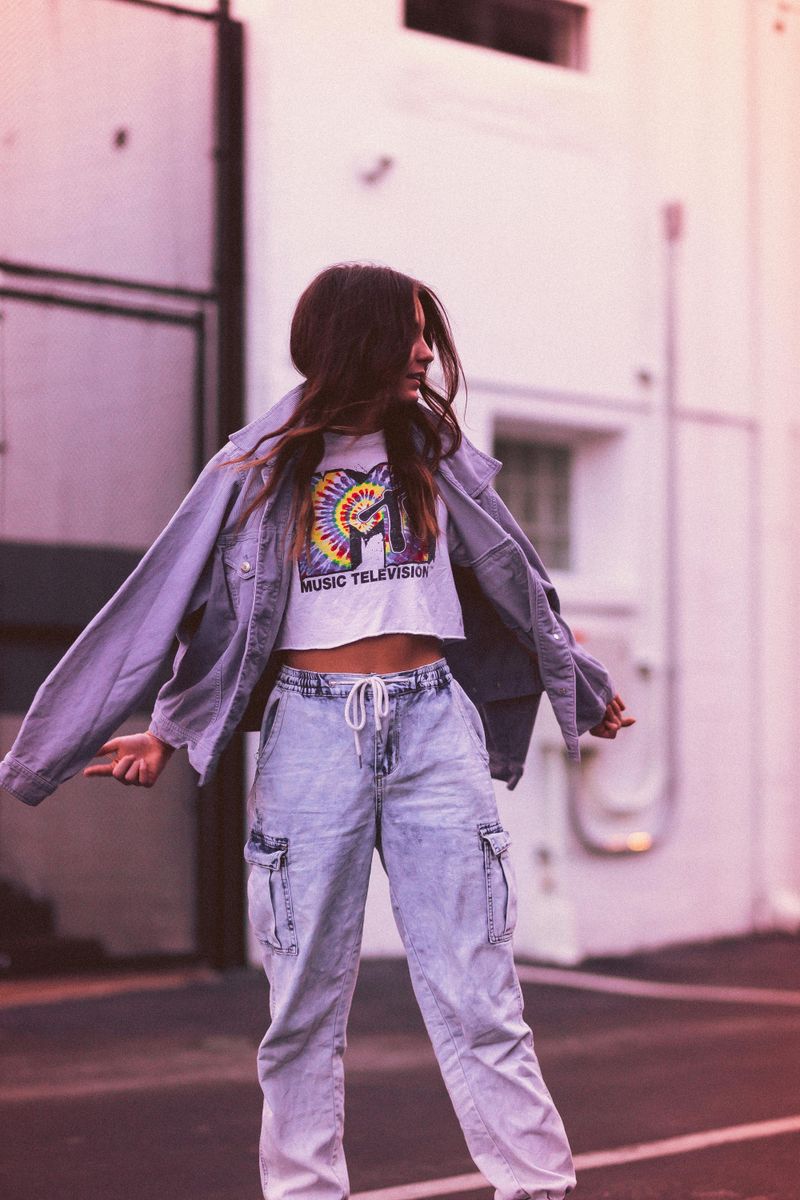
Band tees and logo shirts from the ’90s carry nostalgia, but wearing them exactly as you did decades ago misses the mark.
Faded graphics, outdated fonts, and stretched necklines can make your outfit look tired instead of cool.
The key to wearing vintage tees today is styling them with modern pieces like tailored blazers, high-waisted trousers, or sleek accessories.
Context matters—nostalgia works best when balanced with contemporary elements.
If you love your old graphic tees, give them new life by tucking them into structured skirts or layering under chic jackets.
This approach keeps the retro vibe alive while ensuring your overall look feels fresh, intentional, and current rather than accidentally stuck in the past.
8. Holding Onto Faded or Stretched ’90s Polyester Knits

Polyester knits were everywhere in the ’90s, from sweaters to dresses, but fabric quality matters more than ever today.
Over time, these pieces fade, stretch out, and lose their shape, making them look shabby rather than stylish.
Modern knitwear uses better materials that hold up longer and look more polished.
Clinging to old, worn-out knits because they’re comfortable or familiar keeps your closet stuck in the past.
Go through your knitwear and honestly assess the condition of each piece.
If it’s pilling, sagging, or discolored, it’s time to let it go and invest in quality knits made from natural fibers that will maintain their appearance and last for years to come.
9. Clothes You Never Wear Because You Saved Them from That Decade
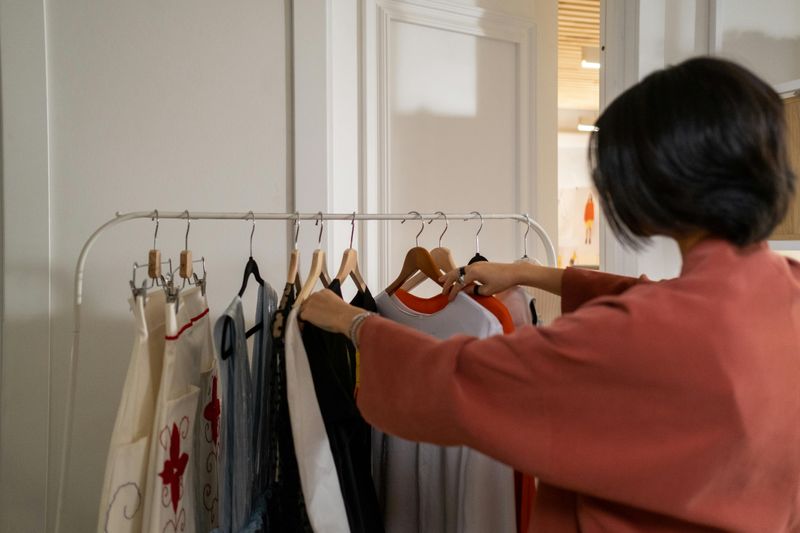
Many people hold onto ’90s clothes they never wear, creating a trend graveyard in their closets.
These pieces take up valuable space and make it harder to see what you actually love and use.
Keeping clothes purely for sentimental reasons—not because you wear them—prevents you from building a functional, current wardrobe.
Every item should earn its place by being worn and loved.
Be honest about what you actually put on versus what just hangs there collecting dust.
If you haven’t worn something in over a year and can’t imagine wearing it next month, donate it to someone who will appreciate it.
Clearing out the past makes room for styles that reflect who you are now.
10. Shoes with Extremely Rounded Toes or Shapeless Flats from the ’90s Era
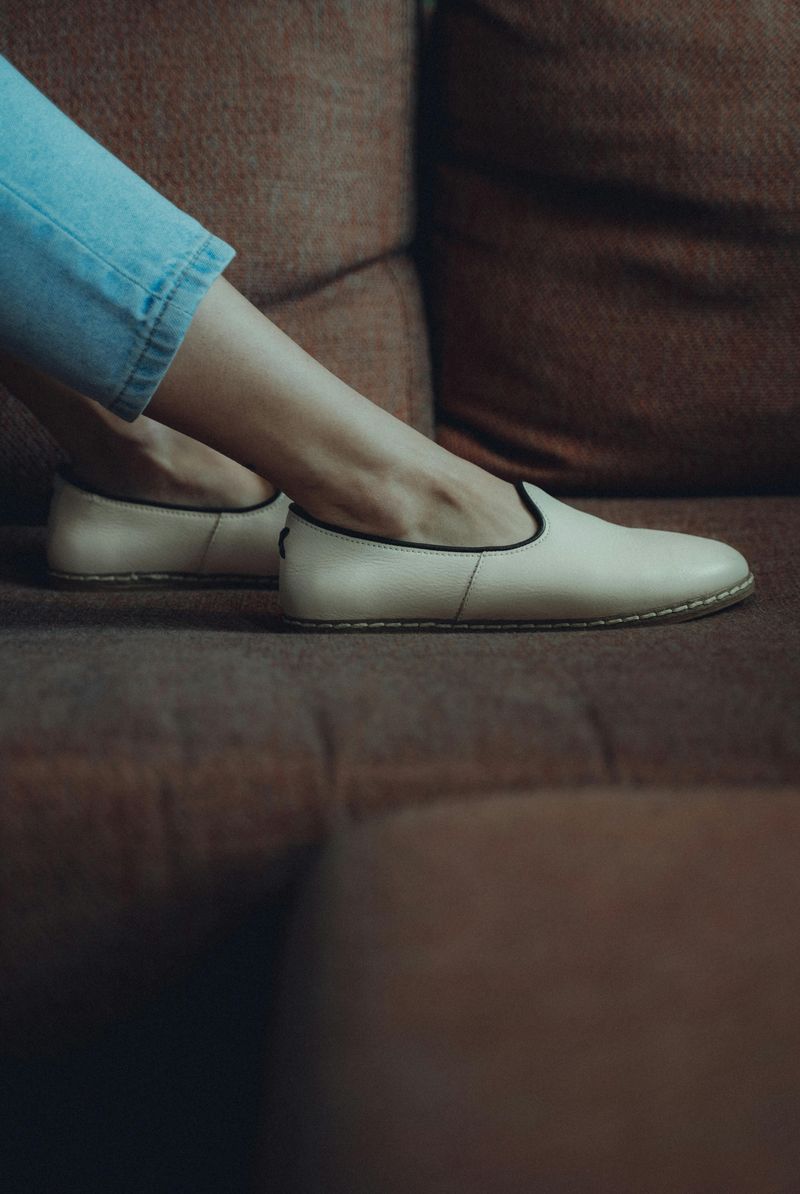
Rounded-toe shoes and completely shapeless flats were staples of ’90s footwear, prioritizing comfort over style.
While comfort still matters, shoe designs have evolved to offer both support and sleeker, more refined silhouettes.
Bulbous toe boxes and formless flats can make your feet look larger and your outfits feel unfinished.
Current footwear favors pointed or almond toes, structured designs, and interesting details that elevate your entire look.
If your shoe collection is full of rounded, shapeless styles, consider updating with a few pairs that have more definition.
Modern flats, loafers, and sneakers offer the same comfort with far more polish, helping your outfits look intentional and up-to-date from head to toe.
11. Accessories Like Oversized Chokers Worn as Everyday Staples Without a Modern Twist
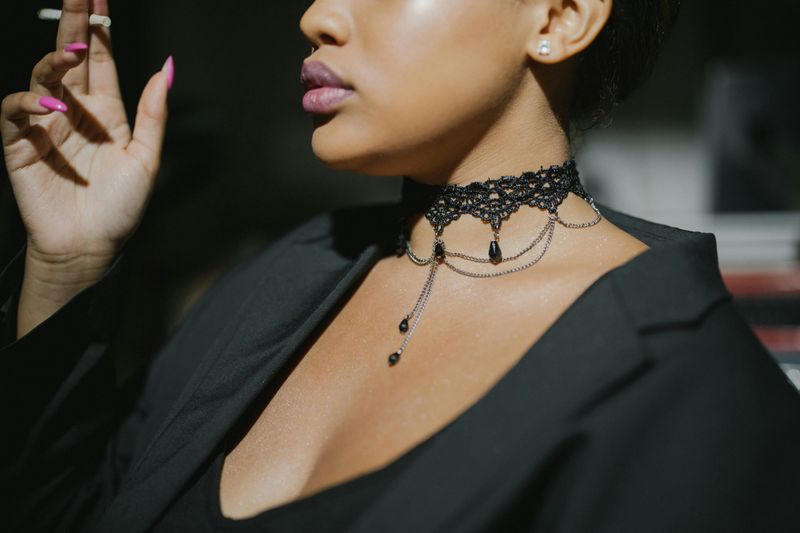
Thick chokers were iconic in the ’90s, from black velvet ribbons to chunky plastic bands.
Wearing them daily without updating the styling or choosing modern versions can make your accessories feel stuck in the past.
Accessories should enhance your outfit, not define it as belonging to a specific decade.
Today’s jewelry trends favor delicate layering, mixed metals, and pieces that complement rather than dominate.
If you love chokers, wear them occasionally and pair them with contemporary clothing and other modern jewelry.
Or explore updated versions—thinner, more refined designs that nod to the ’90s without shouting it.
Balance is everything when bringing retro accessories into your current wardrobe rotation and personal style.
12. Keeping Items That No Longer Flatter Your Silhouette
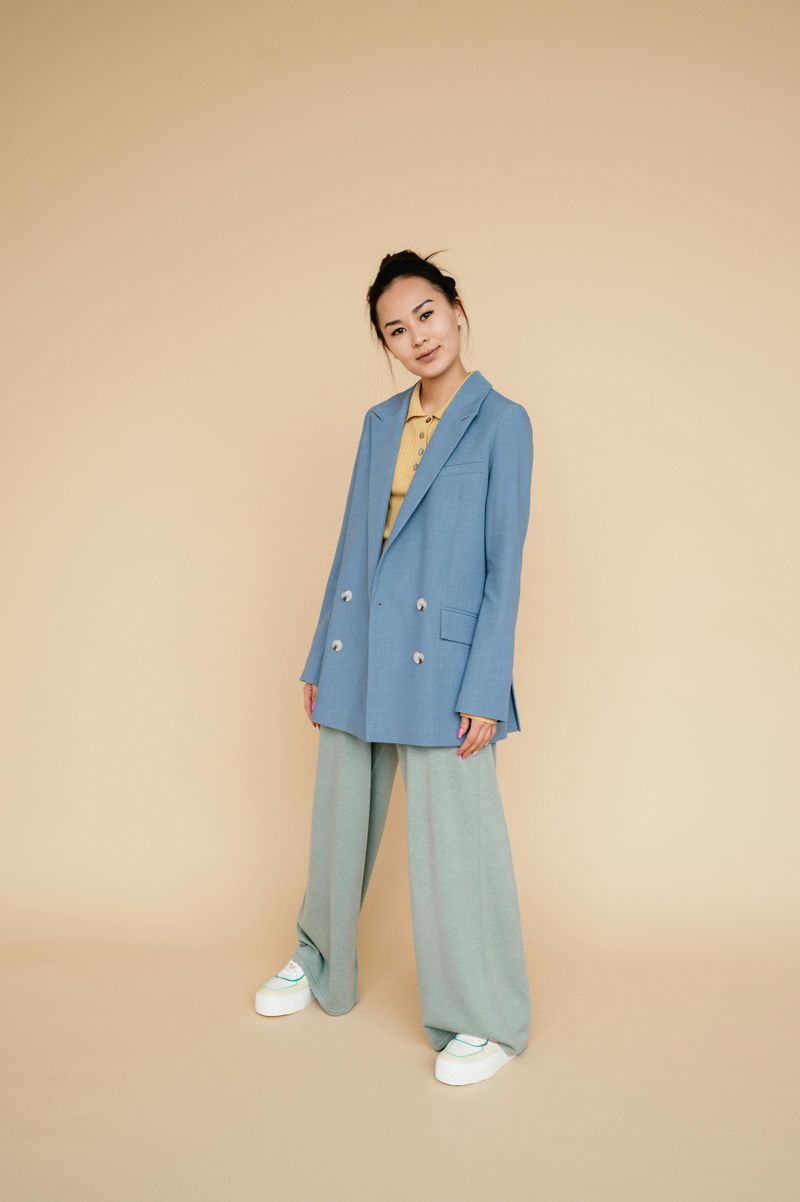
Silhouettes have shifted dramatically since the ’90s, and what worked then might not flatter you now—not because your body changed, but because fashion proportions have evolved.
Too-long hemlines, overly baggy fits, and shapeless cuts are instant giveaways of outdated styling.
Modern fashion emphasizes fit and proportion, whether you prefer loose or fitted styles.
Clothes should enhance your shape, not hide or overwhelm it.
Take an honest look at pieces that are too big, too long, or too shapeless for today’s standards.
Tailoring can save some items, but others are better donated.
Building a wardrobe that flatters your current silhouette makes getting dressed easier and helps you feel confident and stylish every single day.