 MomSkoop

Cleaning habits have changed a lot over the years, and some old methods just don’t make sense anymore. What worked for your grandparents might actually be making your cleaning routine harder or less effective today.
Modern cleaning science has taught us better ways to keep our homes fresh and germ-free without wasting time or supplies. Here are ten outdated cleaning habits you can finally leave behind for good.
1. Overloading The Dishwasher
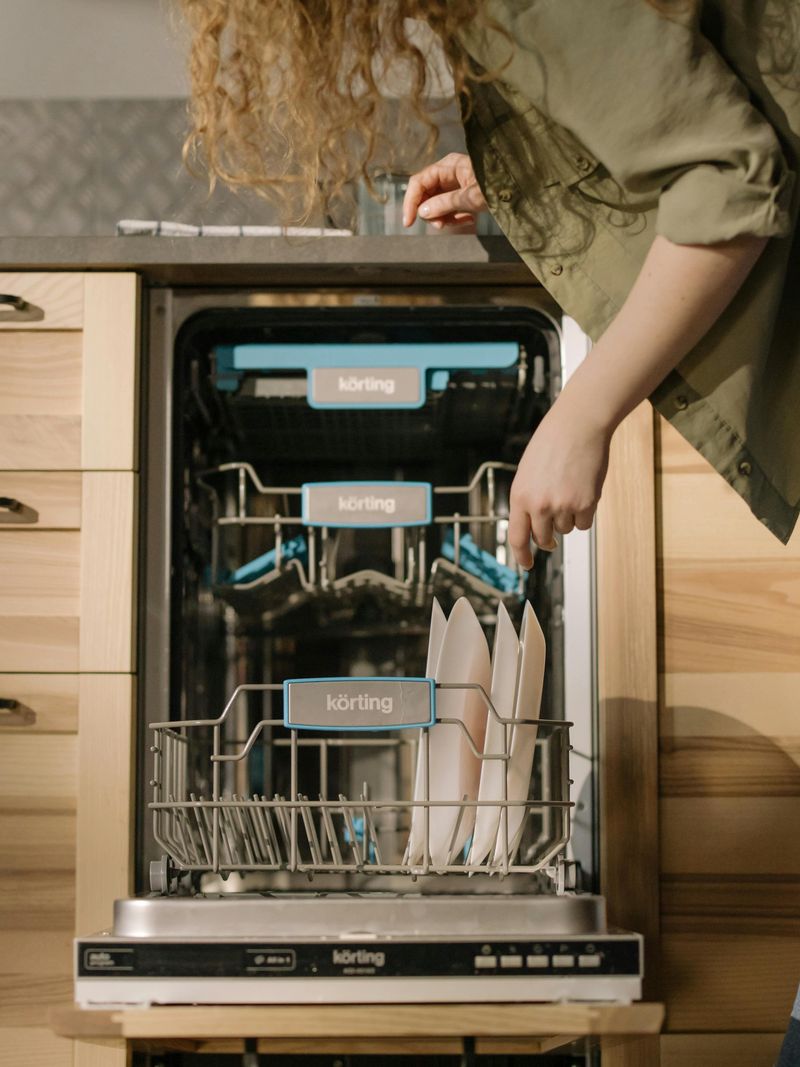
Cramming every dish into one load might seem efficient, but it actually makes your dishwasher work less effectively.
Water and soap need space to reach all surfaces, and when plates are stacked too tightly, food particles get trapped instead of washed away.
You end up running the cycle twice or rewashing items by hand, which wastes water, energy, and your precious time.
Modern dishwashers are designed to clean properly when loaded correctly with adequate spacing between items.
Give your dishes room to breathe, and you’ll notice cleaner results every single time.
This small change saves money on utilities and prevents frustration.
2. Using The Same Sponge For Everything
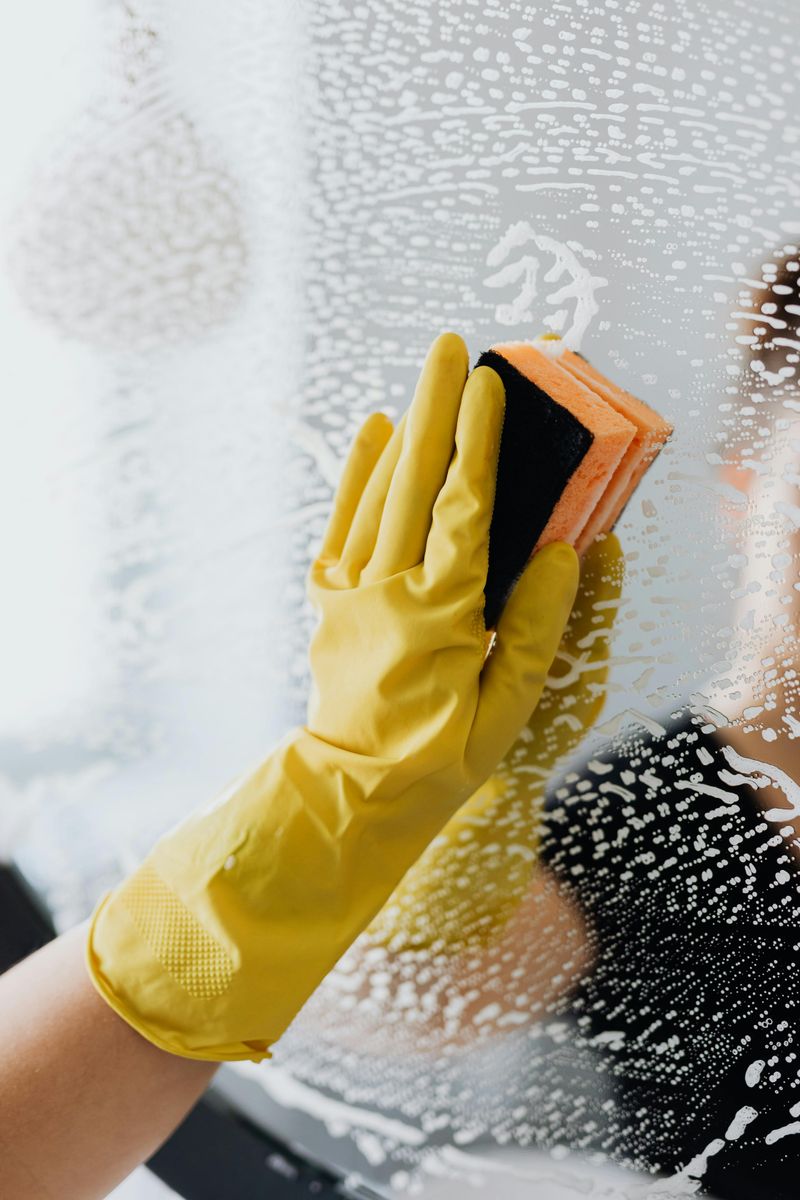
One sponge for counters, dishes, and the sink might have been common practice once, but it’s basically a bacteria highway.
Sponges pick up germs from every surface they touch, and using one everywhere spreads those germs around your entire kitchen.
Studies show kitchen sponges can harbor millions of bacteria, including some nasty ones that make people sick.
Instead, designate different sponges or cloths for different jobs to keep cross-contamination under control.
Replace or sanitize them regularly by microwaving damp sponges for two minutes or running them through the dishwasher.
Your family’s health is worth this simple switch.
3. Neglecting To Clean Your Cleaning Tools
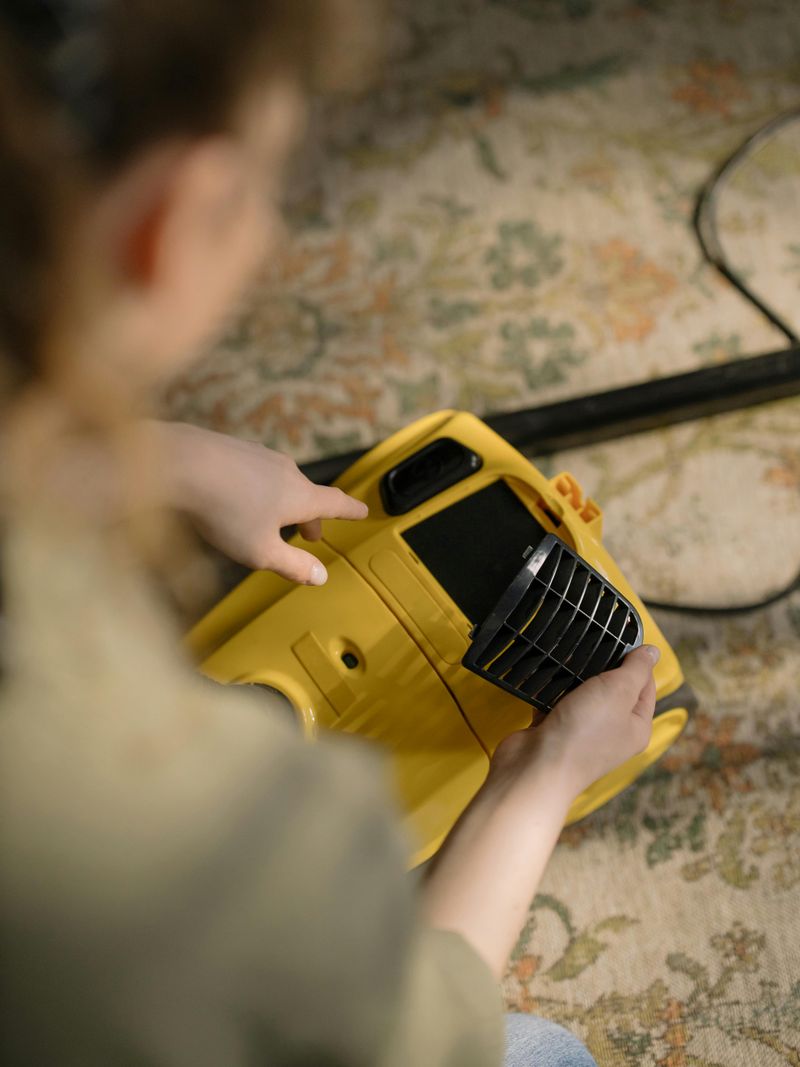
How can dirty mops, brooms, and vacuum cleaners actually clean anything?
Many people forget that cleaning tools need regular cleaning themselves to work properly and stay sanitary.
Mop heads collect dirt and bacteria that get spread across your floors during the next cleaning session.
Vacuum filters clog with dust and lose suction power, while broom bristles trap debris that falls back out later.
Wash mop heads after every few uses, empty vacuum canisters frequently, and rinse brooms under running water monthly.
Clean tools mean truly clean surfaces, not just moving dirt around your home repeatedly.
4. Wiping Disinfectant Away Immediately
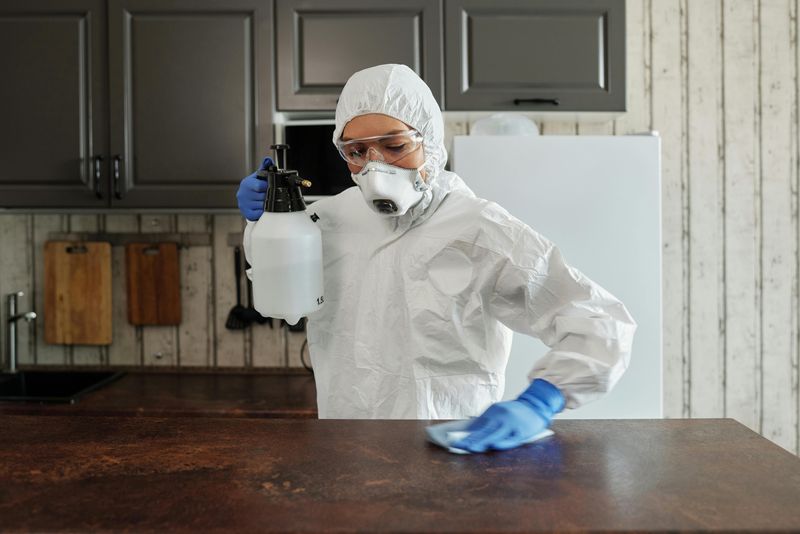
Spraying cleaner and wiping it off right away feels productive, but disinfectants need time to actually kill germs.
Most cleaning products require staying wet on surfaces for several minutes to be effective against bacteria and viruses.
Check the label on your disinfectant—it usually says to let it sit for anywhere from 30 seconds to 10 minutes.
Wiping too quickly means you’re just moving germs around without eliminating them, which defeats the entire purpose of disinfecting.
Be patient and let chemistry do its job before grabbing that cloth.
This habit is especially important during cold and flu season when germs spread easily.
5. Forgetting To Clean Door Knobs And Handles
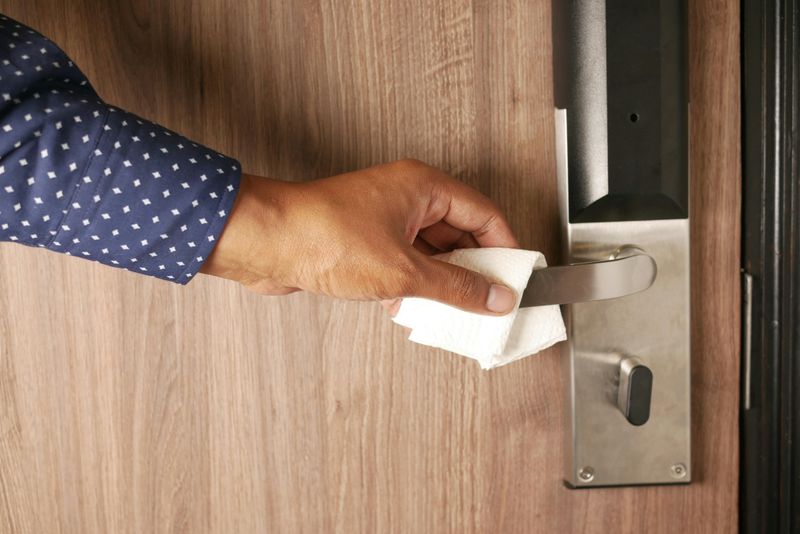
Everyone touches door knobs, cabinet handles, and light switches multiple times daily, yet these spots often get ignored during cleaning.
Think about how many hands touch your front door handle or bathroom knob—it’s a germ hotspot that deserves attention.
These high-touch surfaces can harbor cold viruses, flu germs, and other nasty bugs that spread illness throughout your household.
Add these areas to your regular cleaning routine by wiping them down with disinfectant at least twice weekly.
During illness outbreaks, clean them daily to protect everyone in your home.
It takes less than five minutes but makes a huge difference in keeping your family healthy year-round.
6. Using Too Much Laundry Detergent
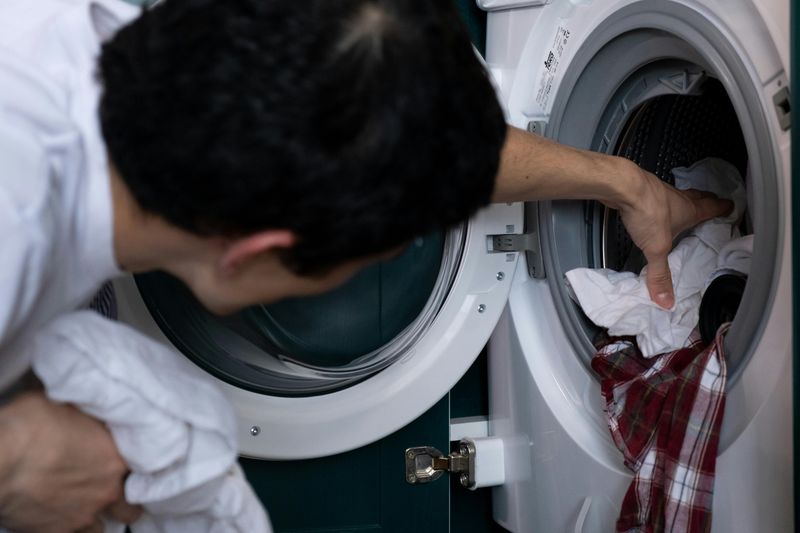
More soap equals cleaner clothes, right?
Actually, using too much detergent leaves residue on fabrics, makes clothes feel stiff, and can even trap dirt instead of removing it.
Modern detergents are super concentrated and designed to work effectively in small amounts, unlike the formulas from decades ago.
Extra soap creates excessive suds that prevent proper rinsing and can damage your washing machine over time by clogging components.
Follow the measurement guidelines on the bottle, and consider using even less if you have soft water or lightly soiled items.
Your clothes will be cleaner, softer, and you’ll save money on detergent purchases too.
7. Using Paper Towels To Clean Everything
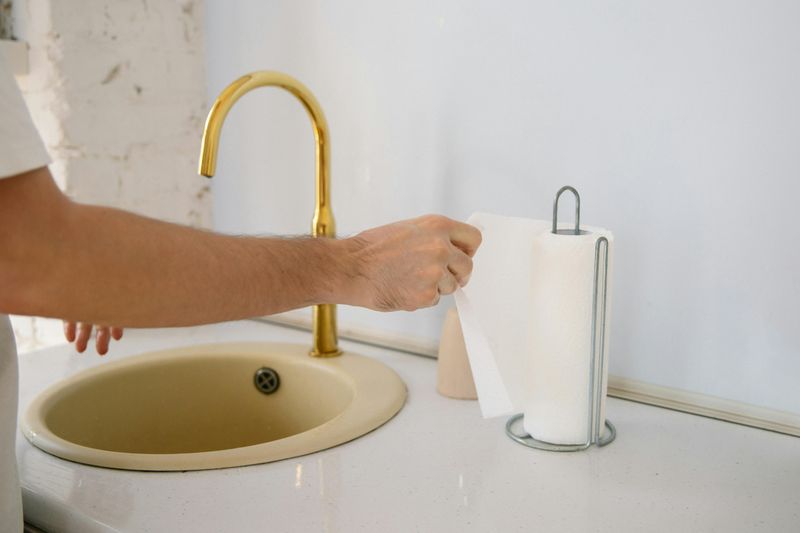
Paper towels became the go-to cleaning tool for convenience, but they’re wasteful, expensive, and not even the best choice for most jobs.
They create tons of trash, cost money every time you shop, and often just push dirt around without really picking it up.
Microfiber cloths trap dirt and bacteria more effectively, can be washed and reused hundreds of times, and work better on glass and surfaces.
Keep paper towels for truly messy situations like pet accidents, but switch to reusable cloths for daily cleaning tasks.
You’ll reduce waste, save money over time, and actually get better cleaning results with less effort and frustration.
8. Ignoring Your Kitchen Appliances
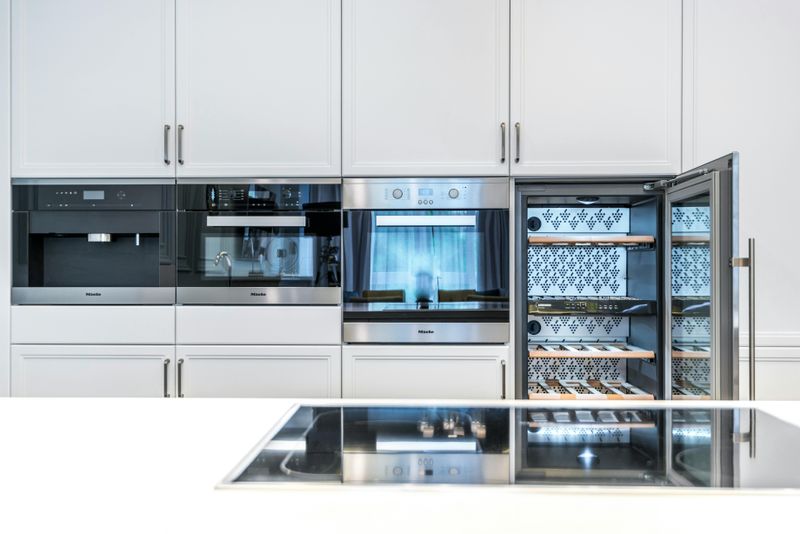
When was the last time you cleaned inside your microwave, behind your fridge, or under your stove burners?
Kitchen appliances work hard every day but rarely get the deep cleaning attention they desperately need to function well.
Built-up grease and food particles make appliances work harder, use more energy, and can even create fire hazards in extreme cases.
Dirty microwaves harbor bacteria, grimy refrigerator coils waste electricity, and crusty oven interiors affect cooking performance and food taste.
Schedule monthly appliance cleaning sessions to wipe down, scrub out, and maintain these expensive kitchen investments properly.
They’ll last longer and work better when given proper care.
9. Not Disinfecting Toothbrushes
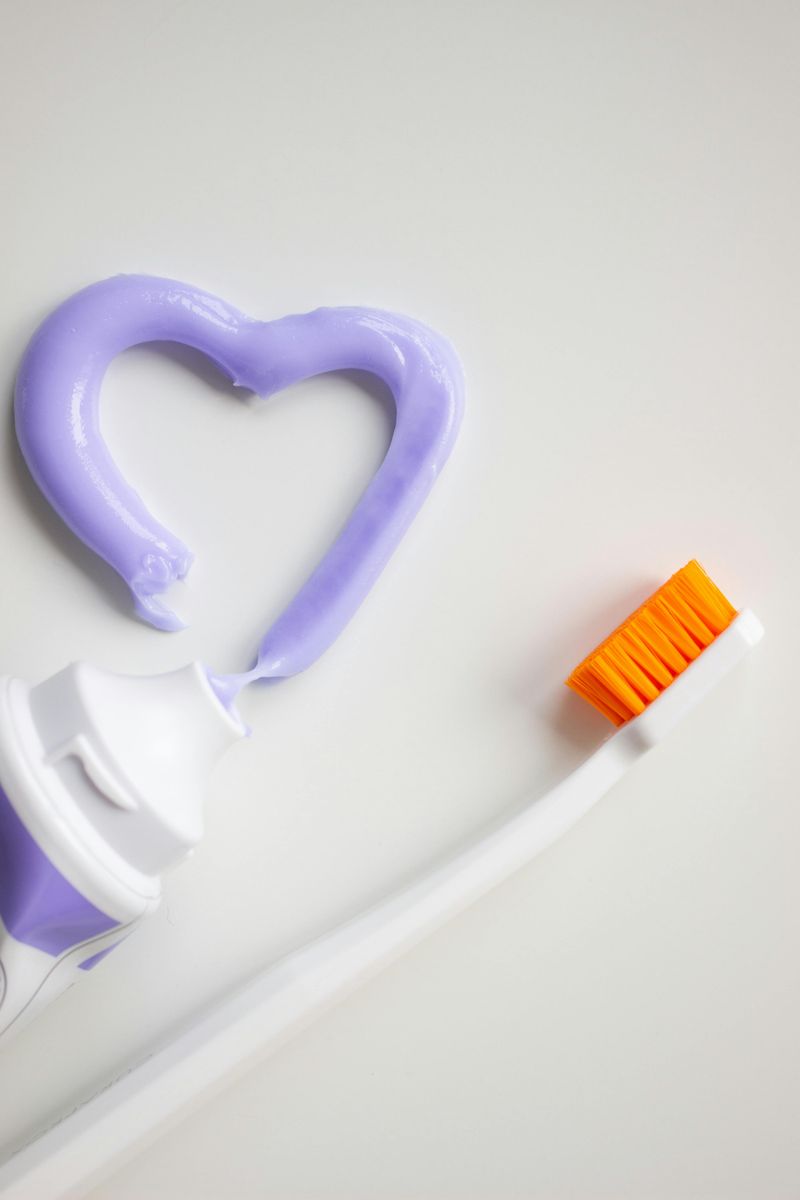
Your toothbrush sits in a moist bathroom collecting bacteria, yet most people never think about cleaning it beyond rinsing with water.
Bathrooms are full of airborne germs, and toothbrushes are perfect breeding grounds for bacteria that can make you sick or cause infections.
After brushing, rinse your toothbrush thoroughly and let it air dry completely in an upright position away from the toilet.
Once weekly, soak it in antibacterial mouthwash or hydrogen peroxide for a few minutes to kill lingering germs effectively.
Replace toothbrushes every three months or after illness to maintain good oral health and prevent reinfection.
This simple habit protects your smile and overall wellness.
10. Leaving Dusting Until Last

Dusting after you’ve already vacuumed and cleaned means all that dust just settles back onto your freshly cleaned floors and furniture.
Gravity pulls dust downward, so it makes sense to work from top to bottom rather than the other way around.
Start with ceiling fans, light fixtures, and high shelves, then work your way down to tables, chairs, and finally floors.
This method ensures you capture all the dust in one efficient pass instead of having to re-clean surfaces multiple times.
Use microfiber dusters that trap particles instead of spreading them into the air where they resettle minutes later.
Smart cleaning order saves time and delivers better, longer-lasting results throughout your entire home.