 MomSkoop

Decorating your home should bring joy and comfort, not regret over wasted money. Many popular décor trends look amazing in magazines and stores, but once you bring them home, they often fail to deliver lasting value.
Some items carry inflated price tags simply because of brand names, while others become outdated quickly or serve little practical purpose. Understanding which home décor purchases rarely justify their cost can save you hundreds of dollars and help you invest wisely in pieces that truly enhance your living space.
1. Designer Throw Pillows
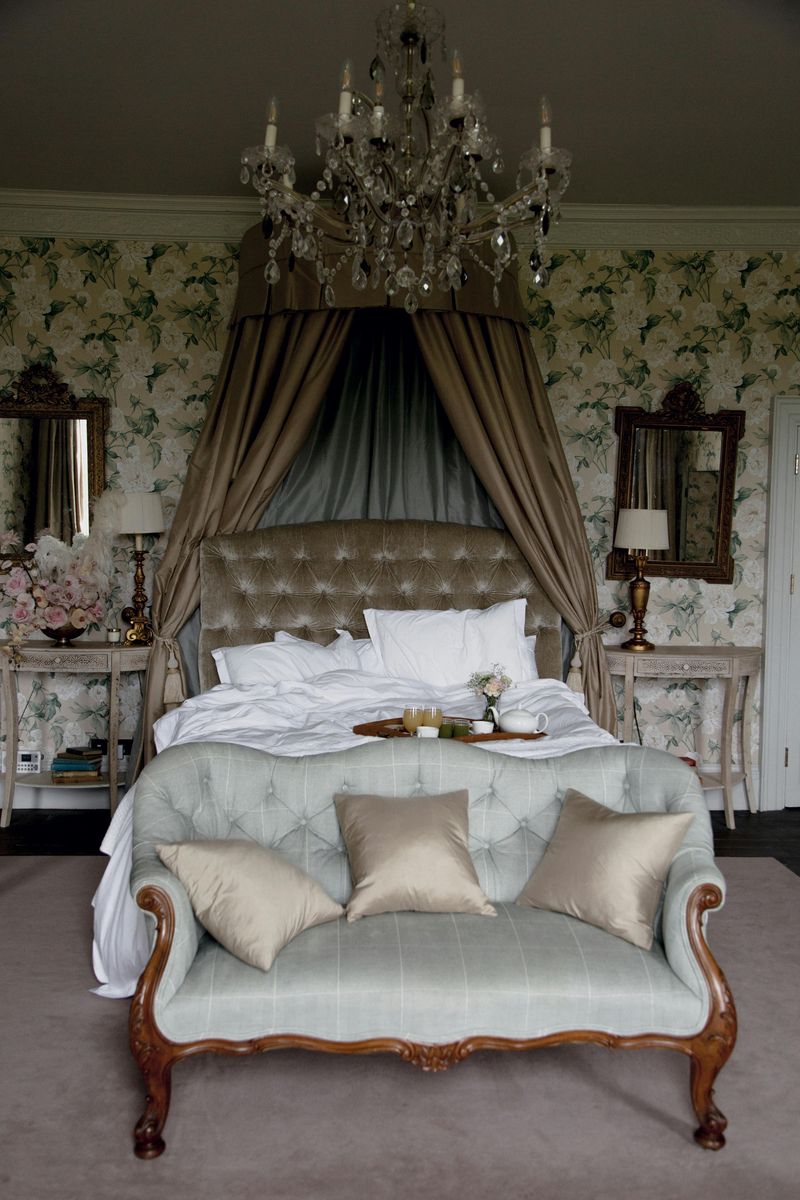
Walk into any high-end furniture store and you’ll find throw pillows priced at fifty, seventy, or even a hundred dollars each.
The markup on these decorative cushions is staggering considering they’re often made from the same basic fabrics and fillings as budget options.
Brand names slapped on pillows don’t make them more comfortable or durable.
In fact, many expensive designer pillows use synthetic fills that flatten within months, requiring constant fluffing or replacement.
The stitching and construction quality rarely differs from moderately priced alternatives.
Instead of spending big on brand-name pillows, look for well-made options at home goods stores or online retailers.
You can switch out affordable pillows seasonally without guilt, keeping your space fresh.
Save your décor budget for furniture pieces that truly matter and will last for years.
2. Statement Rugs for Low-Traffic Areas
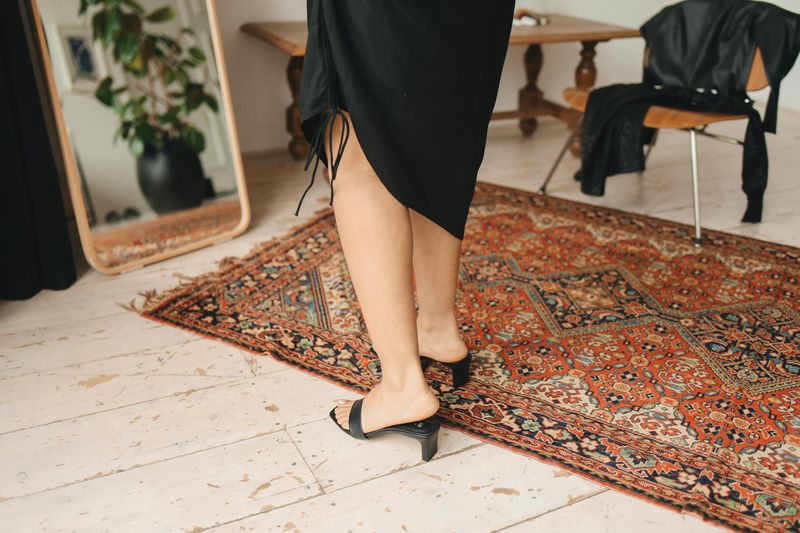
That gorgeous Persian-style rug catching your eye might seem like the perfect finishing touch for your formal dining room or guest bedroom.
But here’s the reality: spaces you rarely use don’t benefit from expensive floor coverings.
High-end rugs placed in low-traffic areas essentially become invisible investments.
Guests might admire them briefly, but the daily return on your spending is minimal.
The money sits on your floor, literally going nowhere, when it could enhance spaces you actually live in.
Consider where your family spends the most time and prioritize those areas for quality rugs.
A durable, moderately priced rug in your family room or kitchen will provide better value than a statement piece hidden in a rarely opened room.
You’ll appreciate the savings every time you walk past that unused space.
3. Oversized Wall Art from Luxury Brands
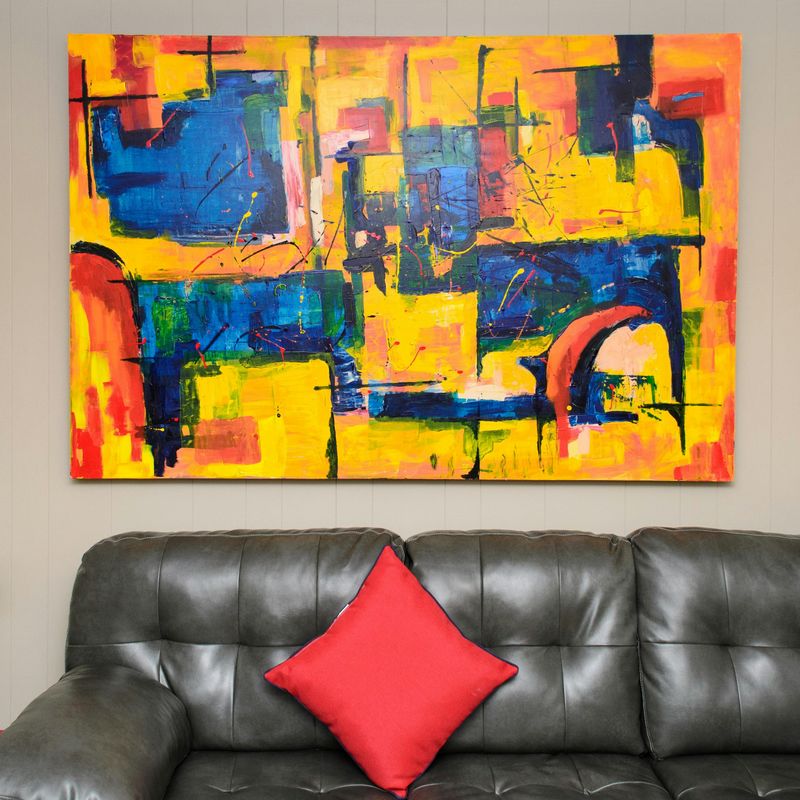
A single piece of wall art from a prestigious gallery or designer brand can cost thousands of dollars.
Yet when you examine what you’re actually buying, the price often reflects the label more than the artwork itself.
Many luxury art pieces feature simple designs, abstract patterns, or generic photography that talented local artists create for a fraction of the cost.
The canvas, frame, and printing techniques used by expensive brands aren’t necessarily superior to quality alternatives.
You’re essentially paying for marketing and prestige.
Explore local art fairs, online marketplaces featuring independent artists, or even create your own gallery wall with personal photographs.
Original pieces from emerging artists often carry more character and conversation value than mass-produced luxury brand art.
Your walls will tell a more authentic story without the inflated price tag attached.
4. Decorative Coffee Table Books
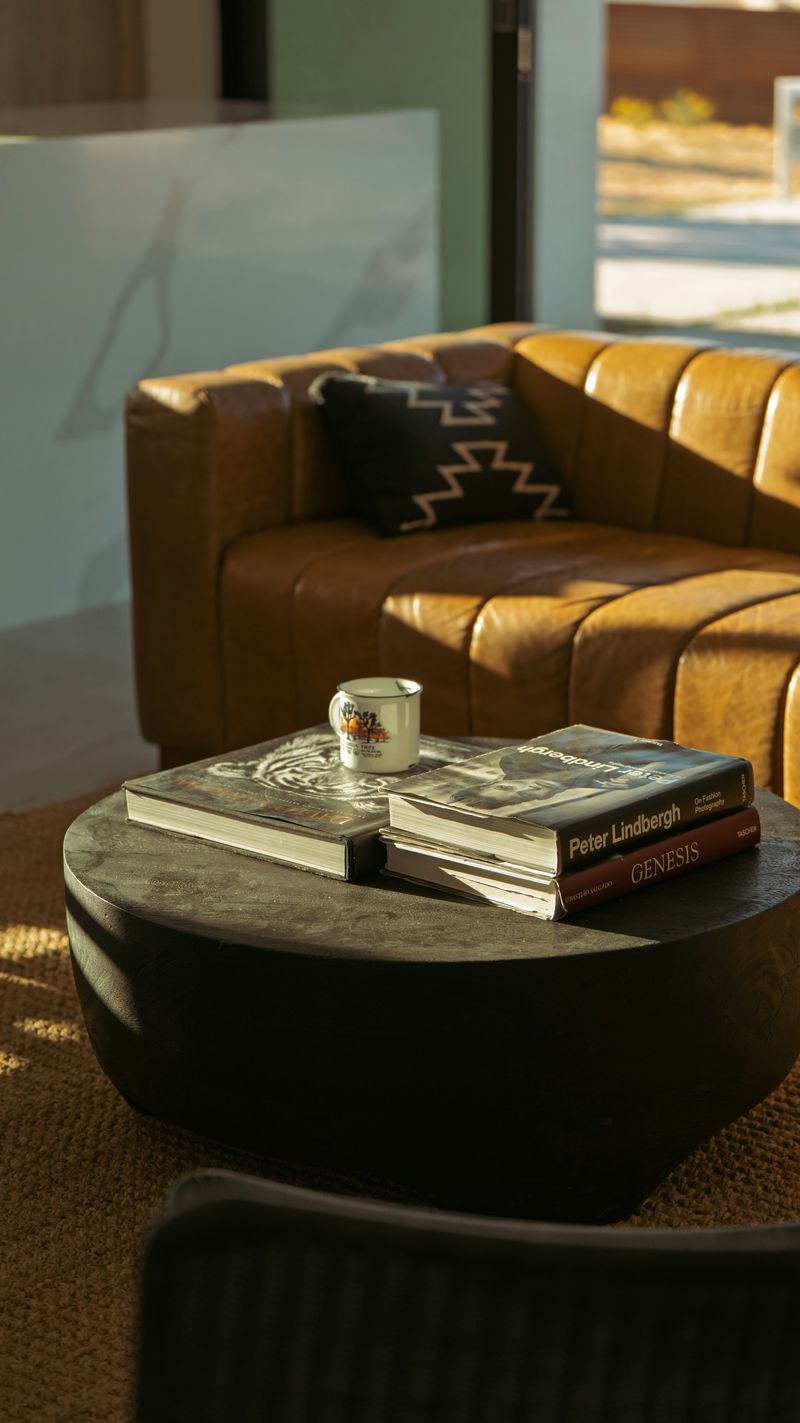
Stacks of glossy coffee table books have become a décor staple in styled homes and design blogs.
These oversized volumes about fashion, travel, or architecture look sophisticated but rarely serve their intended purpose as reading material.
Most people buy these books purely for their covers and spines, arranging them artfully but never opening them.
At thirty to seventy-five dollars per book, you’re essentially purchasing expensive shelf filler.
After the initial placement, they collect dust and remain untouched for years.
If you genuinely love reading about design or photography, borrow these books from your library first to see if you’ll actually use them.
Otherwise, invest in décor items you’ll interact with daily.
A beautiful tray, interesting sculpture, or living plant provides visual interest while serving a real function in your home.
5. Trendy Accent Chairs
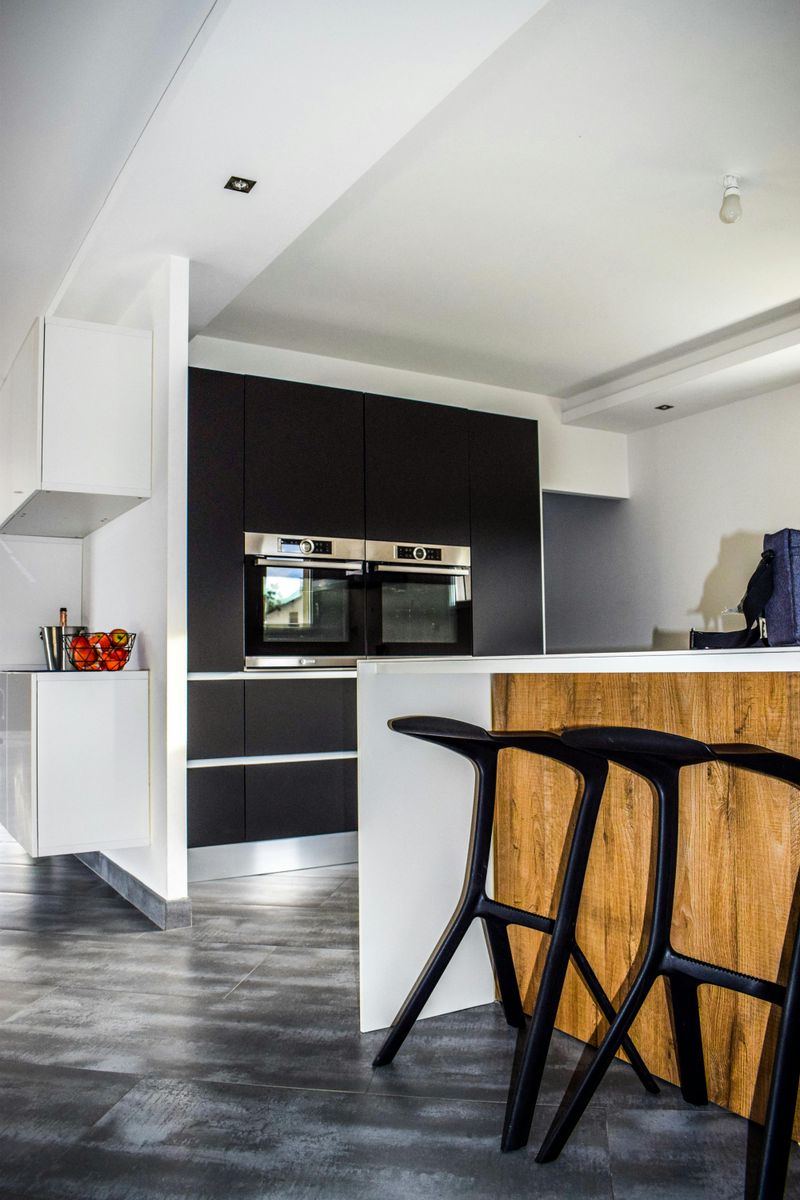
That Instagram-famous accent chair in millennial pink or with bold geometric patterns might seem like the perfect statement piece right now.
Fashion-forward furniture designs capture attention immediately but often lose their appeal just as quickly.
Trendy chairs tied to specific color schemes or design movements can look dated within two to three years.
What feels fresh and exciting today may feel tired and embarrassing tomorrow.
Unlike classic furniture styles that age gracefully, these pieces scream their era and require replacement to keep your space looking current.
Choose accent chairs in timeless silhouettes and neutral colors that work across different décor styles.
You can always add trendy elements through easily changeable items like pillows or throws.
This approach lets you follow trends without committing hundreds of dollars to furniture that won’t stand the test of time.
6. Artificial Plants at Premium Prices

High-end faux plants promise maintenance-free greenery that looks incredibly realistic.
Retailers charge premium prices for these artificial botanicals, marketing them as long-term investments that never need watering or sunlight.
Even the most expensive fake plants show their age over time.
Dust accumulates in hard-to-reach leaves, colors fade from sun exposure, and plastic materials become brittle.
What looked fresh and lifelike in the store can appear obviously artificial and worn after a year or two in your home.
Real plants, even low-maintenance varieties, bring actual life and air-purifying benefits to your space.
If you struggle keeping plants alive, try truly easy options like pothos or snake plants before spending big on artificial versions.
When faux plants do make sense, budget-friendly options from craft stores often look just as good as expensive designer versions.
7. Custom Window Treatments for Standard Windows
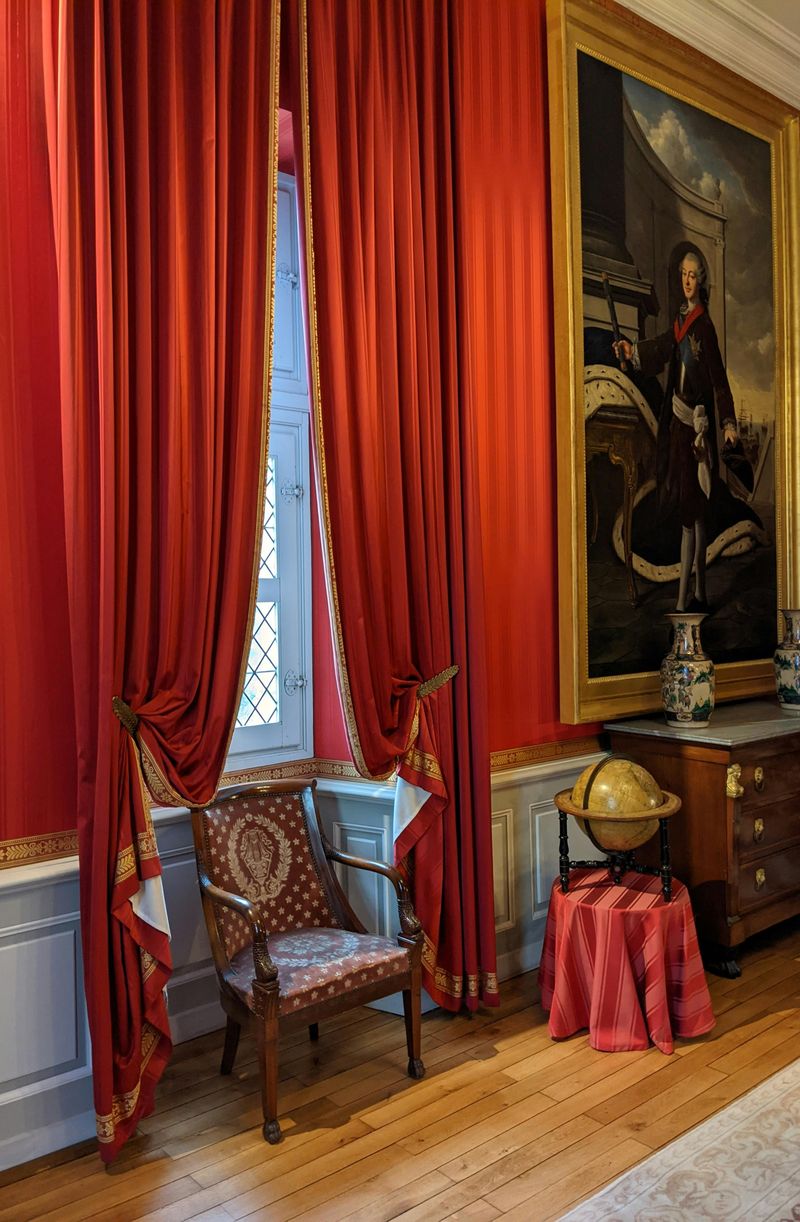
Custom draperies and blinds sound luxurious and perfectly tailored to your home.
For standard-sized windows, however, the custom route often means paying double or triple for results that look nearly identical to ready-made options.
Most homes have common window dimensions that major retailers stock extensively.
Off-the-shelf curtains, blinds, and shades now come in numerous styles, fabrics, and hardware finishes that rival custom workrooms.
The installation process is equally straightforward, and you can take them with you if you move.
Reserve custom window treatments for truly unusual window shapes or sizes where standard options won’t work.
For typical windows, measure carefully and explore the vast selection at home stores and online retailers.
You’ll achieve the same polished look while keeping hundreds of dollars in your pocket for other home improvements that matter more.
8. Decorative Trays and Bowls

Decorative trays and bowls appear in nearly every styled home photo, artfully holding keys, candles, or simply sitting empty as sculptural objects.
These accessories can cost anywhere from twenty to over a hundred dollars, yet they rarely earn their keep.
Most decorative trays become clutter magnets, collecting random items that defeat their aesthetic purpose.
Bowls sit empty because filling them feels too precious, making them essentially expensive dust collectors.
The functional value rarely matches the price tag, especially for designer versions made from marble, brass, or exotic woods.
If you need organizing solutions, purchase practical options that truly help manage your belongings.
Beautiful everyday items like wooden cutting boards or vintage plates can serve decorative purposes while remaining useful.
Your money goes further on multipurpose pieces rather than single-function décor items that contribute little to daily life.
9. Novelty Lighting Fixtures
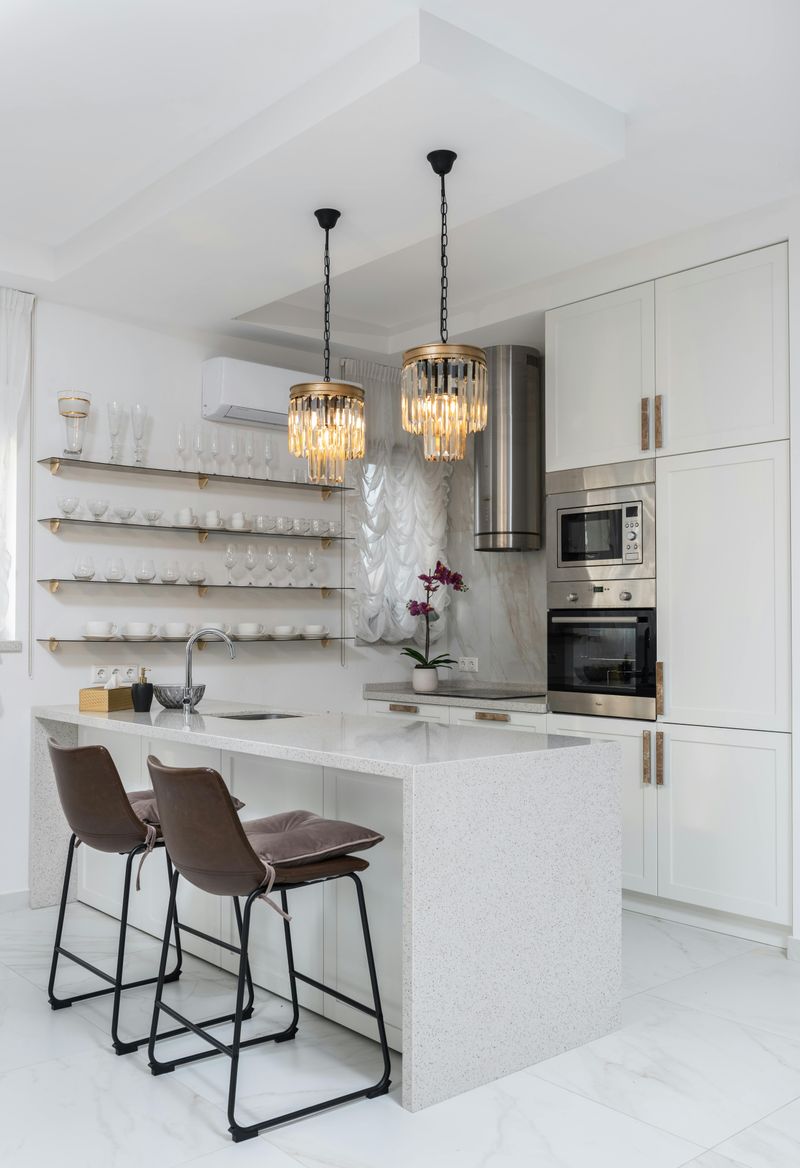
Unique lighting fixtures with unusual shapes, unexpected materials, or artistic designs make bold statements in home décor magazines.
These conversation-piece lamps and chandeliers command premium prices for their distinctive looks.
The problem with novelty lighting is that it sacrifices practicality for visual impact.
Quirky designs may provide inadequate light for their space, use hard-to-replace bulbs, or clash with future décor changes.
What seems charming initially can become an expensive mistake when you redecorate or realize the lighting doesn’t actually work well.
Invest in classic, well-designed lighting that provides proper illumination and works across different styles.
Quality fixtures in timeless shapes will serve your home for decades without looking dated.
Save your experimental budget for smaller accent pieces you can easily replace when your taste evolves or trends shift direction.
10. Seasonal Décor Collections
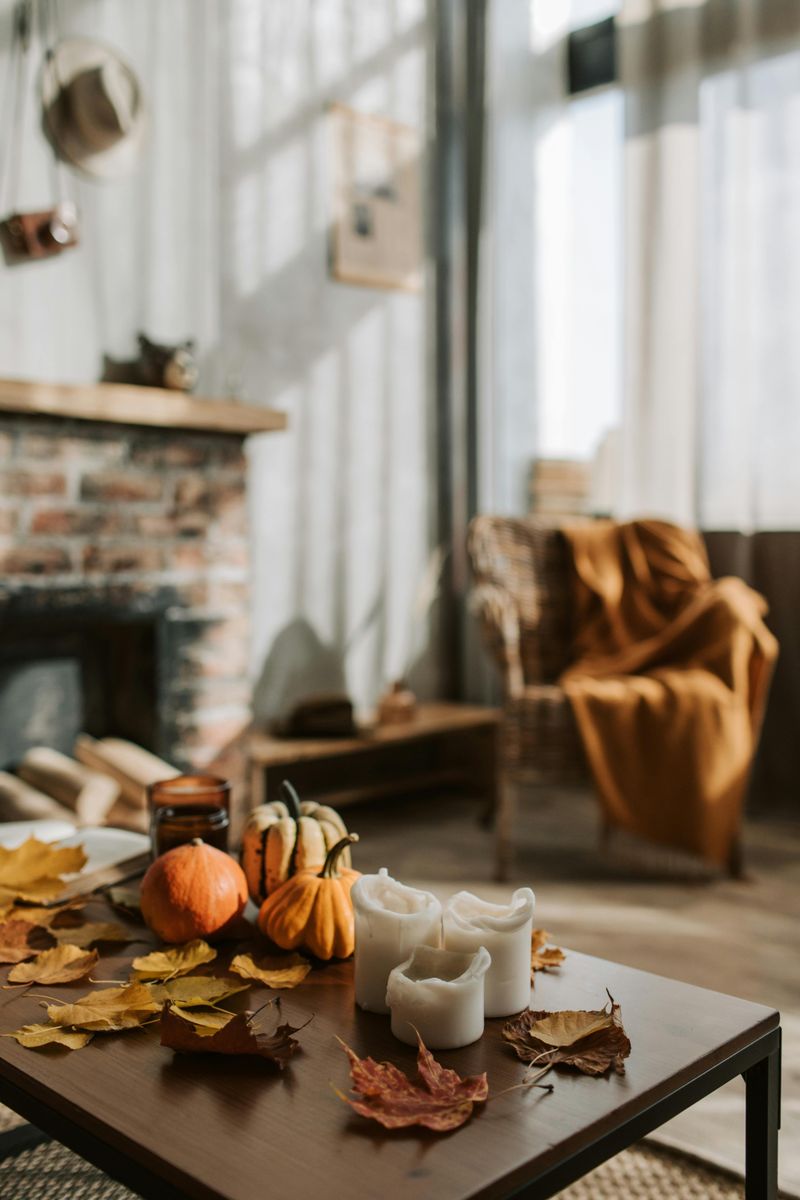
Retailers release elaborate seasonal décor collections for every holiday and season, tempting shoppers with coordinated pillows, signs, wreaths, and table settings.
Building a complete collection for each season can easily cost several hundred dollars annually.
These items sit in storage for most of the year, occupying valuable space and providing enjoyment for only a few weeks.
When you calculate the cost per day of use, seasonal décor becomes one of the most expensive home investments relative to its actual presence in your life.
Choose a few versatile, high-quality seasonal pieces you genuinely love rather than buying entire collections.
A beautiful wreath or simple centerpiece can mark the season without requiring dedicated storage space.
Better yet, use natural elements like branches, pinecones, or seasonal flowers that cost little and can be composted afterward, leaving no storage burden behind.