 MomSkoop

Dishonest people can drain your energy and make life harder than it needs to be. Whether it’s a coworker who bends the truth or a friend who never keeps their word, dealing with deception is exhausting.
Setting clear boundaries helps protect your peace of mind and keeps you from getting tangled up in their games. Here are nine powerful boundaries that can shield you from the stress dishonest people bring into your life.
1. Trust Your Gut When Something Feels Off

Your instincts exist for a reason, and they often pick up on lies before your brain catches up.
When someone’s story doesn’t add up or their behavior seems strange, pay attention to that uncomfortable feeling in your stomach.
Dishonest people are skilled at making you doubt yourself, so they might try to convince you that you’re being paranoid or too sensitive.
Don’t let anyone talk you out of what your gut is telling you.
Instead of ignoring those warning signals, use them as a guide to stay cautious.
Trusting yourself is the first step in protecting yourself from people who aren’t truthful.
2. Keep Your Personal Information Private
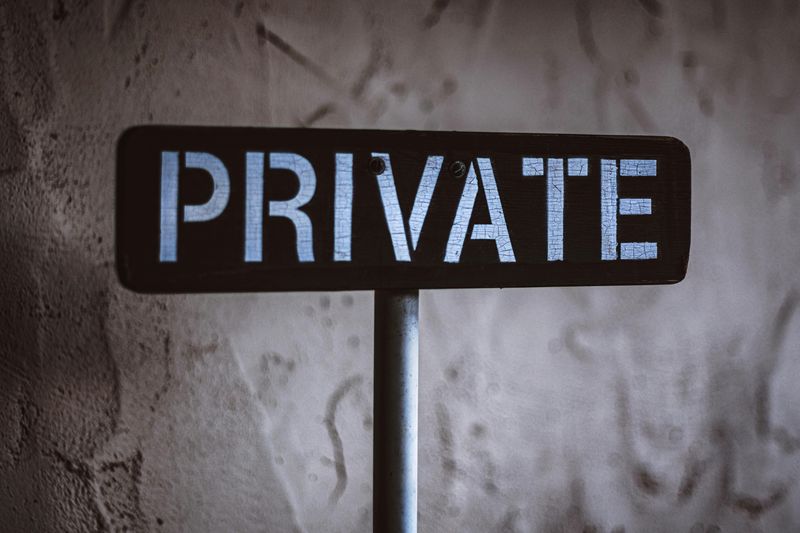
Sharing too much with someone who isn’t honest can come back to bite you later.
Dishonest people often use personal details against you or twist your words to fit their agenda.
Maybe they’ll gossip about your struggles or use what you told them to manipulate a situation.
By keeping your private life to yourself, you take away their power to hurt you.
You don’t owe everyone your full story, especially if they haven’t proven they can be trusted.
Share only what’s necessary and save the deeper conversations for people who have earned your confidence over time.
3. Document Everything Important in Writing

Did you know that written records can save you from endless headaches when dealing with liars?
When you put agreements, conversations, or promises in writing, you create a clear trail that can’t be denied or twisted.
Dishonest people love to change their stories or pretend they never said something.
Having emails, texts, or notes means you can prove what actually happened.
This boundary isn’t about being paranoid—it’s about being smart and protecting yourself from confusion and blame.
Plus, when people know you’re keeping records, they’re often more careful about what they say.
4. Refuse to Participate in Their Drama

Dishonest folks thrive on chaos and often try to pull you into their messy situations.
They might ask you to cover for them, spread rumors, or take sides in conflicts they created.
When you refuse to play along, you send a clear message that you won’t be part of their games.
It can feel awkward to say no, but staying neutral keeps you out of trouble.
Remember, their problems are not your responsibility to solve or defend.
By stepping back from the drama, you protect your reputation and your sanity from unnecessary stress.
5. Set Clear Consequences for Broken Promises

When someone repeatedly lies or breaks their word, you need to decide what happens next.
Without consequences, dishonest people will keep doing the same thing because they know they can get away with it.
Maybe that means you stop lending them money, or you no longer count on them for important tasks.
Whatever you choose, make sure you follow through every single time.
Empty threats only teach people that your boundaries don’t really matter.
Standing firm shows that you respect yourself enough to demand honesty and reliability from those around you.
6. Limit the Time You Spend Together

You can’t always cut dishonest people out of your life completely, especially if they’re family or coworkers.
But you can control how much time and energy you give them.
Spending less time together means fewer opportunities for them to lie, manipulate, or cause you stress.
Keep conversations short and stick to surface-level topics when you do interact.
This boundary helps you maintain your peace without creating huge conflicts or awkward confrontations.
Think of it as protecting your emotional battery from people who constantly drain it with their dishonesty.
7. Call Out Lies Calmly and Directly

Sometimes the best response to dishonesty is simply naming it when it happens.
You don’t need to be aggressive or start a fight—just state the facts clearly and without emotion.
For example, you might say, “That’s different from what you told me yesterday,” and then wait for their response.
This approach shows you’re paying attention and won’t be easily fooled.
Many dishonest people back down when they realize you’re not going to ignore their contradictions.
Staying calm keeps you in control and prevents the situation from escalating into unnecessary arguments.
8. Don’t Try to Fix or Change Them

It’s tempting to believe you can help a dishonest person see the error of their ways and become truthful.
Unfortunately, people only change when they want to, not because you’ve given them a heartfelt speech.
Trying to fix someone who doesn’t want to be fixed will only leave you frustrated and disappointed.
Your job isn’t to be their therapist or life coach.
Instead, focus your energy on protecting yourself and building relationships with people who already value honesty.
Accepting that you can’t change them is actually freeing and lets you move forward.
9. Surround Yourself with Honest People

The best defense against dishonesty is building a circle of trustworthy friends and allies.
When you’re surrounded by people who value truth and integrity, you’ll have support when dealing with those who don’t.
Honest people can offer perspective, remind you that you’re not crazy, and help you stay strong in your boundaries.
They also set a positive example that reinforces why honesty matters so much.
Make it a priority to invest time in relationships that lift you up rather than drag you down.
Quality friendships built on trust will always be more valuable than toxic connections.