 MomSkoop
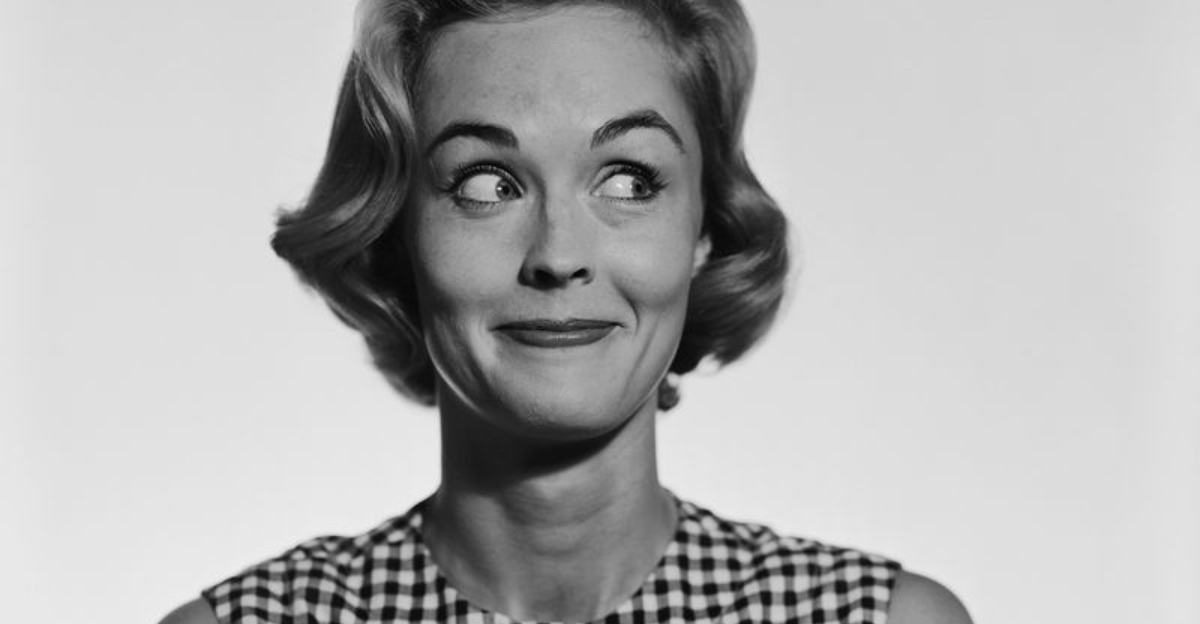
Beauty standards have transformed dramatically over the past century, reflecting shifts in culture, media, and social values. What people once considered attractive in the 1900s often looks completely different from today’s ideals.
From body shapes to facial hair, these changes reveal how society’s views on appearance evolve with each generation.
1. Body Shape Ideals
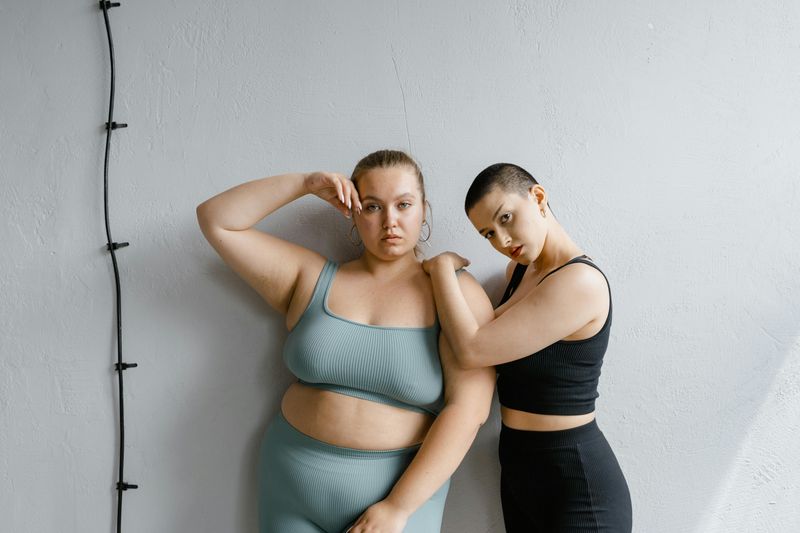
Fuller, curvier figures reigned supreme in the early 1900s, symbolizing prosperity and good health during an era when food scarcity was common.
Women with rounded hips and soft curves were considered the pinnacle of beauty.
Corsets enhanced these shapes, creating dramatic silhouettes that emphasized femininity.
Fast forward to today, and body ideals have taken wild swings through slim, athletic, and now increasingly diverse representations.
The 1960s brought ultra-thin models like Twiggy, while the 1990s glorified heroin chic.
Currently, social media celebrates all body types, from muscular builds to natural curves, though pressure to conform still exists.
This evolution shows how economic conditions, fashion trends, and cultural movements shape what society deems attractive, proving beauty standards are never permanent.
2. Skin Tone Preferences
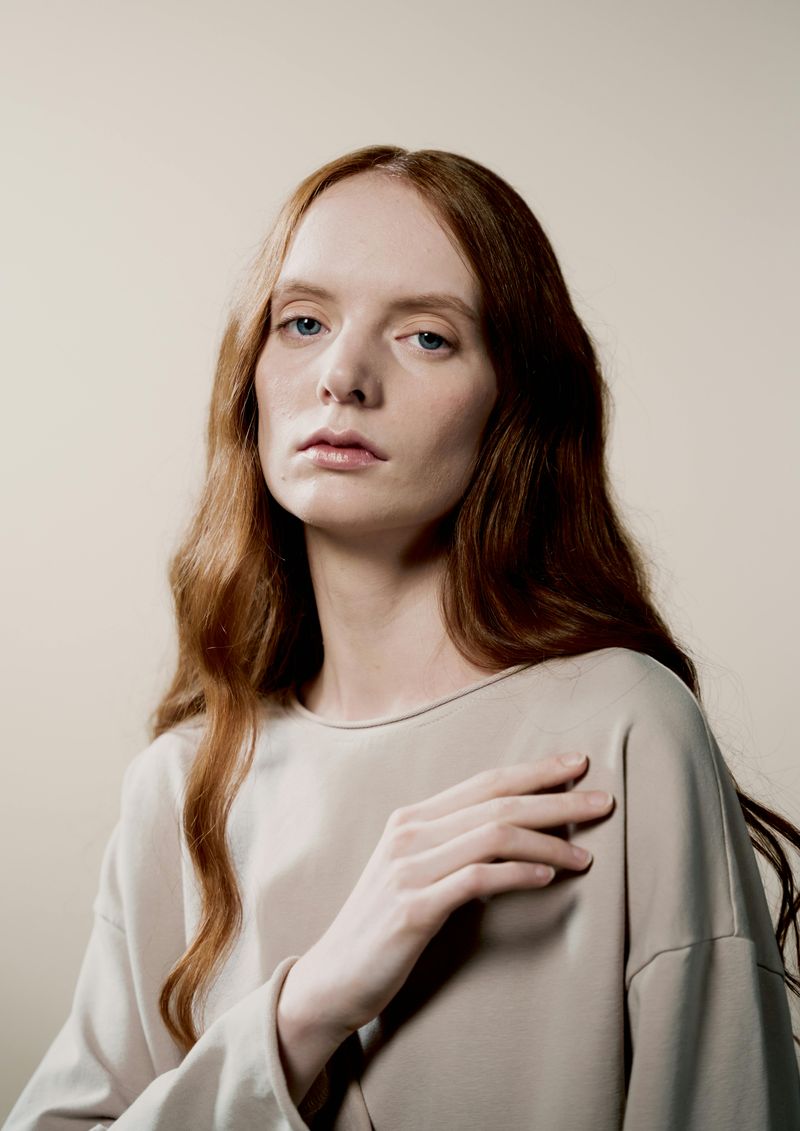
Porcelain pale skin once marked you as wealthy and refined in the early twentieth century.
Upper-class women avoided the sun at all costs, using parasols and wide-brimmed hats to maintain their ghostly complexions.
Tanned skin meant you worked outdoors, laboring in fields under the harsh sun.
The 1920s flipped this script when Coco Chanel accidentally got sunburned on a Mediterranean vacation, sparking a tanning craze.
Suddenly, bronzed skin signaled leisure time and exotic travel.
Today’s beauty landscape celebrates natural diversity, with people embracing their authentic skin tones.
However, colorism still persists in many cultures, creating complex conversations about preference versus prejudice.
Modern movements increasingly challenge narrow definitions, promoting the idea that all skin tones carry inherent beauty without needing alteration or justification.
3. Gender Expression
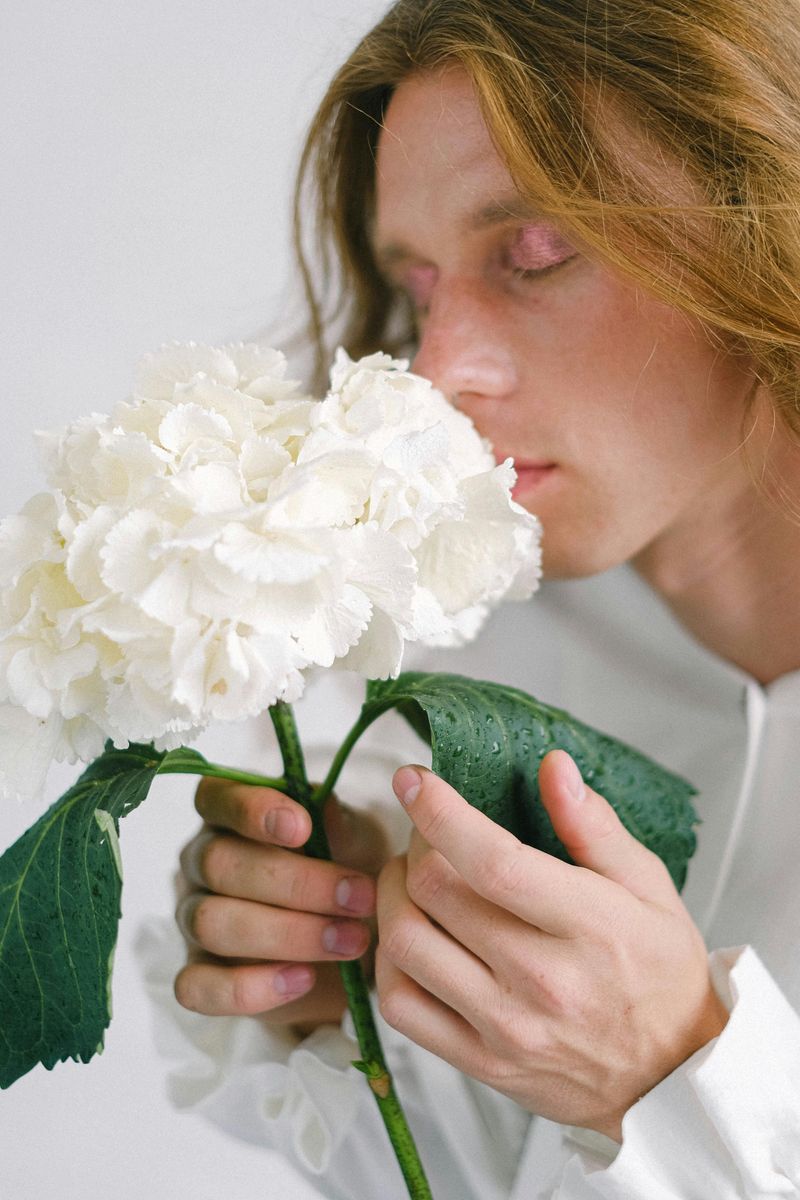
Rigid gender lines defined attractiveness throughout most of the twentieth century.
Men were expected to appear masculine and strong, while women needed to embody delicate femininity.
Stepping outside these boundaries invited social ridicule and professional consequences.
The 1960s and 70s began challenging these norms with androgynous rock stars like David Bowie and Grace Jones.
They proved that blending masculine and feminine elements could be magnetic and artistic.
Today, gender-fluid fashion and beauty expression have entered mainstream culture.
Models and celebrities now openly embrace androgyny, wearing whatever makes them feel authentic.
Makeup brands market to all genders, and fashion runways showcase non-binary aesthetics.
This shift represents a fundamental rethinking of how attractiveness relates to gender, allowing people greater freedom to define their own beauty without conforming to outdated binary expectations.
4. Facial Hair on Men
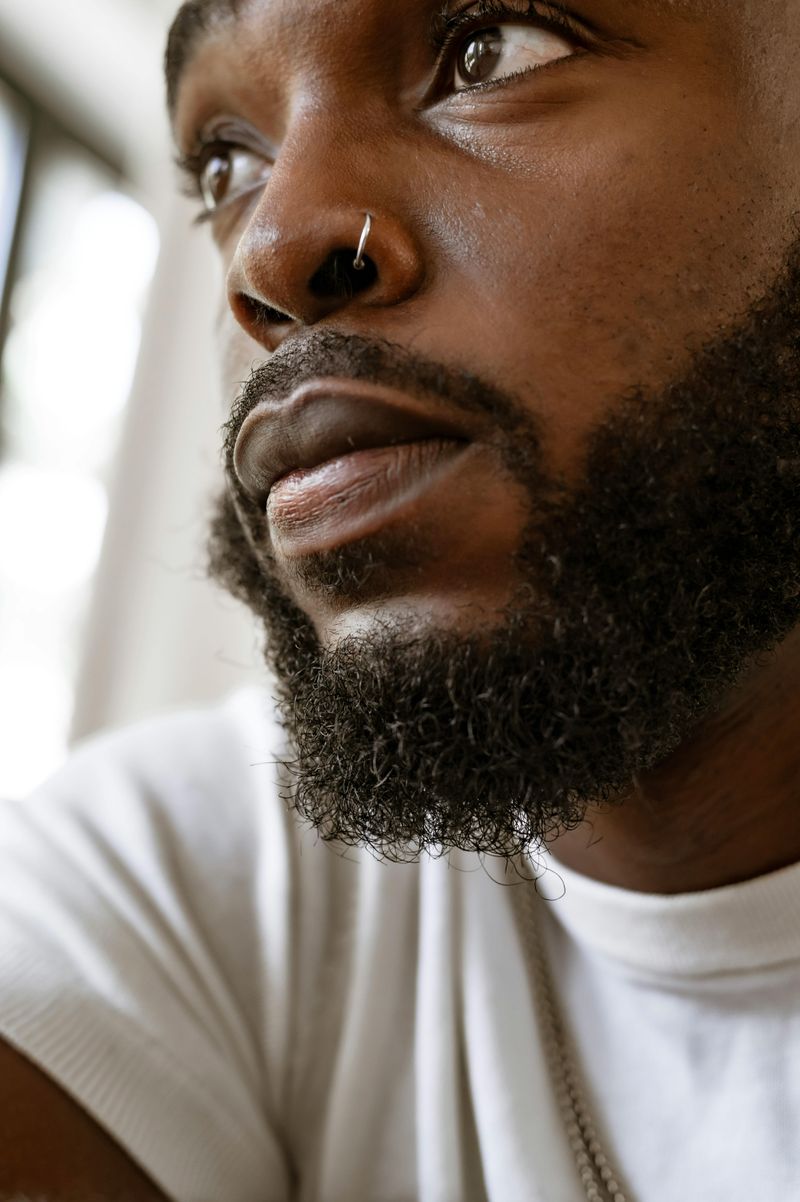
Clean-shaven faces dominated male beauty standards for much of the 1900s, especially after World War I when soldiers needed smooth skin for gas masks.
Hollywood leading men like Cary Grant and James Dean reinforced this preference.
Beards became associated with counterculture movements or older, scholarly types.
The pendulum swings back and forth with surprising regularity.
The 1970s saw mustaches everywhere, from Tom Selleck to everyday dads.
The 2000s brought back the clean look until around 2010, when hipster culture sparked a massive beard renaissance.
Now, men sport everything from full lumberjack beards to carefully sculpted stubble to completely smooth faces.
Grooming products for facial hair have exploded into a multi-million dollar industry, proving that masculine attractiveness no longer follows one rigid template.
5. Makeup Norms
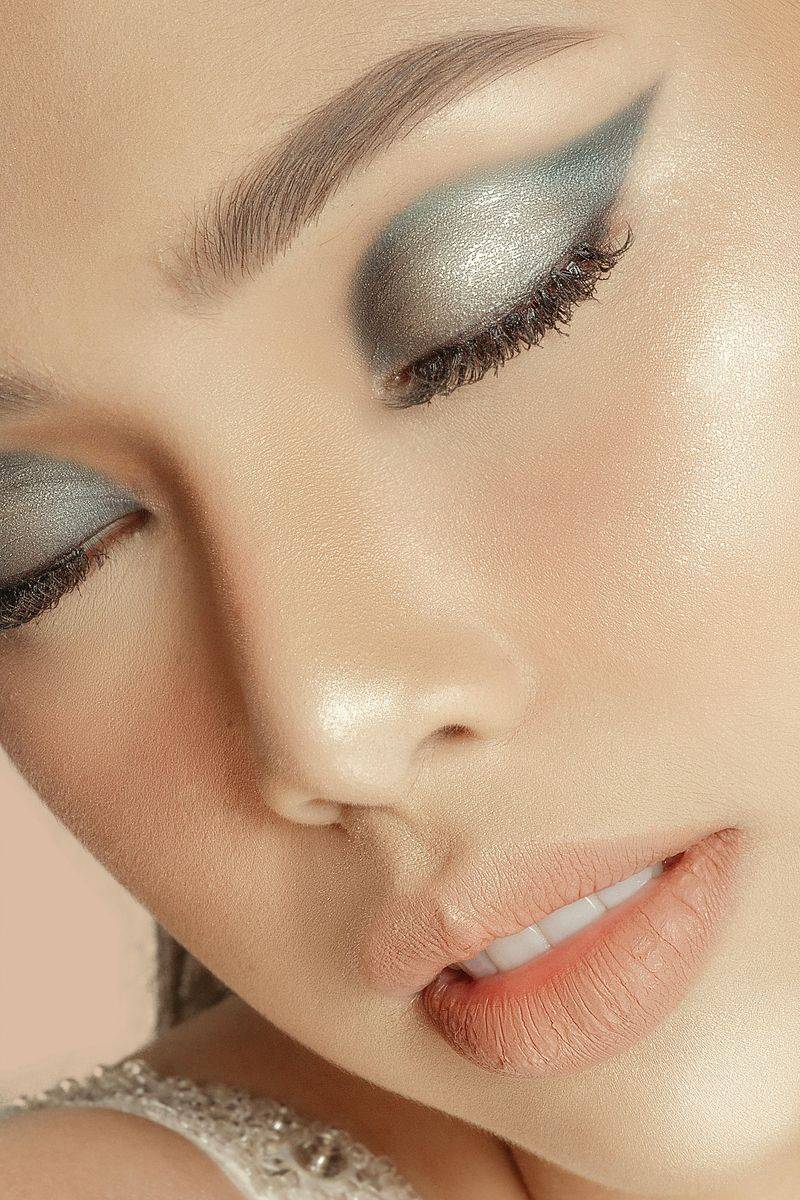
Respectable women in the early 1900s wore little to no visible makeup, as bold cosmetics suggested loose morals or theatrical professions.
Natural beauty was prized, though women secretly pinched their cheeks and bit their lips for color.
Only actresses and women of questionable reputation wore obvious rouge and lipstick.
The roaring twenties shattered these restrictions when flappers brazenly applied dark lipstick and dramatic eye makeup in public.
Hollywood’s golden age normalized cosmetics, and by the 1950s, a full face became standard for proper women.
Each decade brought new trends, from mod eyes to disco glitter.
Today’s makeup culture explodes with creativity and inclusivity.
Men wear makeup openly, tutorials dominate social media, and artistic expression trumps old rules about propriety.
Gender boundaries have dissolved, making cosmetics a universal tool for self-expression.
6. Body Hair Expectations
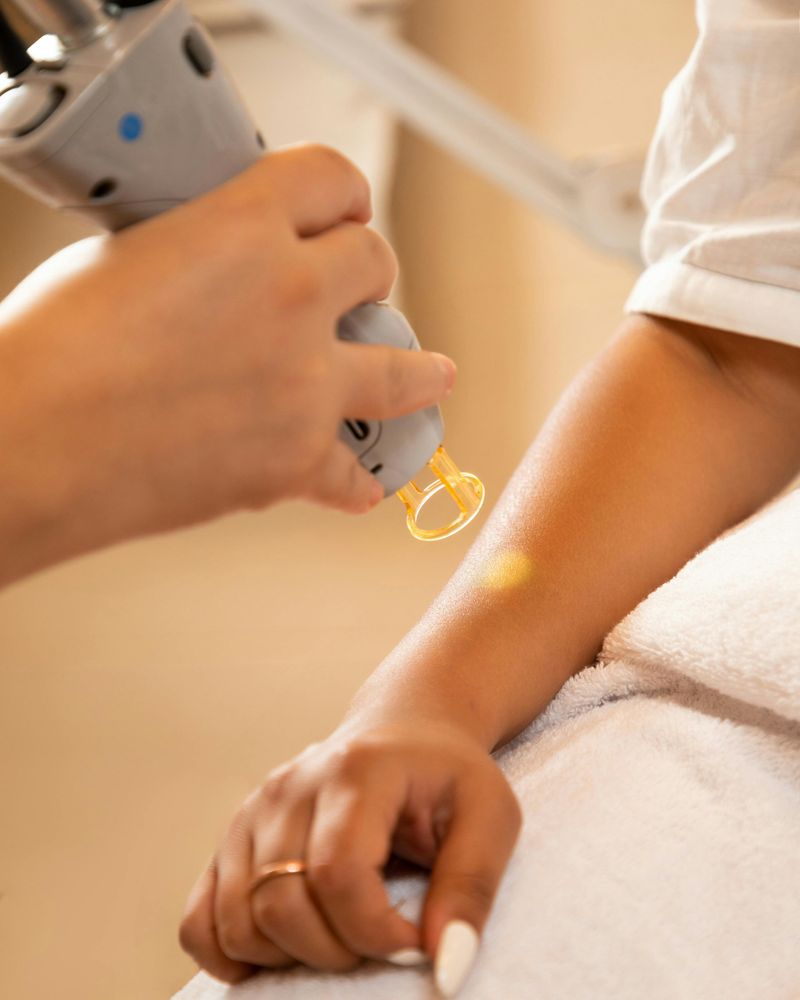
Women’s body hair removal became standard practice mid-century, driven by marketing campaigns and shorter hemlines that exposed more skin.
Razor companies convinced women that underarm and leg hair was unfeminine and embarrassing.
By the 1950s, smooth skin was considered essential for attractiveness.
Men faced different pressures, expected to maintain chest hair as a sign of virility while keeping everything else natural.
These gendered expectations persisted relatively unchanged until recently.
The 2010s brought new conversations about choice versus obligation.
Modern standards increasingly accept natural body hair for all genders as valid and attractive.
Some women proudly grow their underarm hair, while some men prefer complete removal.
Social media movements celebrate body autonomy, pushing back against corporate-manufactured standards.
This shift emphasizes personal preference over conformity, though pressure to remove hair still dominates mainstream media.
7. Aging and Beauty
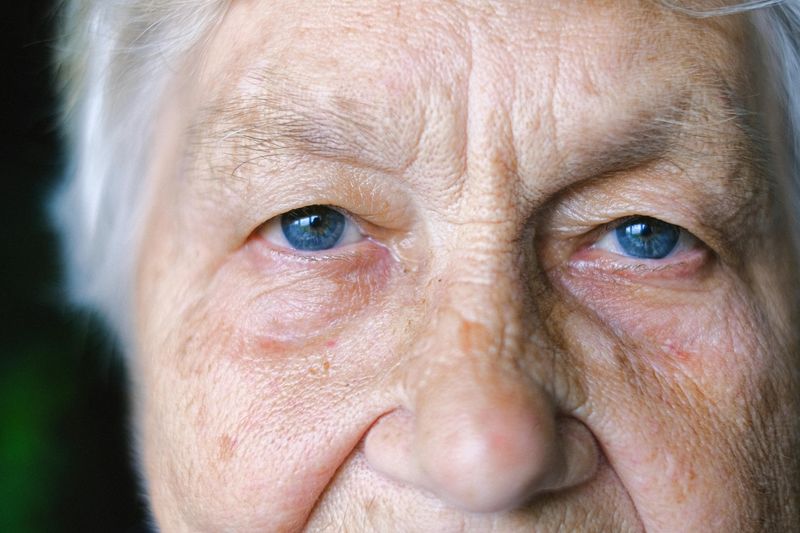
Youth has always held cultural currency, but past generations expected people to dress and behave according to their age.
Older women wore conservative clothing and hairstyles that signaled maturity.
Attempting to look younger was considered desperate or inappropriate.
The late twentieth century intensified youth worship, with anti-aging products promising to erase every wrinkle and gray hair.
Celebrities disappeared from public view rather than show signs of aging.
This created unrealistic expectations and shame around natural biological processes.
Recent years have brought refreshing changes, with some celebrities embracing gray hair and visible lines.
Terms like aging gracefully and silver fox celebrate maturity.
However, the beauty industry still profits enormously from anti-aging anxiety.
The conversation remains complicated, balancing self-care with acceptance, though visible aging gains more appreciation than previous decades allowed.
8. Health vs. Thinness
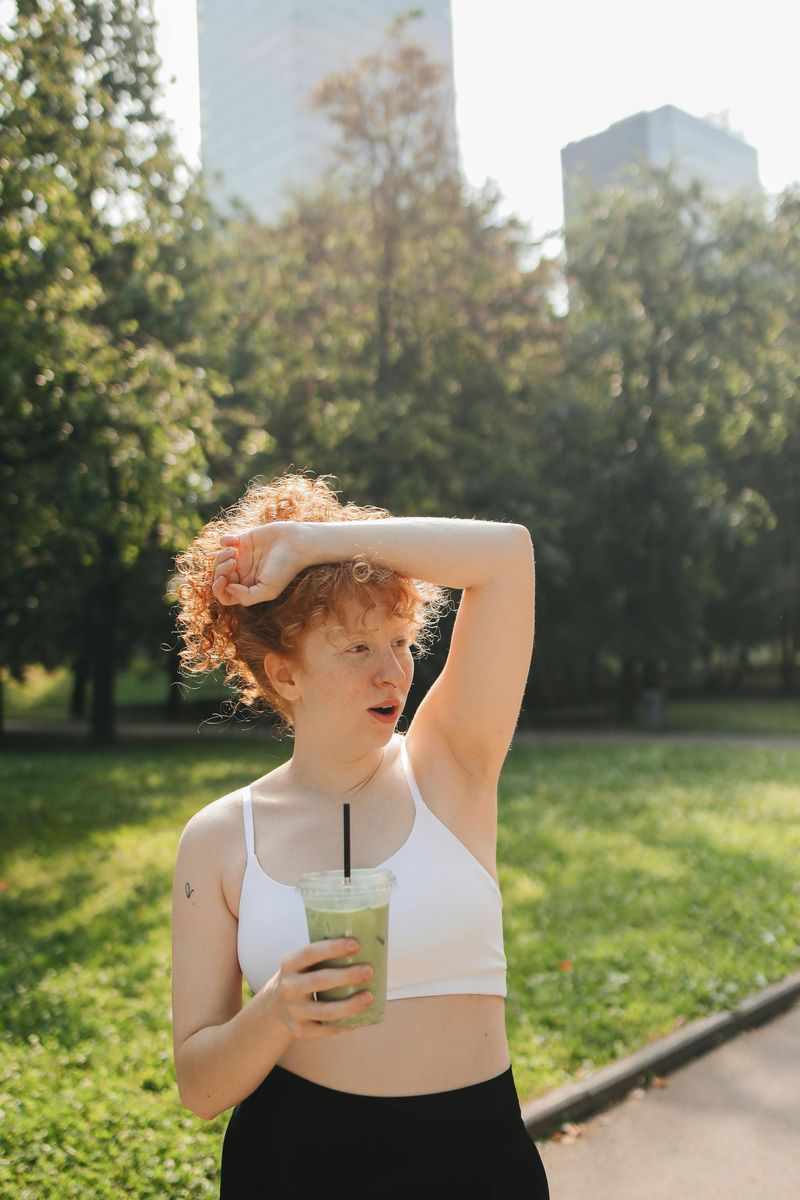
Earlier eras equated attractiveness with visible signs of health like rosy cheeks, bright eyes, and robust energy.
Being underweight suggested illness or poverty, making it deeply undesirable.
Plumpness indicated access to good nutrition and comfortable living conditions.
The late twentieth century twisted this relationship, prioritizing extreme thinness regardless of health consequences.
Fashion models grew dangerously thin, and eating disorders skyrocketed.
Magazine covers glorified protruding bones and thigh gaps as ultimate beauty goals.
Current trends emphasize fitness, strength, and overall wellness rather than just weight.
Athletic bodies with visible muscle definition have gained popularity.
Wellness culture focuses on nutrition, mental health, and functional fitness.
However, diet culture still lurks beneath wellness language, and the pressure to achieve certain body types remains intense despite healthier messaging.
9. Fashion and Fit
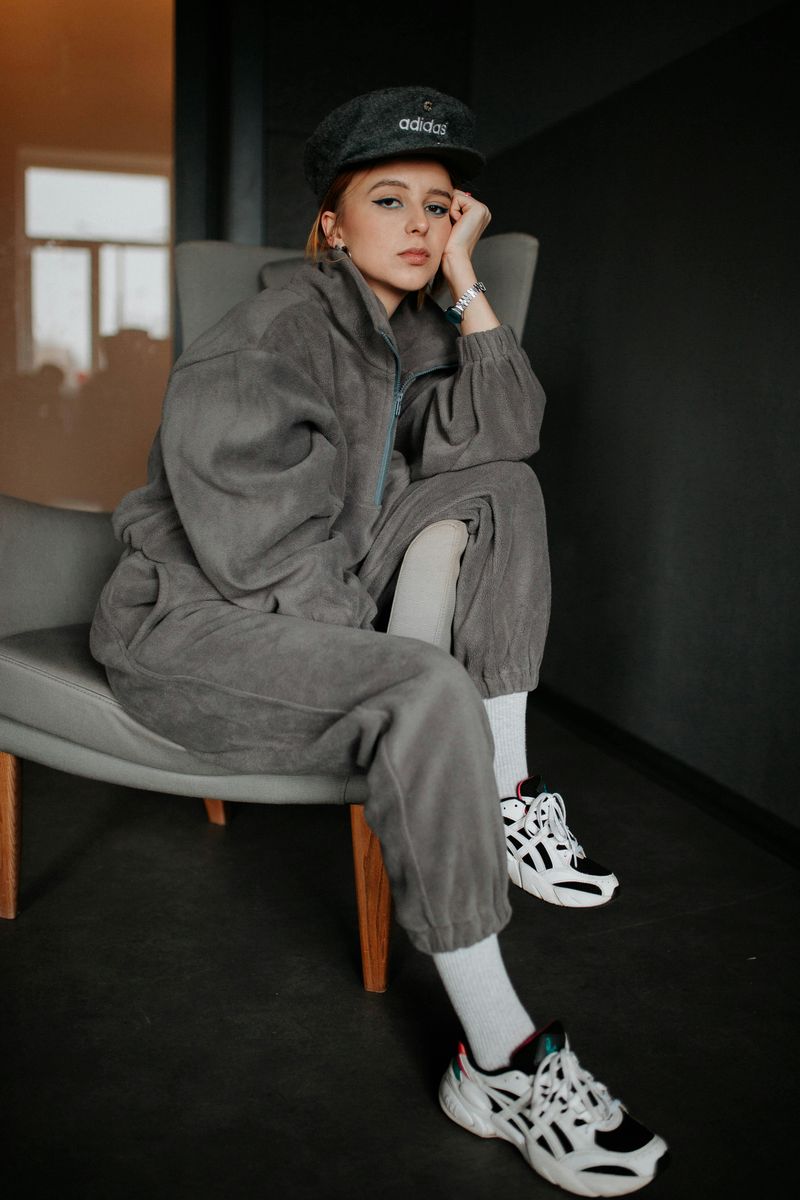
Tailored, restrictive clothing once defined proper appearance and attractiveness throughout the early 1900s.
Women wore corsets that physically reshaped their bodies, often causing health problems.
Men wore stiff collars and formal suits even for casual occasions.
Comfort took a backseat to conformity.
Each decade loosened these restrictions slightly, from flapper dresses to 1960s miniskirts to 1970s casual wear.
The real revolution came with athleisure and streetwear dominating 21st-century fashion.
Sneakers with dresses became acceptable, and comfortable clothing entered professional spaces.
Today’s attractiveness increasingly values personal style over rigid rules.
People mix vintage pieces with modern trends, creating unique looks that express individuality.
Comfort and self-expression now play leading roles in fashion choices, though formal situations still demand certain standards.
This evolution reflects broader cultural shifts toward authenticity.
10. Cosmetic Enhancement

Cosmetic procedures were rare, expensive, and deeply secretive throughout most of the twentieth century.
People who underwent surgery never admitted it, maintaining the fiction of natural beauty.
Only wealthy celebrities could afford such procedures, and the results often looked obviously artificial.
Technology improved dramatically, making procedures safer, more affordable, and more natural-looking.
Botox became a lunch-break appointment rather than major surgery.
Reality television normalized discussing enhancements openly, removing much of the stigma.
Today, cosmetic procedures are mainstream conversation topics, from fillers to rhinoplasty to body contouring.
Social media influencers openly share their enhancement journeys.
This transparency has both positive and negative effects, normalizing personal choices while potentially creating new pressure to surgically alter natural features.
The accessibility has democratized these options beyond just the wealthy elite.
11. Cultural Diversity
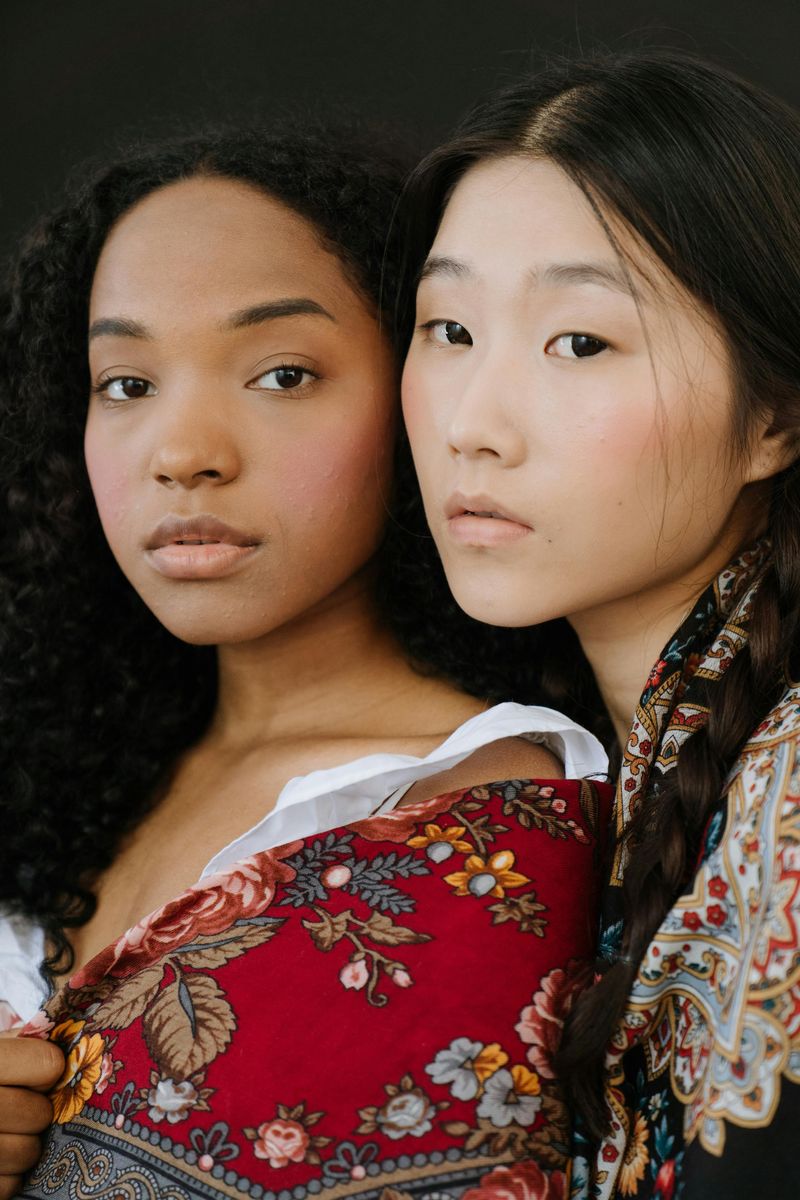
Western beauty standards once dominated global media, promoting narrow ideals based on European features.
Magazines, movies, and advertisements overwhelmingly featured white models and actors.
People worldwide felt pressure to conform to these standards through skin lightening, hair straightening, and surgical alterations.
The late twentieth century began challenging this hegemony, though progress came slowly.
Models of color remained tokens rather than norms.
Beauty products for diverse skin tones and hair textures were afterthoughts or nonexistent.
Global media now increasingly highlights diverse ethnic features and cultural aesthetics as equally beautiful.
K-beauty, Bollywood glamour, and African beauty standards gain international recognition.
Major brands expand shade ranges and feature models representing various ethnicities.
While Western standards still hold disproportionate influence, the conversation has fundamentally shifted toward celebrating humanity’s beautiful diversity rather than forcing everyone into one narrow mold.
12. Media Influence
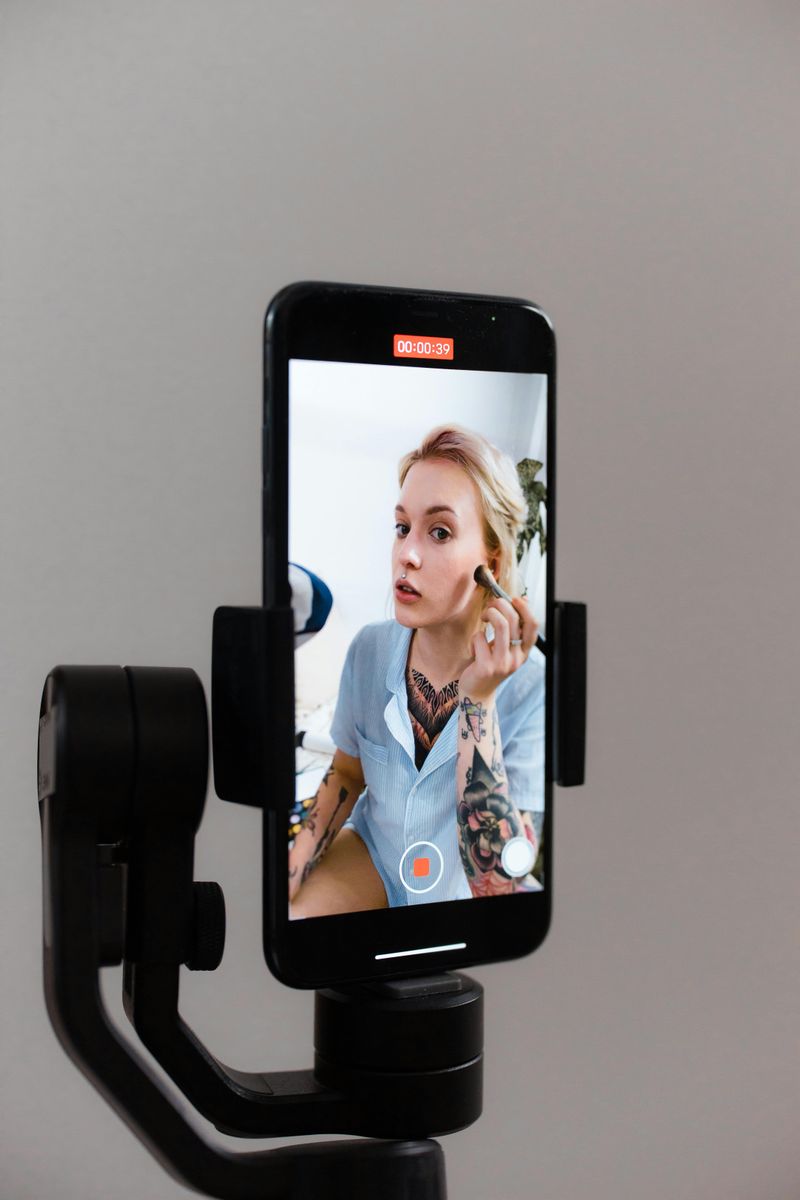
Film studios and print magazines once controlled beauty standards with iron fists throughout the twentieth century.
Studio executives decided which faces would become famous, and magazines featured only approved images.
This created relatively stable, though narrow, definitions of attractiveness that changed gradually over decades.
Television expanded this influence but maintained similar gatekeeping.
A handful of powerful media companies determined what audiences saw as beautiful.
People consumed these images passively, with limited ability to respond or create alternative narratives.
Social media revolutionized everything by democratizing influence.
Anyone can become a beauty influencer, and algorithm-driven trends change weekly rather than yearly.
This creates both opportunities for diverse representation and chaos from constantly shifting standards.
TikTok trends can make specific features or styles viral overnight, creating pressure to keep up with rapid changes that previous generations never experienced.
13. Individuality and Self-Expression
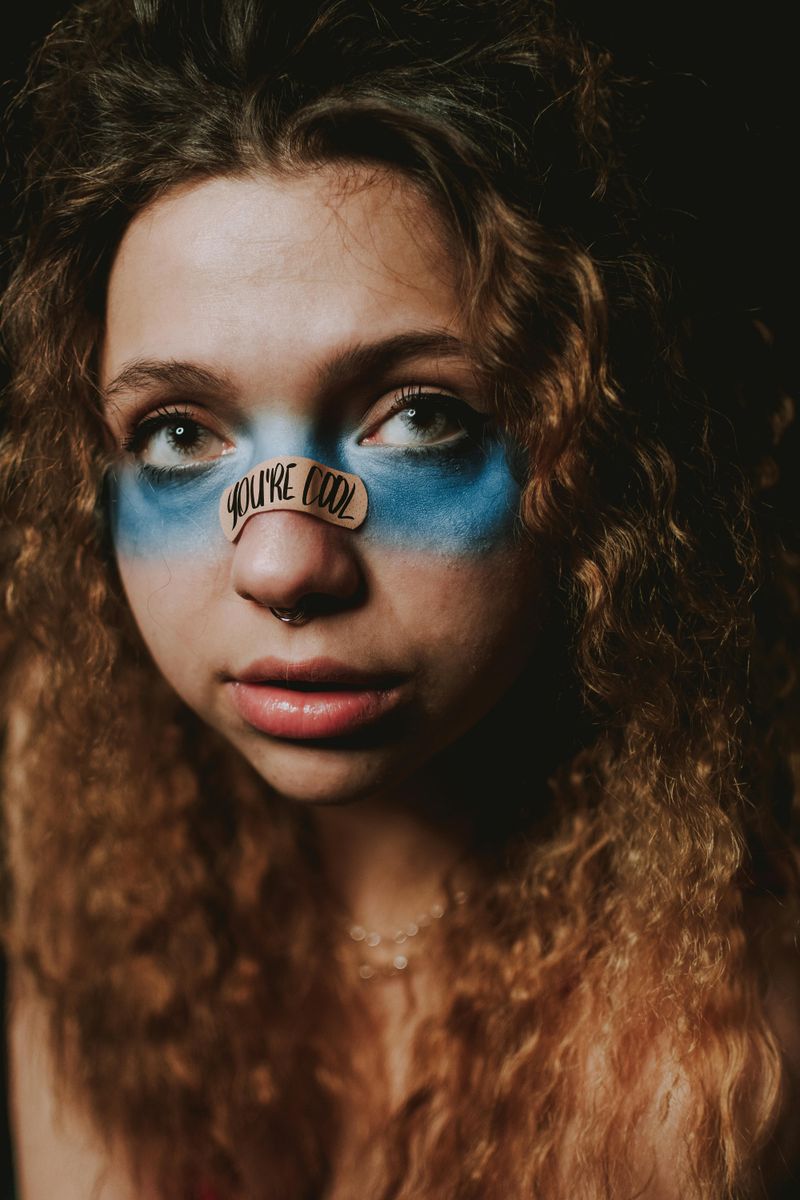
Conformity to a single beauty ideal was expected throughout most of the twentieth century.
People who deviated faced social consequences, from employment discrimination to romantic rejection.
Standing out was risky, so most people tried fitting established molds.
Counterculture movements began challenging this conformity, from 1960s hippies to 1970s punks to 1990s grunge.
These remained subcultures rather than mainstream acceptance.
Looking different still meant accepting outsider status in most social and professional contexts.
Contemporary attractiveness increasingly values authenticity and uniqueness as desirable qualities.
Personal branding encourages people to cultivate distinctive looks rather than copying others.
Quirky features once considered flaws are now celebrated as character.
This shift reflects broader cultural movements toward individualism, though pressure to conform to certain aesthetics still exists within specific communities.
The difference is having more communities with different standards rather than one universal ideal.