 MomSkoop
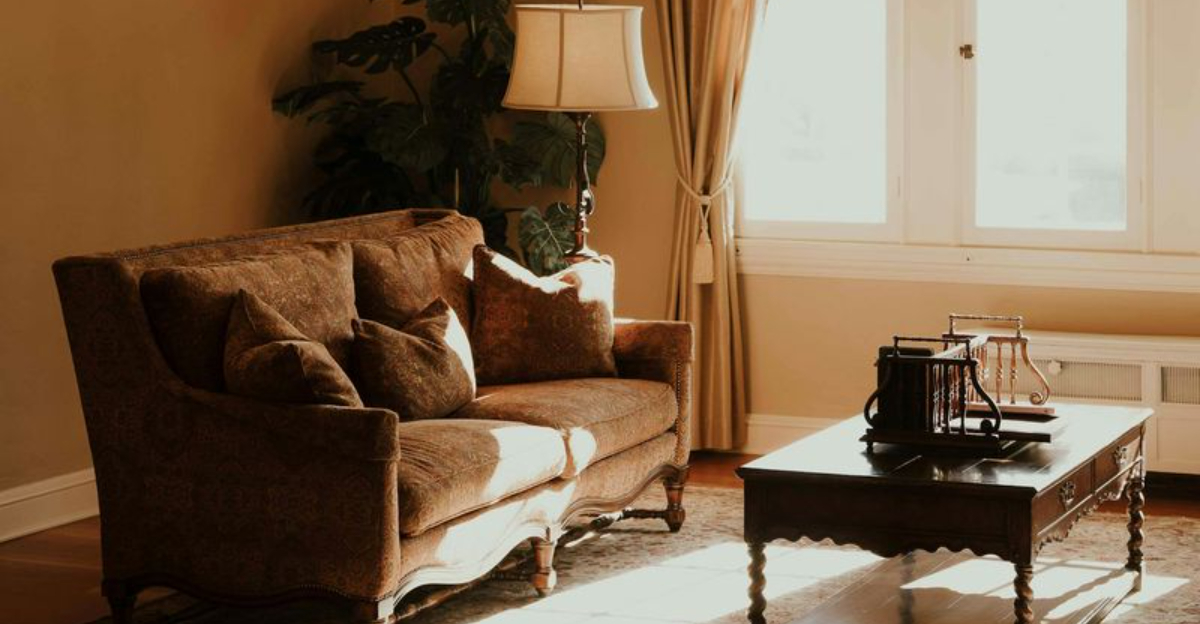
Walking into someone’s living room can tell you a lot about their background and values. Small details often reveal how a family managed money, cared for belongings, and prioritized function over fashion.
For those who grew up with limited resources, the living room wasn’t just a showcase—it was a hardworking space where every item earned its place.
1. Furniture That Doesn’t Match
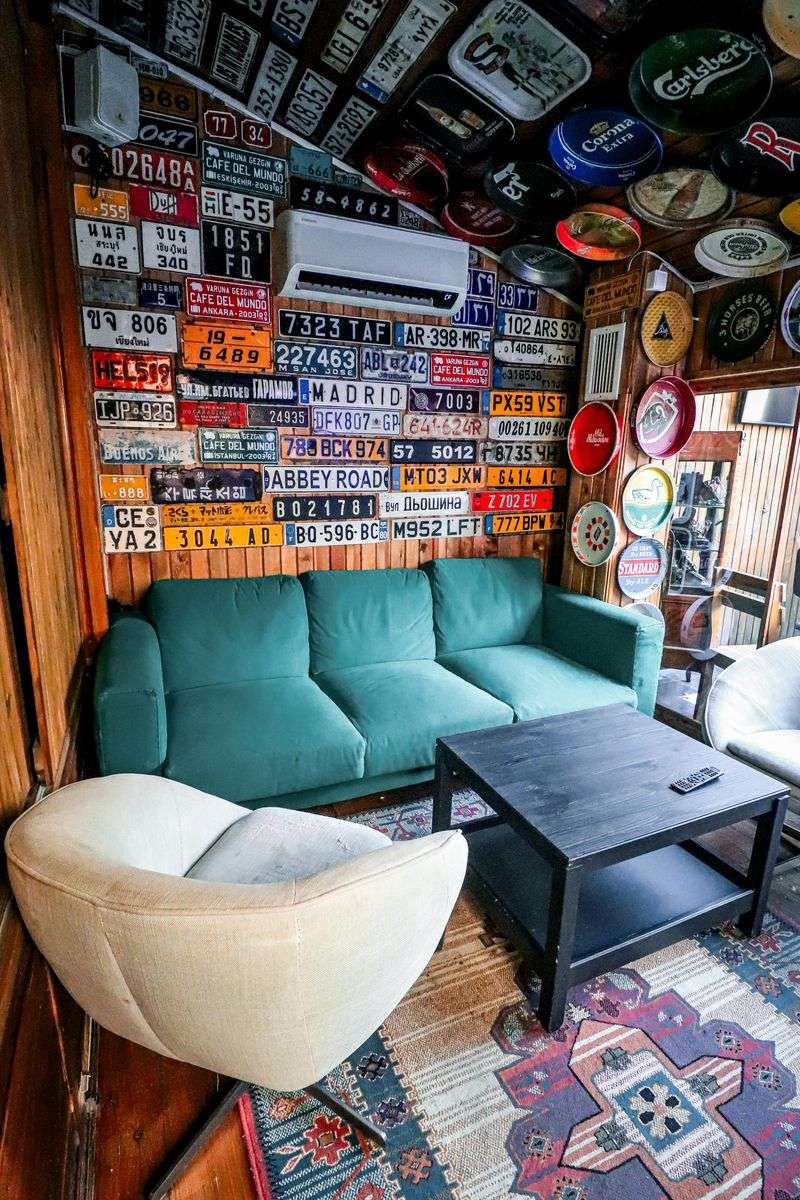
Ever notice how some living rooms look like a furniture showroom, while others feel more like a family album?
When you grow up without much money, you collect pieces over time rather than buying everything at once.
A couch from Aunt Linda, a coffee table from a yard sale, and dining chairs inherited from Grandma create a charming mismatched look.
This eclectic style wasn’t planned—it evolved naturally as families accepted hand-me-downs and snagged affordable finds wherever they could.
Each piece carries its own story and memory.
What might seem random to visitors actually represents years of resourcefulness and gratitude.
Today, designers call this “curated” or “collected,” but for many families, it was simply practical living.
2. Slipcovers or Furniture Protectors
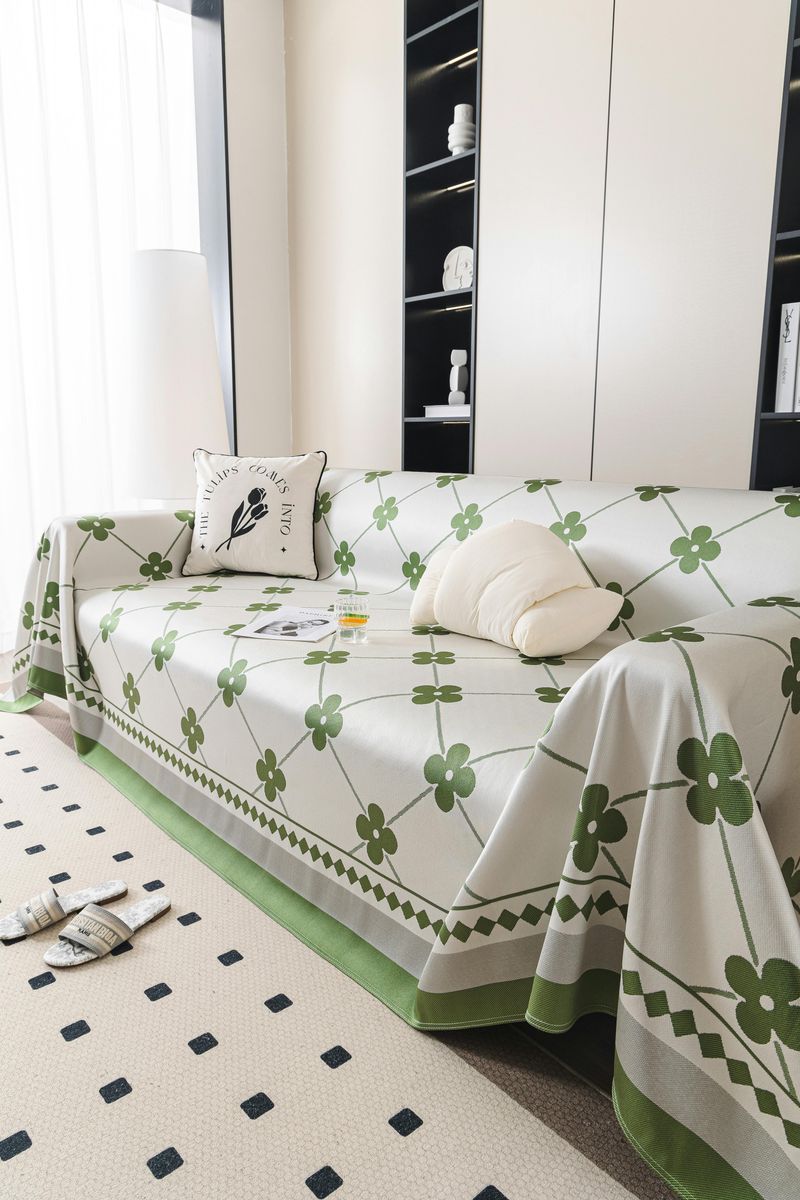
Plastic runners on armrests, quilted covers draped over cushions, or full slipcovers transforming an old sofa—these aren’t fashion statements.
They’re armor against everyday life.
Families who saved for months to buy a couch weren’t about to let spills, pet hair, or rough play ruin their investment quickly.
Slipcovers extended furniture lifespan by years, sometimes decades.
They could be washed when dirty and replaced when worn, all while protecting the original upholstery underneath.
This “take care of what you have” mentality shaped entire childhoods.
You learned early that furniture wasn’t disposable, and preservation mattered more than pristine appearances.
That mindset often carries into adulthood, influencing how people treat possessions today.
3. Decor with Sentimental Value
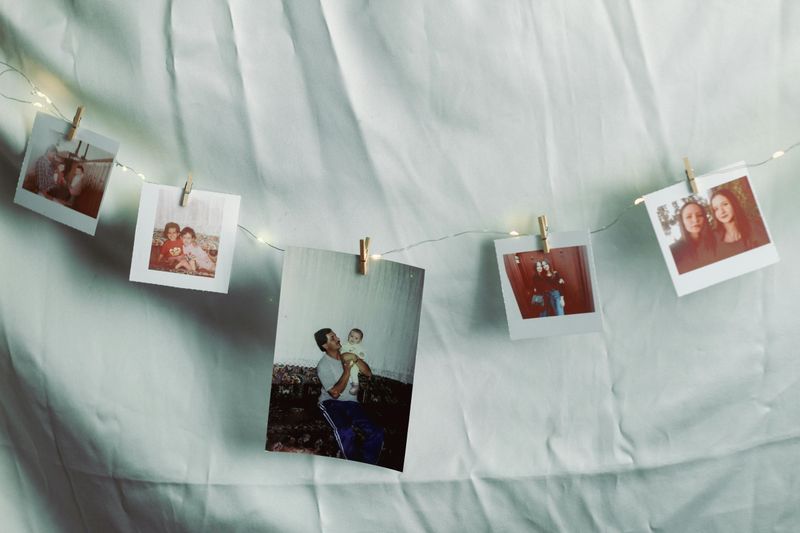
Forget trendy gallery walls and designer accents.
In homes shaped by modest means, walls display what matters most—family.
Framed school photos line shelves, vacation souvenirs occupy prime real estate, and handmade crafts from kids get showcased proudly.
These items weren’t chosen for their aesthetic appeal or color coordination.
They earned their spots through emotional significance.
A ceramic ashtray made in summer camp, a faded postcard from a relative’s only trip abroad, or children’s artwork from years past all tell family stories.
Interior designers might call this cluttered, but these families call it home.
When budgets are tight, decorating becomes about celebrating memories rather than following trends.
Every object represents a person, moment, or achievement worth remembering.
4. Multi-Purpose Furniture
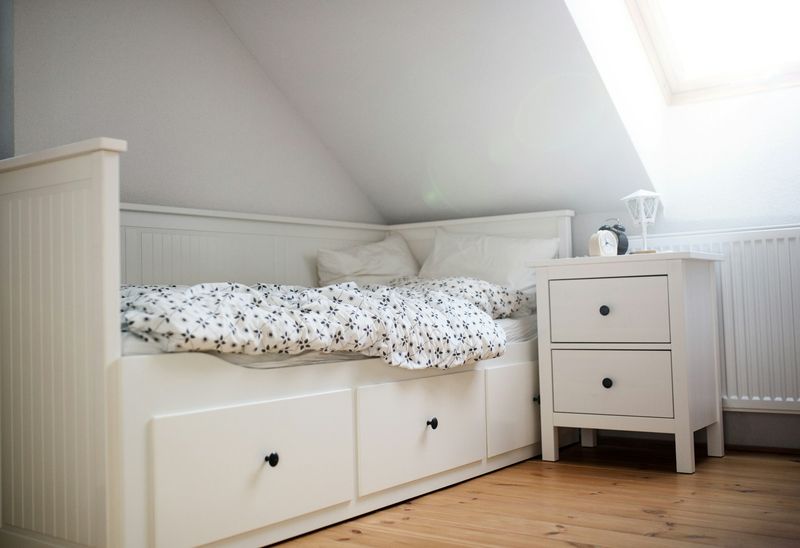
Why own a coffee table when you could own a coffee table that also stores blankets, board games, and remote controls?
Families stretching every dollar quickly learned that furniture needed to work overtime.
Sofa beds transformed living rooms into guest rooms instantly.
Ottomans opened to reveal hidden storage compartments.
This wasn’t about being clever or trendy—it was pure necessity.
Smaller homes and tighter budgets demanded that every piece justify its existence through multiple functions.
Kids from these homes remember coffee tables doubling as homework stations and footrests serving as extra seating during holiday gatherings.
They learned early that smart choices matter more than expensive ones, and creativity can stretch limited space surprisingly far.
That lesson sticks.
5. Older Electronics That Still Work
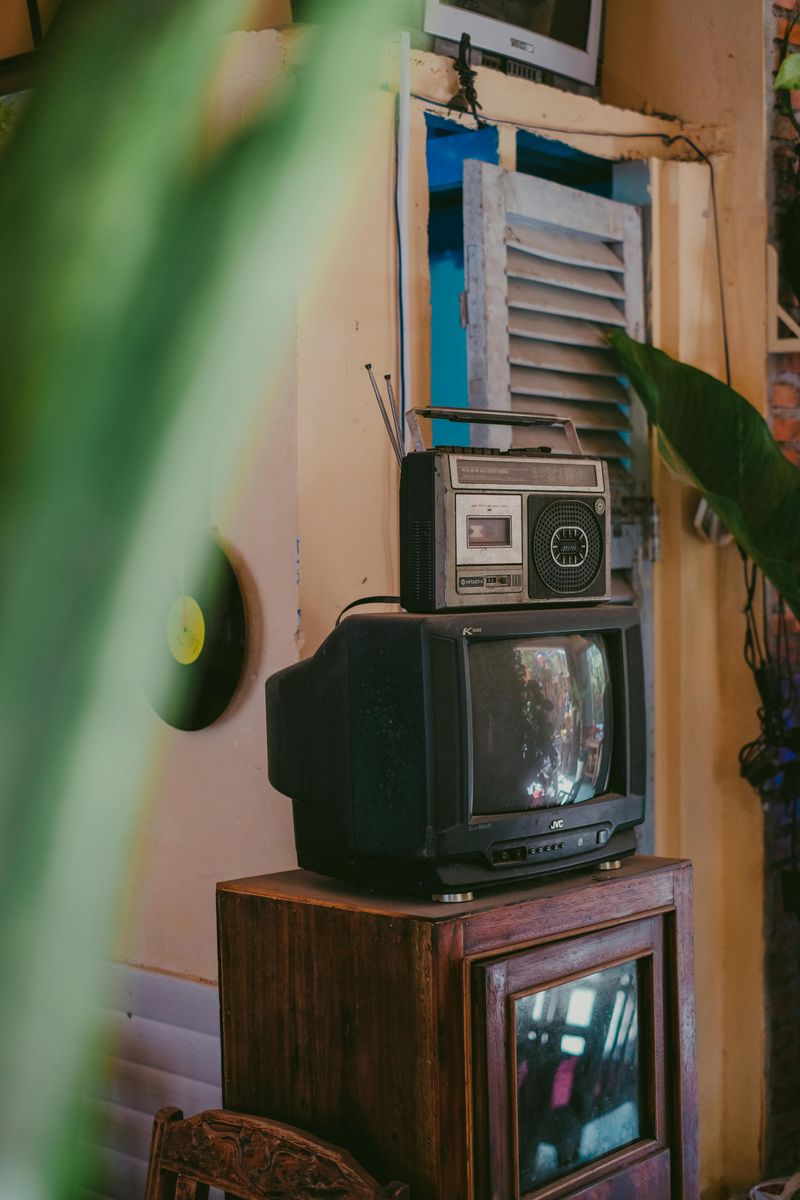
That bulky television from 2005 might not be a sleek flat-screen, but it displays pictures just fine.
The DVD player still plays movies.
The stereo system from the 90s produces perfectly good sound.
Why replace something that works?
Growing up with limited resources teaches you that functioning beats fashionable every time.
Upgrading electronics just to keep up with neighbors or trends feels wasteful when current devices still serve their purpose.
Sure, newer models offer better features, but “better” doesn’t always mean “necessary.”
This philosophy extends beyond electronics into a broader life approach.
If it’s not broken, don’t fix it—and definitely don’t replace it.
Visitors might notice the outdated tech, but families using it notice the money saved.
6. Visible Wear and Repair
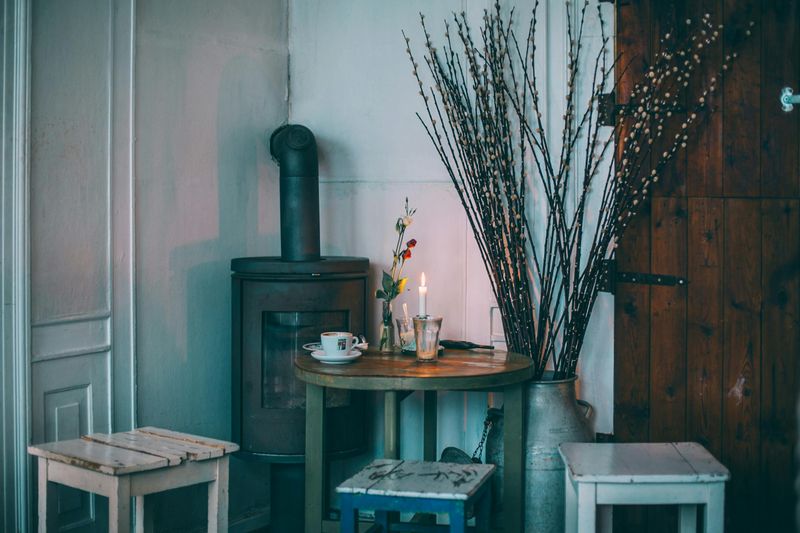
Look closely at that armchair and you’ll spot the patch covering a tear.
The coffee table leg shows evidence of being reglued.
Cushions sag slightly from years of use, and the sofa fabric has faded where sunlight hits it daily.
Instead of hiding these imperfections or replacing worn items, modest families embraced repair.
Dad fixed wobbly furniture legs himself.
Mom sewed patches over ripped upholstery.
These visible mends weren’t embarrassments—they were badges of resourcefulness and care.
Children learned valuable lessons watching parents maintain rather than discard.
They discovered that broken doesn’t mean worthless, and fixing things yourself saves money while building skills.
This repair-first mentality shaped how they’d later approach their own homes and possessions.
7. DIY or Improvised Décor
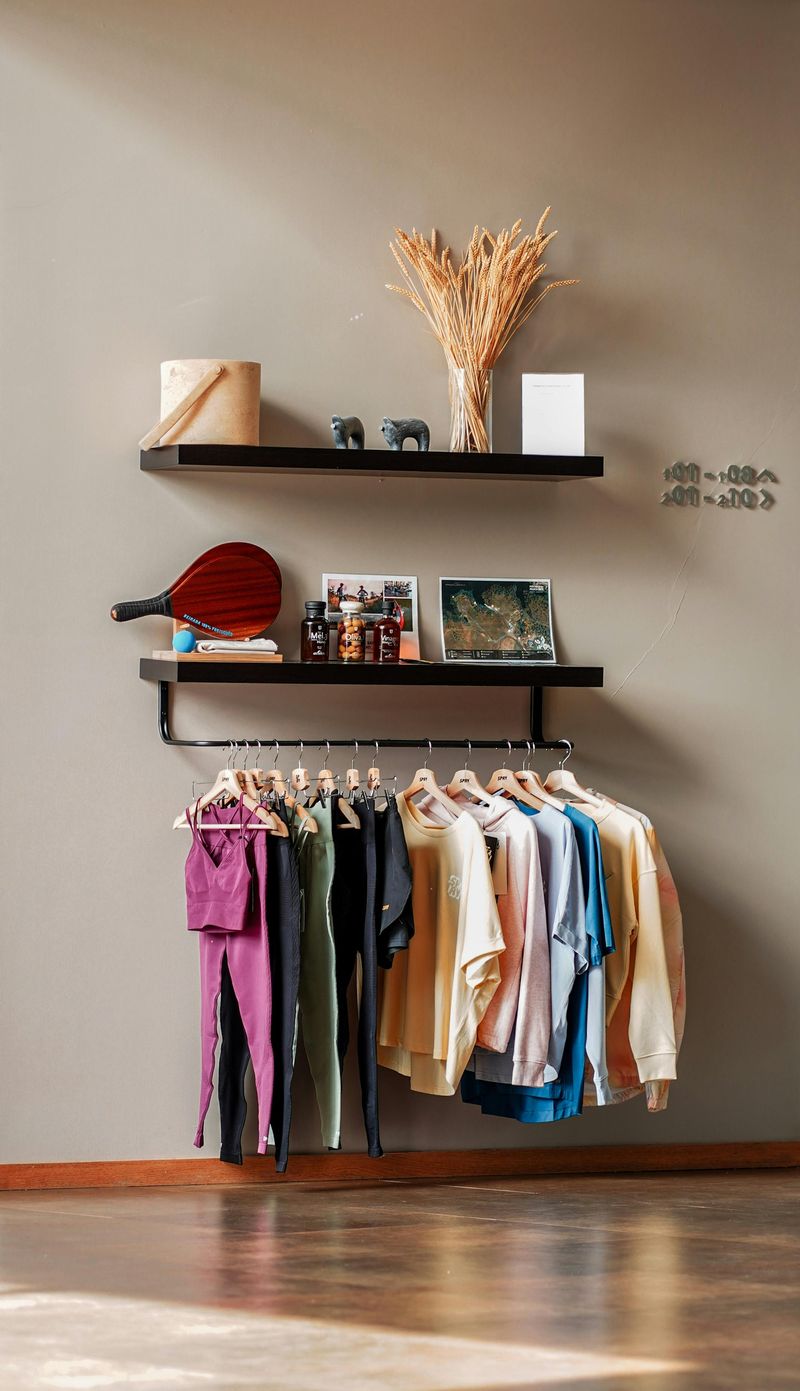
Professional installation?
That costs money families didn’t have to spare.
Instead, Dad mounted shelves himself using a borrowed drill and YouTube tutorials.
Curtain rods got hung slightly crooked but functional.
Picture frames were arranged through trial and error rather than hired designers.
Improvisation became an art form.
Cinder blocks and wooden planks created makeshift shelving.
Mason jars became vases.
Cardboard boxes covered in fabric transformed into storage solutions.
These homemade touches weren’t Pinterest-perfect, but they worked.
More importantly, they taught kids that you don’t need professionals or perfect results—just willingness to try.
That DIY spirit often lasts a lifetime, shaping how people approach home projects and problem-solving as adults.
8. Window Treatments Chosen for Function
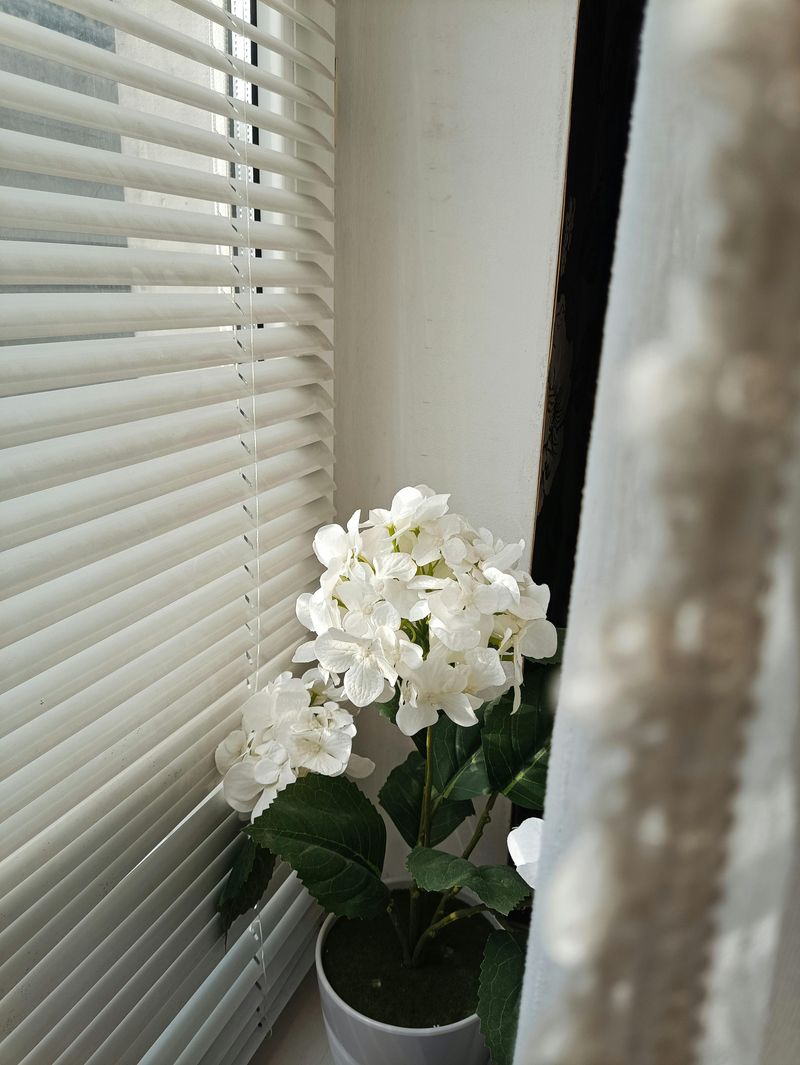
Forget flowing drapes and designer fabrics.
Windows got basic blinds or simple curtains purchased for specific practical purposes—blocking street lights at night, preventing neighbors from seeing inside, or keeping winter cold from seeping through thin glass.
These weren’t design choices; they were utility decisions.
The cheapest option that accomplished the necessary task won every time.
Color coordination with furniture or following current trends never entered the equation.
If curtains came from discount stores or even bedsheets repurposed and hemmed at home, that was fine.
Function trumped fashion consistently.
Kids from these homes remember prioritizing warmth and privacy over aesthetics, learning that practical solutions matter more than impressive appearances when resources are limited.
9. A Lived-In, Practical Layout
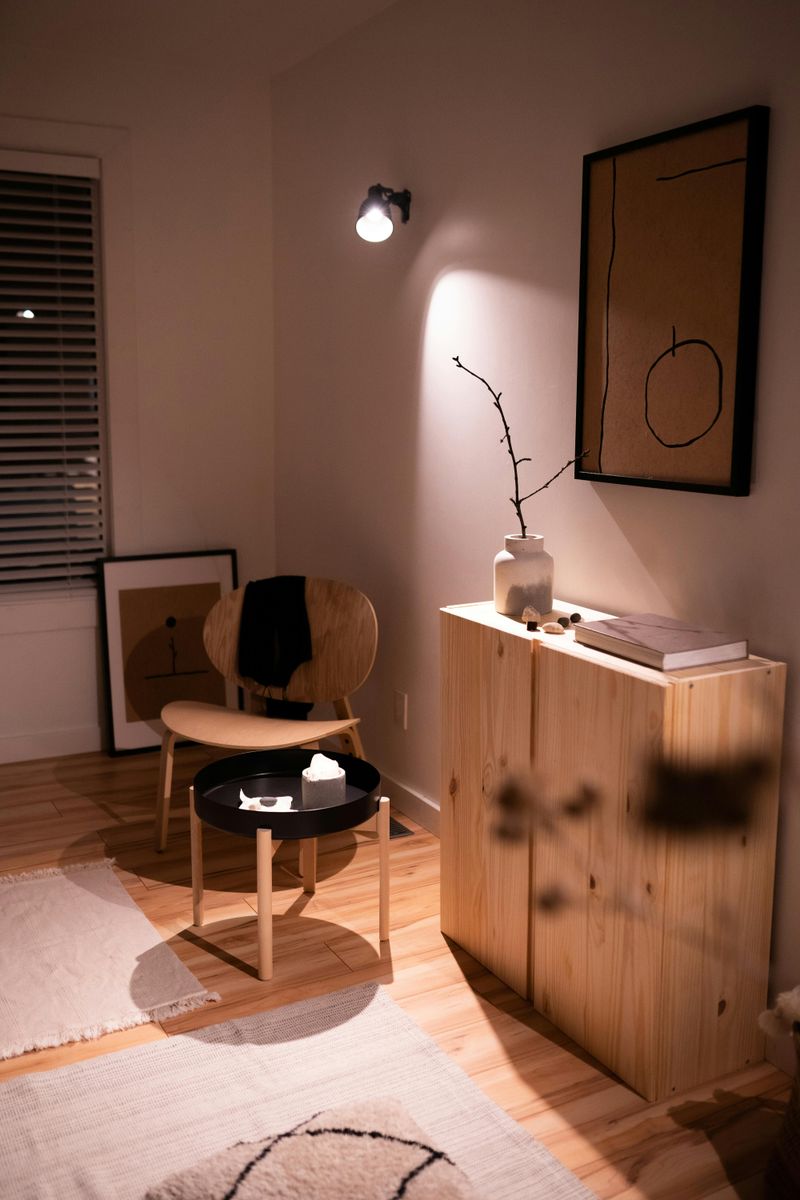
Formal living rooms that nobody uses?
Not here.
Every piece of furniture serves daily life.
The couch faces the television at the perfect viewing angle.
Chairs cluster where family actually sits for conversations.
Tables position themselves within arm’s reach of where people need them.
This layout evolved organically through real use rather than design principles.
Families arranged spaces for maximum comfort and functionality, not to impress visitors or follow floor-plan rules from magazines.
The result feels genuinely welcoming rather than staged.
Blankets drape over couch arms, remote controls rest on tables, and shoes might sit by the door.
This is a room designed for living, not looking at, teaching that homes should serve their inhabitants first.