 MomSkoop

Your wedding day is supposed to be one of the happiest moments of your life, but many brides look back with a few regrets. Small mistakes in planning can turn into big sources of stress or disappointment.
Learning from others can help you avoid common pitfalls and create the celebration you truly want. Here are eleven mistakes brides wish they could go back and fix.
1. Not Setting (or Sticking to) a Realistic Budget Early

Wedding costs add up faster than most couples expect.
Flowers, food, music, and decorations can quickly spiral out of control if you don’t track spending from the start.
Many brides wish they had written down a clear budget before making any decisions.
Changing your mind halfway through planning often means paying extra fees or settling for less than you wanted.
Financial stress can cast a shadow over what should be an exciting time.
Setting firm limits early helps you make confident choices without guilt or panic.
Sticking to your budget also means being honest about what you can afford.
It’s okay to skip expensive extras if they don’t fit your plan.
2. Inviting Too Many Guests Out of Obligation
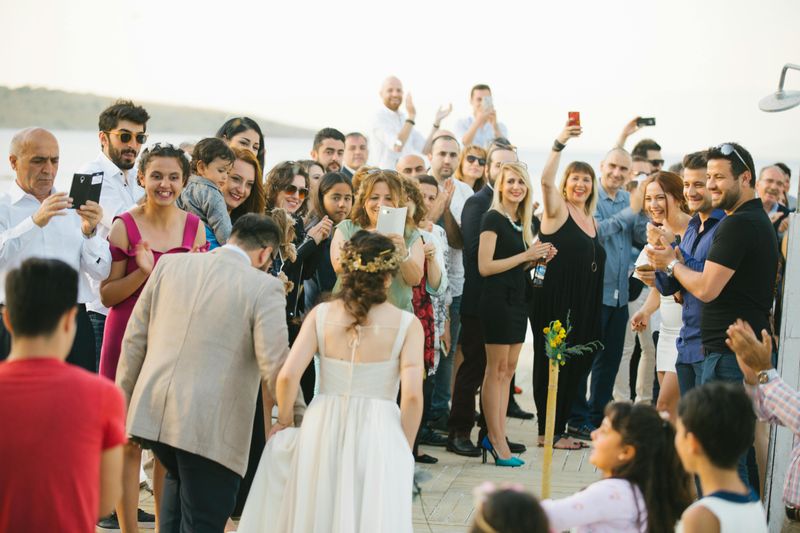
Feeling pressured to invite distant relatives or casual coworkers is a common trap.
A longer guest list means higher costs for food, chairs, tables, and favors.
More importantly, it can make your wedding feel less personal and meaningful.
Brides often regret not being able to spend quality time with the people who matter most.
When the room is packed with acquaintances, the day becomes less about connection and more about crowd control.
Keeping your list smaller creates space for genuine conversations and memorable moments.
Remember, this day is about celebrating your love with people who truly support you.
It’s perfectly fine to set boundaries and prioritize intimacy over obligation.
3. Not Hiring a Professional Photographer or Videographer
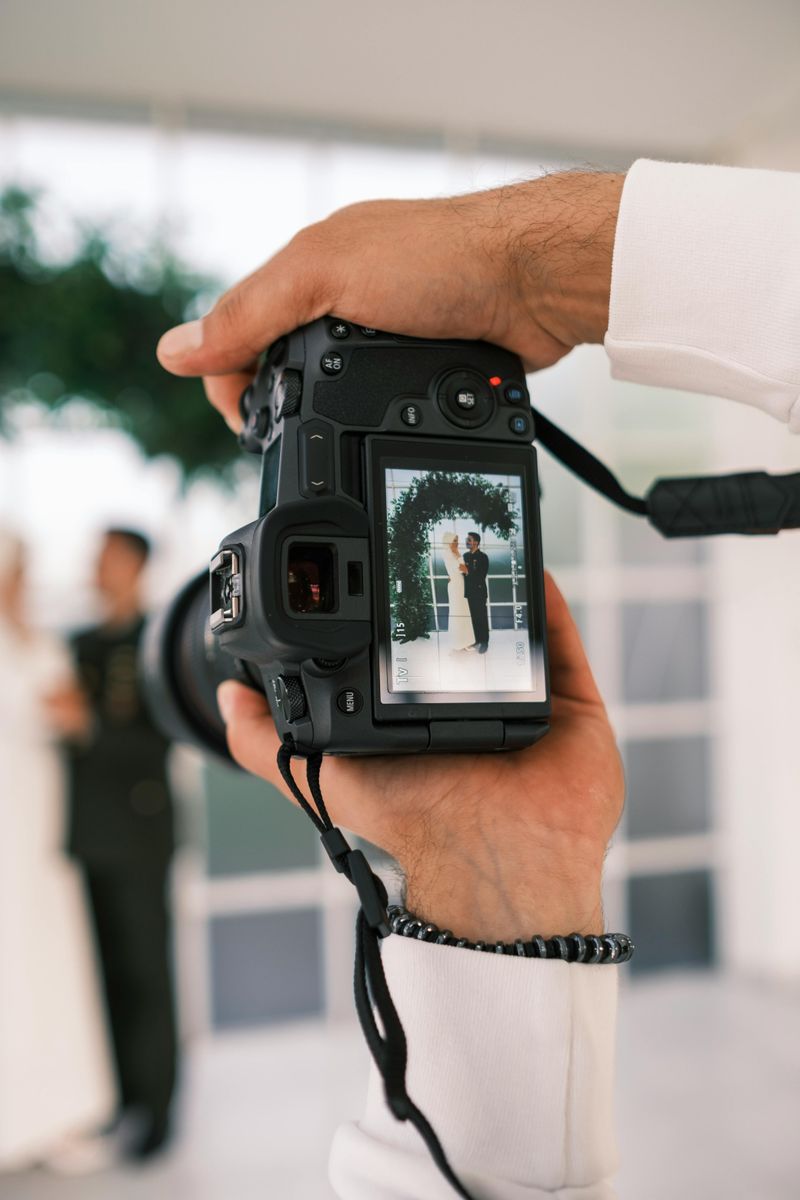
Asking a friend with a nice camera to shoot your wedding might seem like a smart way to save money.
However, professional photographers bring years of experience, backup equipment, and an eye for detail that amateurs simply can’t match.
Poor lighting, missed moments, and blurry images can’t be redone.
Brides who cut corners on photography often feel heartbroken when they realize their memories weren’t captured properly.
Your wedding photos are one of the few things that last forever after the day ends.
Investing in a skilled professional ensures you’ll have beautiful images to treasure for decades.
Video is equally important because it captures voices, laughter, and emotion in ways photos cannot.
4. Skipping a Day-of Coordinator

Many brides think they can handle last-minute details themselves or rely on family members to help.
The reality is that your wedding day should be about celebrating, not solving problems or directing vendors.
Without a coordinator, you’ll likely find yourself answering questions and managing crises.
A day-of coordinator takes care of timeline issues, vendor communication, and unexpected hiccups so you don’t have to.
Brides who skip this service often wish they had someone else handling the stress.
Being present and relaxed allows you to soak in every special moment.
Your loved ones also deserve to enjoy the day instead of working behind the scenes.
Hiring help is worth every penny.
5. Underestimating How Long Hair, Makeup, and Photos Take
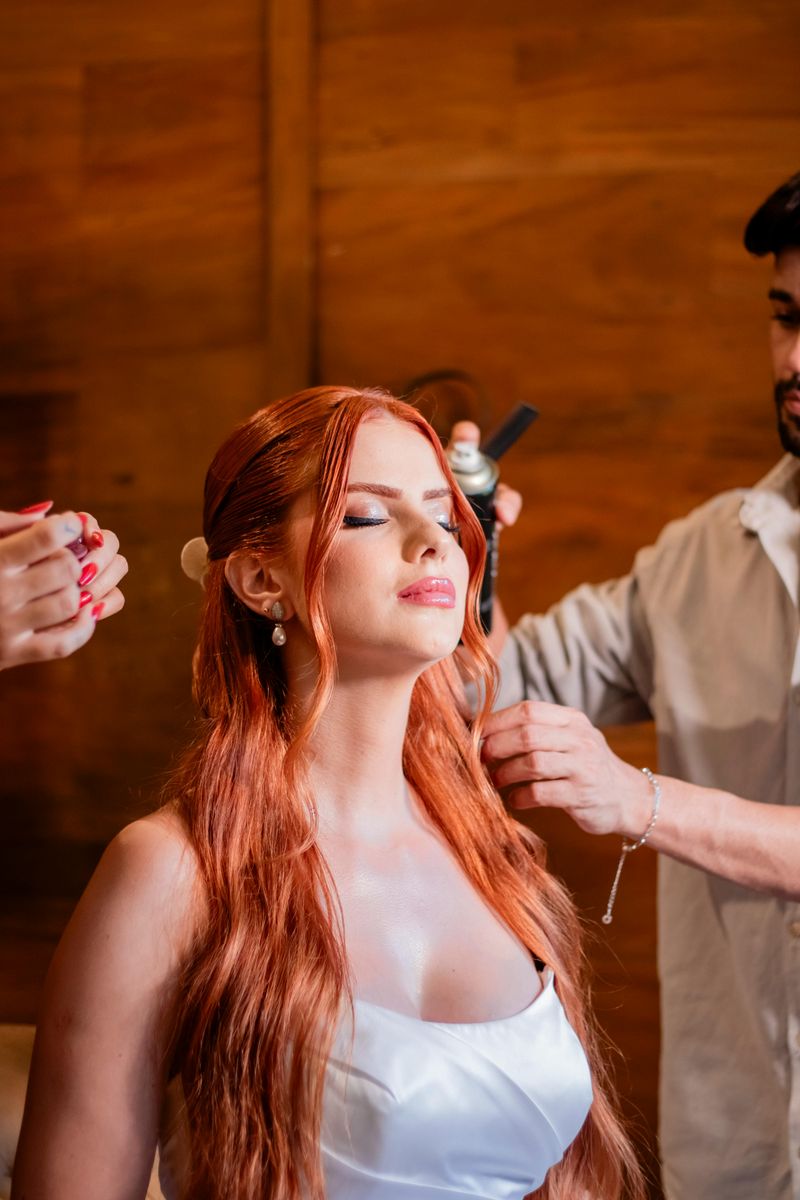
Getting ready on your wedding day takes longer than you think.
Hair and makeup for you and your bridesmaids can easily eat up three or four hours.
Then you need time for getting dressed, pre-ceremony photos, and travel to the venue.
Poor timeline planning leads to rushed moments and delays that stress everyone out.
Brides often regret not building in extra cushion time for touch-ups or unexpected issues.
A late start can throw off the entire day and leave guests waiting.
Work with your vendors to create a realistic schedule that accounts for every step.
Adding buffer time keeps you calm and ensures nothing feels hurried or chaotic.
6. Choosing a Dress That’s Uncomfortable or Hard to Move In

Falling in love with a dress during a fitting is one thing, but wearing it for eight hours straight is another.
Heavy fabrics, tight corsets, and complicated bustles can make dancing, sitting, and even walking a challenge.
Brides often prioritize looks over comfort and regret it later.
Your reception should be fun and carefree, not physically exhausting.
If you can’t move easily or breathe comfortably, you won’t enjoy yourself.
Consider how the dress feels when you sit, hug people, or raise your arms.
Alterations can help, but sometimes it’s better to choose a lighter, more flexible design from the start.
Comfort and beauty can absolutely go hand in hand.
7. Not Scheduling Time to Eat or Drink Water
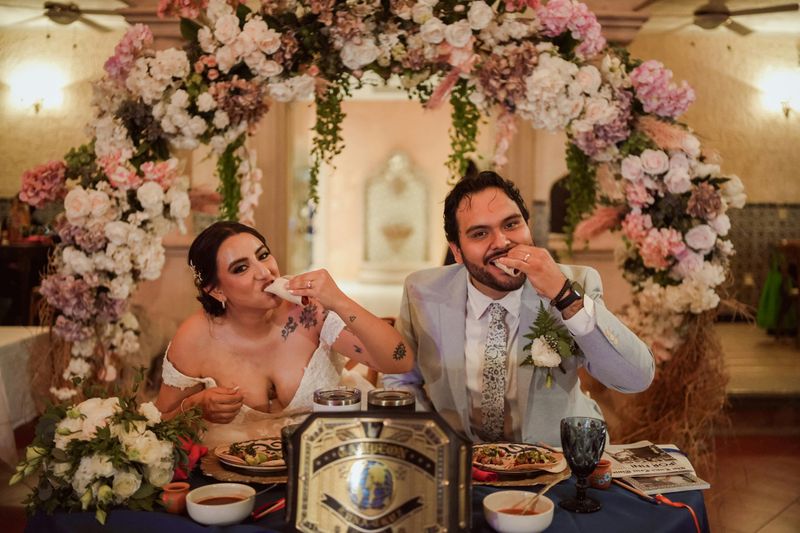
Between photos, greeting guests, and dancing, many brides forget to eat or hydrate throughout the day.
Skipping meals can leave you feeling lightheaded, exhausted, or even nauseous by evening.
Some brides barely taste their own wedding dinner because they’re too busy socializing.
Your body needs fuel to keep up with the excitement and physical demands of the celebration.
Ask your coordinator or a bridesmaid to bring you snacks and water throughout the day.
Taking a few minutes to sit and eat can recharge your energy.
You worked hard to plan a beautiful menu, so make sure you actually enjoy it.
Staying nourished helps you feel your best from start to finish.
8. Trying to Please Everyone Instead of Making Personal Choices
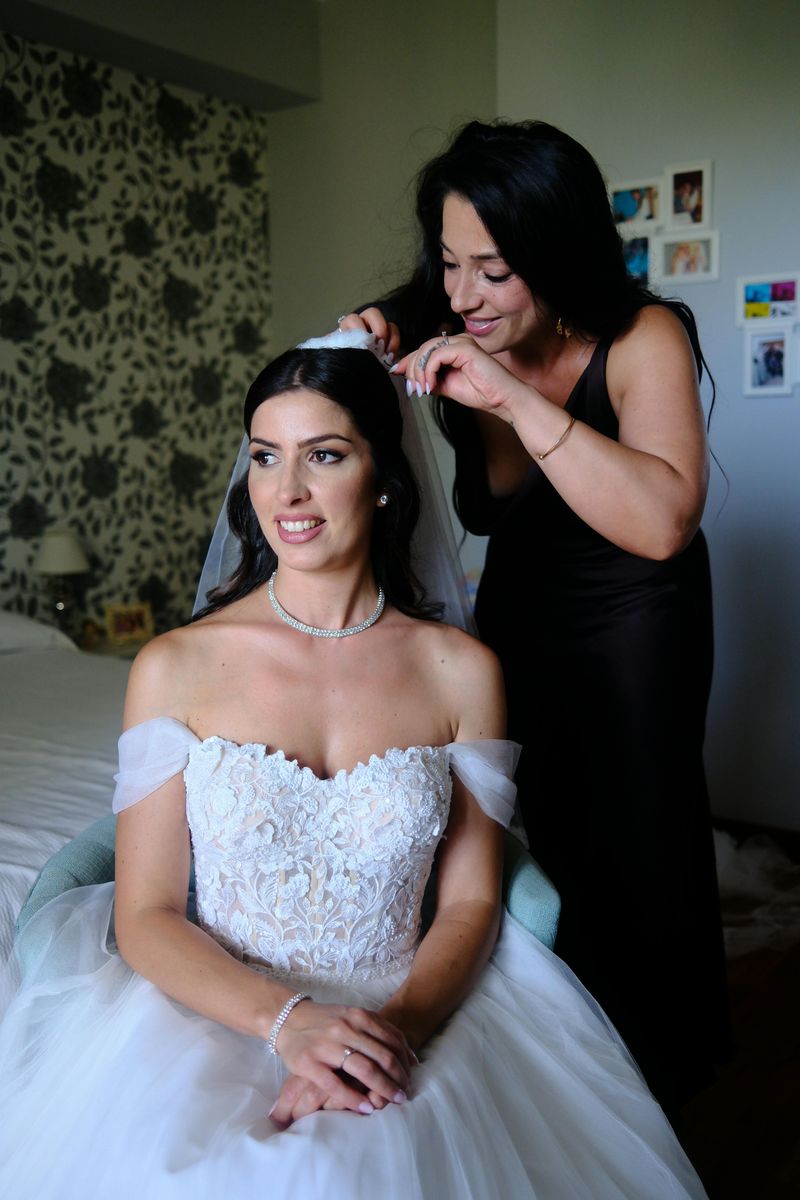
Family opinions and cultural expectations can make wedding planning feel overwhelming.
Many brides compromise on things that matter to them just to keep others happy.
Looking back, they often wish they had followed their own hearts instead of bending to pressure.
Your wedding should reflect your personality and values, not someone else’s vision.
Trying to satisfy every request leads to a day that feels generic or disconnected from who you are.
It’s impossible to make everyone happy, so focus on what brings you joy.
Politely setting boundaries with loved ones is an important skill.
At the end of the day, you’re the one who will remember how it felt.
9. Skipping a Wedding Rehearsal or Detailed Walk-Through
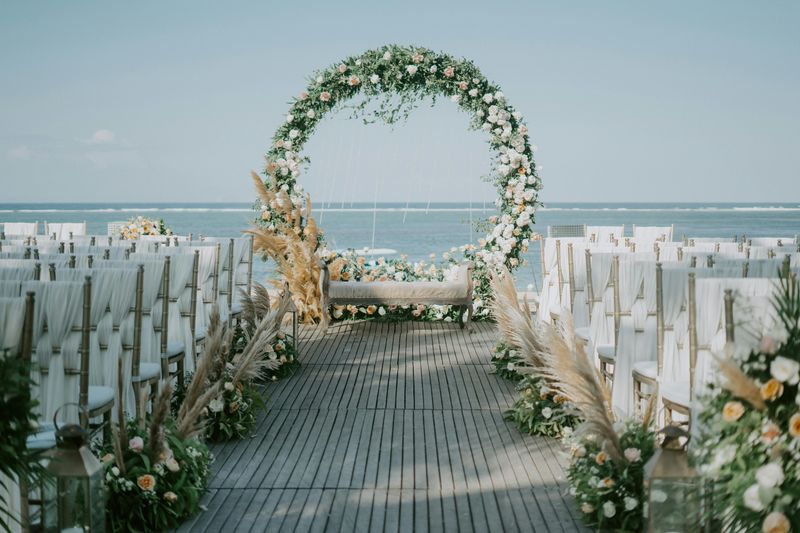
Walking through the ceremony beforehand might seem unnecessary, but it makes a huge difference on the actual day.
A rehearsal helps everyone know where to stand, when to walk, and what to expect.
Without it, confusion and nerves can take over.
Brides who skip this step often regret feeling unprepared or watching their wedding party fumble through the processional.
A simple run-through calms anxiety and ensures smooth coordination.
It also gives your officiant a chance to clarify timing and cues.
Even a quick walk-through the morning of the wedding can help.
Knowing the plan makes everything feel more relaxed and confident for everyone involved.
10. Not Clearly Communicating Expectations to Vendors

Assuming vendors understand your vision without detailed instructions is a recipe for disappointment.
Vague descriptions or verbal agreements can lead to mismatched colors, incorrect timing, or services that don’t meet your expectations.
Brides often regret not putting everything in writing.
Clear communication means sharing inspiration photos, specific color codes, and exact timelines with every vendor.
Don’t be afraid to ask questions or request changes before the big day.
Contracts should spell out every detail to avoid confusion.
Regular check-ins leading up to the wedding help ensure everyone is on the same page.
When expectations are clear, vendors can deliver exactly what you want.
11. Overscheduling the Day With Too Many Traditions or Events
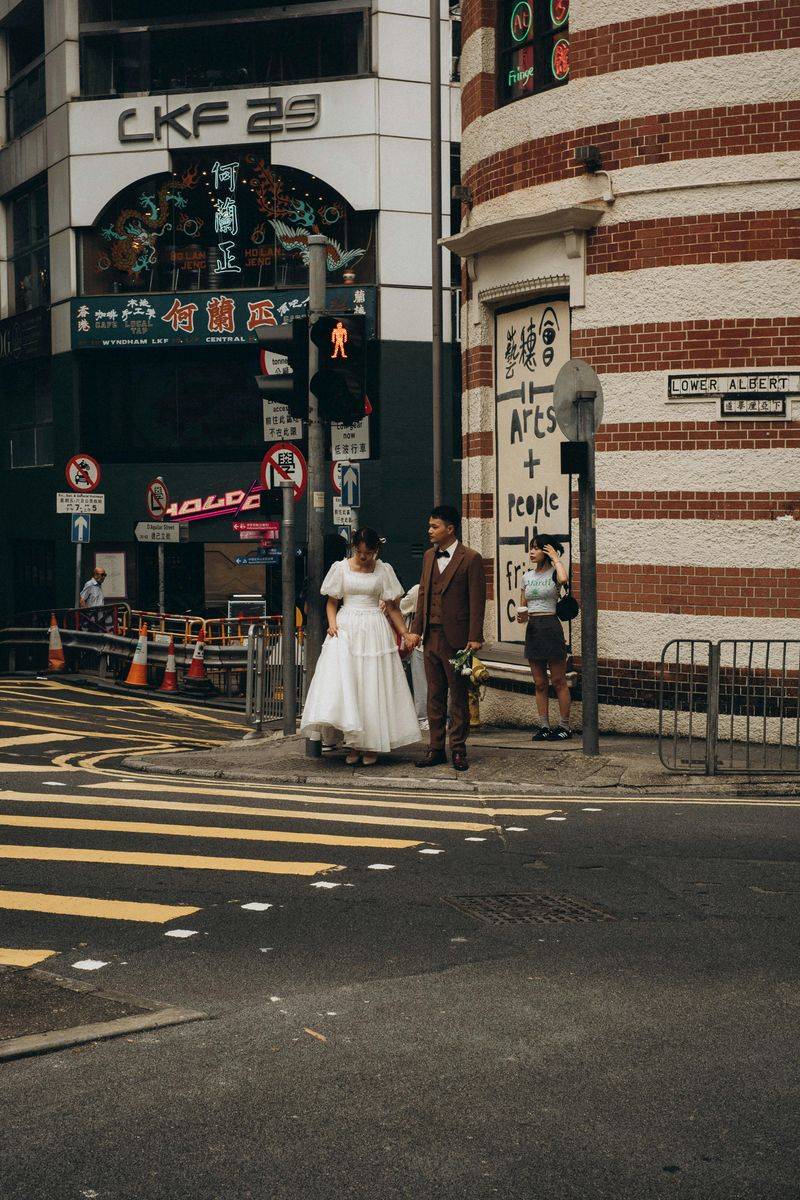
Packing your timeline with every possible tradition can make your wedding feel rushed and exhausting.
Bouquet tosses, garter removals, multiple dances, and lengthy toasts all take time.
Brides often regret not leaving space to simply enjoy the moment.
When every minute is scheduled, there’s no room to relax, mingle, or soak in the atmosphere.
Guests also feel the pressure of a packed agenda.
Choosing a few meaningful traditions instead of doing everything allows for spontaneity and connection.
Quality matters more than quantity when it comes to your wedding day.
Slowing down helps you remember and appreciate the experience instead of rushing through it.