 MomSkoop

Style doesn’t come with an expiration date, but certain outfit details have a way of standing out across generations. Younger women often notice the little things—from how pieces are styled and accessories are chosen to the fit, proportions, and finishing touches that shape an entire look.
Some details feel effortlessly timeless, while others can reveal changing fashion habits and generational preferences. Here are 14 outfit details younger women tend to notice right away on older women.
1. Fit of the Clothing
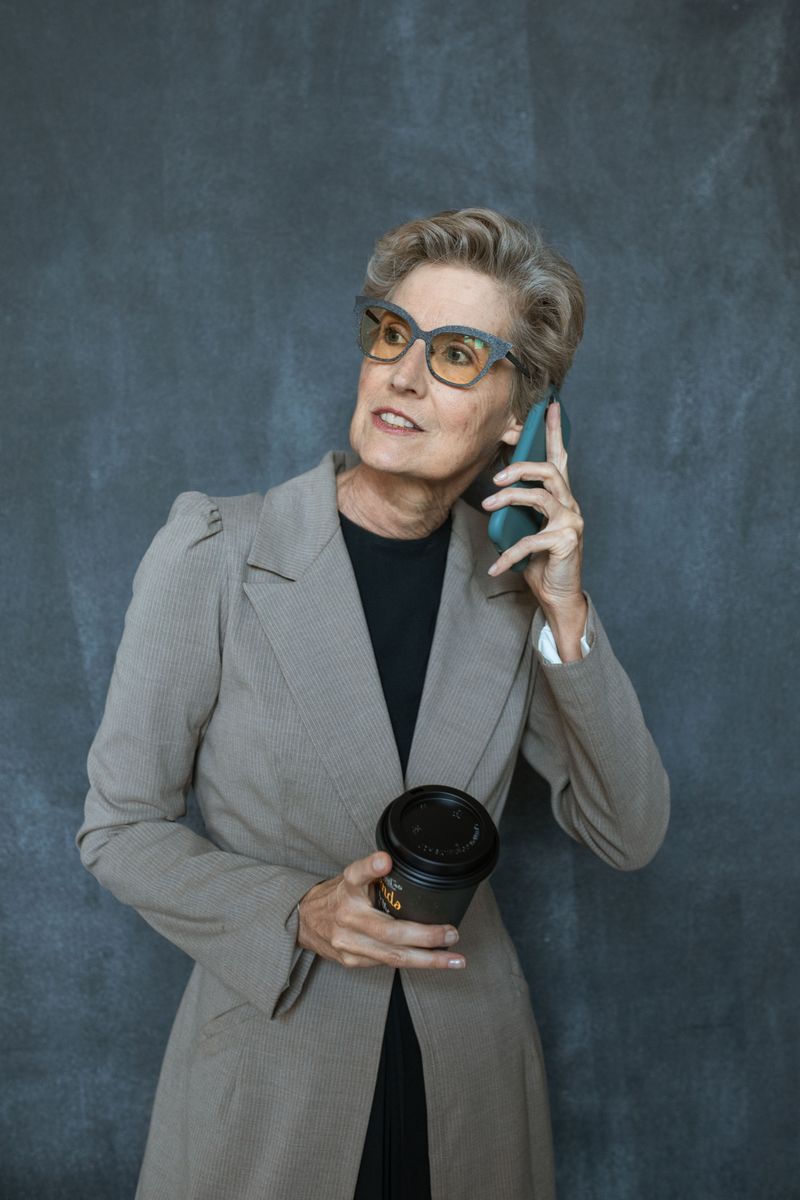
Clothes that hang too loose or pull too tight send instant signals about someone’s style awareness.
Younger women immediately notice when garments don’t follow the body’s natural shape or when they look like they were bought decades ago and never altered.
Proper fit means sleeves ending at the right spot, pants hitting at the ankle, and tops skimming rather than clinging or drowning the frame.
Tailoring transforms even basic pieces into polished statements.
A blazer nipped at the waist or jeans hemmed to perfection show intentionality and care.
When clothing fits well, it doesn’t just look better—it projects confidence and shows that the wearer values their appearance enough to invest in proper alterations.
2. Shoe Style and Condition
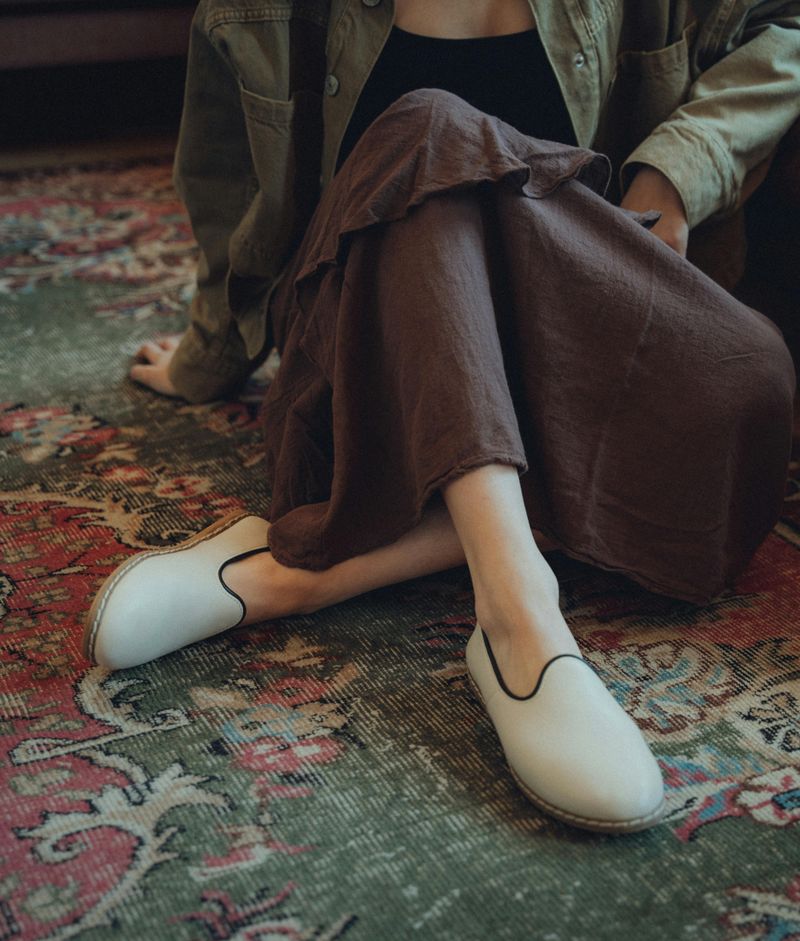
Nothing dates an outfit faster than worn-out or outdated footwear.
Scuffed heels, chunky orthopedic styles, or shoes with visible creasing tell a story that younger eyes pick up instantly.
Even comfortable shoes can look current if they’re well-maintained and chosen with a modern silhouette in mind.
Fresh soles, clean leather, and updated shapes make all the difference.
Versatile styles like sleek sneakers, simple loafers, or streamlined ankle boots keep looks feeling relevant.
Shoes don’t need to be trendy, but they should be timeless and cared for.
A quality pair in good condition elevates every outfit, while neglected footwear drags down even the most expensive ensemble.
3. Color Palette Choices
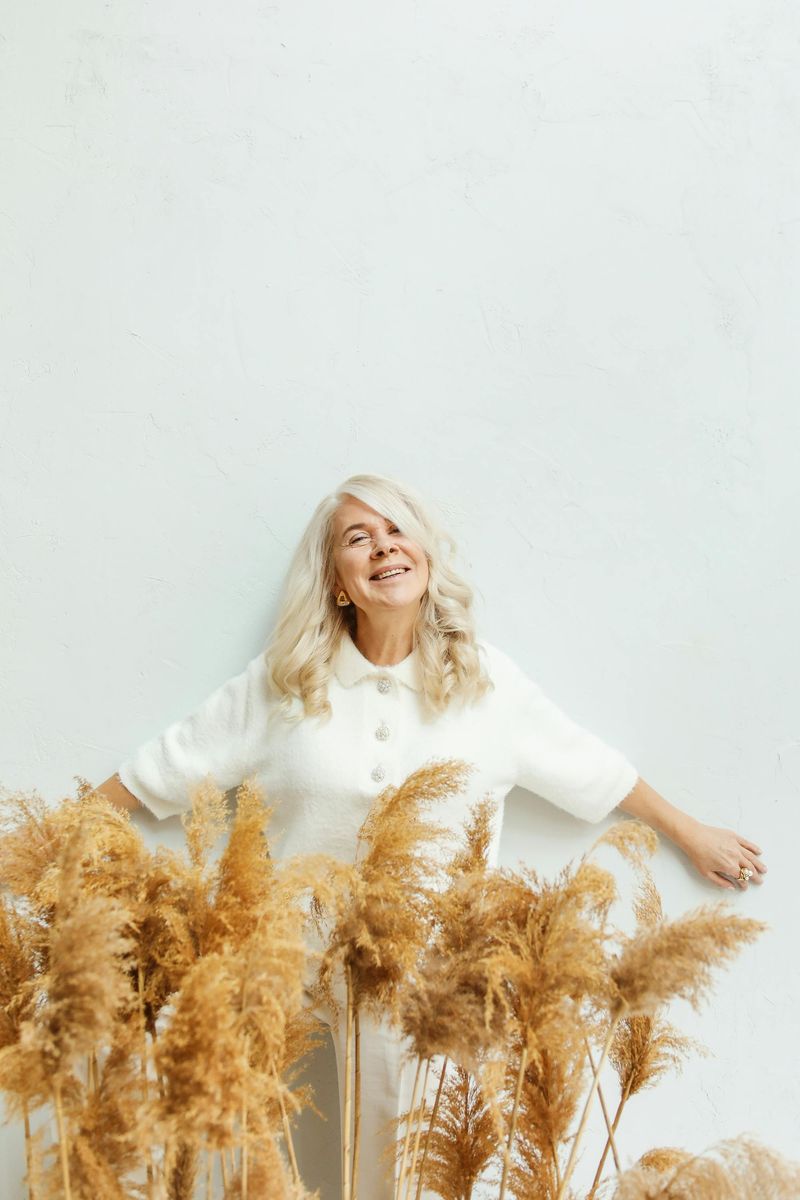
Sticking exclusively to beige, taupe, and muted pastels can make an outfit feel safe but uninspired.
Younger women notice when color choices lean too heavily toward what’s comfortable rather than what’s flattering or interesting.
Modern palettes mix neutrals with intentional pops of color or embrace richer, deeper tones that bring energy to a look.
Color doesn’t mean loud or overwhelming—it means thoughtful.
A rust-colored sweater, emerald scarf, or navy blazer adds dimension without screaming for attention.
The key is balance: neutrals provide foundation, while strategic color adds personality.
When shades feel deliberately chosen rather than habitually repeated, the entire outfit comes alive with fresh sophistication.
4. Fabric Quality and Care
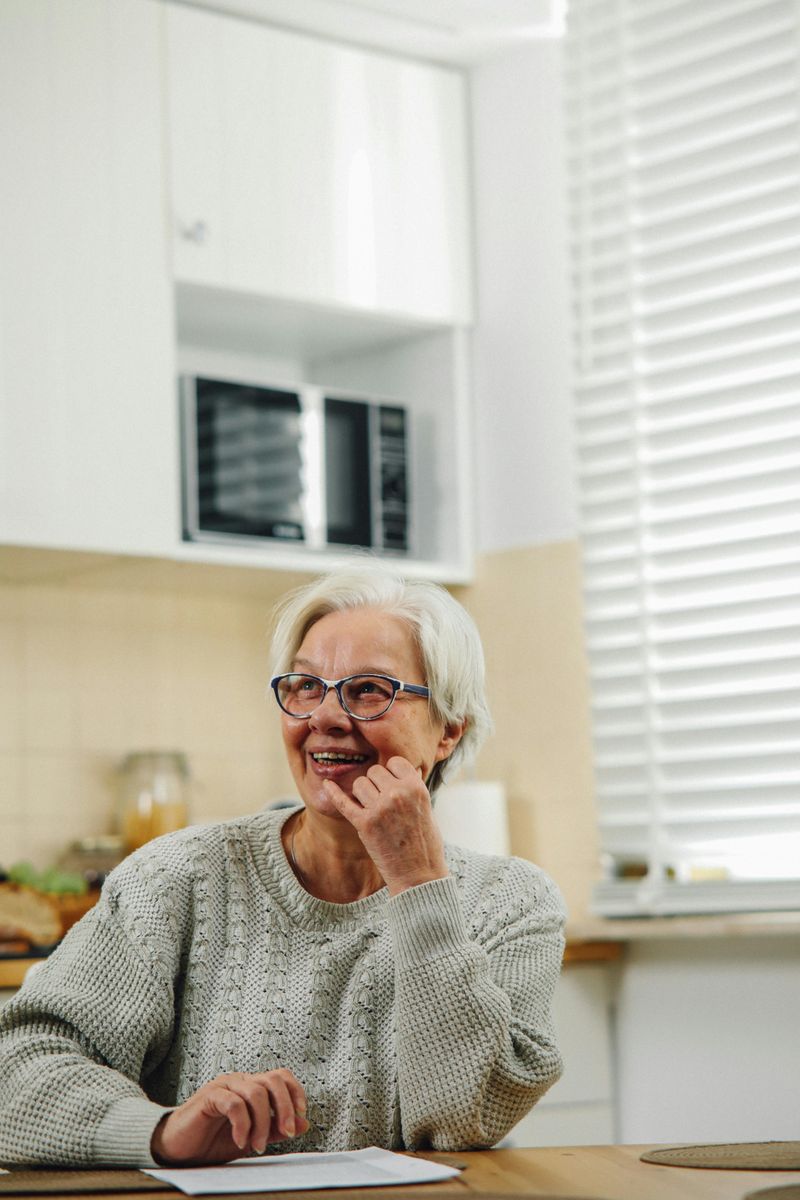
Cheap fabrics announce themselves through pilling, shine, or lack of structure.
Natural fibers like cotton, linen, wool, and silk drape better and age more gracefully than synthetic blends.
Younger women can spot the difference between a well-made garment and one that’s losing its shape after a few washes.
Quality fabric holds color longer, resists wrinkles better, and simply looks more expensive.
Beyond choosing good materials, maintaining them matters just as much.
Garments that are properly cared for—no visible wear, fading, or stretched-out areas—show respect for one’s wardrobe.
Investing in fewer, better-quality pieces that are well-kept beats owning a closet full of disposable fashion every single time.
5. Accessory Choices
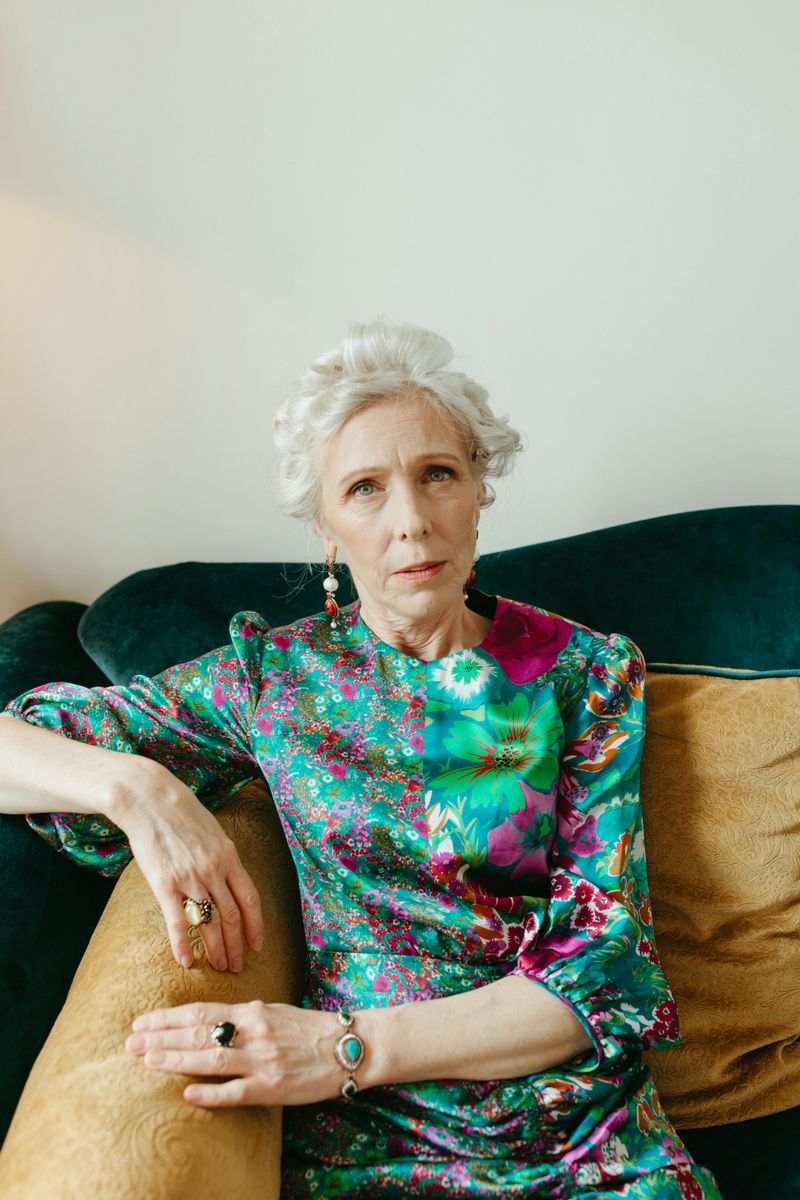
Jewelry, scarves, and belts reveal whether someone dresses with intention or habit.
Wearing the same chunky necklace or dated brooch every day suggests routine rather than style.
Younger women notice when accessories feel like afterthoughts or when they clash with the outfit’s vibe.
Modern accessorizing means choosing pieces that enhance rather than overwhelm, and rotating them to keep looks fresh.
Less is often more when it comes to accessories.
A simple leather belt, delicate gold hoops, or a silk scarf tied just right can elevate an entire ensemble.
The goal isn’t to pile on pieces but to select ones that feel cohesive and purposeful, creating visual interest without distraction.
6. Silhouettes and Cuts
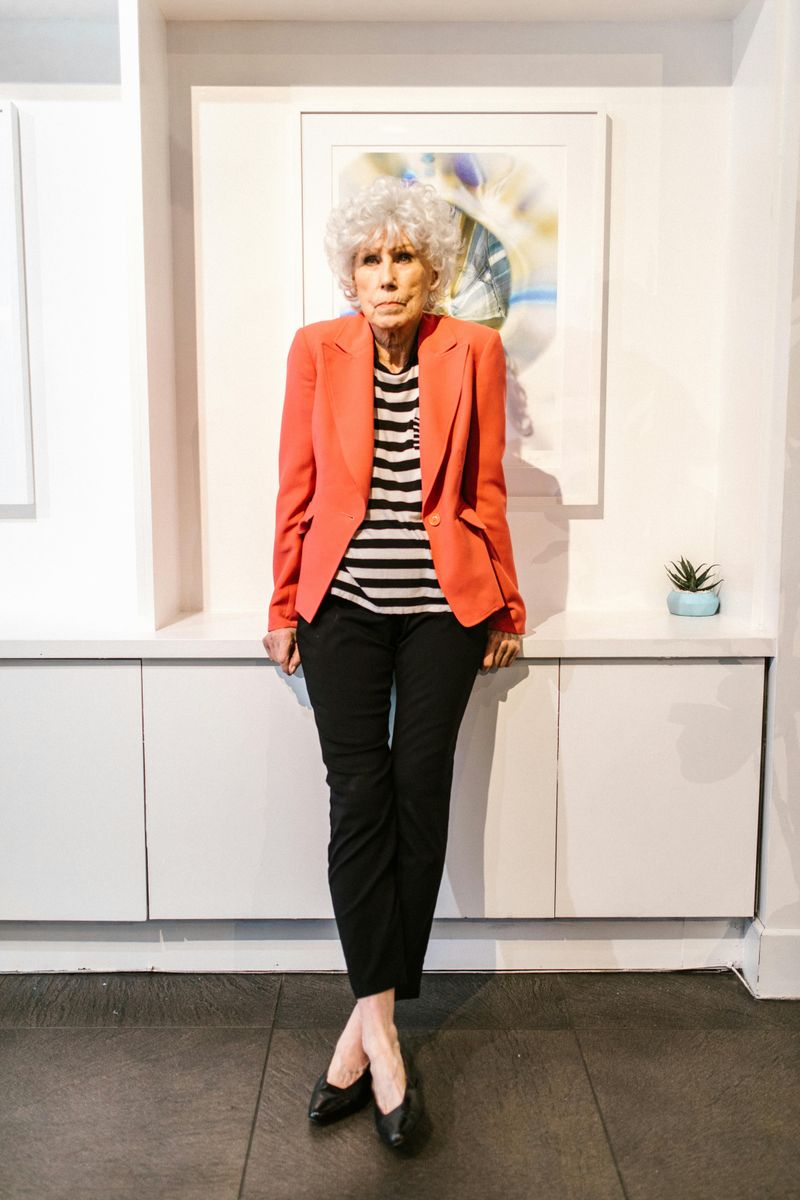
Boxy blazers, pleated high-waisted pants, and shapeless tunics can instantly age a look.
Silhouettes evolve with time, and what felt contemporary twenty years ago often reads as outdated now.
Younger women recognize when cuts feel stuck in a particular era versus when they embrace timeless shapes with subtle modern updates.
Contemporary silhouettes don’t mean following every trend—they mean choosing lines that flatter and feel current.
Classic shapes like straight-leg trousers, tailored shirts, and structured coats remain stylish when they’re cut with today’s proportions in mind.
A slightly cropped jacket, higher armholes, or streamlined shoulders make all the difference.
Updating silhouettes doesn’t require a complete wardrobe overhaul, just mindful choices.
7. Layering Techniques
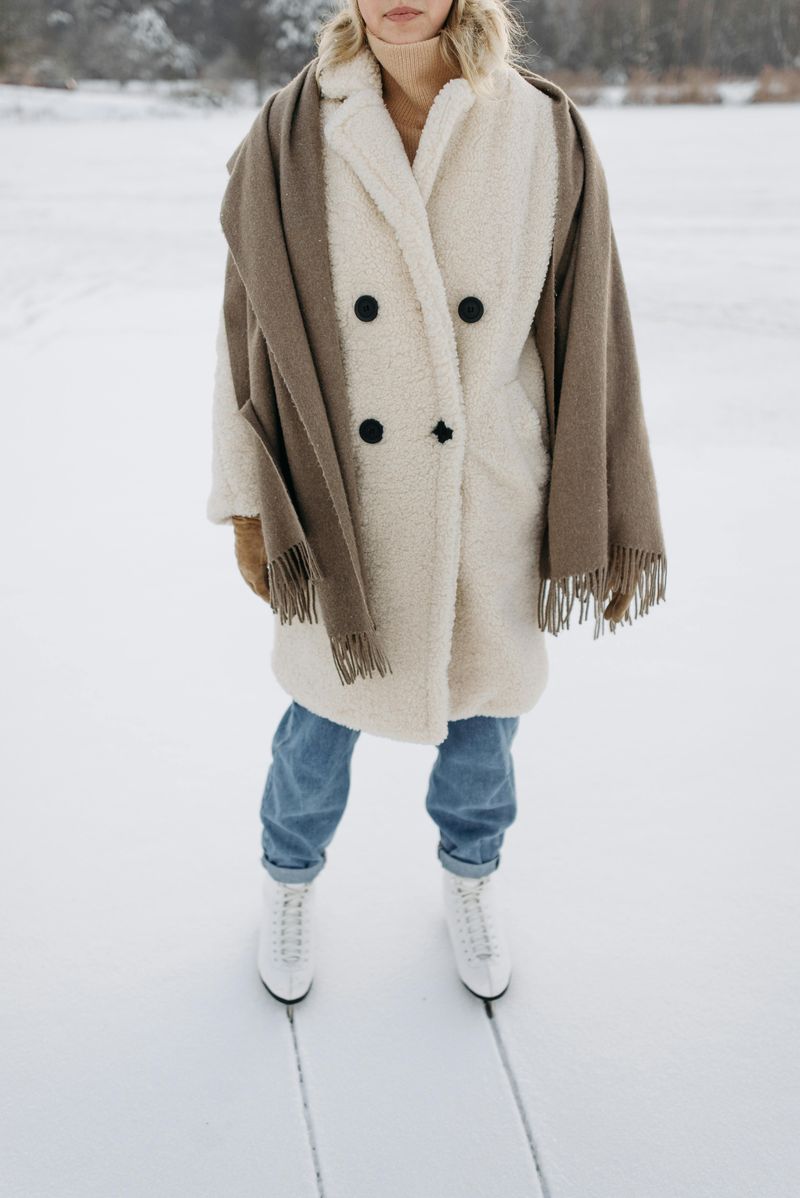
Throwing on a cardigan over everything or piling on too many scarves can look cluttered rather than chic.
Layering is an art that requires balance, proportion, and restraint.
Younger women notice when layers feel heavy-handed or when pieces compete rather than complement each other.
Successful layering creates depth and dimension without adding bulk or visual confusion.
Start with fitted base layers and add structured outer pieces strategically.
A sleek turtleneck under a blazer, a long vest over a simple tee, or a light trench over a dress shows thoughtful composition.
Each layer should serve a purpose, whether adding warmth, texture, or visual interest, without overwhelming the overall silhouette.
8. Condition of Garments
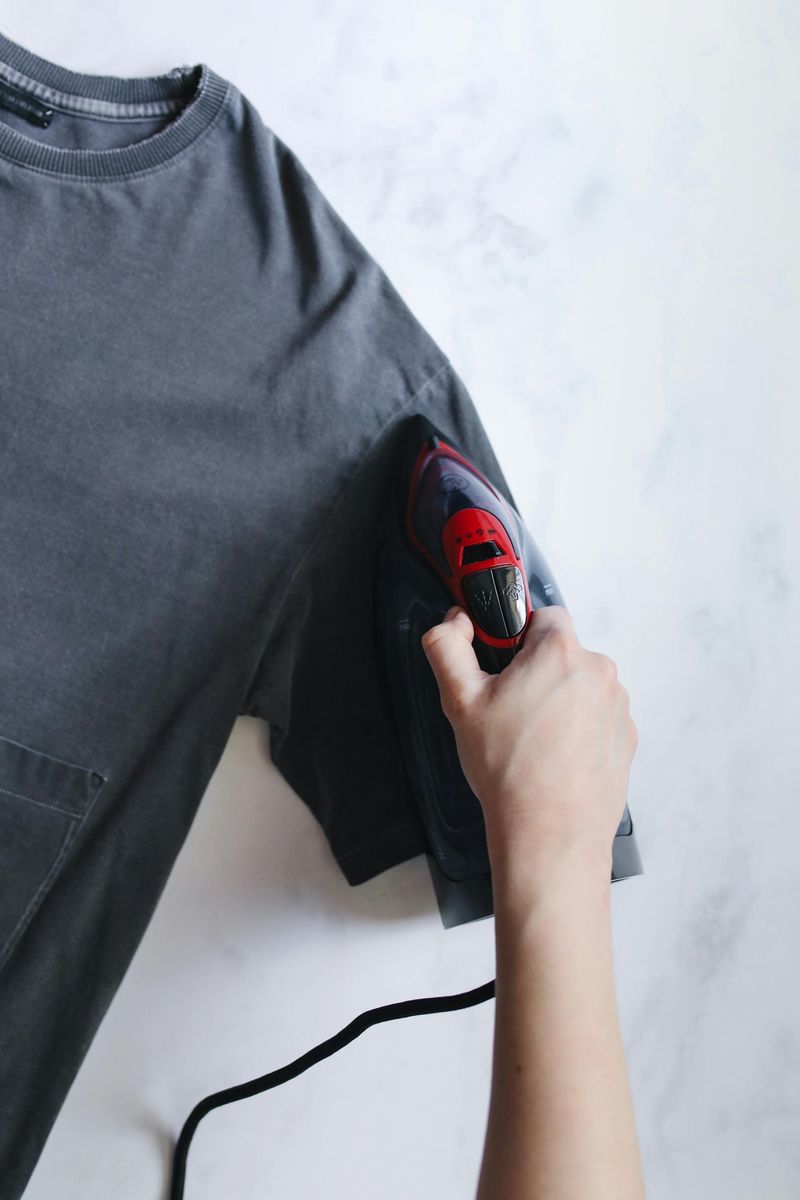
Wrinkled blouses, faded jeans, or sweaters covered in pills broadcast neglect louder than any fashion statement.
Younger women immediately spot clothing that’s seen better days, even if the pieces were once high quality.
Fresh, well-maintained garments signal that someone takes pride in their appearance and respects their wardrobe investment.
Regular care keeps clothes looking new season after season.
Simple maintenance makes a huge difference: steaming wrinkles, removing pills with a fabric shaver, and treating stains promptly preserve garment life.
Rotating pieces rather than wearing favorites into the ground helps everything last longer.
When clothes look crisp and cared for, they elevate the entire outfit, regardless of price point or brand name.
9. Bag Style and Size
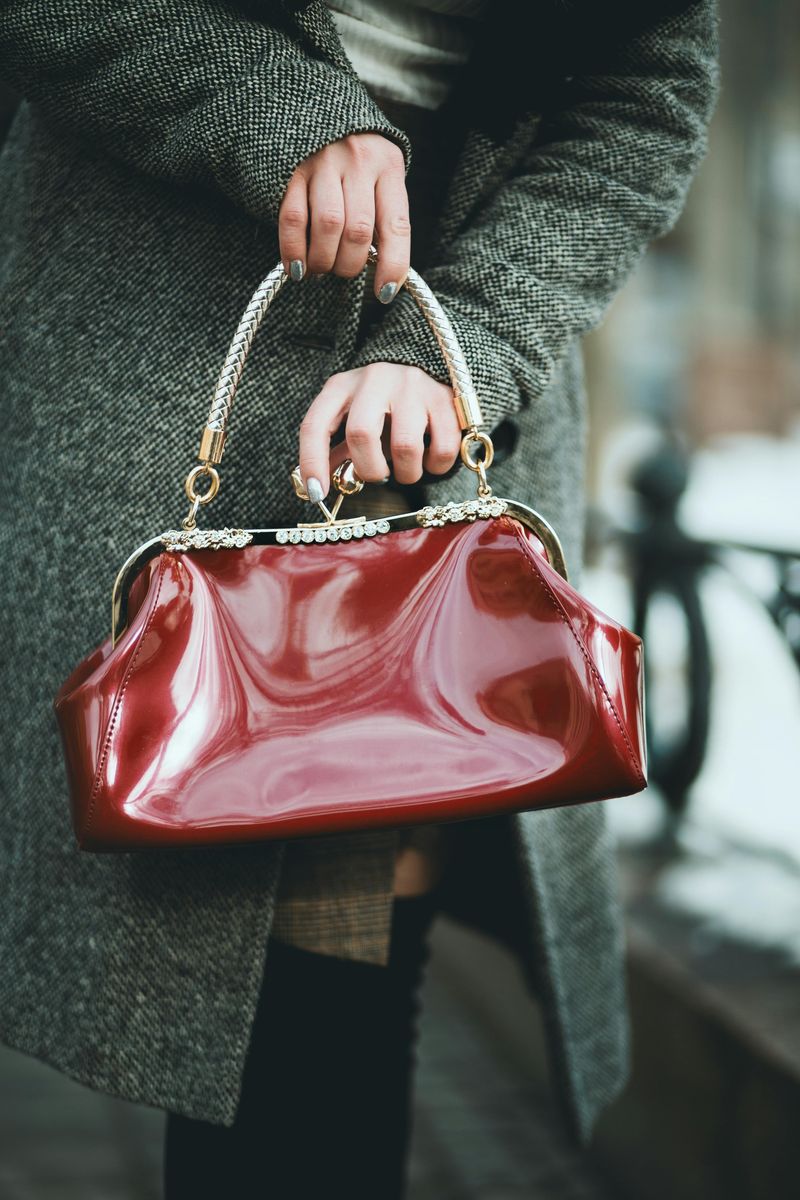
Oversized, overstuffed purses or dated structured bags can throw off an otherwise polished look.
Younger women notice when bags feel like practical afterthoughts rather than intentional style choices.
The right bag complements proportions, matches the outfit’s formality level, and looks current without trying too hard.
Size matters—a bag should carry essentials without overwhelming the frame or looking like luggage.
Streamlined crossbody bags, structured totes, or classic leather handbags in neutral tones work across multiple outfits.
Hardware should be minimal and modern, not overly embellished or tarnished.
A quality bag in good condition becomes a signature piece that pulls looks together, while the wrong choice can distract from an otherwise great outfit.
10. Overall Coordination
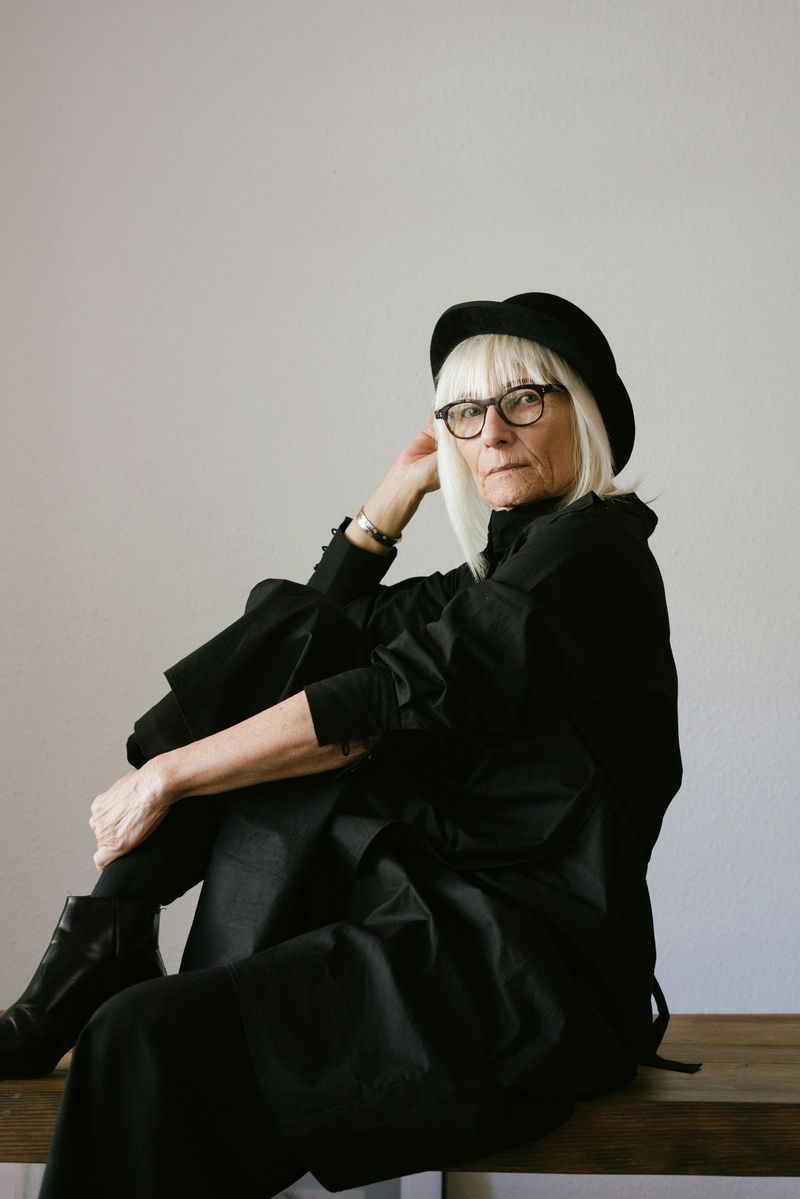
When every piece feels randomly grabbed from the closet, it shows.
Younger women notice whether an outfit looks intentionally styled or thrown together out of convenience.
Coordination means colors harmonize, proportions balance, and pieces relate to each other through texture, tone, or style.
It’s the difference between wearing clothes and creating a cohesive look that feels effortless.
Great coordination doesn’t require matching everything perfectly—it means understanding how pieces work together.
A monochromatic palette with varied textures, complementary colors that enhance each other, or a consistent style thread running through accessories all create visual harmony.
When outfits feel considered rather than accidental, they communicate confidence and style awareness.
11. Trends Versus Timelessness
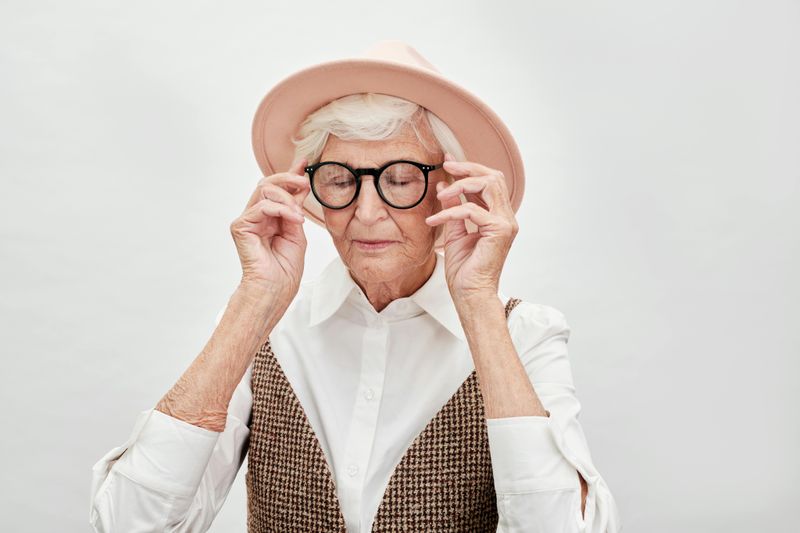
Clinging to trends from decades past or ignoring all contemporary style creates disconnection.
Younger women spot when someone’s stuck in a fashion time warp or when they’ve embraced timeless pieces that transcend eras.
The sweet spot lies in classic foundations with subtle modern touches—not chasing every trend, but staying aware of current proportions, colors, and styling approaches that keep looks relevant.
Timeless doesn’t mean boring or outdated.
A white button-down, well-fitted jeans, or a camel coat remain stylish because their core design adapts to contemporary interpretations.
Mixing classic staples with one or two current elements—like modern sneakers or updated accessories—creates balance between trendy and dated, resulting in effortlessly current style.
12. Personal Confidence
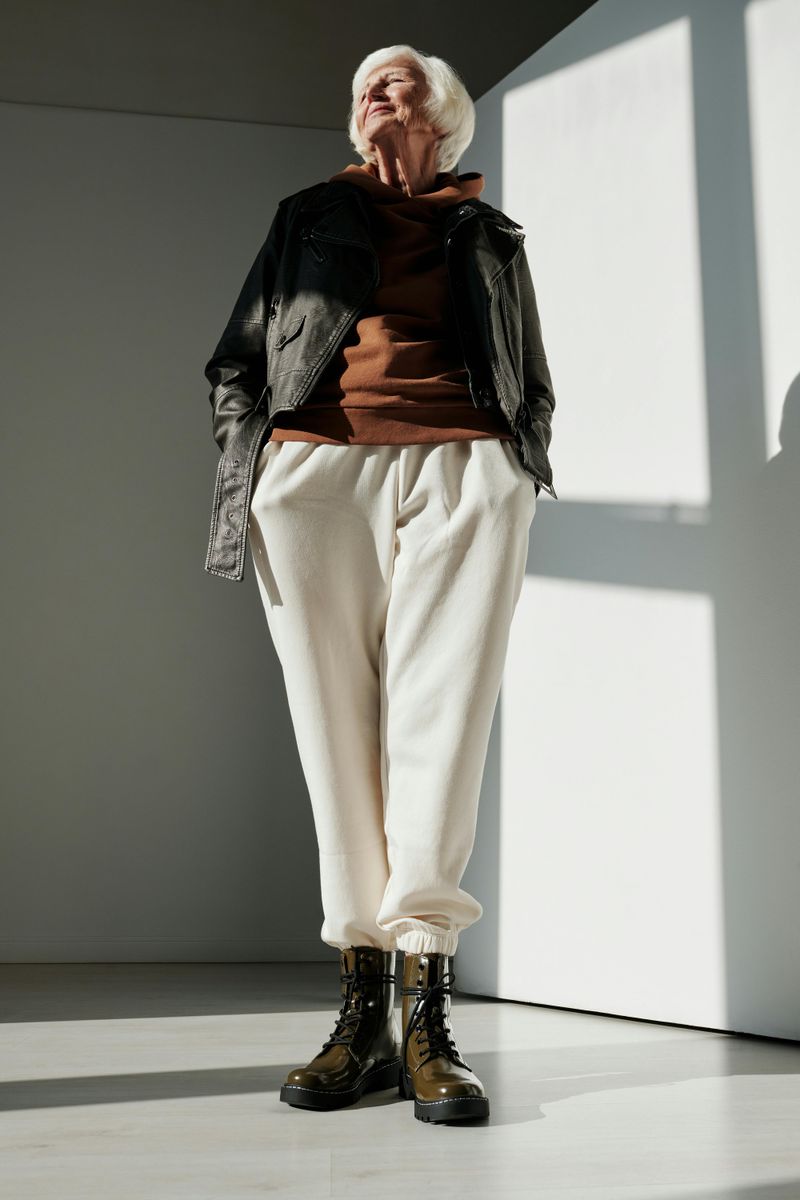
The best outfit in the world falls flat if it’s worn with discomfort or uncertainty.
Younger women absolutely notice when someone owns their style choices versus when they’re wearing something that doesn’t feel authentic.
Confidence radiates through posture, ease of movement, and the natural way someone inhabits their clothes.
It’s the invisible accessory that makes everything else work.
Authentic style comes from choosing pieces that align with personal taste and lifestyle, not what magazines say to wear.
When outfits reflect genuine preferences and fit comfortably into daily life, that ease shows.
Confidence isn’t about perfection—it’s about wearing what feels right, standing tall, and letting personal style shine through without apology or second-guessing.
13. Pant Length and Break
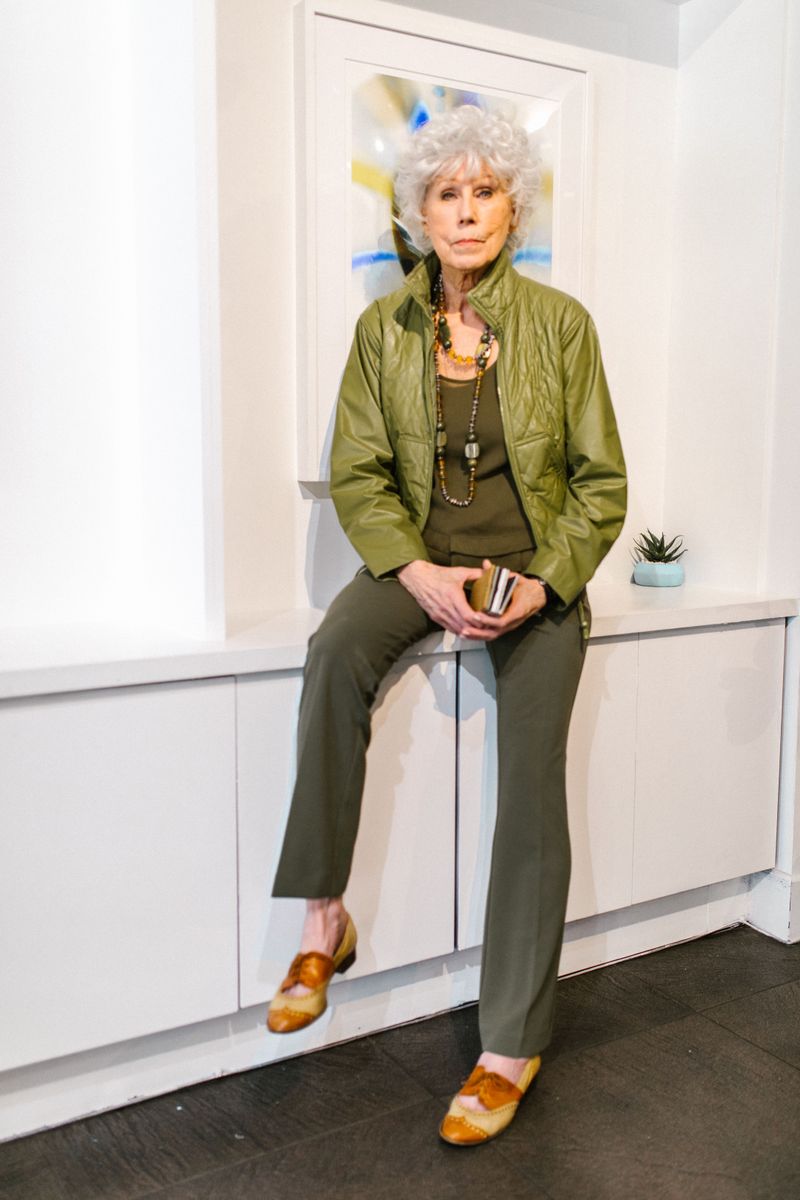
A great outfit can lose its polish when pants puddle at the ankle or stop at an awkward spot.
Younger women often notice that small gap right away because current styling pays close attention to where hems hit.
Full-length pants should skim the top of the shoe, while cropped pairs usually look best when they end on purpose, not by accident.
Tailoring helps more than buying something new.
Try on pants with the shoes you actually plan to wear, then check the mirror from the side and back.
Clean lines make legs look longer and the whole outfit feel sharper.
14. Print Scale and Pattern Mixing
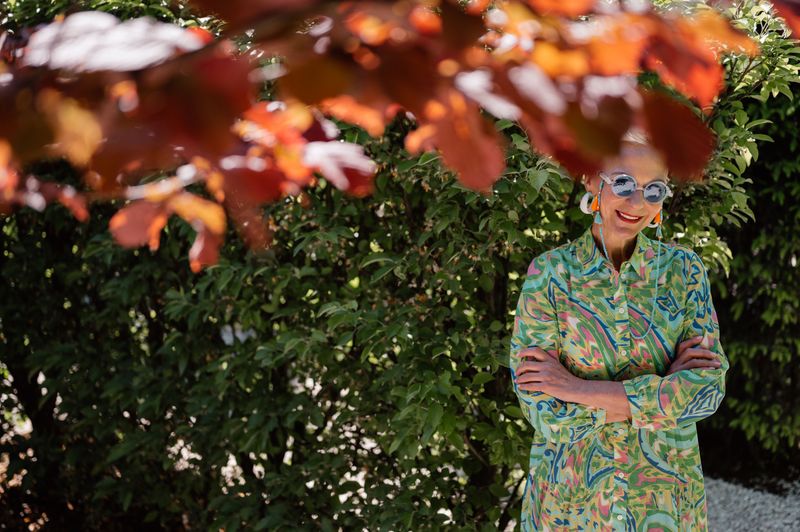
Sometimes the quickest age clue is not the color, but the size and mix of the prints.
Younger women tend to wear patterns with more intention, whether that means a tiny stripe, a bold floral, or one clean statement piece.
When prints feel too busy, too dated, or mismatched in scale, an outfit can seem older even if every item is in good shape.
Playing with patterns works best when one print leads and the others support it.
Pair a larger design with a smaller one, keep colors connected, and give the eye a resting place with solids.