 MomSkoop
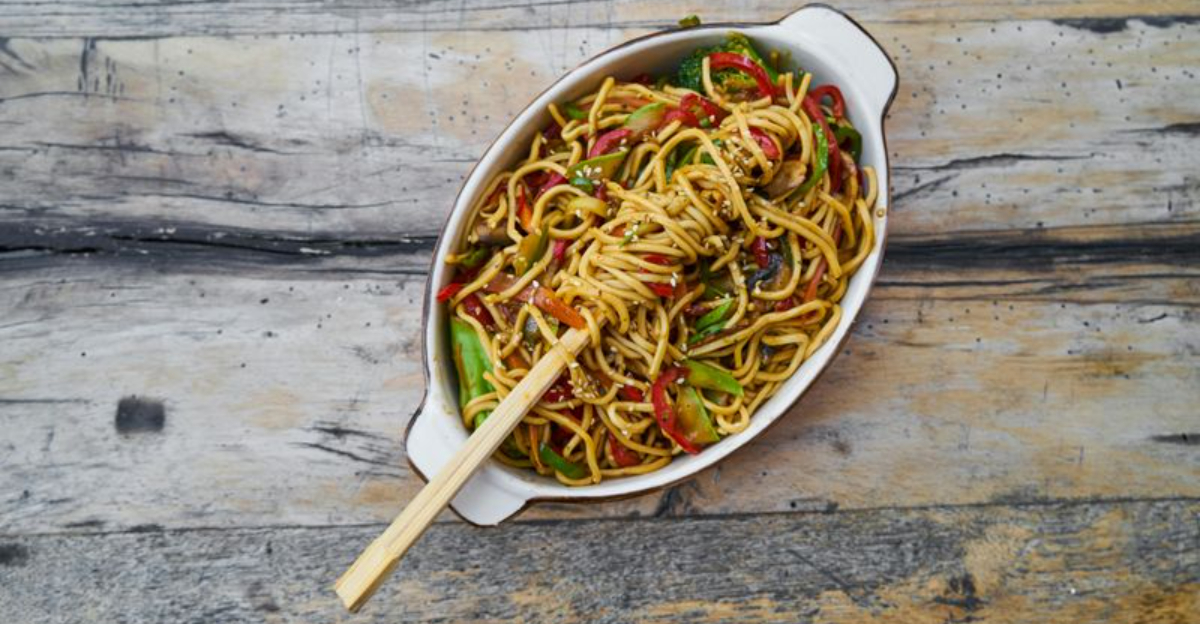
Eating out can drain your wallet faster than you realize, and restaurant meals often disappoint with oversized portions, excessive salt, or mystery ingredients. Cooking at home gives you full control over what goes into your food while saving serious money.
The best part is that homemade versions of your favorite dishes usually taste even better than what you’d get from a restaurant or takeout spot.
1. Pizza
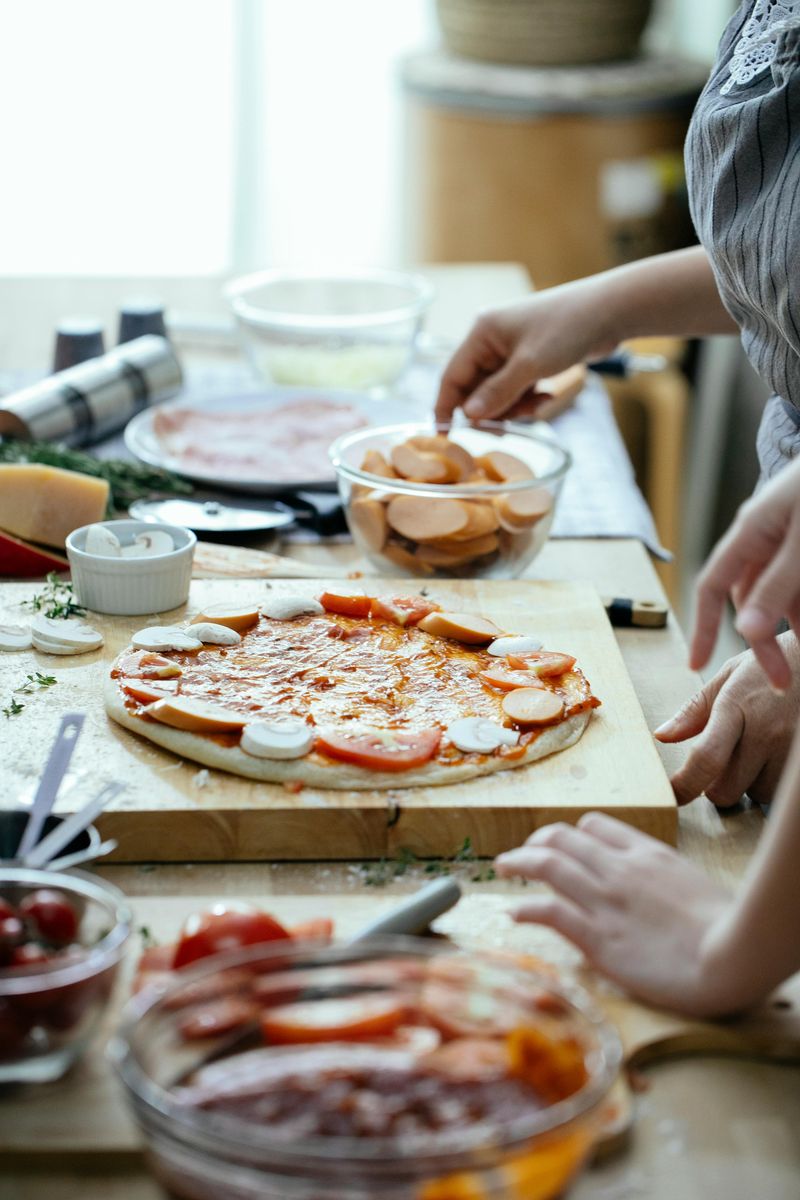
Making pizza from scratch transforms a delivery expense into an affordable treat.
Store-bought dough or homemade versions cost just a few dollars, and topping choices become limitless when you shop your own fridge.
Fresh mozzarella, ripe tomatoes, and quality olive oil create flavors that boxed pizza simply cannot match.
Restaurant pizzas often arrive lukewarm with soggy crusts, but homemade pies come out of your oven crispy and steaming hot.
You control the cheese-to-sauce ratio, the thickness of the crust, and every single topping.
Kids love helping stretch the dough and choosing their favorite ingredients.
A single homemade pizza feeds a family for under ten dollars, while delivery easily costs three times that amount.
The satisfaction of pulling a golden, bubbling pizza from your oven makes the effort worthwhile every time.
2. Pasta Dishes
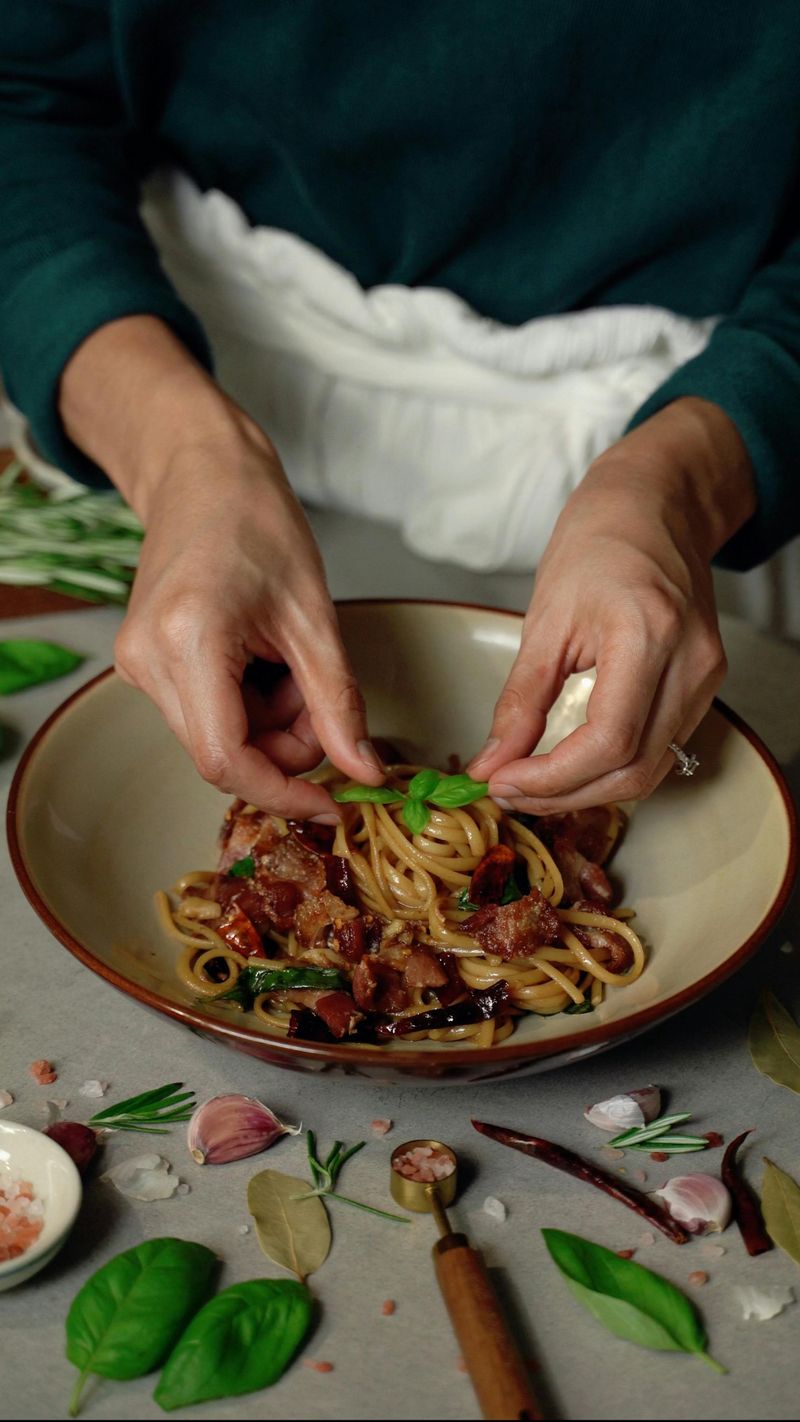
Restaurant pasta dishes carry hefty price tags for what amounts to inexpensive noodles and simple sauces.
A box of quality pasta costs about two dollars and feeds four people easily.
Marinara sauce requires only canned tomatoes, garlic, olive oil, and herbs that probably already sit in your pantry.
Alfredo sauce comes together in minutes with butter, cream, and Parmesan cheese, costing a fraction of restaurant prices.
Homemade versions taste richer because you use real ingredients instead of stabilizers and preservatives.
Fresh herbs like basil or parsley add brightness that dried seasonings cannot replicate.
Cooking pasta at home means you decide how al dente the noodles are and how much garlic goes into the sauce.
Leftovers reheat beautifully for lunch the next day.
The entire meal, from boiling water to plating, takes less than thirty minutes.
3. Burgers
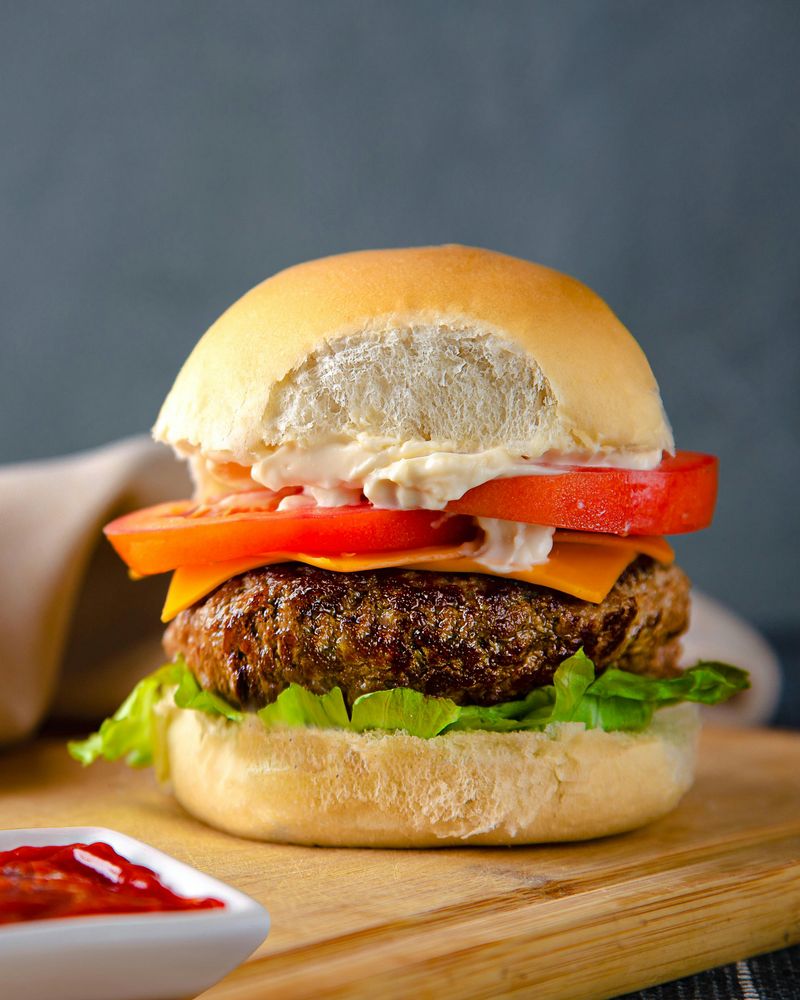
Fast-food burgers pale in comparison to homemade versions made with quality ground beef and fresh toppings.
A pound of good beef costs around five dollars and makes four substantial patties.
You season the meat exactly how you like it, whether that means simple salt and pepper or a blend of spices.
Toasting buns in a skillet with butter creates a texture that drive-through bags never deliver.
Fresh lettuce, ripe tomatoes, crisp pickles, and real cheese elevate every bite beyond what chains offer.
Grilling outdoors adds smoky flavor that makes the experience even better.
Homemade burgers let you experiment with different cheeses, special sauces, and creative toppings like caramelized onions or avocado.
The cost per burger drops to about two dollars, while fast-food versions keep climbing in price and shrinking in size.
4. Stir-Fry
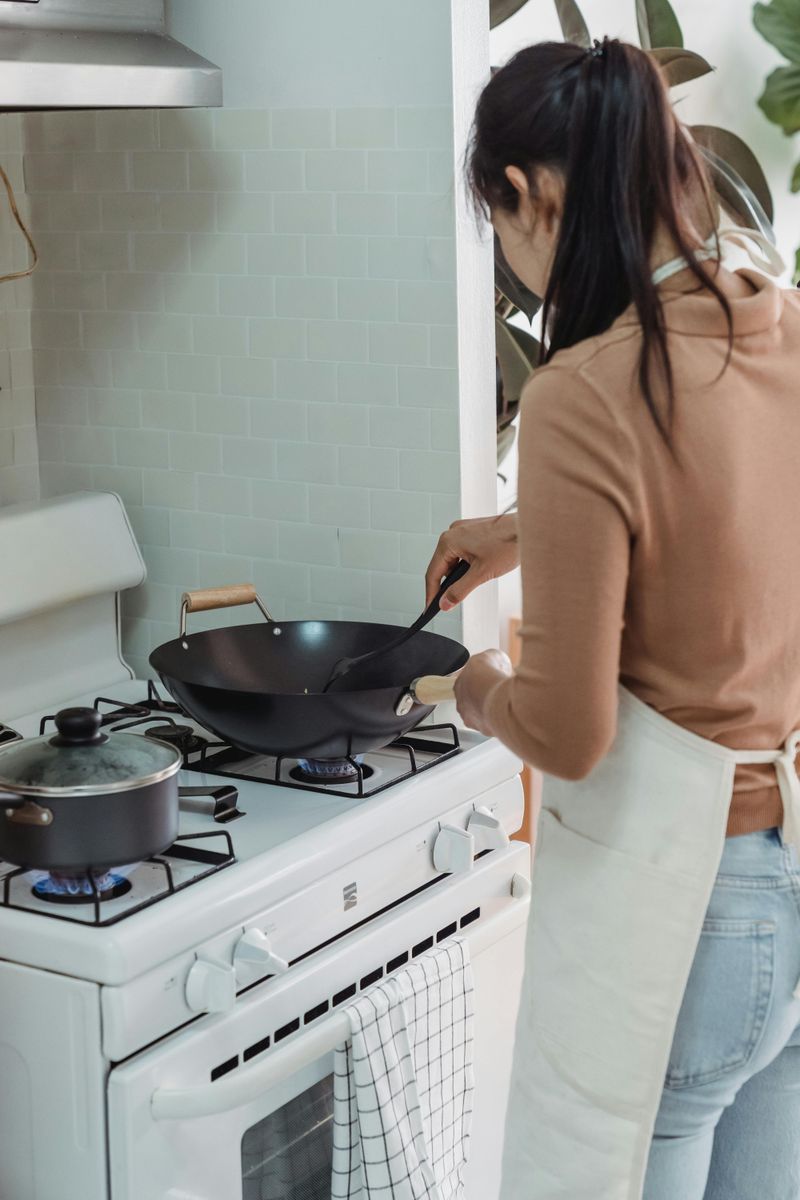
Takeout stir-fry often arrives greasy and oversalted, with vegetables that have lost their crunch during delivery.
Making stir-fry at home takes fifteen minutes and costs a fraction of restaurant prices.
A bag of frozen mixed vegetables, some protein, and a bottle of soy sauce create countless meal combinations.
High heat in your own wok or large skillet produces that restaurant-style sear while keeping vegetables crisp and colorful.
You control the amount of oil and sodium, making the dish healthier without sacrificing flavor.
Leftover rice from another meal becomes the perfect base.
Experimenting with different sauces like teriyaki, sweet and sour, or garlic ginger keeps meals interesting throughout the week.
One chicken breast and a handful of vegetables easily serve two people for under five dollars total.
Cleanup involves just one pan and a cutting board.
5. Tacos
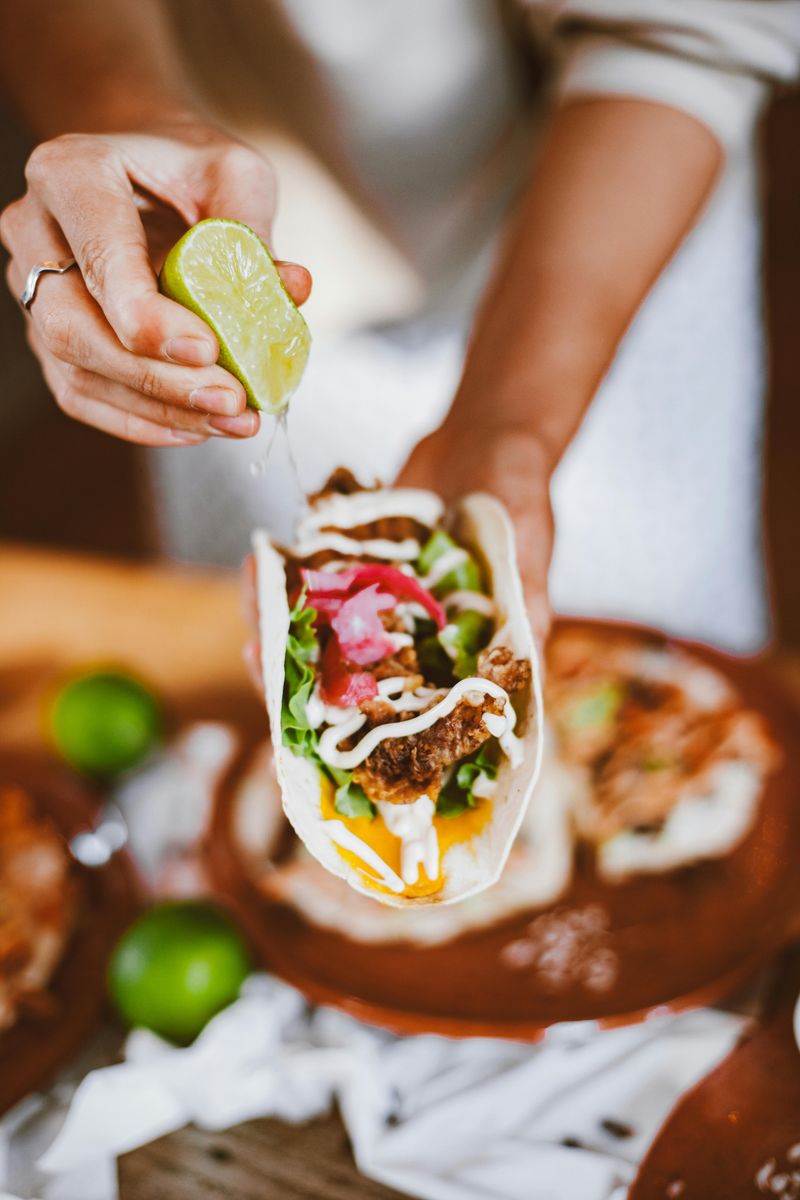
Taco night at home brings restaurant-quality flavors for a fraction of the cost.
Ground beef or shredded chicken seasons beautifully with cumin, chili powder, and garlic.
Warming tortillas on a skillet makes them pliable and adds a slight char that packaged versions lack straight from the bag.
Setting up a taco bar with various toppings turns dinner into an interactive experience everyone enjoys.
Fresh cilantro, diced onions, lime wedges, and homemade salsa brighten each bite with authentic flavors.
Restaurant tacos often skimp on fillings, but homemade versions let you pile on as much as you want.
A pound of meat and a package of tortillas costs around eight dollars and feeds a family of four with leftovers.
Kids love building their own tacos with their favorite toppings.
The entire meal comes together in under twenty minutes from start to finish.
6. Soups
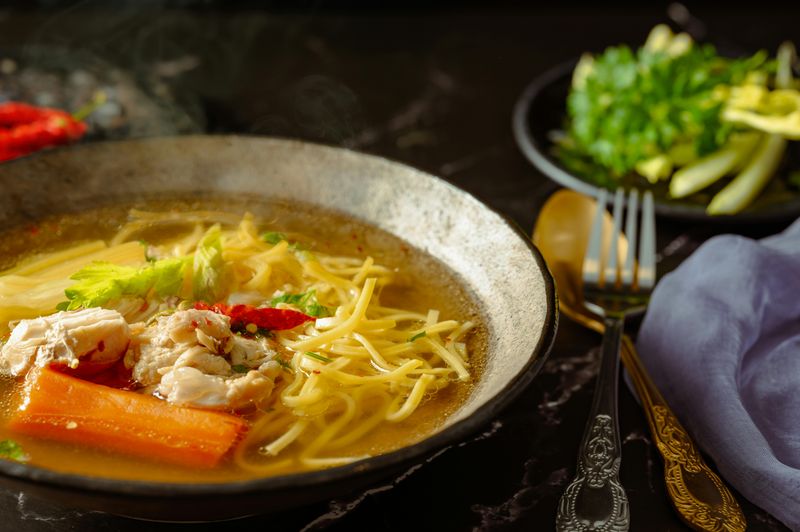
Few things comfort like a bowl of homemade soup, and the cost savings compared to restaurant versions are remarkable.
Chicken noodle soup starts with a whole chicken or leftover bones, vegetables, and noodles for under ten dollars total.
The result feeds a family multiple meals and freezes beautifully for later.
Restaurant soups often taste watered down or overly salty, but homemade versions develop deep flavors through slow simmering.
Tomato soup made from canned tomatoes, cream, and basil costs pennies per serving and tastes infinitely better than condensed versions.
You control every ingredient, making adjustments for dietary needs or preferences.
A large pot of soup provides lunches for the entire week at a fraction of what buying individual servings would cost.
The aroma filling your kitchen while soup simmers cannot be purchased at any price.
Leftovers taste even better the next day.
7. Salads
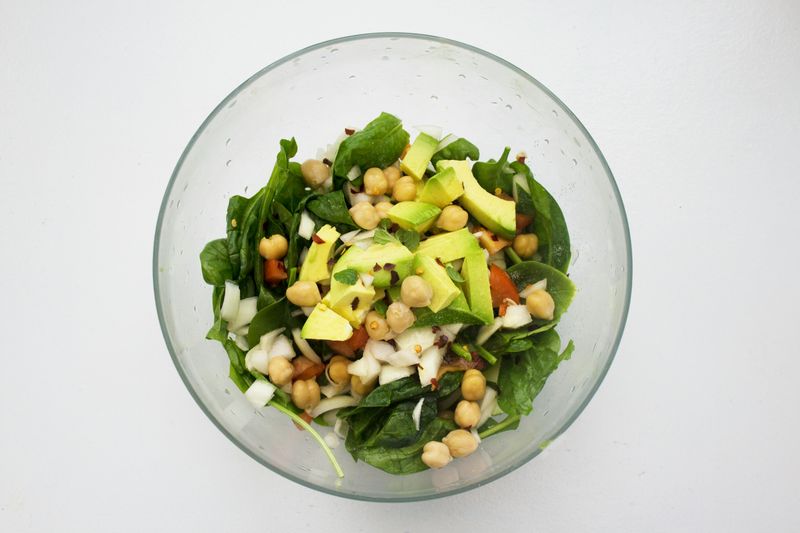
Restaurant salads charge premium prices for what amounts to a handful of greens and basic toppings.
A head of lettuce costs two dollars and makes several large salads at home.
Adding cherry tomatoes, cucumbers, carrots, and your choice of protein creates a satisfying meal for a fraction of restaurant prices.
Homemade dressings take two minutes to whisk together and taste far superior to bottled versions loaded with preservatives.
Olive oil, vinegar, mustard, and honey create endless variations that keep salads interesting.
You decide how much dressing to use instead of receiving a soggy mess from a restaurant.
Fresh ingredients from your own kitchen stay crisp and vibrant, unlike wilted restaurant salads that sit under heat lamps.
Building your own salad means every ingredient appeals to your taste preferences.
The cost per serving drops to under three dollars with far better quality.
8. Breakfast Sandwiches
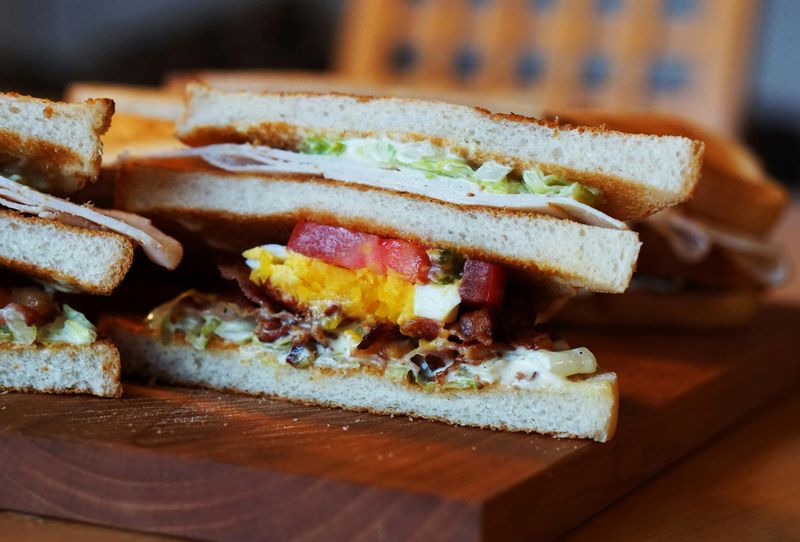
Coffee shop breakfast sandwiches cost six dollars or more for eggs, cheese, and bread that you can make at home for under a dollar.
Scrambling an egg takes two minutes, and melting cheese on an English muffin requires no special skills.
The savings add up quickly when you consider how often people grab breakfast on the go.
Homemade versions taste fresher because you cook everything to order instead of reheating pre-made components.
Adding bacon, sausage, or avocado costs pennies more but dramatically improves the meal.
You control the doneness of the egg and the amount of cheese.
Making a batch of breakfast sandwiches on Sunday and freezing them provides quick grab-and-go options all week.
The quality surpasses anything from a drive-through window.
Your morning routine becomes easier and your wallet stays fuller with this simple switch.
9. Fried Rice
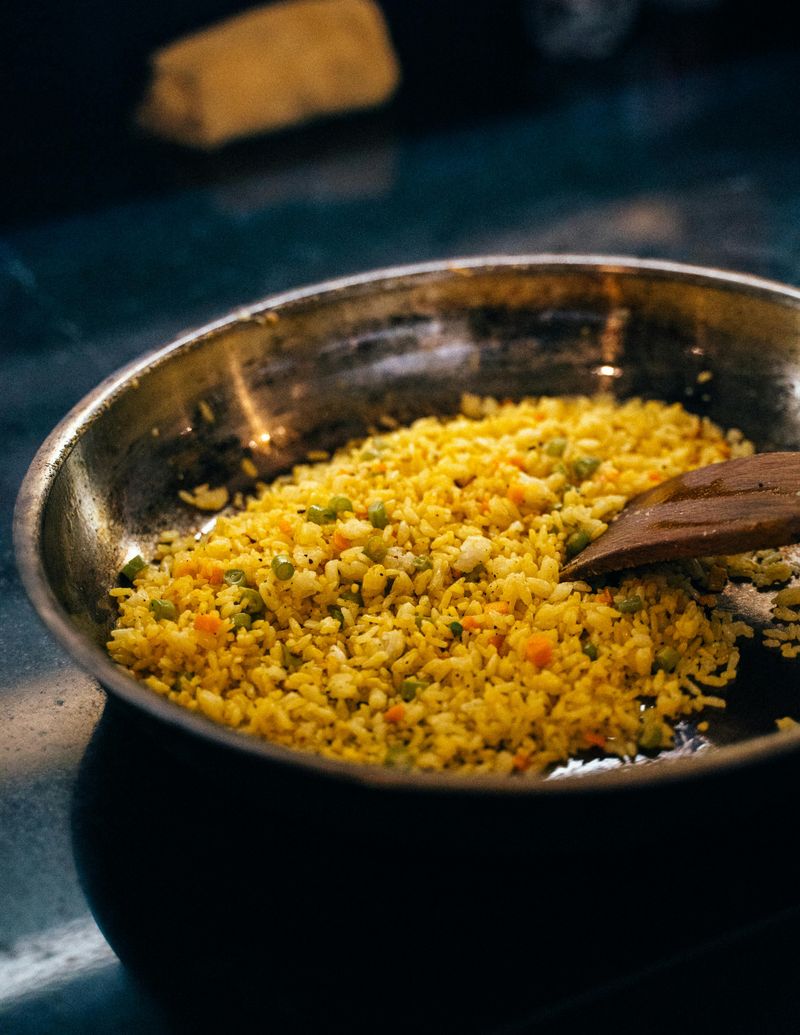
Leftover rice transforms into restaurant-quality fried rice in less than ten minutes at home.
Day-old rice works better than fresh because the grains separate easily and fry up perfectly crispy.
Scrambling an egg in the pan, adding vegetables, and tossing everything with soy sauce creates a complete meal from ingredients you already have.
Takeout fried rice often arrives greasy and bland, but homemade versions let you control the oil and seasonings.
Adding frozen peas, carrots, and green onions brings color and nutrition without extra cost.
Leftover chicken, shrimp, or pork turn the dish into a protein-packed dinner.
The entire meal costs less than three dollars per serving while takeout charges ten dollars or more for similar portions.
Using up leftover rice prevents food waste and saves money simultaneously.
High heat and constant stirring create that signature restaurant texture everyone loves.
10. Mac and Cheese
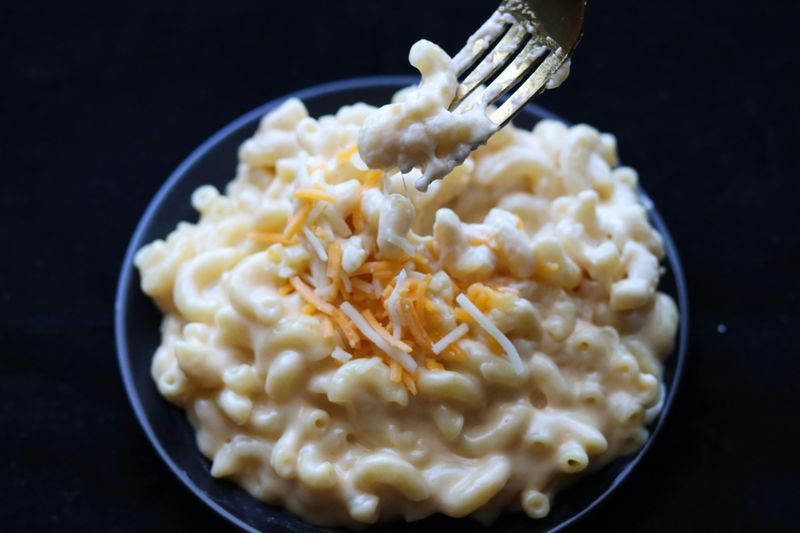
Boxed mac and cheese cannot compete with the real thing made from actual cheese and pasta.
Melting sharp cheddar into a simple butter and flour roux creates a sauce that clings to every noodle.
The cost difference between boxed and homemade versions is minimal, but the taste improvement is dramatic.
Restaurant mac and cheese charges premium prices for what you can make at home in twenty minutes.
Adding breadcrumbs on top and baking the dish creates a crispy crust that elevates the entire experience.
Kids who claim they only like the boxed version change their minds after one bite of the real deal.
Using quality cheese makes all the difference in flavor and texture.
A pound of pasta and a block of cheese cost around six dollars and feed four people generously.
Leftovers reheat well and taste just as good the next day for lunch.
11. Roast Chicken
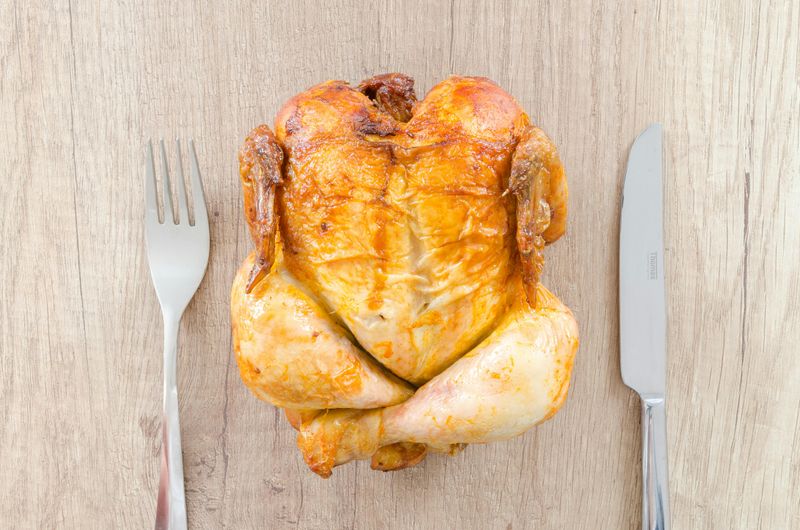
A whole chicken from the grocery store costs less per pound than store-bought rotisserie versions and tastes significantly better when roasted at home.
Seasoning the bird with salt, pepper, and herbs before roasting creates crispy skin and juicy meat.
The house fills with an incredible aroma that makes everyone hungry before dinner even hits the table.
Store-bought rotisserie chickens sit under heat lamps for hours, drying out the meat and making the skin rubbery.
Homemade versions come out of the oven perfectly cooked with meat that falls off the bone.
Leftover chicken provides sandwich meat, soup ingredients, and taco fillings for days afterward.
Roasting a chicken takes minimal effort but delivers maximum flavor and value.
The bones make excellent stock for future soups.
One five-dollar chicken easily feeds a family dinner plus provides leftovers, making it one of the most economical meals possible.
12. Sandwiches and Wraps
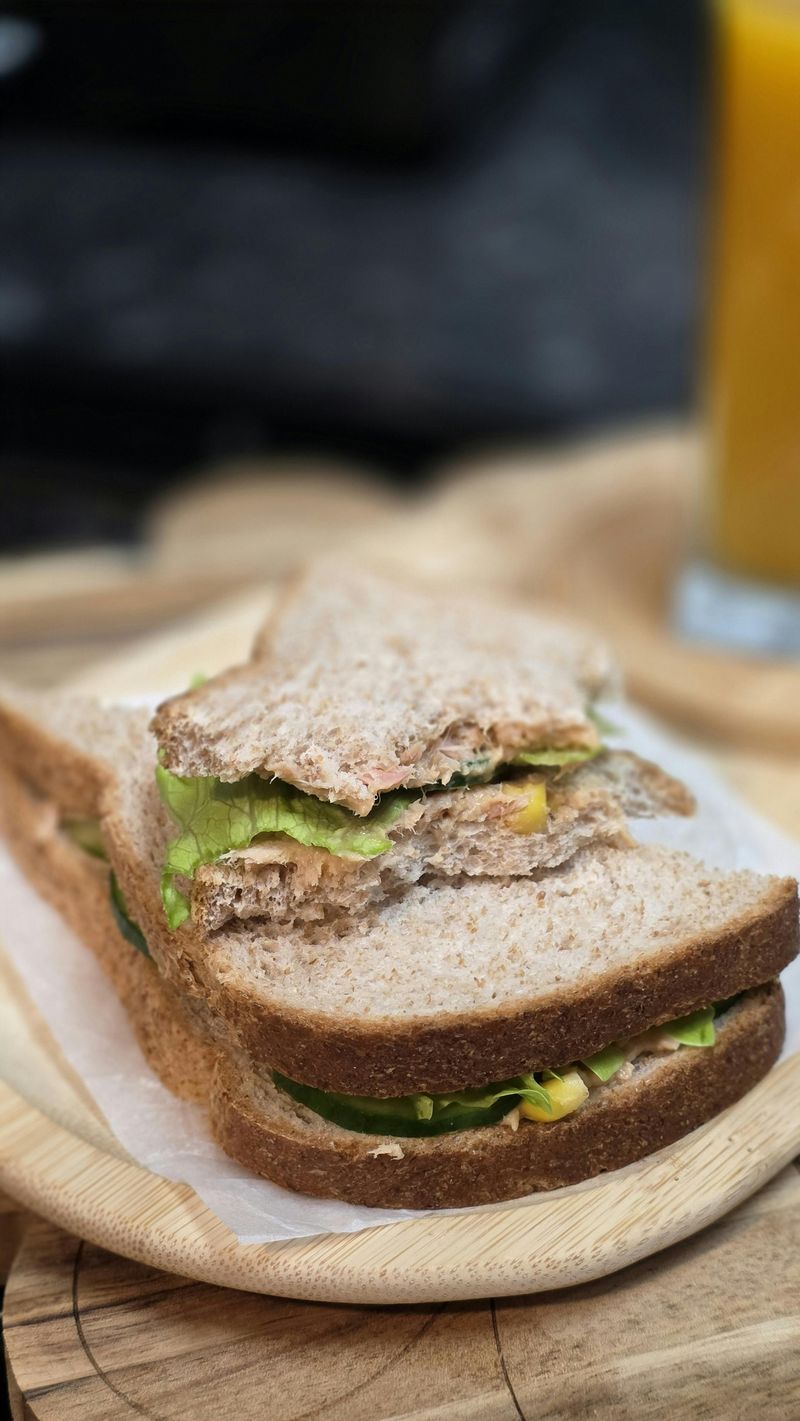
Deli sandwiches and wraps charge outrageous prices for ingredients you can buy cheaper and assemble better at home.
A loaf of quality bread costs three dollars and makes a week’s worth of sandwiches.
Slicing your own deli meat or roasting chicken breasts provides fresher, higher-quality protein than pre-packaged options.
Building sandwiches at home means you pile on as much meat, cheese, and vegetables as you want without paying extra for each addition.
Fresh lettuce, ripe tomatoes, and crisp pickles taste better than the wilted versions restaurants use.
Spreading your favorite condiments exactly how you like them makes every bite perfect.
Wraps work beautifully for using up leftover proteins and vegetables from other meals.
The cost per sandwich drops to around two dollars while deli versions easily cost eight dollars or more.
Making lunch at home saves hundreds of dollars monthly for people who typically buy lunch daily.
13. Smoothie Bowls
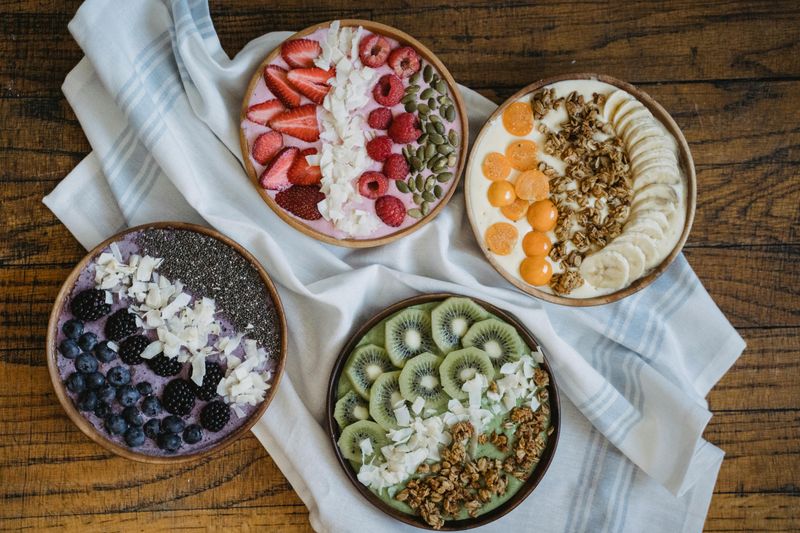
Trendy cafes charge twelve dollars or more for smoothie bowls that cost less than three dollars to make at home.
Frozen fruit, yogurt, and a splash of milk blend into a thick, creamy base in minutes.
Topping the bowl with granola, fresh berries, and coconut creates an Instagram-worthy breakfast for a fraction of restaurant prices.
Restaurant versions often contain excessive sugar and smaller portions than what you can make yourself.
Controlling the ingredients means you decide exactly how sweet the bowl tastes and what toppings to include.
Buying frozen fruit in bulk keeps costs down while ensuring you always have smoothie bowl ingredients available.
A quality blender makes the process effortless, and cleanup involves rinsing one container.
Kids love choosing their own toppings and eating breakfast that feels like dessert.
The nutritional value far exceeds what overpriced cafe versions offer, with no hidden sugars or additives.
14. Baked Goods (Cookies, Muffins, Banana Bread)
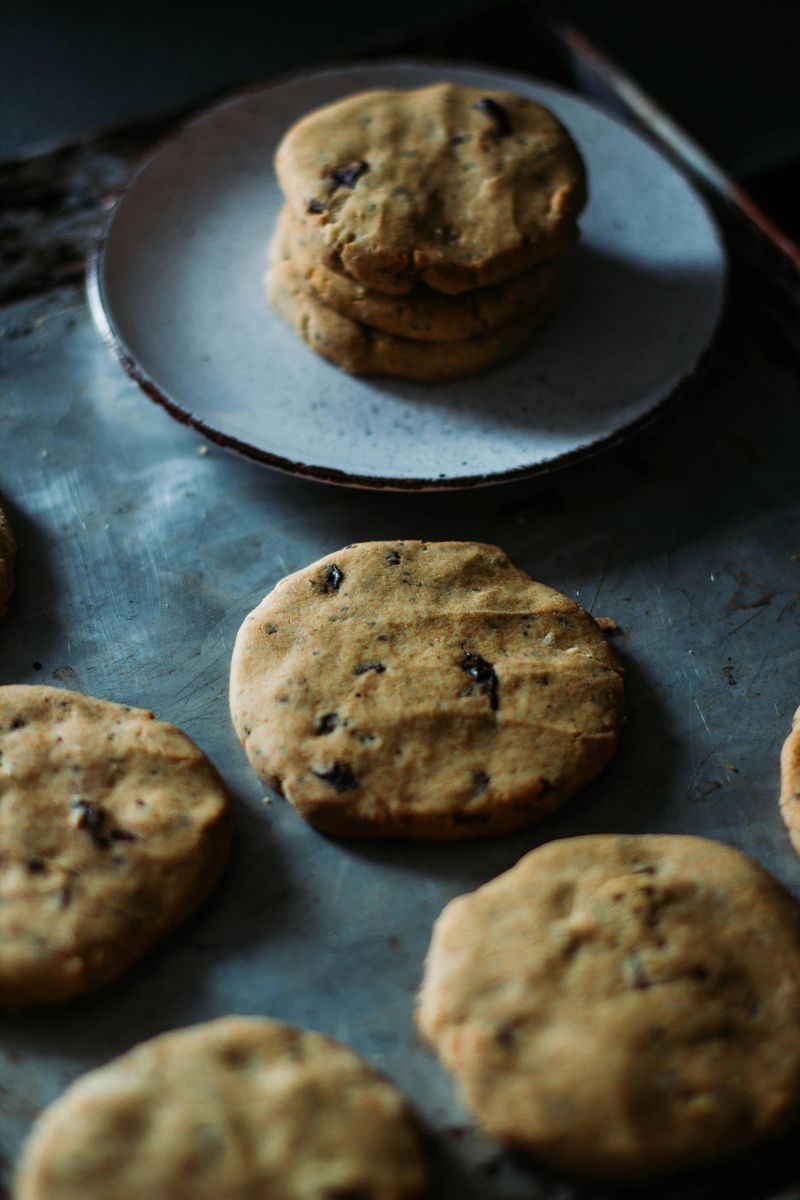
Bakery cookies cost three dollars each for what you can make at home for pennies.
Basic ingredients like flour, sugar, butter, and eggs create dozens of cookies, muffins, or a loaf of banana bread.
The smell of fresh-baked goods filling your kitchen creates a cozy atmosphere no store-bought item can replicate.
Homemade baked goods taste better because they come out of the oven warm and contain no preservatives or artificial ingredients.
Overripe bananas that might otherwise go to waste become delicious banana bread.
Muffins bake in batches that provide breakfast for the entire week at minimal cost.
Baking with kids creates memories while teaching valuable kitchen skills.
Freezing extra cookies or muffins means you always have homemade treats available.
The satisfaction of creating something delicious from scratch beats buying mass-produced bakery items every single time, both in taste and value.