 MomSkoop

Your bedroom should be a peaceful retreat where stress melts away and sleep comes easily. Small changes in how you decorate can transform your space from chaotic to calming.
Whether you struggle to unwind at night or just want a more serene environment, simple adjustments to colors, lighting, and furniture placement can make a world of difference. Here are seven practical décor changes that will help you create the restful bedroom you deserve.
1. Switch to Soft, Neutral Colors
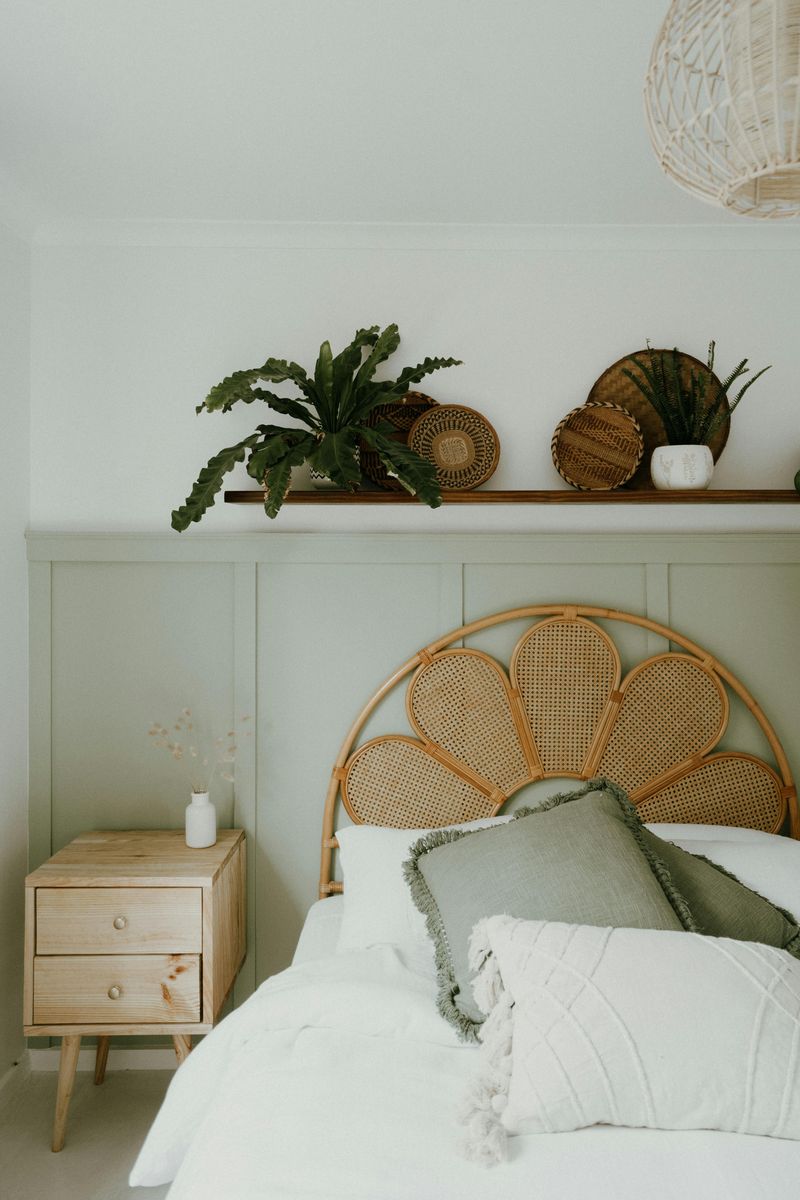
Painting your walls in gentle shades like beige, soft gray, or pale blue can instantly make your bedroom feel more peaceful.
Bright, bold colors might energize you during the day, but they can keep your mind too active when you’re trying to sleep.
Neutral tones create a soothing backdrop that helps your brain recognize it’s time to relax.
You don’t need to repaint everything at once—start with one accent wall or switch out colorful bedding for calmer alternatives.
Even small pops of muted green or lavender can add tranquility without overwhelming your senses.
The goal is creating a visual environment that whispers calm rather than shouts excitement.
2. Add Blackout Curtains or Blinds

Darkness signals your body that it’s time to produce melatonin, the hormone that makes you sleepy.
Installing blackout curtains blocks outside light from streetlamps, car headlights, and early morning sun that can disrupt your rest.
These window treatments are especially helpful if you work night shifts or live in a city with lots of light pollution.
Beyond improving sleep quality, blackout curtains also muffle outside noise and help regulate room temperature by blocking drafts.
Choose curtains in colors that match your neutral palette to keep the restful vibe consistent.
You’ll notice the difference immediately when you wake up naturally instead of being jolted awake by bright light.
3. Incorporate Soft, Warm Lighting

Harsh overhead lights can make your bedroom feel more like a hospital than a sanctuary.
Swap out bright white bulbs for warm-toned ones that emit a gentle, amber glow similar to candlelight.
Adding bedside lamps with dimmers gives you control over the brightness level as bedtime approaches.
String lights or salt lamps can provide just enough illumination for nighttime trips to the bathroom without shocking your system awake.
The science backs this up: warm lighting helps your body prepare for sleep by not suppressing melatonin production like blue-toned light does.
Create layers of light at different heights to add depth and coziness to your space.
4. Minimize Clutter and Decorations
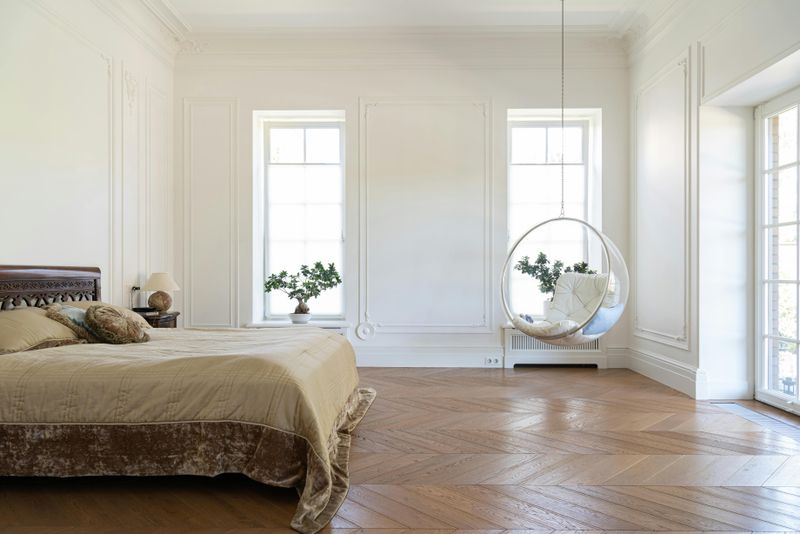
A messy room creates a messy mind, making it harder to relax when you climb into bed.
Visual clutter—piles of clothes, stacks of books, random knickknacks—keeps your brain in active mode instead of rest mode.
Start by removing items that don’t belong in the bedroom, like work papers or exercise equipment.
Keep surfaces mostly clear, displaying only a few meaningful items rather than collections that gather dust.
Storage solutions like under-bed boxes or closed cabinets hide necessary items while maintaining clean lines.
When your bedroom looks tidy and organized, your mind can finally settle down at the end of a long day.
5. Choose Natural, Breathable Bedding

Waking up sweaty or tangled in scratchy sheets ruins even the best bedroom décor.
Natural fabrics like cotton, linen, or bamboo allow air to circulate and regulate your body temperature throughout the night.
These materials feel softer against your skin and get even more comfortable with each wash.
Synthetic fabrics might be cheaper, but they trap heat and moisture, leading to uncomfortable sleep and frequent wake-ups.
Stick with neutral or pastel colors for your bedding to maintain that calming visual effect.
Investing in quality sheets, pillowcases, and duvet covers pays off every single night when you sink into genuine comfort.
6. Bring in Calming Plants
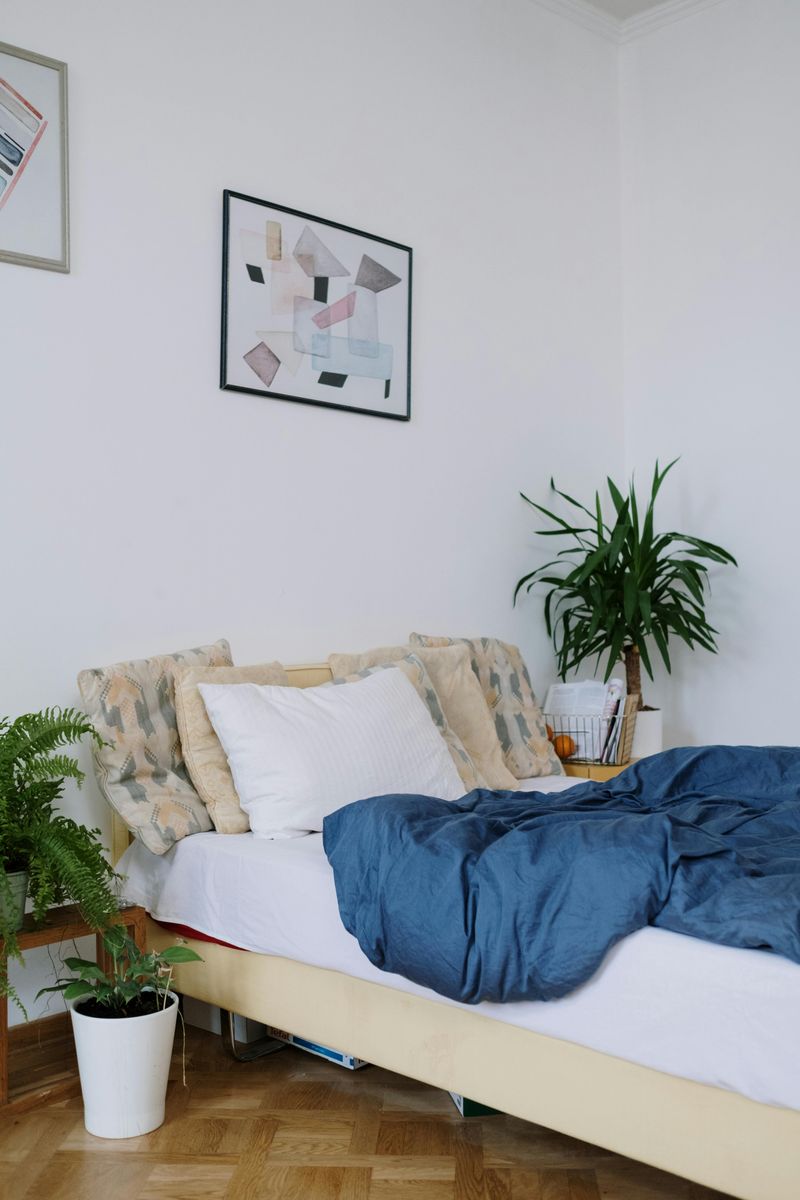
Did you know certain plants can actually improve air quality while adding life to your bedroom?
Snake plants, peace lilies, and lavender release oxygen at night and filter out toxins that might be lingering in your space.
The presence of greenery has been shown to lower stress levels and create a connection to nature, even indoors.
Choose low-maintenance varieties if you’re worried about adding another chore to your routine.
Place them on a nightstand, dresser, or hanging planter to add visual interest without taking up floor space.
The gentle, organic shapes of plants soften hard edges in your room and contribute to that spa-like atmosphere you’re aiming for.
7. Remove Electronics and Screens

Televisions, laptops, and phones emit blue light that tricks your brain into thinking it’s still daytime.
Creating a screen-free bedroom helps establish a clear boundary between work or entertainment and rest.
If you use your phone as an alarm, place it across the room so you’re not tempted to scroll before bed.
Replace screen time with calming activities like reading a physical book or practicing light stretches.
The constant notifications and glowing screens create subtle stress that prevents deep, restorative sleep.
When your bedroom becomes a technology-free zone, your mind learns to associate the space exclusively with relaxation and sleep, making it easier to drift off naturally.