 MomSkoop

Most marriages don’t end overnight. Long before a woman actually decides to leave her husband, there are often emotional shifts, quiet changes in behavior, and subtle signs that something deeper is happening beneath the surface. Sometimes it’s about growing resentment, emotional exhaustion, or realizing the relationship no longer feels fulfilling.
While every situation is different, many women who are preparing to walk away begin acting differently in ways their partner may not immediately notice. Here are 15 things women often do when they’re getting ready to leave their husband.
1. Emotional Distance Grows Before Physical Separation

Long before packing a single bag, many women pull away emotionally from their husbands.
This shift often happens gradually, like a slow tide retreating from the shore.
Conversations that once felt meaningful now feel shallow or forced.
She may stop sharing her worries, dreams, or even simple updates about her day.
This emotional withdrawal is a form of self-protection.
When a woman no longer feels safe or valued in the relationship, she begins to guard her heart.
You might notice she seems distracted or uninterested during conversations.
Her mind is already somewhere else, planning a future that doesn’t include the marriage as it currently exists.
2. Watching More, Participating Less

A woman preparing to leave often becomes a quiet observer in her own home.
She watches interactions unfold without jumping in to fix, argue, or engage like she used to.
Family discussions happen around her, but she contributes less and less.
It’s as if she’s stepping back from a play she no longer wants to perform in.
This detachment isn’t laziness or indifference.
It’s a sign she’s mentally and emotionally checking out of the relationship.
She might attend events or gatherings but seem physically present yet mentally absent.
Her energy is being saved for the difficult transition ahead, not invested in maintaining what feels broken.
3. Silence Replaces Explanations

There’s a shift that happens when a woman stops trying to make her husband understand her feelings.
Arguments that once lasted hours now end in quiet resignation.
She used to explain why something hurt her or why she felt upset.
Now, she simply lets things go without a word.
This silence doesn’t mean peace has been achieved.
Instead, it signals that she’s given up hope that her words will lead to change.
When someone stops fighting for understanding, it often means they’ve already decided the relationship isn’t worth the emotional energy anymore.
Silence becomes her shield against disappointment.
4. Self-Compassion Becomes a Priority

Women on the verge of leaving often start treating themselves with more kindness than they have in years.
They stop blaming themselves for every problem in the marriage.
She might start journaling, seeing a therapist, or simply allowing herself to acknowledge that her feelings are valid.
This self-compassion is a powerful shift.
For so long, she may have internalized criticism or tried to be the perfect partner.
Now, she’s learning to forgive herself for being human.
This change is crucial because leaving a marriage requires courage and self-worth.
By nurturing compassion for herself, she builds the strength needed to take the next step.
5. Taking Charge of Everyday Tasks

Suddenly, she’s handling bills, home repairs, and other responsibilities she might have shared or relied on him for.
This shift toward independence is deliberate.
She’s preparing herself for life without him, learning skills and routines that will serve her when she’s on her own.
It’s practical preparation disguised as everyday life.
Friends or family might notice she’s become more self-sufficient.
She’s no longer asking for help with things she used to depend on her husband for.
This newfound practicality is empowering.
Each task she masters is another step toward confidence in her ability to manage life independently.
6. Keeping Plans and Thoughts Private

Where she once shared her ideas, goals, and daily plans freely, now she keeps them to herself.
Her inner world becomes a locked room he no longer has access to.
She might make decisions about her future—career moves, personal goals, or even weekend plans—without mentioning them.
This secrecy is protective.
Sharing her thoughts feels risky when she’s planning to leave.
She doesn’t want judgment, interference, or attempts to change her mind.
This withdrawal of information creates a quiet distance.
He might sense something’s different but can’t quite put his finger on what has changed between them.
7. Reconnecting with Forgotten Hobbies

She dusts off old hobbies she gave up during the marriage—painting, running, reading, or spending time with friends she lost touch with.
These activities bring her joy again.
Reconnecting with passions she abandoned is more than just filling time.
It’s about rediscovering who she is outside of being a wife.
Her husband might notice she’s busier, happier even, doing things that don’t involve him.
This independence is a sign she’s building a life separate from their shared one.
These activities give her a sense of identity and fulfillment that the marriage no longer provides, fueling her confidence to move forward.
8. Affection and Intimacy Fade Away

Physical and emotional closeness decreases noticeably.
She might avoid hugs, kisses, or intimate moments that once came naturally.
This isn’t about being cold or cruel.
When a woman is emotionally preparing to leave, maintaining closeness feels dishonest or painful.
She may sleep on the far side of the bed or find reasons to be in different rooms.
The physical distance mirrors the emotional gap that’s grown between them.
For her, reducing closeness is a way of protecting herself from the hurt of staying connected to someone she’s planning to leave behind.
9. Making Choices Without Consultation

Decisions that used to be made together are now made alone.
She might book a trip, change her work schedule, or make purchases without asking his opinion.
This independence signals a shift in how she views the relationship.
She no longer sees their lives as fully intertwined.
He might feel surprised or even hurt when he discovers plans she made without him.
But for her, it’s practice for the autonomy she’ll have once she’s gone.
Each solo decision reinforces her ability to trust herself and her judgment, building the confidence she needs to take the final step of leaving.
10. Getting Important Papers in Order
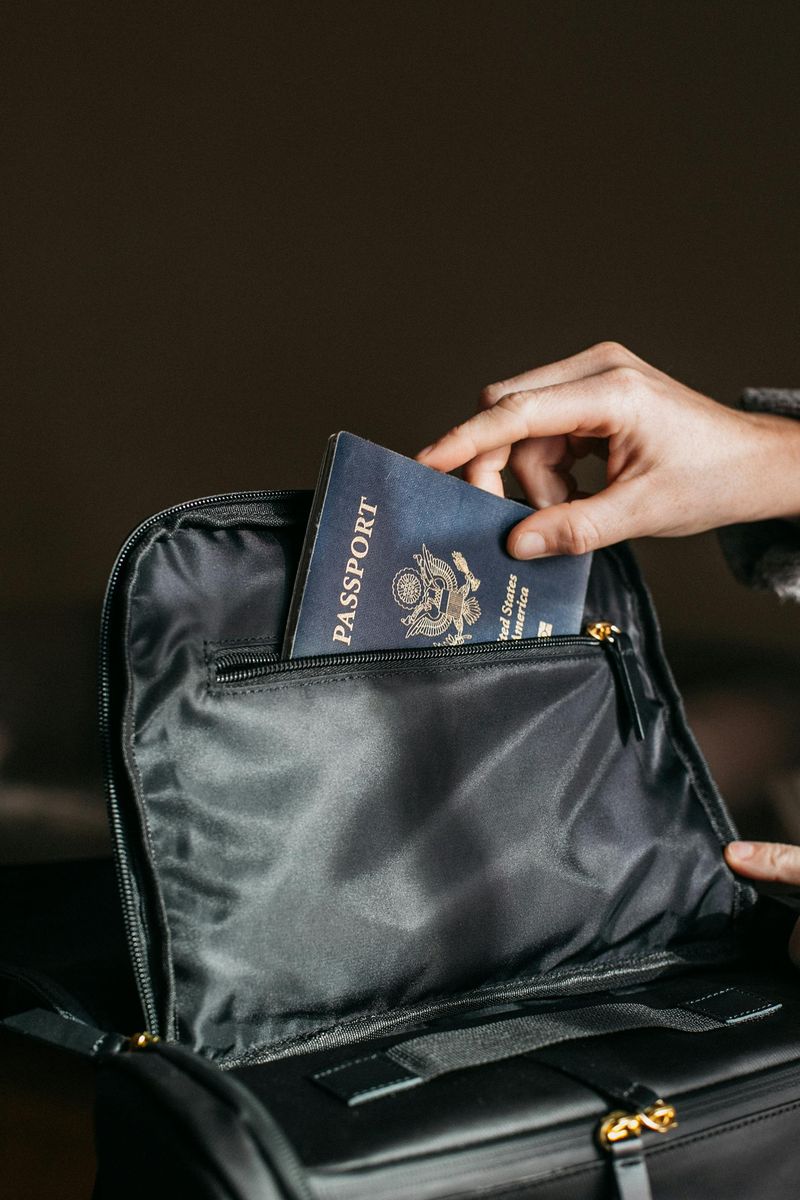
She starts organizing birth certificates, financial records, passports, and other important documents.
This isn’t spring cleaning—it’s strategic preparation.
Having her paperwork in order makes the transition smoother when she’s ready to leave.
She might open her own bank account or gather information about assets.
This practical step shows she’s thinking ahead and planning carefully.
It’s a sign that leaving isn’t just an emotional decision but a well-thought-out plan.
She might also collect personal belongings quietly—photos, heirlooms, or sentimental items—to ensure nothing important is left behind when the time comes.
11. Building a Financial Safety Net

Quietly, she begins setting aside money in an account he doesn’t know about.
Even small amounts add up over time.
Financial independence is critical for leaving safely and confidently.
She might cut back on personal spending or find creative ways to save without raising suspicion.
This secret fund represents freedom and security.
It’s her escape plan, her safety net, and her ticket to starting fresh.
She knows that leaving without financial resources can trap her in an unhappy situation, so she takes control of her financial future one deposit at a time.
12. A New Sense of Calm Settles In

Once the decision to leave is made internally, many women experience an unexpected peace.
The constant turmoil and indecision fade away.
She might seem more relaxed or less reactive to conflicts.
This calmness can be confusing to her husband, who may think things are improving.
In reality, she’s found clarity.
The hardest part—deciding to leave—is behind her, and now she’s simply waiting for the right moment.
This quiet confidence is powerful.
It’s the stillness that comes from knowing exactly what needs to happen next, even if it’s difficult.
13. Establishing Firm Personal Boundaries

She starts saying no to things she used to tolerate.
Disrespectful behavior, unreasonable demands, or invasions of her privacy are no longer acceptable.
Setting boundaries is a sign of self-respect returning.
She’s reclaiming her voice and her right to be treated with dignity.
Her husband might be shocked or resistant to these new limits.
But for her, boundaries are essential to protecting herself during this transition.
Each boundary she sets reinforces her sense of worth and prepares her emotionally for the independence that comes with leaving the marriage behind.
14. Future Talk Begins to Disappear

One subtle shift happens when she stops speaking in terms of “we” and starts thinking only about what comes next for her.
Trips, holidays, and long range plans no longer feel comforting, because deep down she is no longer sure she wants to be there.
She may nod through conversations about next summer or future renovations without adding much.
It is not always coldness or cruelty.
Sometimes it is the quiet sadness of someone who cannot keep pretending the shared future still feels real.
Even practical questions about schools, moves, or retirement start hanging unanswered in the air.
15. Trusted Confidants Start Hearing More

Before a marriage ends in public, it often ends in whispers shared with a sister, close friend, or therapist.
She begins speaking out loud about things she has carried silently for years, testing whether her pain sounds as serious outside her own head.
Those conversations can feel small at first, almost casual.
Yet they often mark an important turning point.
When someone else finally hears the full weight of her loneliness, disappointment, or exhaustion, leaving starts to feel less like an impossible thought and more like a decision she may actually survive.
With support beside her instead of shame.