 MomSkoop

A man’s home can tell you more about his well-being than words ever could. When life starts to unravel, the living space often shows the first signs of struggle.
From piles of unwashed dishes to unopened mail stacking up, these visible clues can reveal emotional distress, burnout, or deeper challenges that deserve attention and compassion.
1. Persistent Disorder Beyond Normal Mess

Clutter happens to everyone during busy weeks, but chronic chaos tells a different story.
When trash overflows, clothes pile in corners, and surfaces disappear under layers of stuff, something deeper might be happening.
This level of disorder often signals emotional overwhelm or depression rather than simple laziness.
People struggling with mental health often lose the energy to maintain basic order.
The mess becomes a physical representation of internal chaos.
What looks like carelessness from the outside may actually be a silent cry for help.
Recognizing this pattern matters because it opens doors to compassion.
Instead of judgment, understanding that persistent disorder can reflect genuine struggle helps friends and family offer meaningful support during difficult times.
2. Unmade or Neglected Bed for Long Periods
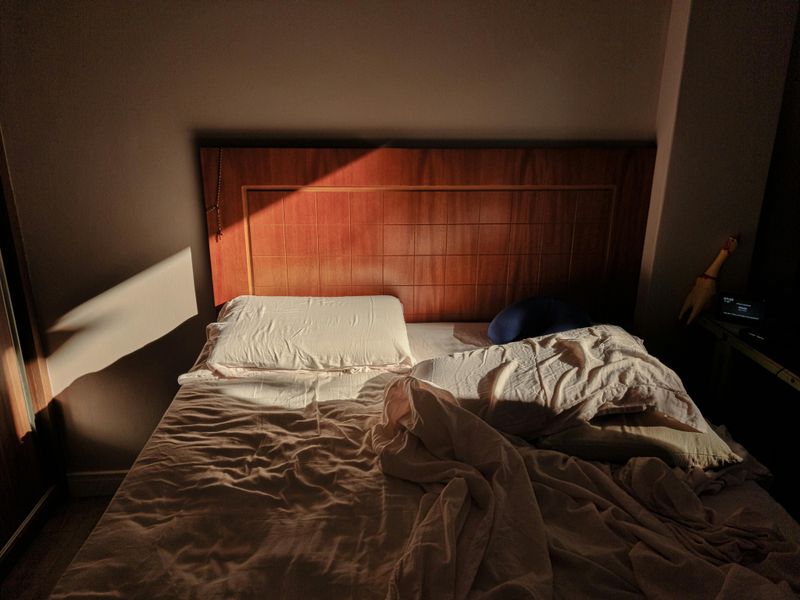
Making the bed seems like a tiny task, yet it anchors the day with accomplishment and structure.
When sheets stay tangled for days or weeks, it often reveals disrupted routines and fading motivation.
This small neglect can mirror larger patterns of disconnection from daily life.
An unmade bed over extended periods frequently accompanies depression or burnout.
The energy required for this simple act feels insurmountable when emotional reserves run empty.
It becomes easier to collapse into the chaos than to create order.
Noticing this change in someone matters tremendously.
A bed left unmade indefinitely can be an early warning sign that deserves gentle conversation.
Sometimes the smallest observations lead to the most important support during someone’s darkest moments.
3. Empty or Bare Refrigerator

Opening the fridge should reveal nourishment and care, but an empty or nearly bare interior tells another story entirely.
When only condiments and expired items remain, it signals poor self-care or financial hardship.
Relying constantly on takeout or skipping meals altogether reflects disengagement from basic needs.
Grocery shopping requires planning, energy, and hope for tomorrow.
When someone stops stocking their kitchen, they may have stopped investing in their future.
This abandonment of routine self-nourishment often accompanies deeper struggles with motivation or purpose.
Financial strain can also empty refrigerators, creating a cycle of stress and poor nutrition.
Whatever the cause, a barren fridge deserves attention as a potential indicator that someone needs support, resources, or simply someone who cares enough to notice.
4. Unwashed Dishes and Laundry Piling Up

Dishes stacked in the sink and laundry mountains growing in corners reveal more than just postponed chores.
When these basic maintenance tasks get consistently avoided, mental fatigue often lies beneath the surface.
The energy to complete simple cycles feels impossible when emotional reserves drain completely.
Each unwashed plate or dirty shirt represents a small decision deferred.
Over time, these accumulate into overwhelming evidence of struggle.
What starts as one busy day becomes weeks of avoidance, creating a visible manifestation of internal paralysis.
People battling depression or anxiety frequently describe feeling defeated before they even start these tasks.
The pile becomes a monument to futility rather than just laundry.
Recognizing this pattern helps friends understand that offering practical help with these tasks can provide genuine relief during tough times.
5. Damaged or Broken Items Left Unrepaired
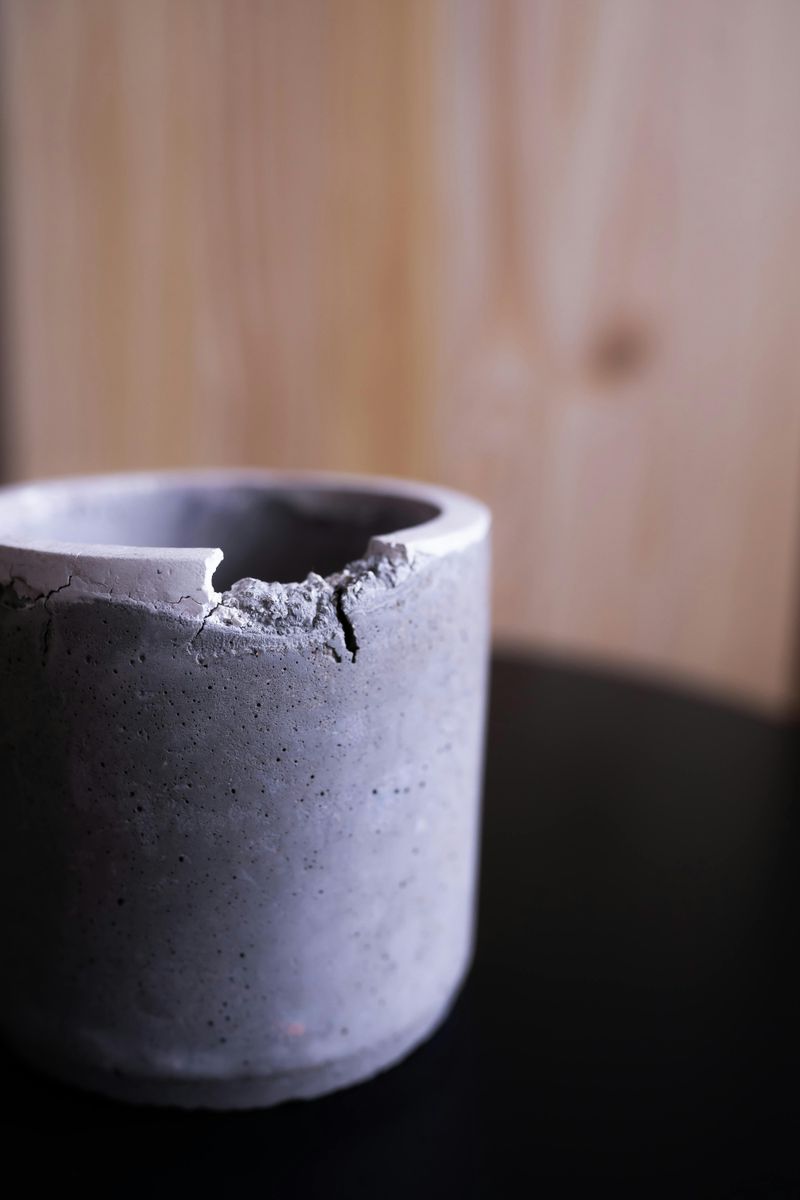
A broken chair, cracked mirror, or malfunctioning appliance left untouched for months speaks volumes about internal state.
Most people naturally fix or replace things that matter to them.
When repairs get indefinitely postponed, it often indicates apathy, resignation, or depleted problem-solving energy.
Fixing things requires believing the effort matters and that tomorrow deserves preparation.
When someone stops caring about their immediate environment, broken items become background scenery.
This acceptance of disrepair can mirror how they feel about themselves.
The shift from fixing to ignoring problems represents a significant change in engagement with life.
Someone who once took pride in their space but now tolerates dysfunction may be experiencing deep discouragement.
Noticing this decline offers an opportunity to check in meaningfully.
6. Excessive Alcohol or Substance Paraphernalia

Empty bottles lining counters or frequent evidence of substance use can signal unhealthy coping mechanisms replacing better stress management.
Everyone deserves relaxation, but visible excess often indicates someone is self-medicating rather than addressing underlying pain.
This pattern deserves compassionate attention rather than harsh judgment.
When substances become the primary tool for managing emotions, living spaces start to reflect that dependency.
The accumulation of bottles or related items creates physical evidence of internal struggle.
What begins as occasional relief can evolve into a concerning pattern.
Recognizing this sign requires sensitivity and care.
Approaching someone about substance concerns demands thoughtfulness, but ignoring obvious signs helps no one.
Offering support, resources, or simply expressing concern can make a meaningful difference for someone struggling alone.
7. Poor Lighting and Closed Curtains at All Hours

Natural light energizes and regulates our internal clocks, making perpetually closed curtains a concerning sign.
Living in artificial darkness at all hours can reflect withdrawal, disrupted sleep cycles, or depressive states.
Shutting out the world literally often accompanies shutting down emotionally.
People struggling with depression frequently avoid sunlight and outside connection.
Dark spaces feel safer when facing the world feels overwhelming.
This self-imposed isolation creates a cycle where darkness reinforces low mood and disconnection.
Sleep patterns also suffer without natural light cues, creating additional health challenges.
Someone living behind closed curtains may need encouragement to reconnect with basic rhythms of day and night.
Small steps toward opening windows can represent significant progress in reclaiming well-being and hope.
8. Outdated Mail, Unopened Bills, or Legal Notices

Stacks of unopened mail gathering dust reveal avoidance that goes beyond simple procrastination.
When bills, legal notices, and important correspondence pile up untouched, it often correlates with anxiety, financial trouble, or denial about mounting responsibilities.
The pile becomes too frightening to face.
Opening mail requires confronting reality, and sometimes reality feels unbearable.
Each envelope might contain bad news, demands, or reminders of failure.
Avoiding them creates temporary relief but compounds problems over time, building a paper monument to overwhelm.
This pattern frequently accompanies financial crisis or legal troubles that feel insurmountable.
Someone surrounded by unopened mail needs practical help sorting through obligations, not criticism.
Offering to sit with them while they tackle the pile can provide invaluable support during crisis.
9. Lack of Personal Touches or Recently Removed Items
Homes typically reflect personality through photos, hobbies, and meaningful objects.
When these personal touches disappear or never appear, it can indicate loss, separation, or emotional detachment.
Empty walls and bare surfaces sometimes reveal empty hearts struggling with significant transitions.
Relationship endings often strip homes of shared memories and decorations.
The absence of photos or personal items can signal recent heartbreak or divorce.
Alternatively, someone who never personalizes their space may feel temporary or unworthy of creating a real home.
This lack of investment in surroundings often mirrors lack of investment in self.
Creating a personalized space requires believing you deserve comfort and beauty.
When someone lives like a temporary guest in their own home, it reveals disconnection that deserves gentle exploration and support.
10. Sleep Space Used as a Living Space

Bedrooms designed for rest sometimes become all-purpose rooms when life feels overwhelming.
Eating, working, and spending entire days in bed suggests burnout, depression, or complete loss of boundaries in daily life.
This collapse of space mirrors the collapse of healthy routines and structure.
When someone rarely leaves their bed except for necessities, isolation and withdrawal have taken hold.
The bed becomes a refuge from a world that feels too demanding.
This retreat offers temporary safety but reinforces disconnection from normal activities and relationships.
Healthy living requires different spaces for different activities.
Blurred boundaries between sleep and waking life disrupt rest quality and daily functioning.
Encouraging someone to reclaim other spaces in their home can help rebuild structure and separation between rest and activity.
11. Noticeable Decline From a Previous Standard

Change tells the most important story of all.
Someone whose home was once organized and cared for but now shows neglect reveals internal decline rather than personality traits.
This transformation from order to chaos deserves serious attention as a potential crisis indicator.
When previously maintained standards slip dramatically, something significant has shifted internally.
Depression, loss, job stress, or relationship problems can trigger this visible decline.
The contrast between past and present makes the struggle undeniable and concerning.
Friends and family who notice this change hold valuable perspective.
They remember better times and can identify the shift others might miss.
Speaking up about observed decline, while offering support rather than judgment, can help someone recognize they need help and deserve compassion during difficult transitions.