 MomSkoop

Many women who have gone through divorce often wish they could turn back time and recognize the warning signs they missed.
Looking back, patterns that seemed small or excusable during the relationship now stand out as major red flags.
These hard-earned lessons can help others avoid similar heartbreak by paying attention to behaviors that might predict future problems.
1. He Had Explosive Anger Issues
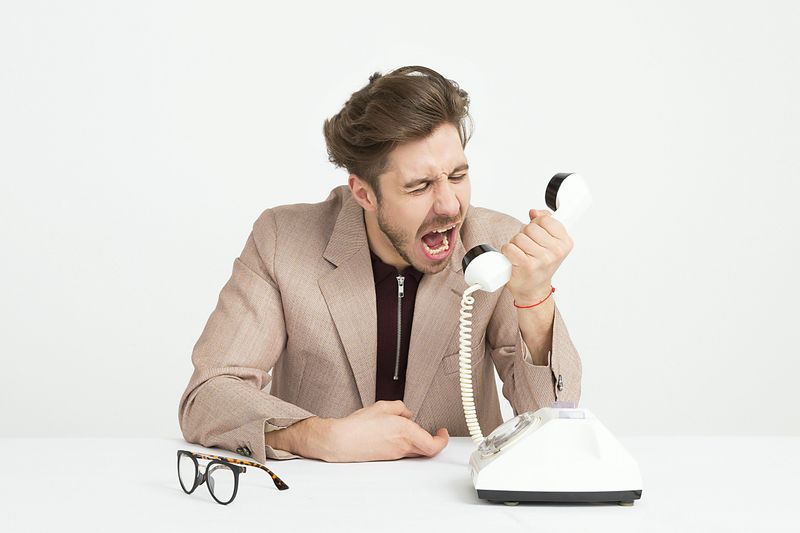
Sudden outbursts over minor problems can reveal a lot about someone’s character.
When a partner loses control over small inconveniences like traffic or a wrong order, it shows how they handle stress.
Many women remember moments when their ex-partner punched walls, screamed during disagreements, or threw objects in frustration.
At the time, they made excuses or believed promises to change.
Anger that feels scary or unpredictable rarely improves without serious professional help.
Partners who cannot manage their emotions often escalate to more harmful behaviors over time.
Recognizing this pattern early can save years of walking on eggshells and feeling unsafe in your own home.
2. He Showed Controlling Behaviors Early

What starts as concern can quickly become control.
Some partners begin by questioning where you go, who you talk to, or what you wear.
They might insist on checking your phone or get upset when you spend time with friends and family.
This behavior often gets disguised as love or protectiveness, making it harder to recognize.
Over time, controlling partners isolate you from support systems and make you doubt your own judgment.
They might manage finances completely, make all decisions, or require constant updates on your location.
Healthy relationships respect independence and trust, not surveillance and restrictions that make you feel trapped or monitored constantly.
3. He Avoided Taking Responsibility

Nothing was ever his fault.
When problems arose, he blamed circumstances, other people, or especially you.
Men who refuse accountability create exhausting relationship dynamics where you become responsible for everything that goes wrong.
They never apologize sincerely or admit mistakes, instead twisting situations to make themselves the victim.
Did you know?
Psychologists call this deflection, and it prevents genuine conflict resolution.
Partners who cannot own their actions will repeat the same hurtful patterns endlessly.
You find yourself constantly explaining, justifying, or accepting blame that isn’t yours.
Mature love requires two people who can say “I was wrong” and actually mean it.
4. He Disrespected Boundaries

Saying no should be simple, but some partners treat boundaries like suggestions they can ignore.
Whether emotional, physical, or personal space, your limits deserved respect from day one.
He might have pressured you into things you weren’t comfortable with or made jokes when you expressed discomfort.
Perhaps he showed up uninvited, read private messages, or pushed intimacy when you needed space.
Boundary violations communicate that his wants matter more than your comfort or consent.
Partners who truly care will honor your needs without making you feel guilty, demanding explanations, or treating reasonable requests like unreasonable demands.
5. He Struggled With Communication

Silent treatment became his weapon of choice.
Instead of discussing problems like adults, he shut down, disappeared, or gave one-word responses that left you guessing.
Communication failures poison relationships slowly but surely.
You cannot resolve conflicts or build intimacy with someone who refuses to talk openly about feelings, needs, or concerns.
Some men avoid difficult conversations entirely, changing subjects or walking away when things get uncomfortable.
Others dismiss your feelings as overreactions or drama.
Healthy partnerships require vulnerability and honest dialogue, not stonewalling or emotional withdrawal that leaves you feeling alone even when you’re together.
Words matter, and so does the willingness to use them.
6. He Had No Long-Term Goals

Ambition doesn’t require wealth, but it does require direction.
Partners without goals or plans for the future often lack the drive to build something meaningful together.
He drifted from job to job without purpose, made no effort toward personal growth, or showed zero interest in improving his situation.
When you discussed future plans, he changed the topic or gave vague, noncommittal answers.
Relationships need shared visions and partners willing to work toward them.
Someone content with endless stagnation will resist your growth too.
You deserve someone who dreams, plans, and takes action, not someone who expects life to happen without effort or intention.
7. He Showed Early Signs of Dishonesty

Small lies predicted bigger ones.
Maybe he lied about where he was, who he was with, or what he spent money on.
At first, these seemed like minor fibs, easily explained away or not worth fighting about.
But dishonesty, even about little things, reveals character flaws that grow over time.
Trust forms the foundation of lasting relationships, and once cracked, it’s incredibly hard to repair.
Partners who lie casually will lie seriously when stakes get higher.
You caught inconsistencies in his stories or discovered hidden social media accounts.
Your instincts warned you, but you wanted to believe the best.
Honesty isn’t negotiable in healthy partnerships.
8. He Dismissed Your Feelings Regularly

Your emotions were treated like inconveniences rather than valid experiences.
When you expressed hurt, sadness, or concern, he rolled his eyes, sighed heavily, or told you that you were too sensitive.
Emotional invalidation damages self-esteem and makes you question your own reality.
You started second-guessing normal reactions and apologizing for having feelings at all.
Partners should create safe spaces for emotional honesty, not mock or minimize what you’re going through.
Being told you’re overreacting, dramatic, or crazy when you’re genuinely upset is a form of emotional manipulation.
Your feelings deserved acknowledgment and respect, not dismissal or ridicule that made you feel small.
9. He Compared the Relationship to Others

Constantly measuring your relationship against others creates impossible standards and dissatisfaction.
He pointed out what other couples had, did, or achieved, making you feel inadequate by comparison.
Maybe he mentioned how his friend’s girlfriend cooked more, looked different, or acted a certain way.
These comparisons chip away at confidence and create resentment on both sides.
Every relationship is unique, with its own strengths and challenges.
Partners who appreciate what they have don’t constantly look elsewhere for something better.
Gratitude and presence matter more than keeping score against other people’s highlight reels.
You deserved someone who valued your relationship for what it was.
10. He Was Inconsistent With Affection

His love felt like a faucet that turned on and off without warning.
Some days brought warmth, attention, and kindness, while others felt cold and distant.
This unpredictability kept you off balance, never knowing which version of him you’d encounter.
You worked harder during the cold periods, hoping to bring back the affectionate partner you knew he could be.
Inconsistent affection is emotionally exhausting and often manipulative, creating dependency through intermittent reinforcement.
Stable relationships offer steady love and presence, not emotional roller coasters that leave you anxious and confused.
You deserved consistent care, not affection that felt like a reward you had to earn repeatedly.