 MomSkoop
Professional interior designers spend years training their eyes to spot what works and what doesn’t in a space. Through countless projects and client homes, they’ve learned which décor items are worth the investment and which ones should stay on the shelf.
Understanding their perspective can save you money and help you create a more polished, sophisticated home that stands the test of time.
1. Matching Furniture Sets
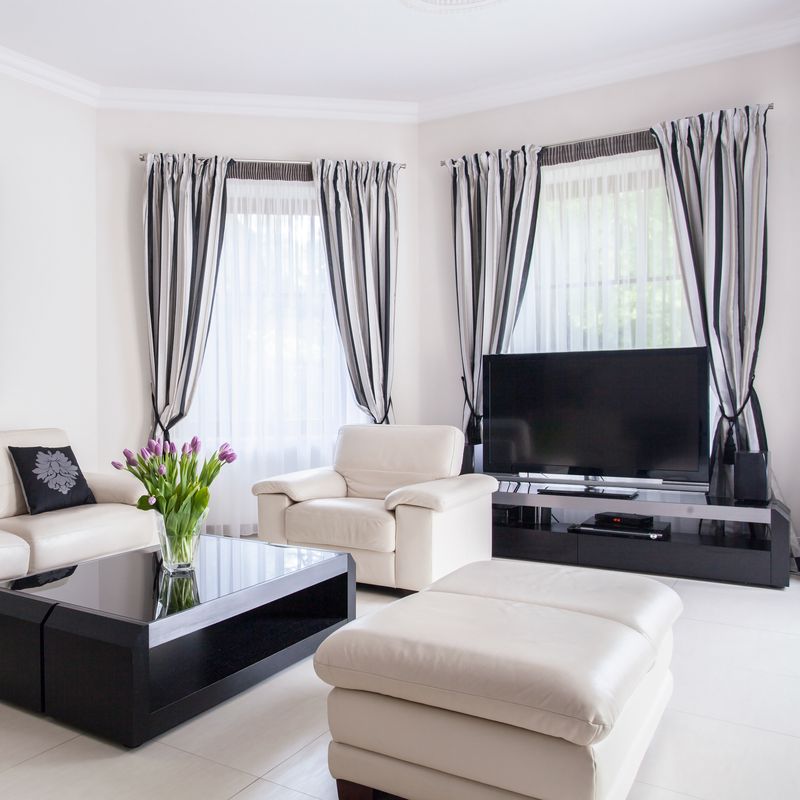
Walking into a showroom and buying an entire bedroom or living room set might seem convenient, but designers know this approach creates a cookie-cutter look.
Rooms feel more collected and personal when furniture pieces come from different sources and eras.
Mixing styles, finishes, and even wood tones adds depth and character that matching sets simply cannot achieve.
Professional decorators prefer selecting individual pieces that complement each other while maintaining their own personality.
This approach makes your space feel curated over time rather than purchased in one shopping trip.
Your home should tell a story, not look like a catalog page.
Breaking away from matching sets gives you freedom to express your unique taste.
2. Artificial Flowers and Plants
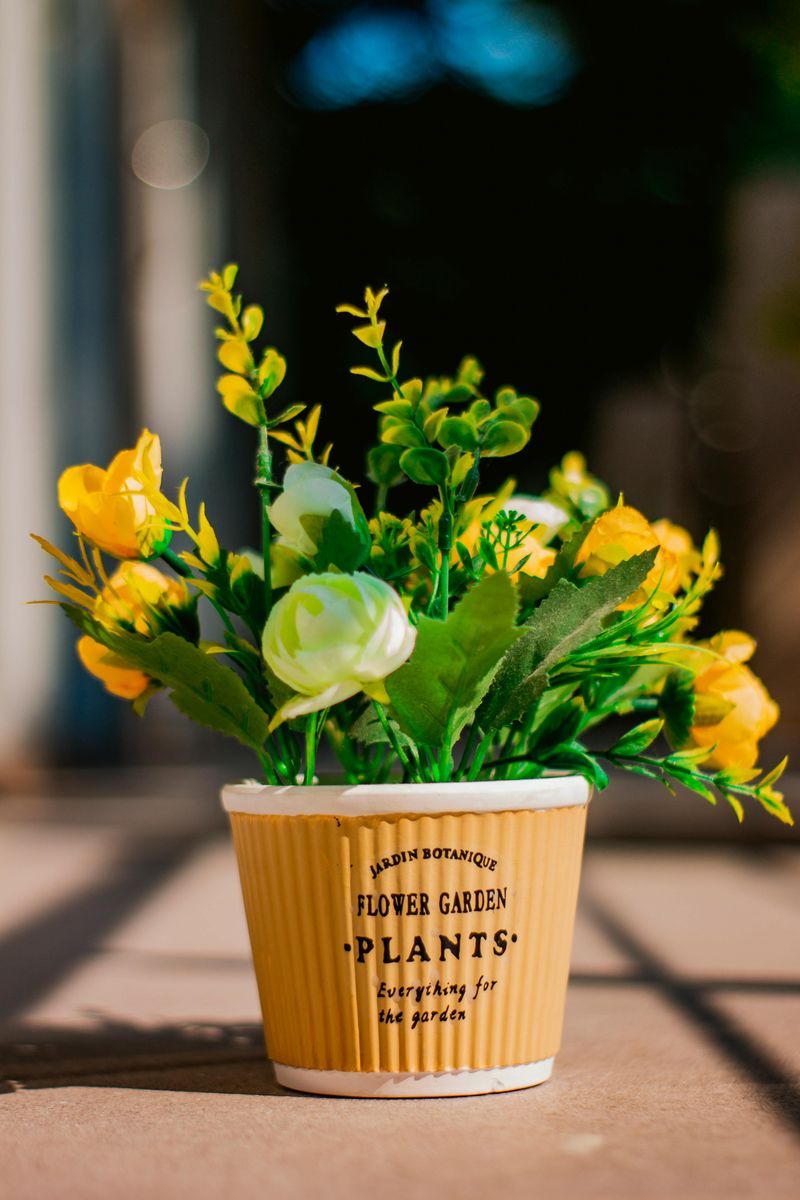
Fake greenery might seem like a low-maintenance solution, but it rarely fools anyone.
Dusty silk flowers and plastic leaves actually make spaces feel dated and lifeless instead of fresh and vibrant.
Real plants bring oxygen, texture, and an organic element that artificial versions cannot replicate.
Even if you don’t have a green thumb, low-maintenance options like snake plants or pothos thrive with minimal care.
Designers know that nothing beats the authentic beauty of living things in a home.
Fresh-cut flowers, though temporary, provide far more impact than permanent fakes ever could.
The investment in real plants pays off with genuine life and energy in your rooms.
3. Trendy Wall Decals
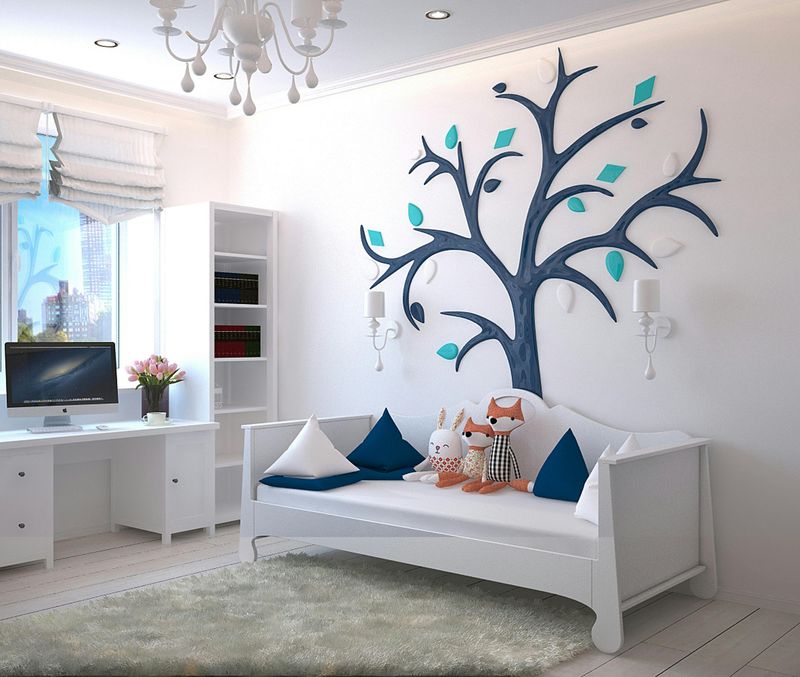
Those inspirational quotes and decorative stickers might be popular on social media, but designers see them as temporary fixes that cheapen a space.
Wall decals often leave residue when removed and can damage paint, making them more trouble than they’re worth.
Instead of relying on stick-on solutions, professionals invest in real art, interesting wallpaper, or quality paint treatments.
These permanent choices add genuine value and sophistication to your home.
Decals also tend to follow passing trends, meaning they quickly look outdated and juvenile.
Your walls deserve better treatment than temporary stickers that peel at the corners.
Investing in timeless wall treatments creates a foundation that lasts for years.
4. Overly Themed Rooms
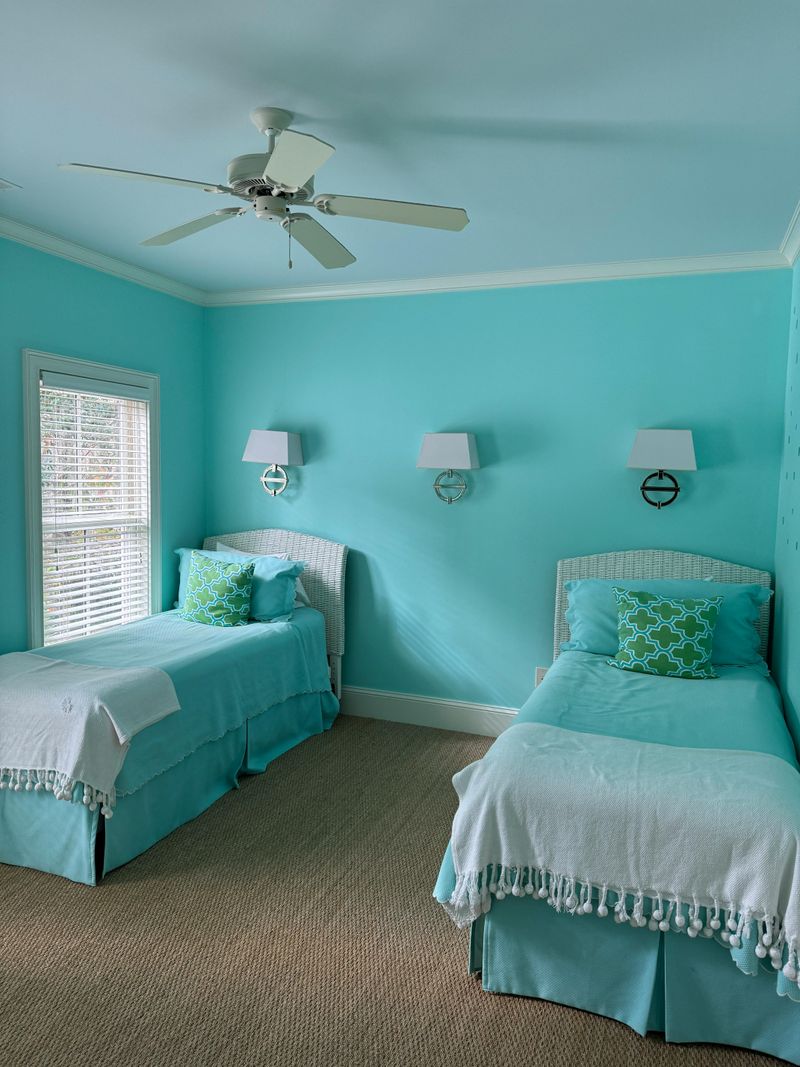
Creating a beach-themed bathroom or Paris-themed bedroom might sound fun, but designers avoid heavy-handed themes that feel like theme park exhibits.
Rooms plastered with anchors, seashells, or Eiffel Tower imagery quickly become overwhelming and one-dimensional.
Subtle nods to interests work better than beating people over the head with a single concept.
Professional decorators prefer layered, nuanced spaces that reference multiple influences without screaming one specific theme.
This approach allows your personality to shine through without turning your home into a novelty space.
Restraint and subtlety create sophistication that themed rooms cannot achieve.
Your interests can inspire your décor without dominating every single element in a room.
5. Mass-Produced Wall Art
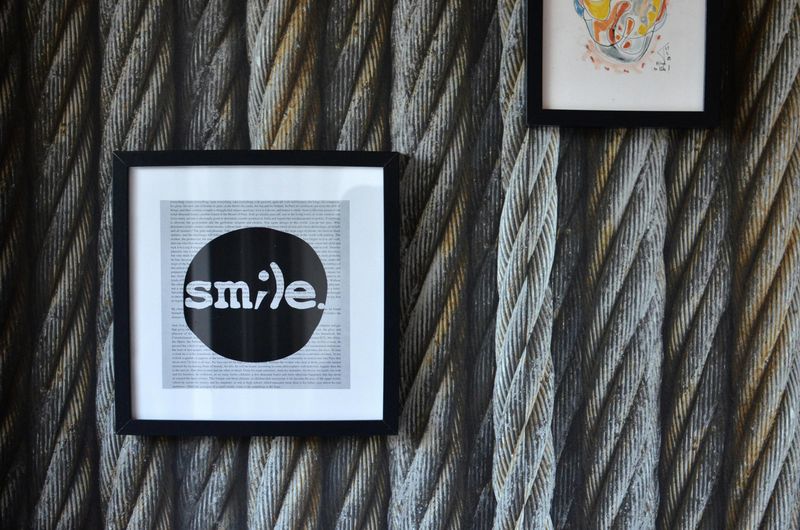
You know those generic prints of dandelions, coffee cups, or abstract swirls found in every discount store?
Designers skip right past them because they add zero personality or uniqueness to a space.
When thousands of people own the exact same artwork, it becomes invisible background noise rather than a meaningful focal point.
Investing in original pieces, local artists, or even personal photography creates rooms that feel authentically yours.
Art should spark conversation and reflect your individual taste, not just fill empty wall space.
Even affordable vintage finds from thrift stores offer more character than mass-produced prints.
Your walls deserve artwork that tells your story, not everyone else’s.
6. Furniture Covers and Slipcovers (As Permanent Solutions)
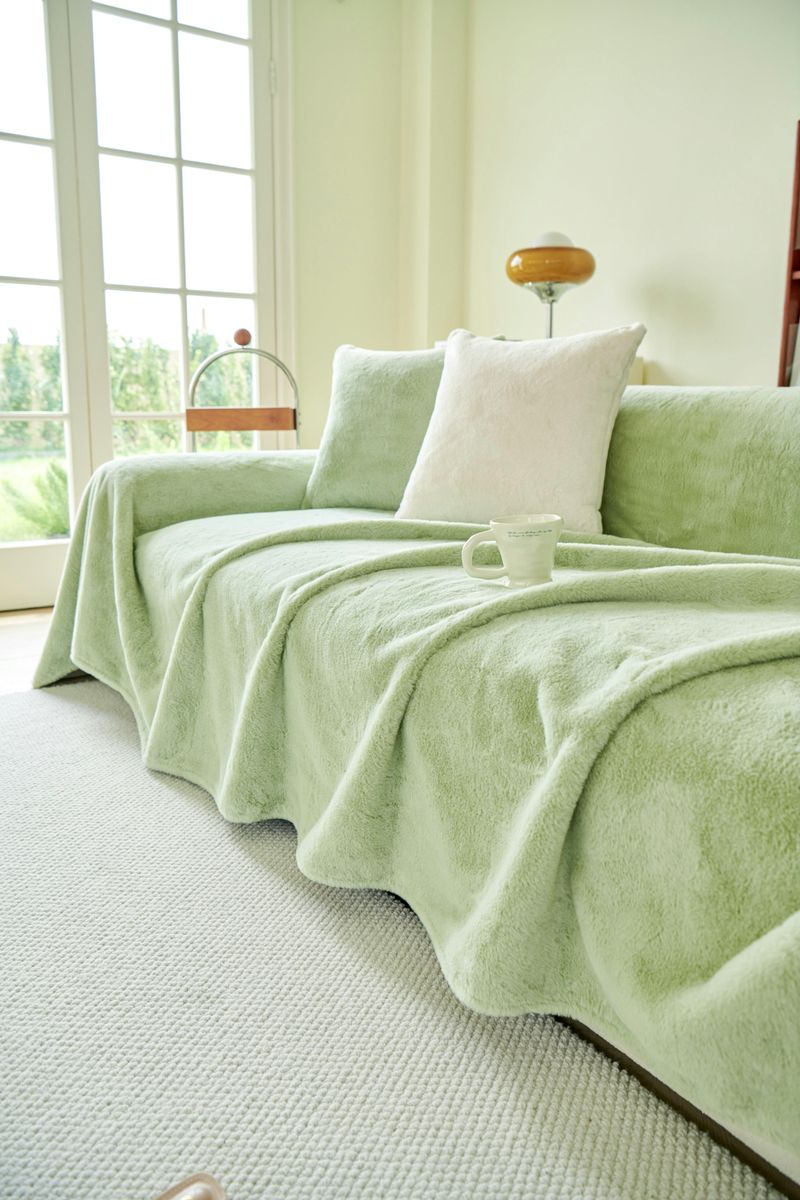
Using slipcovers to hide worn or outdated furniture might seem practical, but they rarely look intentional or polished.
Designers know that ill-fitting covers bunch, wrinkle, and slide around, creating a sloppy appearance no matter how much you adjust them.
Instead of masking problems, professionals recommend either reupholstering quality pieces or replacing furniture that no longer serves you well.
Custom slipcovers designed specifically for a piece can work, but off-the-rack versions usually disappoint.
Your furniture should look purposeful, not like it’s wearing a costume.
Proper upholstery or well-chosen replacement pieces create a finished look that temporary covers cannot match.
Invest in solutions that address the root issue rather than hiding it beneath fabric.
7. Decorative Word Signs
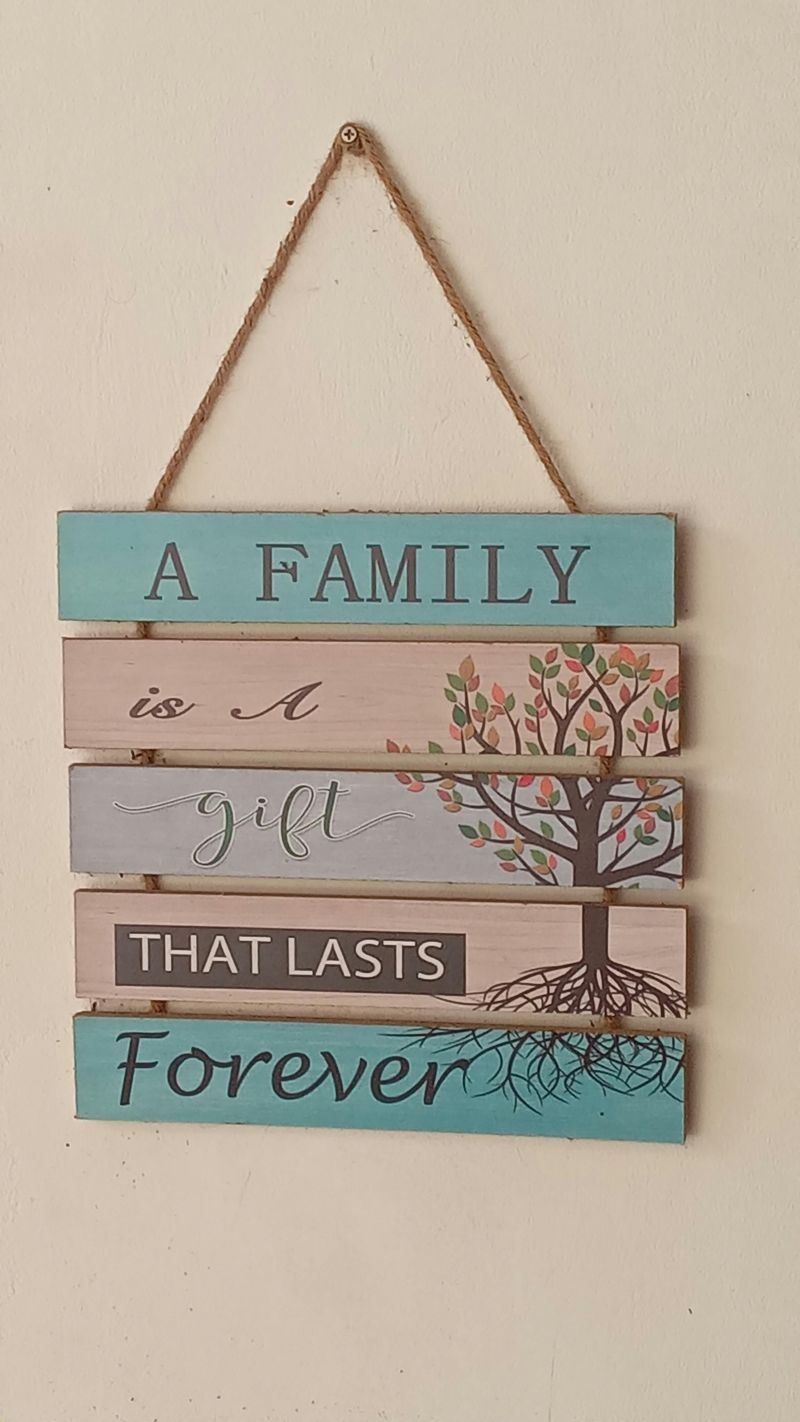
Wooden signs proclaiming “Live, Laugh, Love” or “Gather” have saturated the market to the point of becoming design clichés.
Designers avoid these mass-produced sentiments because they add clutter without adding genuine meaning or visual interest.
Your home already knows its purpose without signs announcing what should happen in each room.
Instead of relying on words to create atmosphere, professionals use color, texture, lighting, and thoughtful furniture arrangement.
These elements communicate feelings and functions far more effectively than generic phrases.
If you love typography, consider vintage signs with authentic history or custom pieces with personal significance.
Your décor should speak through design choices, not literal instructions on how to feel.
8. Miniature Furniture for Large Rooms
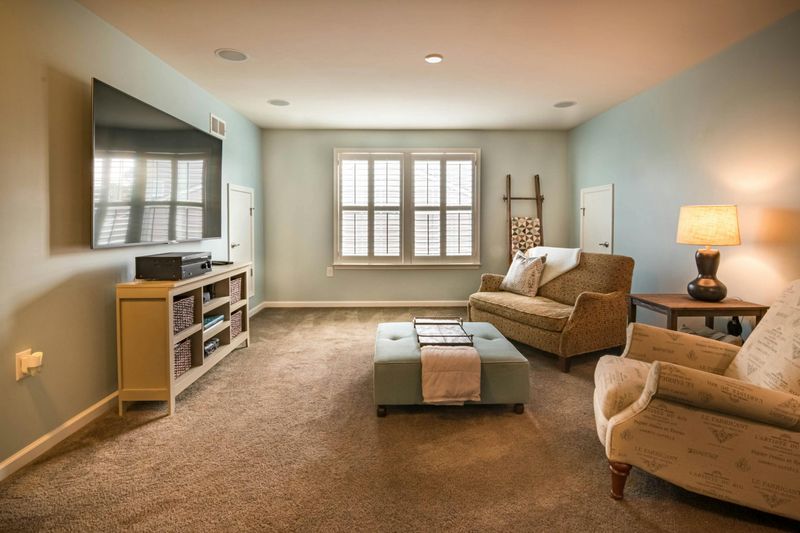
One of the biggest mistakes people make is choosing furniture that’s too small for their space, making rooms feel awkward and unfinished.
Designers understand that properly scaled furniture creates balance and makes rooms feel intentional and complete.
A tiny sofa floating in a large living room looks lost and makes the entire space feel uncomfortable.
Professional decorators measure carefully and select pieces that fill the room appropriately without overcrowding.
Furniture should anchor spaces and define areas, not disappear into the background.
Larger pieces actually make rooms feel more cohesive and purposeful when chosen correctly.
Scale matters tremendously in creating spaces that feel balanced, comfortable, and well-designed.
9. Cheap Accent Pillows
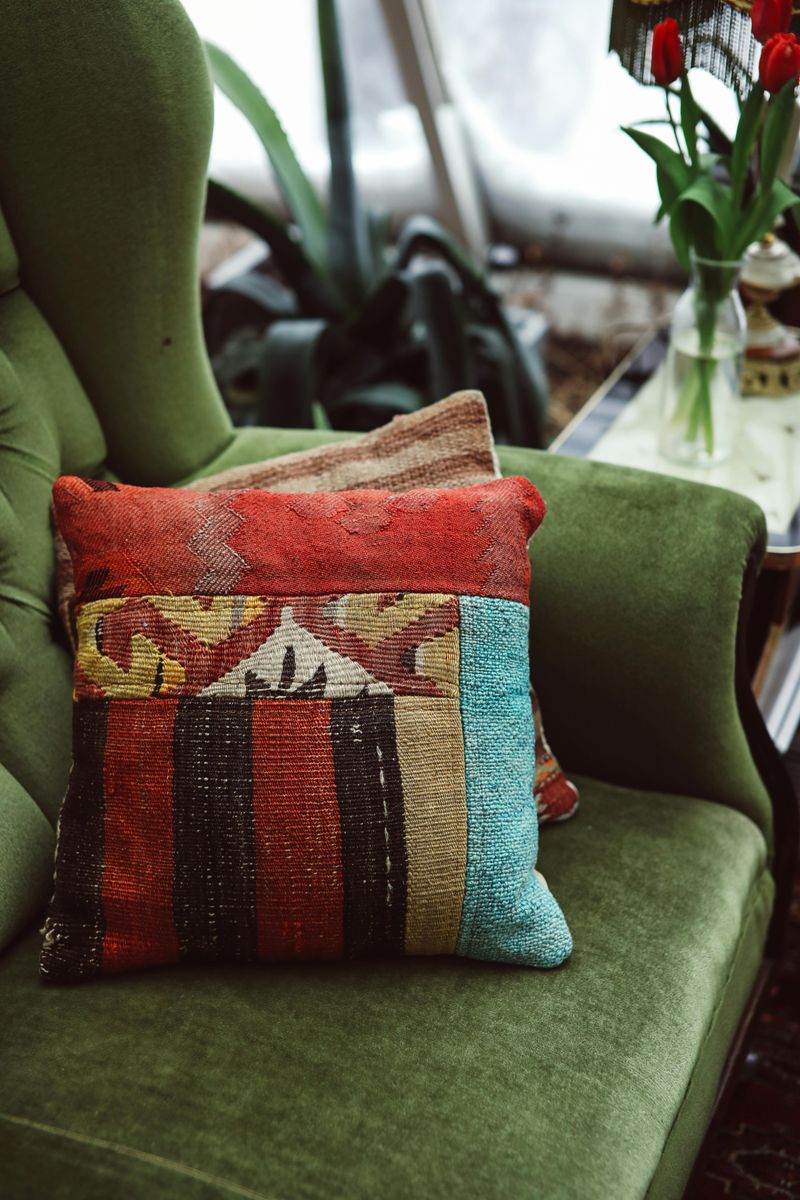
Pillows seem like an easy way to add color and pattern, but low-quality versions flatten quickly and look shabby within months.
Designers invest in well-made pillows with quality inserts because they know these workhorses of décor take daily abuse.
Lumpy, thin pillows with poor fabric make even expensive furniture look cheap and uninviting.
Proper pillow inserts should be slightly larger than their covers to maintain that plump, luxurious appearance.
Skimping on pillows is false economy since you’ll replace cheap ones repeatedly instead of buying quality once.
Your sofa and bed deserve supportive, beautiful pillows that maintain their shape and appeal.
This is one area where spending a bit more delivers noticeable, lasting results.
10. Tiny Area Rugs
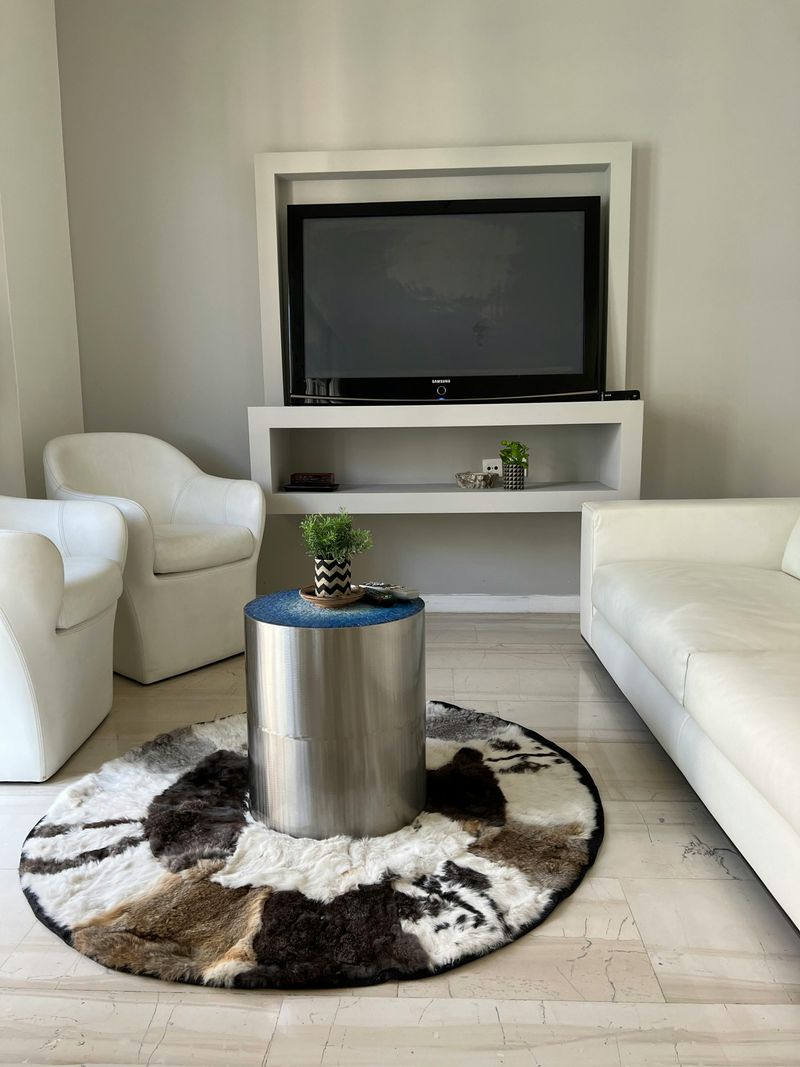
Nothing makes a room look more awkward than an undersized area rug floating in the middle of the floor.
Designers know that rugs should anchor furniture groupings, with at least the front legs of sofas and chairs resting on them.
Small rugs make spaces feel disjointed and actually emphasize how much bare floor you have rather than defining areas.
Investing in properly sized rugs transforms rooms by creating cohesive zones and making spaces feel larger and more intentional.
A common rule suggests your rug should extend at least eighteen inches beyond furniture on all sides.
Skimping on rug size is one of the most common decorating mistakes that instantly reveals amateur design.
Larger rugs ground your furniture and create the polished, pulled-together look professionals achieve.