 MomSkoop

Walking into someone’s home or a business for the first time is like opening a book.
Before anyone says a word, your brain is already reading the room.
You notice things you might not even realize—small details that tell you if a place feels welcoming, polished, or a little off.
Most hosts focus on the big stuff: clean floors, tidy tables, nice décor.
But guests are picking up on subtler signals that reveal how much care really went into the experience.
These tiny moments shape first impressions faster than any greeting or menu ever could.
Understanding what people notice right away can help you create a space that feels genuinely inviting.
Here are the little things that speak volumes before you even say hello.
1. How They’re Greeted in the First 10 Seconds
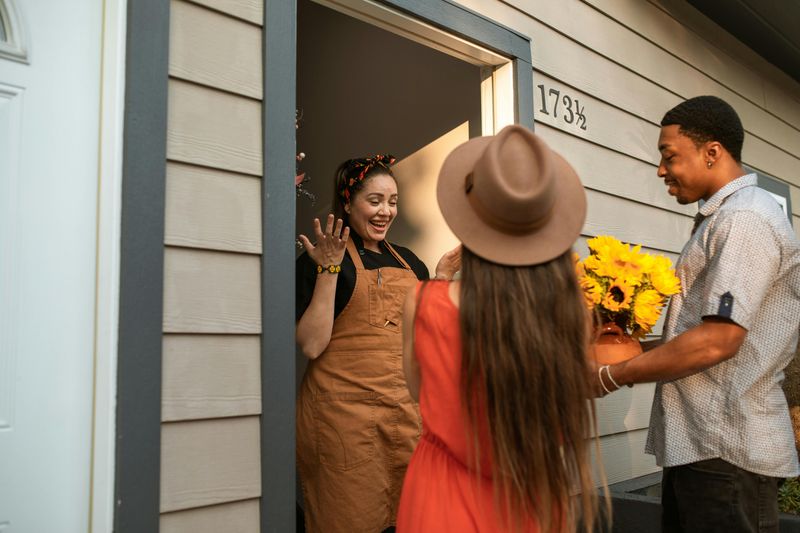
Eye contact, tone, and presence matter more than the actual words you say.
When someone walks in and you look them in the eye with a genuine smile, they feel seen.
If you’re distracted, looking at your phone, or offering a flat “hey,” that registers too.
Body language during those first few seconds sets the emotional tone for the entire visit.
A warm, open posture and a voice that sounds happy to see them makes people relax instantly.
Even if you’re busy, pausing to acknowledge someone with your full attention shows respect.
Guests can tell the difference between autopilot politeness and real warmth.
That initial moment of connection—or lack of it—sticks with them longer than anything else.
2. The Smell of the Space
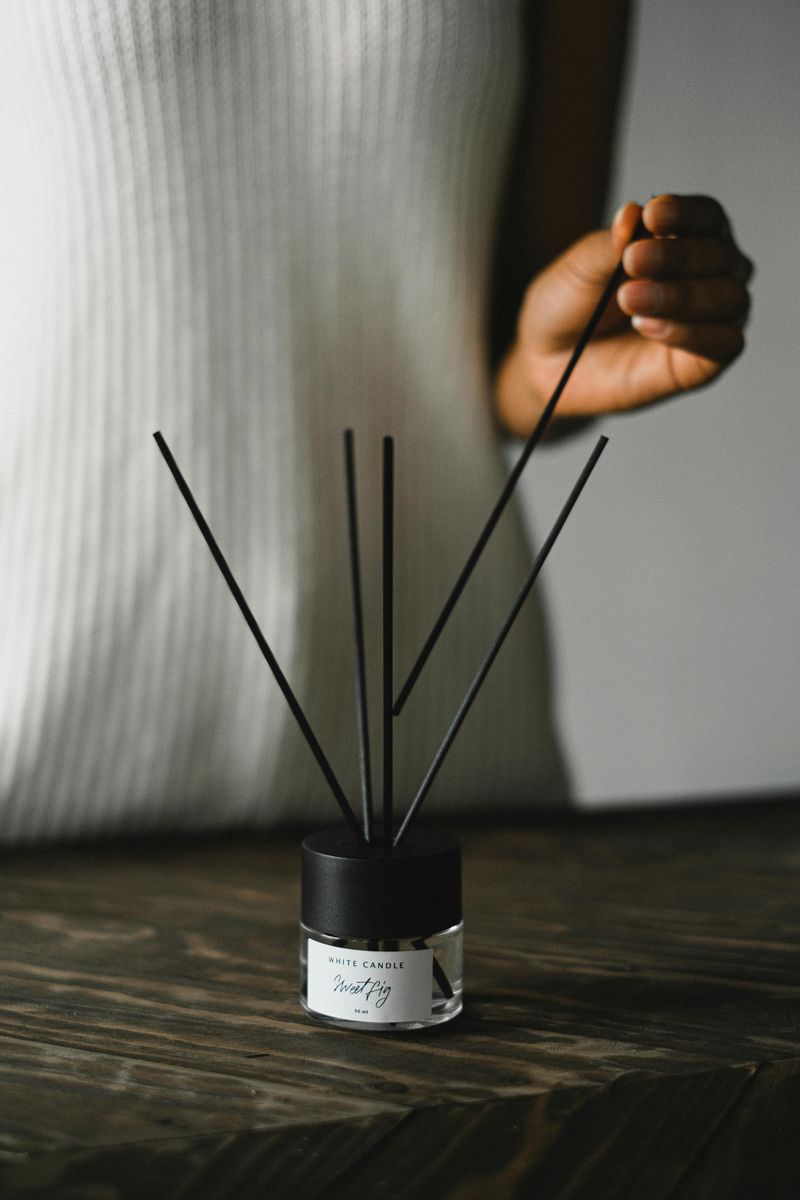
Scent is one of the most powerful and immediate senses.
Before your eyes adjust to the lighting, your nose is already forming an opinion.
Fresh air, a hint of citrus, or the faint smell of coffee can make a space feel clean and inviting.
What guests don’t want is a heavy air freshener trying to mask something underneath.
That “covered up” smell is obvious and raises questions.
Neutral and intentional is always better than overpowering or artificial.
Even no scent at all can work beautifully if the air feels crisp and clean.
The goal is for people to walk in and breathe easy, not wrinkle their nose or wonder what you’re hiding.
3. Lighting Temperature
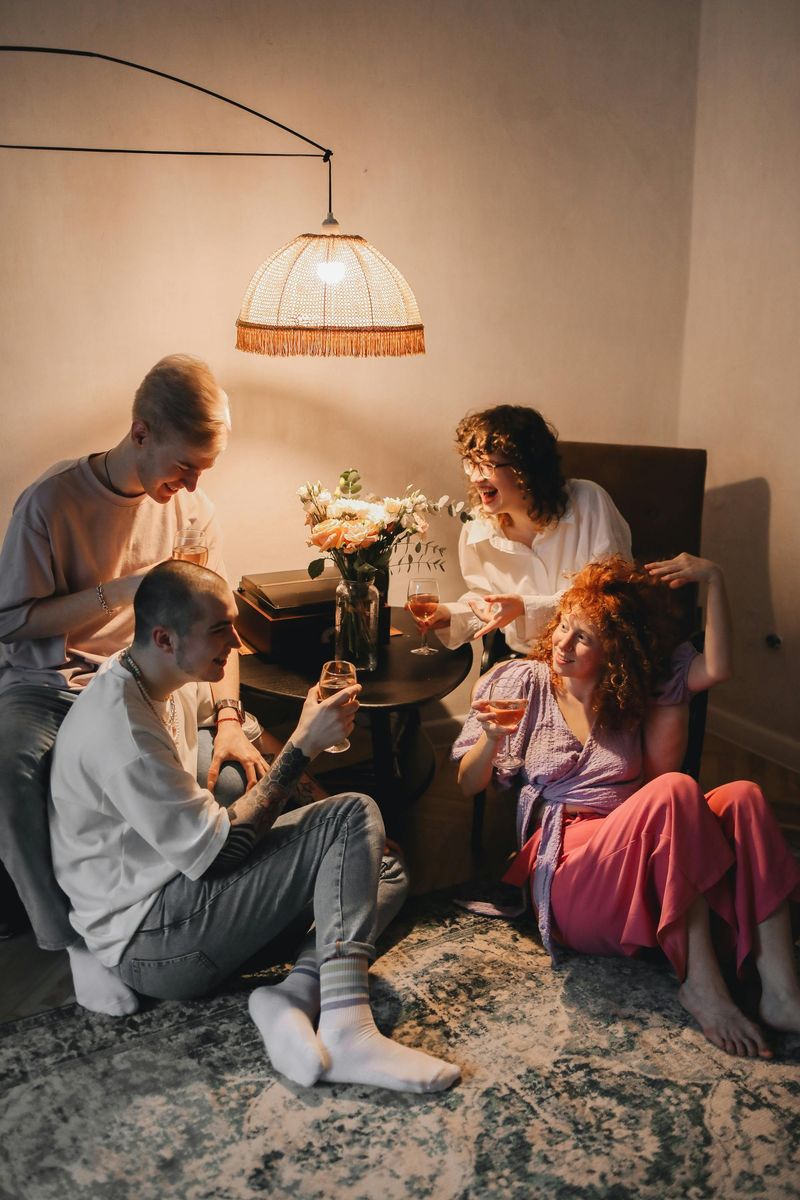
Lighting color affects mood faster than most people think.
Walk into a room with harsh, too-white fluorescent bulbs and you instantly feel like you’re in a waiting room or office.
On the flip side, dim, yellowish lighting can feel dated or uninviting.
Warm, soft lighting that mimics natural daylight makes spaces feel cozy and polished.
It’s not about brightness alone—it’s about how the light makes skin tones, furniture, and walls look.
Guests notice when lighting feels “off,” even if they can’t explain why.
Adjustable or layered lighting is ideal because it lets you set the right tone for different times of day.
Getting this detail right makes everything else in the room look better.
4. Background Sound Choice
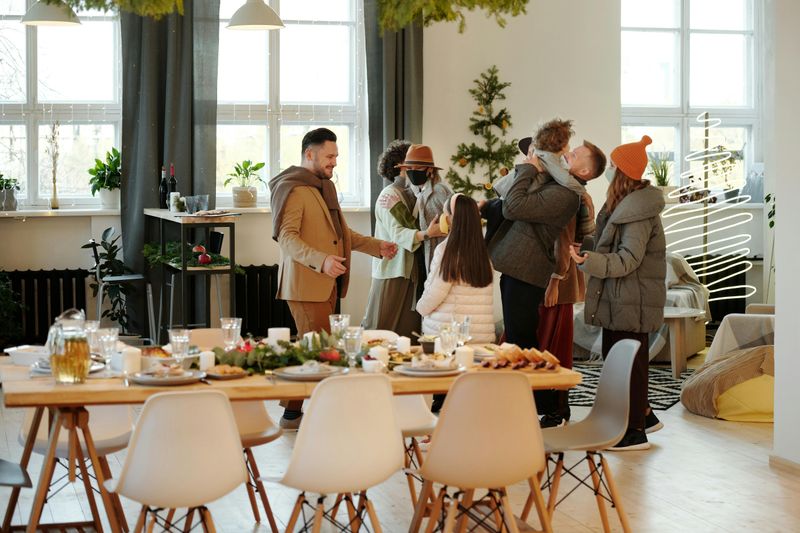
Silence can feel awkward or peaceful, depending on the setting.
Music can energize or soothe—but both send a message.
When guests walk in and hear carefully chosen background music at a low volume, it signals thoughtfulness.
Dead silence might make them hyper-aware of every footstep or cough.
On the other hand, music that’s too loud, too upbeat, or mismatched with the vibe feels jarring.
Instrumental jazz, acoustic covers, or nature sounds work well because they fill space without demanding attention.
The key is subtlety.
Even the choice to have no sound at all can work if the environment is naturally calm and comfortable.
Just know that guests are listening—or noticing the lack of it.
5. Cleanliness of High-Touch Areas
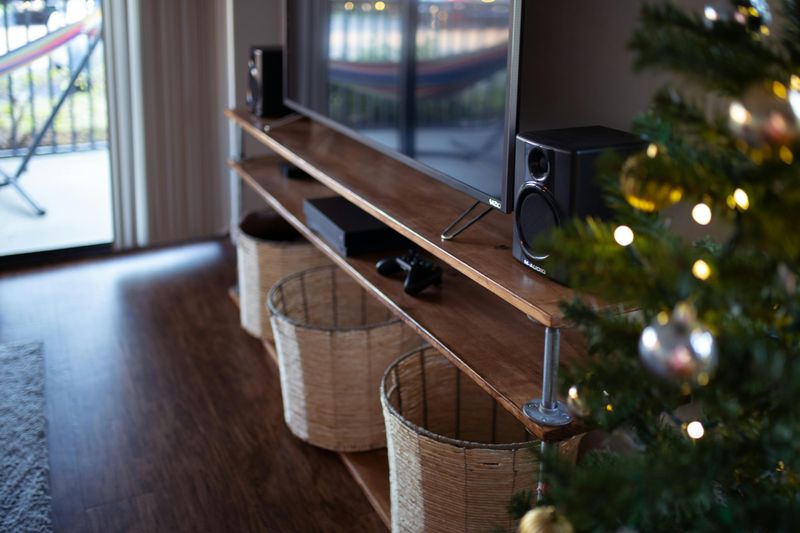
Door handles, light switches, menus, and remotes are touched constantly—and guests notice if they’re grimy.
You could have spotless floors and polished tables, but a sticky remote or smudged light switch will stand out.
These are the details people interact with directly, so they register immediately.
Wiping down high-touch surfaces should be part of your regular routine, not just deep cleaning days.
A quick pass with a disinfectant wipe takes seconds but makes a huge difference.
Clean handles and switches signal that you care about hygiene and attention to detail.
Guests might not consciously think about it, but their hands will.
And that tactile experience shapes their overall comfort level without them even realizing it.
6. Table or Surface Spacing
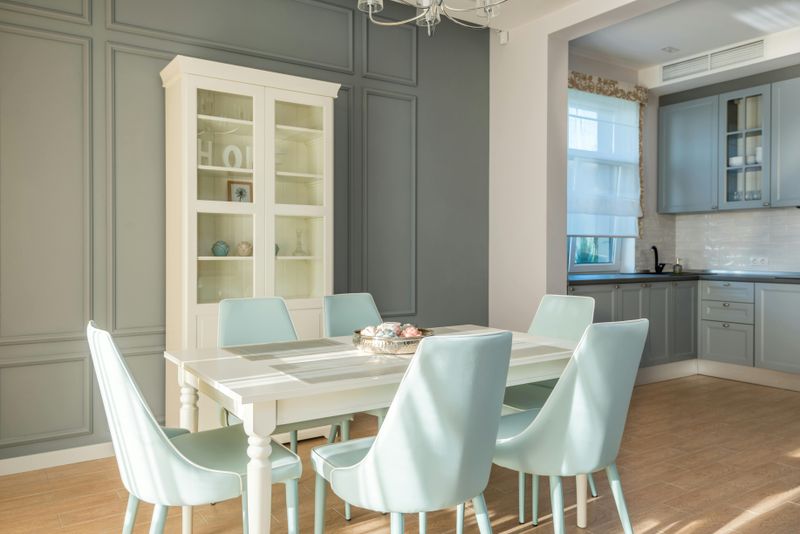
Cramped spaces make people feel trapped.
When tables, chairs, or décor items are squeezed too close together, it creates visual and physical tension.
Guests might not say anything, but they’ll feel it—especially when they bump elbows or struggle to pull out a chair.
Intentional spacing, on the other hand, feels luxurious and thoughtful.
It shows you value comfort over cramming in as much as possible.
Even in small spaces, leaving a little breathing room between furniture makes a big difference in how relaxed people feel.
Crowding sends the message that function trumps experience.
Thoughtful spacing says you designed the space with the guest in mind, not just efficiency or aesthetics.
7. Temperature Comfort

Rooms that feel too cold or too warm are impossible to ignore.
Within seconds of entering, guests are either shivering or sweating, and it colors their entire experience.
Temperature is one of those invisible factors that can make or break comfort without anyone saying a word.
Most people prefer spaces that are slightly cooler than warm, but the sweet spot is around 68 to 72 degrees Fahrenheit.
If you’re hosting in summer, err on the cooler side.
In winter, make sure it’s cozy but not stuffy.
Pay attention to drafts, direct air vents, and sun exposure too.
A perfectly set thermostat won’t help if someone’s sitting under a freezing AC vent or in a patch of blazing sunlight.
8. Condition of Textiles
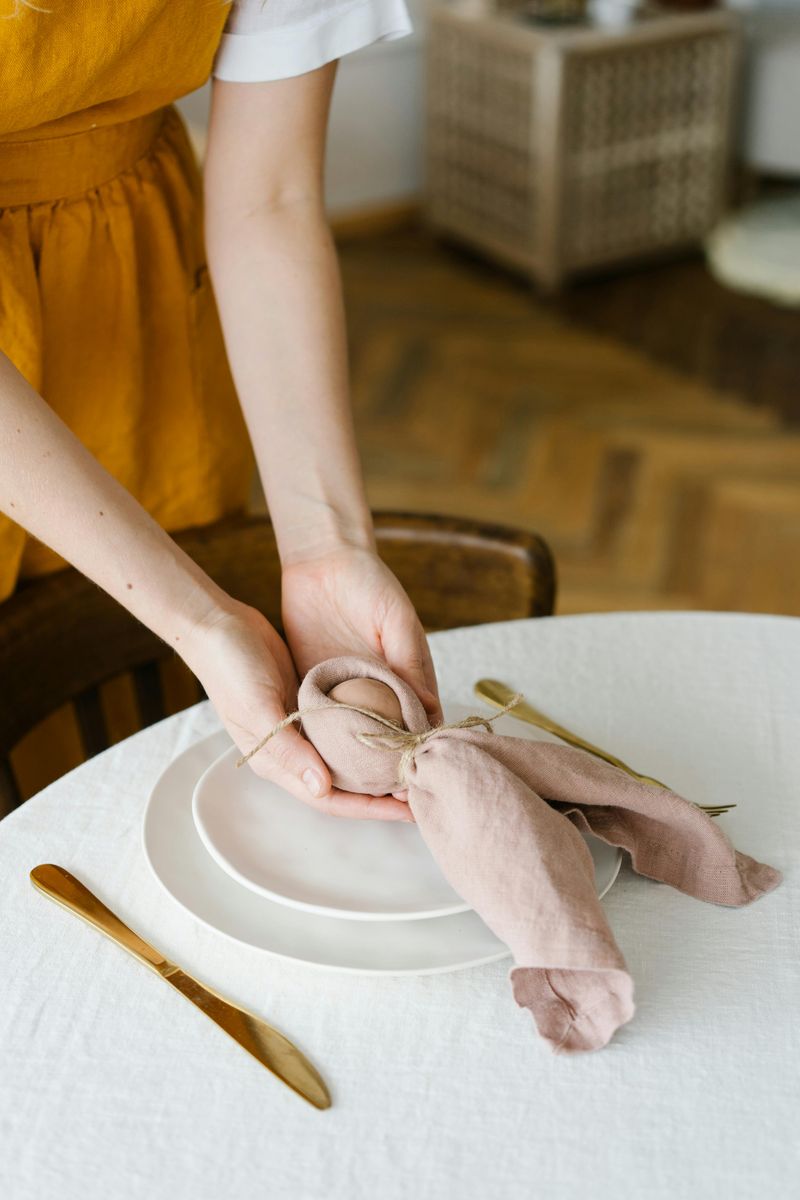
Wrinkled napkins, faded cushions, frayed towels, or worn chair fabric all scream neglect.
Textiles are tactile and visual, so guests notice them twice—once with their eyes, again with their hands.
Fresh, crisp linens signal care and quality.
Worn-out or creased ones suggest the opposite.
You don’t need expensive fabrics, but everything should look clean, smooth, and intentional.
A quick iron or steamer can transform a napkin from sloppy to polished.
Replacing old cushions or towels is a small investment that pays off in perceived value.
Textiles frame the experience.
When they’re in good condition, they elevate everything around them.
When they’re not, they drag the whole vibe down.
9. Visual Clutter Level
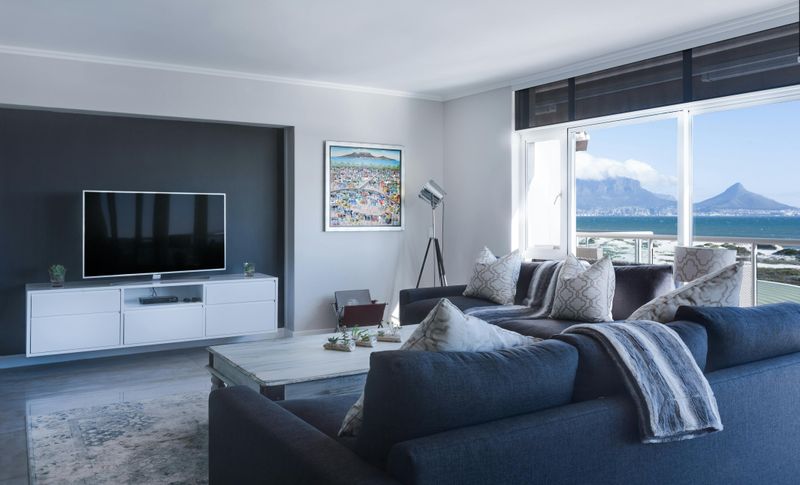
What’s missing from a space is just as noticeable as what’s there.
A clean countertop, an uncluttered table, or a shelf with just a few carefully chosen items feels calm and intentional.
Too many knickknacks, stacks of mail, or random objects create visual noise that makes people feel uneasy.
Clutter suggests chaos, even if everything else is clean.
Guests scan the room within seconds and form an impression based on how organized or overwhelming it looks.
Minimalism doesn’t mean boring—it means purposeful.
Editing your space is an ongoing process.
Regularly ask yourself if each item on display serves a function or brings joy.
If not, put it away.
Simplicity always wins.
10. How Easy It Is to Know What to Do Next
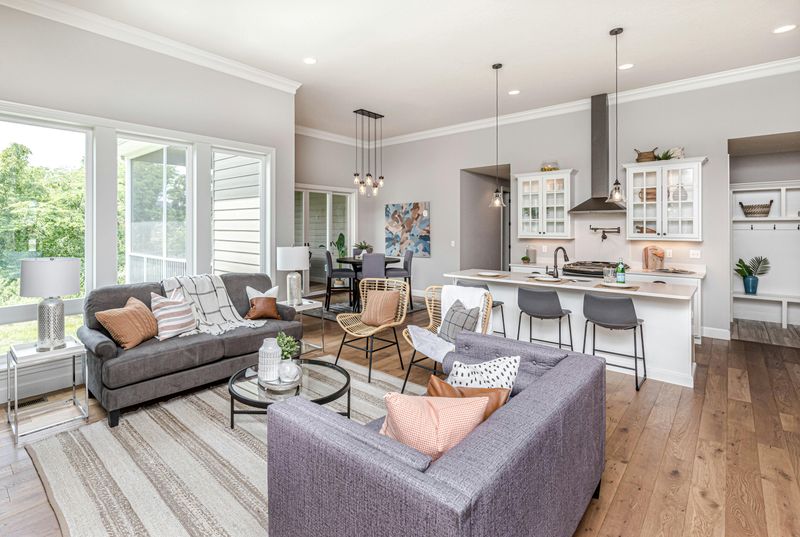
Guests quickly sense whether a place is intuitive or confusing.
If they have to pause and scan the room to figure out where to go, where to sit, or what’s expected of them, that hesitation breaks comfort.
Clear visual cues—obvious seating, a natural flow, simple signage, or an unmistakable focal point—help guests relax.
When the next step feels obvious, guests feel taken care of without being told anything.
Confusion creates distance.
Clarity builds confidence.
The easier it is for guests to orient themselves, the more positively they judge the entire experience.
11. Bathroom First Impression
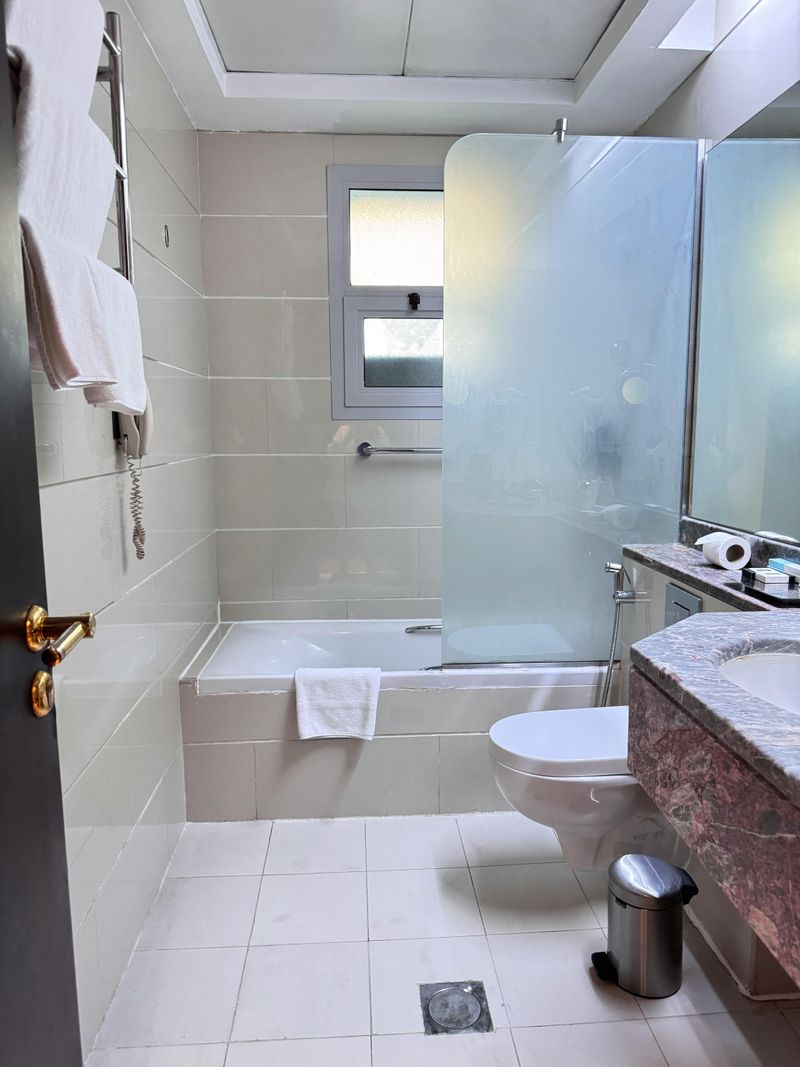
Bathrooms are judgment zones.
Guests walk in and immediately notice lighting, scent, and mirror cleanliness.
A well-lit, fresh-smelling bathroom with a spotless mirror feels like a luxury.
A dim, funky-smelling one with toothpaste splatter on the mirror feels like a red flag.
This is where people are alone with their thoughts, so every detail gets scrutinized.
Stocked soap, soft hand towels, and a clean sink go a long way.
Even small touches like a candle or a plant can elevate the experience.
Don’t overlook this space just because it’s not where you entertain.
Bathrooms reveal how much you care about the details when no one’s watching—and guests absolutely notice.
12. Exit Moment

Saying goodbye matters just as much as saying hello.
When guests leave and no one acknowledges them, it feels abrupt and forgettable.
A warm “thanks for coming” or “see you soon” with eye contact leaves them feeling valued.
It’s the last impression, and it lingers.
Many hosts put all their energy into the arrival and forget the exit.
But guests remember how you made them feel on the way out.
A genuine farewell signals that their presence mattered, not just their arrival.
Even a simple wave or smile from across the room works if you’re busy.
The key is acknowledgment.
Make them feel like leaving is noticed, not just another door closing.