 MomSkoop

Have you ever looked back at a relationship and wondered why you stayed so long, even when you knew something was off?
Many of us find ourselves drawn to people who aren’t quite right for us, and it’s not because we’re foolish or broken.
Understanding the hidden reasons behind these patterns can help us make healthier choices and build the connections we truly deserve.
1. Familiar Pain Feels Safer Than Unfamiliar Peace
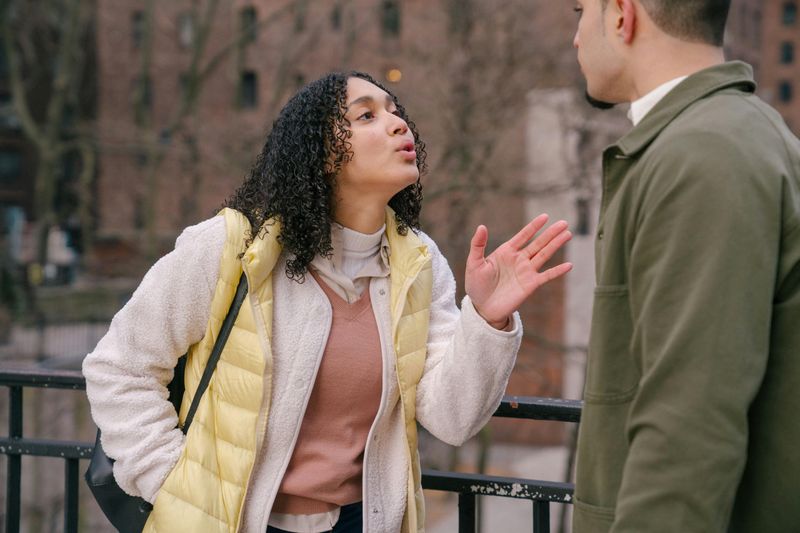
Our brains are wired to recognize patterns, and sometimes those patterns include pain.
When we grow up around conflict, criticism, or emotional distance, those experiences become our normal.
Even though they hurt, we’ve learned how to navigate them and survive.
Peace and stability can actually feel uncomfortable when we’re not used to them.
A calm partner might seem boring or too good to be true.
We unconsciously choose what mirrors our past because it’s territory we already know how to handle, even if that territory includes heartache and disappointment that we shouldn’t have to endure.
2. Intensity Gets Mistaken for Connection
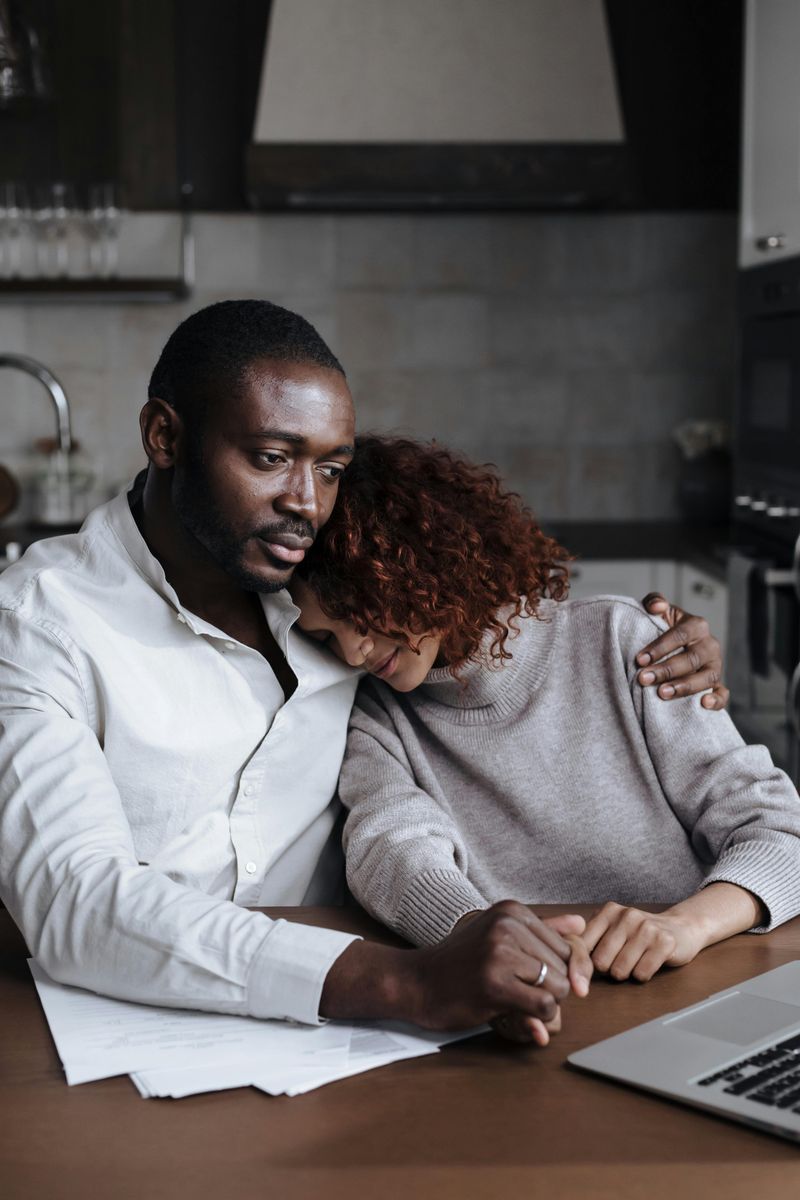
Rollercoaster relationships can feel exciting and deeply meaningful.
When emotions swing from extreme highs to crushing lows, our bodies release chemicals that create a powerful rush.
This intensity tricks us into believing we’ve found something rare and special.
Real connection, however, is built on consistency and trust, not drama.
Emotional whiplash isn’t the same as passion or depth.
When we mistake chaos for chemistry, we end up exhausted and confused, wondering why something that feels so strong leaves us feeling so empty and anxious all the time.
3. We Chase Validation Instead of Compatibility
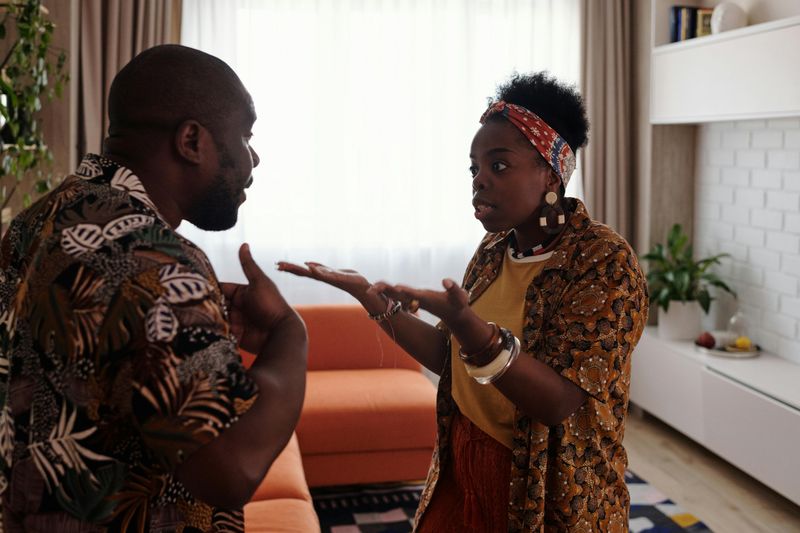
Getting attention from someone who’s hard to reach can feel like winning a prize.
When someone emotionally unavailable finally notices us, it seems to prove we’re worthy, attractive, or special enough.
This validation becomes addictive, and we start measuring our value by their inconsistent interest.
The problem?
Being chosen by someone who can’t truly show up isn’t actually a compliment.
It’s a red flag wrapped in flattery.
True compatibility means someone consistently wants to be with you, not someone who occasionally makes you feel important when it’s convenient for them.
4. Hope Becomes a Substitute for Evidence
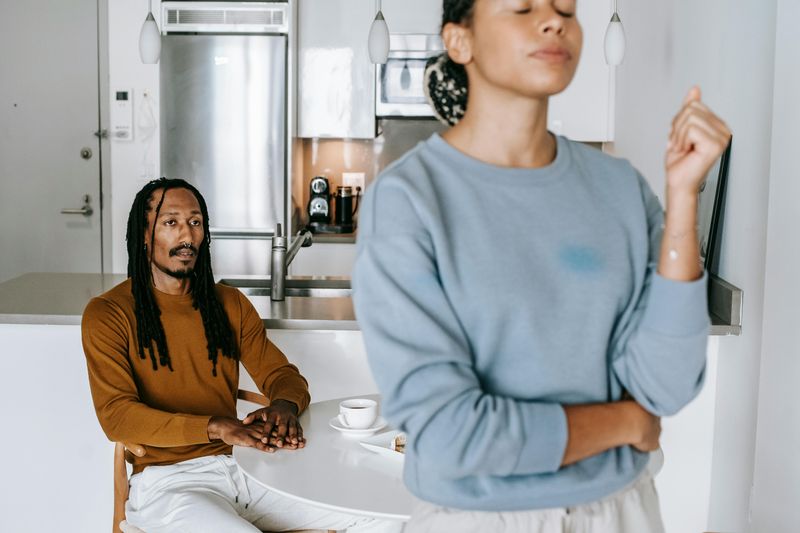
We fall in love with potential.
Someone shows us glimpses of who they could be during their best moments, and we hold onto those flashes like treasures.
Instead of seeing their consistent actions, we focus on rare exceptions and build entire futures around maybes and somedays.
Hope is beautiful, but it shouldn’t replace reality.
When we stay attached to someone’s potential rather than their actual behavior, we’re essentially dating an imaginary person.
We deserve someone who shows up as they are today, not someone we have to wait years for them to become.
5. We Confuse Effort with Love

There’s a strange belief that the harder something is, the more it must be worth it.
When a relationship requires constant work, endless conversations, and repeated chances, we convince ourselves it’s valuable because of all we’ve invested.
The struggle itself becomes proof of significance.
But love shouldn’t feel like climbing a mountain every single day.
While all relationships require some effort, they shouldn’t be exhausting battles.
Easy doesn’t mean shallow, and difficulty doesn’t equal depth.
Sometimes the right relationship is the one that flows naturally, not the one that drains you completely.
6. Unhealed Wounds Seek Familiar Dynamics
Did you know?
Our emotional wounds have a strange way of leading us back to similar situations until we heal them.
If you had a parent who was critical, you might find yourself attracted to partners who are hard to please.
These patterns operate below our conscious awareness, quietly guiding our choices.
Old emotional patterns act like magnets, pulling us toward people who reopen the same lessons.
Until we address these wounds through therapy, self-reflection, or personal growth, we’ll keep finding ourselves in relationships that feel strangely familiar.
Breaking the cycle requires recognizing it first.
7. Fear of Boredom Hides Fear of Intimacy

Calm relationships can feel strangely empty when you’re used to constant drama.
Without the highs and lows, some people feel restless or disconnected.
They describe stable partners as boring, but what’s really happening is deeper and more complex than simple boredom.
True intimacy requires vulnerability and safety, which can feel terrifying.
Chaos keeps us distracted from real emotional closeness.
When things are calm, we actually have to be present and open, which means risking genuine connection.
Sometimes we choose turmoil because it’s easier than facing the scary beauty of real, steady love.
8. We Internalize Responsibility for Others’ Behavior

When relationships struggle, many of us immediately look inward.
We tell ourselves that if we just communicated better, loved harder, or changed something about ourselves, everything would improve.
This belief gives us a false sense of control over situations we can’t actually fix.
Taking responsibility for another person’s choices is exhausting and unfair to yourself.
You can’t love someone into treating you right.
Their behavior reflects their own issues, not your inadequacy.
While healthy relationships involve mutual effort, you’re not responsible for fixing someone who isn’t willing to do their own work.
9. Being Needed Feels Like Being Loved
There’s something powerful about feeling essential to someone.
When you’re the one fixing, saving, or carrying another person, it creates a sense of purpose.
Being needed can feel like proof that you matter, that you’re valuable and important to someone’s survival or happiness.
But being needed isn’t the same as being loved.
Caretaking creates dependency, not partnership.
When your value comes from what you do rather than who you are, the relationship becomes a job instead of a connection.
True love means being wanted, not needed, and being appreciated for your presence, not your rescue efforts.
10. Letting Go Threatens the Identity We Built Around the Relationship
Walking away from the wrong relationship means losing more than just a person.
Over time, we build an identity around being someone’s partner.
We become the patient one, the understanding one, or the person who never gives up.
Our entire sense of self gets tangled up with the relationship.
Leaving means grieving not just them, but the version of ourselves we became with them.
It means facing uncomfortable questions about who we are without that role.
This identity loss can feel scarier than staying in something that doesn’t work, making us hold on long past when we should have let go.