 MomSkoop

Growing up in different eras means experiencing vastly different worlds, and the Baby Boomer generation witnessed a way of life that feels almost alien to Millennials and Gen Z. From the clack of typewriter keys to the weekly ritual of Saturday morning cartoons, Boomers navigated daily routines that required patience, physical effort, and a whole different mindset.
Today’s instant digital world has replaced these analog experiences with smartphones, streaming services, and search engines that make the old ways seem almost quaint. Here are twelve everyday realities from the Boomer era that younger folks simply can’t imagine living with.
1. Typewriters And The Irreversibility Of Written Errors

Every keystroke on a typewriter was a commitment you couldn’t undo with a simple backspace button.
Making a mistake meant reaching for correction fluid, carefully painting over the error, waiting for it to dry, and retyping—or starting the entire page over from scratch.
Professional typists developed incredible accuracy because second chances were messy and time-consuming.
School papers and business letters required intense concentration and planning before fingers touched keys.
The pressure to get it right the first time shaped how Boomers approached writing and communication.
Today’s delete keys and auto-correct features have removed that anxiety entirely, making writing a much more forgiving process that encourages experimentation rather than perfection.
2. Loyalty To A Single Employer For Lifetime Careers

Boomers entered a workforce where staying with one company for thirty or forty years was not just common—it was the expected path to success.
Gold watches at retirement parties symbolized decades of dedication to a single employer who provided pensions, steady raises, and job security.
This loyalty was mutual, with companies investing in long-term employee development and families building their lives around stable paychecks.
Younger generations now job-hop every few years, chasing better opportunities, higher salaries, and work-life balance in an economy that no longer rewards staying put.
The gig economy and contract work have replaced pension plans with 401(k)s that workers manage themselves.
What once felt like security now seems outdated to those who value flexibility over longevity.
3. Handwritten Letters As Primary Long-Distance Communication
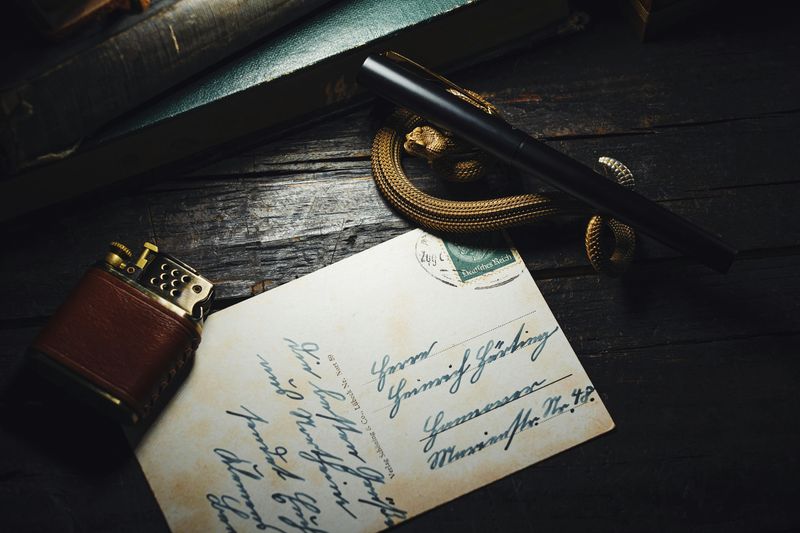
Before texts and emails, keeping in touch with distant loved ones meant sitting down with pen and paper to craft thoughtful letters.
Boomers would write pages about their lives, seal envelopes, affix stamps, and wait days or weeks for responses to arrive in their mailboxes.
The anticipation of receiving mail created genuine excitement, and letters were treasured keepsakes saved in shoeboxes for years.
Handwriting revealed personality, and the physical act of writing forced people to organize their thoughts more carefully than rapid-fire texting allows.
Younger generations communicate instantly across continents with video calls and messaging apps that make waiting seem absurd.
The romance of letter-writing has become a nostalgic hobby rather than a necessity.
4. Rigid Gender Roles In Education And Careers

Boomer childhoods were shaped by strict expectations about what boys and girls could study, wear, and aspire to become professionally.
Girls took home economics classes learning to cook and sew while boys headed to shop class for woodworking and mechanics.
Career counselors steered young women toward nursing, teaching, or secretarial work, while men were encouraged to pursue engineering, medicine, or business leadership.
Women needed husbands to co-sign loans and faced workplace discrimination that was perfectly legal.
Today’s younger generations grow up with far more freedom to explore interests regardless of gender, though inequality certainly still exists.
The idea that your chromosomes should determine your career path feels archaic to Gen Z and Millennials who value individual choice.
5. Hitchhiking As A Safe, Common Mode Of Travel

Sticking out your thumb to catch a ride from strangers was once a perfectly normal way to get around town or cross the country.
Boomers regularly hitchhiked to school, work, or concerts without the fear that dominates today’s safety-conscious culture.
Drivers routinely picked up hitchhikers as a community service, and roadside thumb-travelers were seen as adventurous rather than reckless.
This trust in strangers reflected a different social fabric where communities felt smaller and people looked out for each other.
Modern parents would be horrified at the thought of their children accepting rides from unknown drivers.
Ride-sharing apps like Uber have brought back some convenience, but with digital tracking, ratings, and accountability that the old hitchhiking culture completely lacked.
6. Analog Research In Libraries Without Search Engines
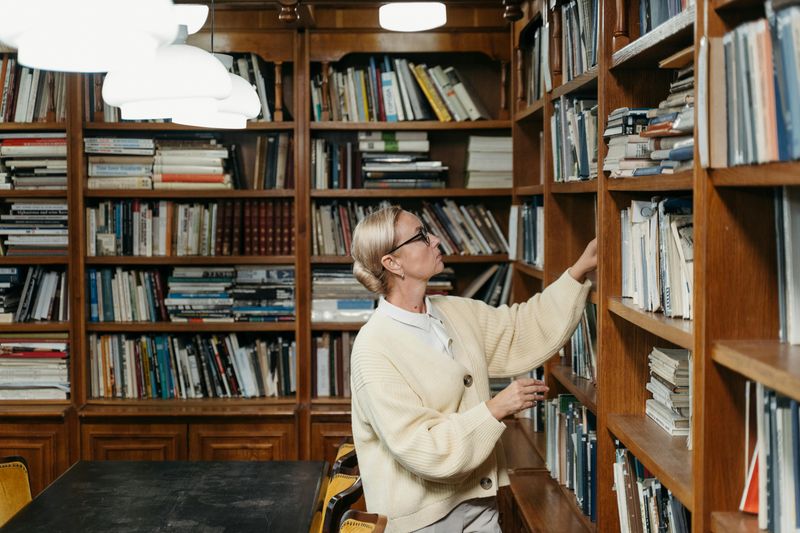
Finding information for school projects meant spending hours in libraries flipping through card catalogs and heavy encyclopedia volumes.
Boomers learned the Dewey Decimal System and developed relationships with librarians who helped navigate reference sections filled with dusty books.
Research required planning, note-taking on index cards, and physically traveling to where knowledge was stored rather than summoning it instantly.
The process was time-consuming but taught valuable skills in evaluating sources and organizing information systematically.
Today’s students Google their questions and get answers in seconds, often without leaving their bedrooms.
The idea of not having immediate access to the world’s information feels incomprehensible to digital natives who’ve never known life without search engines.
7. Manual Bank Transactions And Physical Savings

Managing money meant visiting bank branches during limited hours to deposit checks, withdraw cash, and update physical passbook savings accounts.
Boomers stood in teller lines, balanced checkbooks by hand, and waited days for checks to clear before funds became available.
Paying bills required writing checks, addressing envelopes, buying stamps, and mailing payments with enough time for postal delivery.
ATMs didn’t appear until the late 1970s, and even then, they were revolutionary novelties.
Younger generations handle finances entirely through mobile apps, instant transfers, and digital wallets without ever speaking to bank employees.
The concept of banking hours and waiting for transactions to process seems unnecessarily restrictive to those accustomed to 24/7 financial access.
8. Rotary Phones And The Effort Of Dialing
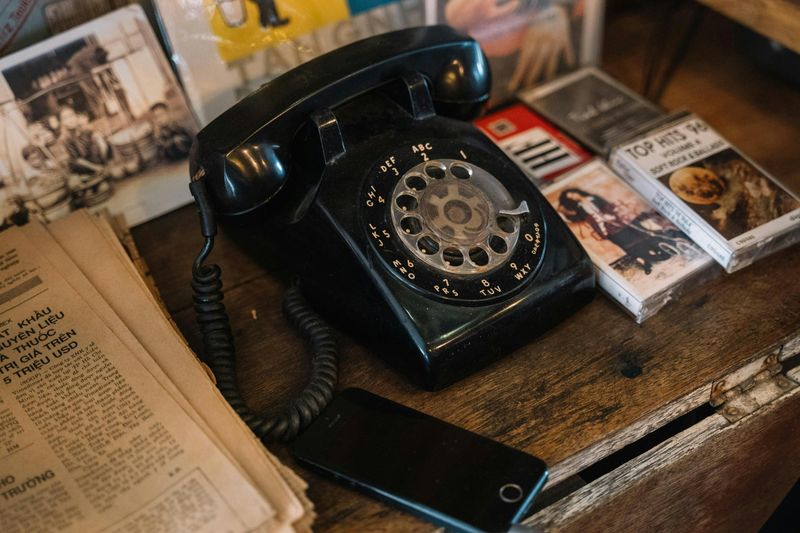
Making phone calls required physical effort as fingers pulled rotary dials clockwise for each number, then waited for the mechanism to spin back.
Long phone numbers with lots of nines or zeros took forever to dial, and a single mistake meant starting over from the beginning.
Phones were tethered to walls by cords, limiting conversations to specific rooms and preventing the multitasking that cordless and mobile phones enable.
Busy signals were common frustrations, and there was no caller ID to screen unwanted calls.
Today’s touchscreens and voice-activated calling make communication effortless and instantaneous.
Younger generations who’ve never encountered a rotary phone find them charming antiques rather than functional communication devices they’d actually want to use daily.
9. Carbon Copies And Duplicating Documents Manually
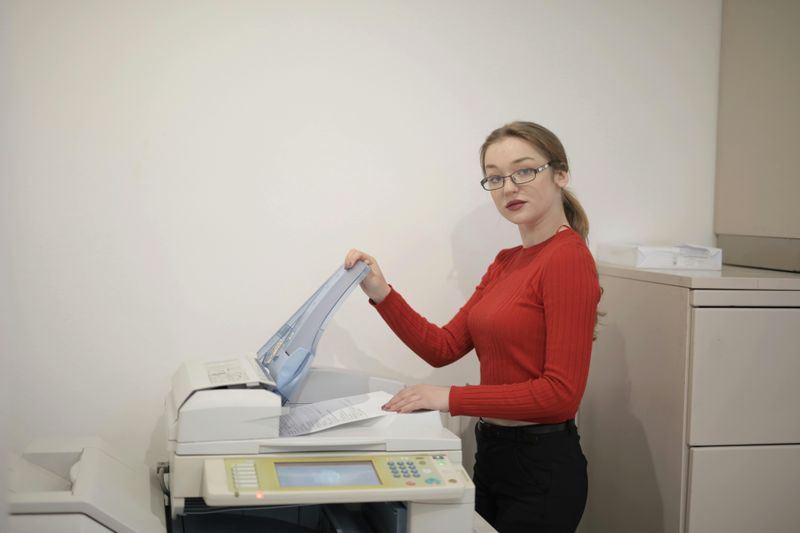
Creating document copies required inserting carbon paper between sheets and typing hard enough for the impression to transfer through multiple layers.
Boomers worked with messy carbon sheets that stained fingers black and produced progressively fainter copies the more sheets you stacked.
Mimeograph machines in schools created purple-inked worksheets with that distinctive chemical smell students still remember decades later.
Making corrections meant fixing each carbon copy individually or accepting that duplicates would show errors.
Modern photocopiers, scanners, and digital documents make replication instant and perfect.
The physical labor and mess involved in duplicating information feels absurdly primitive to generations who’ve always had printers and cloud storage for sharing documents with unlimited recipients simultaneously.
10. Vinyl Records And The Ritual Of Music Consumption
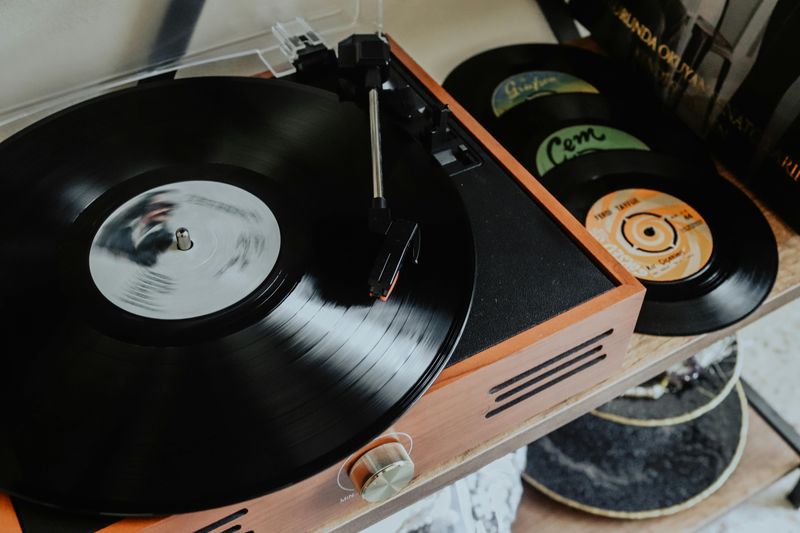
Listening to music was an intentional activity involving carefully removing vinyl records from sleeves, placing them on turntables, and gently lowering needles onto spinning grooves.
Boomers treated albums as complete artistic statements, listening to entire sides without skipping tracks, flipping records halfway through the experience.
Album artwork was large and meaningful, often studied while music played through living room speakers.
Scratches and skips were inevitable, and records required careful handling and storage to preserve sound quality.
Today’s streaming services offer millions of songs instantly accessible without physical media or deliberate listening rituals.
Younger generations curate playlists and shuffle endlessly rather than committing to full albums, making the vinyl experience feel charmingly old-fashioned.
11. The Fear Of Nuclear Annihilation
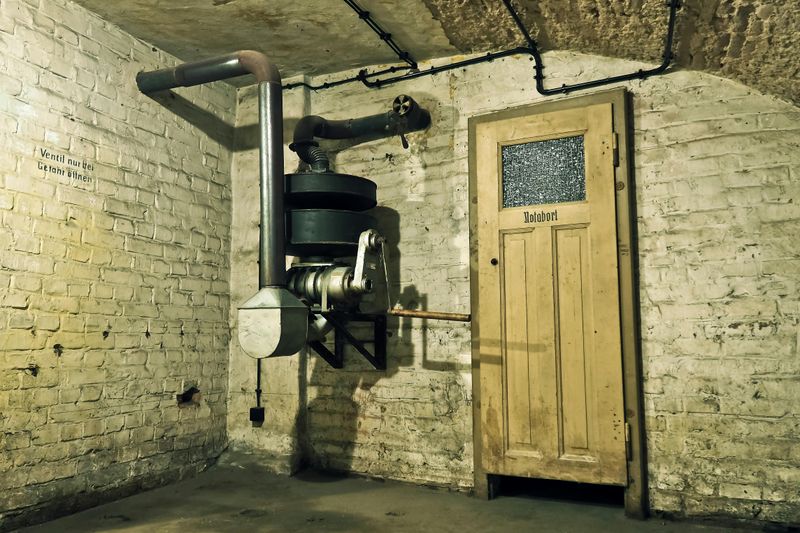
Boomers grew up practicing duck-and-cover drills at school, genuinely believing desks might protect them from atomic bombs during the Cold War.
Air raid sirens tested regularly, fallout shelter signs marked buildings, and families built basement bunkers stocked with canned goods and water.
The Cuban Missile Crisis brought the world terrifyingly close to nuclear war, creating anxiety that shaped an entire generation’s worldview.
Public service announcements taught children survival techniques for nuclear attacks as casually as fire safety.
While younger generations face climate change and other existential threats, the immediate terror of potential nuclear holocaust feels historically distant.
The specific fear of Soviet missiles destroying American cities in minutes was uniquely intense for Boomers who lived through that era.
12. Saturday Morning Cartoons As Scheduled Entertainment
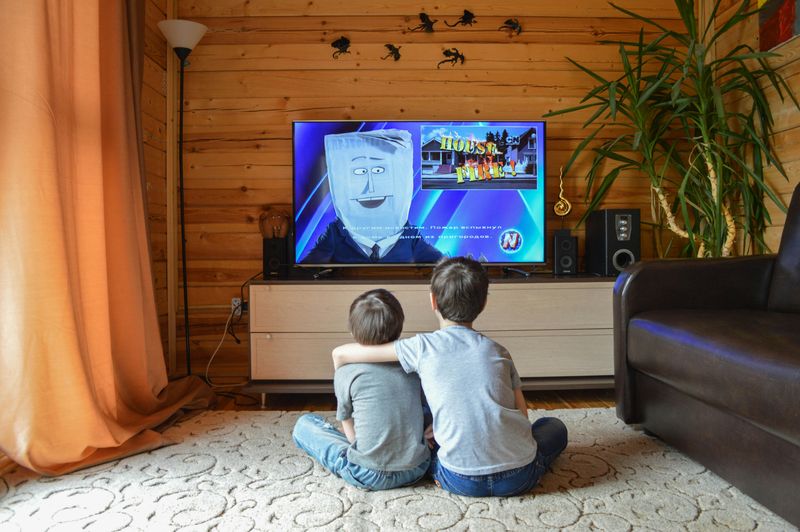
Weekend mornings meant waking up early to catch cartoons that aired only during specific time slots, with no option to pause, rewind, or watch later.
Boomers planned their Saturdays around television schedules, eating cereal in pajamas while networks broadcast hours of animated shows specifically for children.
Missing an episode meant waiting months for summer reruns since recording wasn’t possible for most families.
Commercial breaks were unavoidable parts of the experience, and programming ended by noon, forcing kids outdoors for the rest of the day.
Streaming services now offer unlimited cartoons on-demand anytime, anywhere.
The concept of appointment television and scarcity-driven entertainment value is completely foreign to kids who’ve never known content limitations or fixed broadcast schedules.