 MomSkoop

Getting engaged is exciting, but before you say yes to forever, there are some important truths worth knowing. Understanding what marriage really involves can help you build a stronger foundation with your partner. These insights will prepare you for a realistic and fulfilling journey together.
1. Finances Deserve Honest Conversations Early

Money might not seem romantic, but talking about it now saves heartache later.
Couples who discuss financial goals, spending habits, and debt before engagement avoid many common conflicts.
Whether one person is a saver and the other a spender, understanding these differences helps you create a plan together.
Ask about student loans, credit card debt, and future goals like buying a home or traveling.
Some couples even meet with a financial advisor before getting engaged.
Being open about money shows maturity and builds trust that will last through every stage of your relationship together.
2. Love Isn’t Enough Without Compatibility

Falling in love feels amazing, but shared values and life goals matter just as much.
You might love someone deeply but still disagree on major issues like where to live, whether to have children, or how to spend free time.
Compatibility means your lives can blend smoothly without constant compromise on the things that matter most.
Ask yourselves if you want similar futures.
Do your religious beliefs align?
How do you each handle stress?
Love provides the spark, but compatibility keeps the fire burning for decades.
When both exist together, you create a partnership that thrives.
3. Your Partner Won’t Meet Every Emotional Need

No single person can be your everything, and expecting that creates unfair pressure.
Your partner will be your best friend and biggest supporter, but you still need other relationships.
Friends, family, hobbies, and personal interests keep you balanced and happy.
When you rely only on your partner for happiness, it can strain the relationship.
Maintain your friendships and pursue activities you enjoy independently.
This makes you a healthier, more interesting partner.
Marriage works best when two whole people come together, not when two halves try to make one complete person.
Give each other space to grow individually.
4. Conflict Will Happen, Even in Healthy Marriages
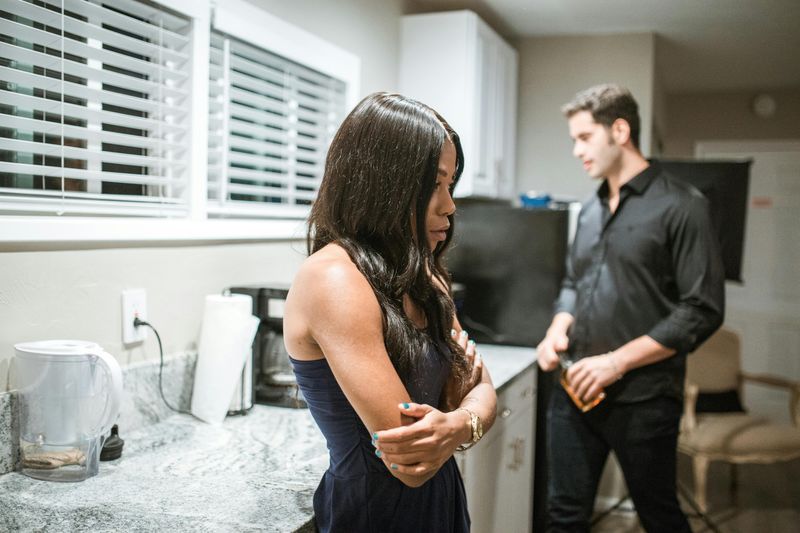
Disagreements are normal and can actually strengthen your bond when handled well.
Every couple argues sometimes because two different people will naturally see things differently.
The key is learning to fight fair without name-calling, stonewalling, or bringing up past mistakes.
Healthy conflict means listening to understand, not just to respond.
Practice staying calm and taking breaks when emotions run high.
Learn your partner’s communication style now.
Some people need time to process before talking, while others prefer immediate discussion.
When you respect these differences and commit to resolving issues together, conflict becomes an opportunity for growth.
5. Boundaries with Family Matter More Than You Expect
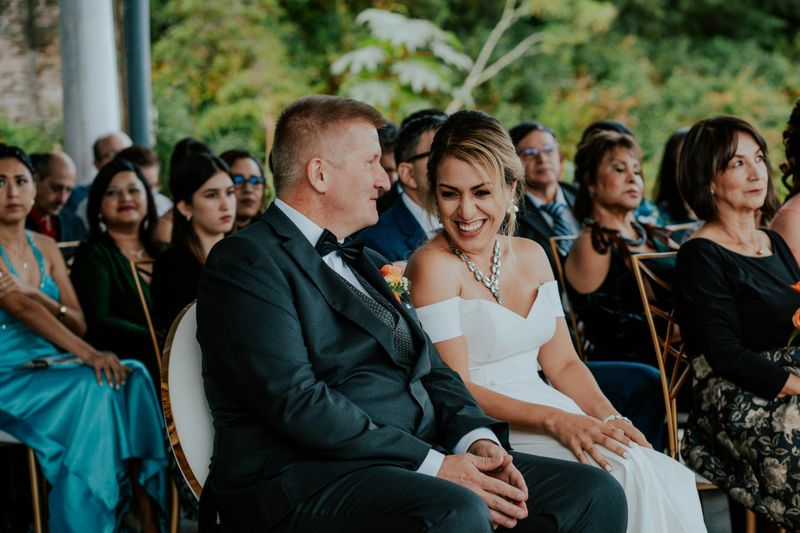
Establishing limits with parents and in-laws protects your new family unit.
Marriage means your spouse becomes your primary family, which can be a difficult adjustment for everyone.
You might need to set boundaries about surprise visits, unsolicited advice, or holiday expectations.
Talk with your partner now about how you’ll handle family dynamics.
Will you spend every holiday with one set of parents?
How will you handle criticism or interference?
Presenting a united front shows families that you’re a team.
Boundaries aren’t about being mean; they’re about creating healthy space for your marriage to flourish without outside pressure.
6. Marriage Amplifies Existing Issues

Problems you have now won’t magically disappear after you say your vows.
If your partner struggles with jealousy, poor communication, or anger management before marriage, those issues will likely intensify under the stress of married life.
Marriage doesn’t fix people or relationships.
Address concerns honestly before committing forever.
Consider premarital counseling to work through existing challenges.
Some couples benefit from therapy even when things seem fine.
A professional can help you identify blind spots and build stronger communication skills.
Don’t assume love will conquer all problems.
Instead, put in the work now to create patterns that will serve you well.
7. It’s Okay to Take Your Time

Rushing into engagement because of pressure or timelines often leads to regret.
Your friends might be getting married, or family members might ask when you’re taking the next step, but your relationship timeline is yours alone.
Some couples know after six months, while others need several years.
There’s no universal right answer.
Pay attention to how you feel, not what others expect.
Make sure you’ve experienced different seasons of life together.
Have you weathered challenges?
Celebrated successes?
Taking time to truly know someone in various circumstances builds confidence in your decision.
A strong foundation is worth the wait.
8. Independence Strengthens the Relationship

Maintaining your own identity makes you a better partner and keeps the relationship fresh.
You don’t have to do everything together or share every interest.
Having separate hobbies, career goals, and friendships gives you interesting things to talk about and prevents codependency.
Encourage each other’s individual growth.
If he loves hiking and you prefer painting, that’s perfectly healthy.
Pursue your passions and support his too.
When you come together after time apart, you bring new energy and experiences to share.
Independence doesn’t mean you love each other less; it means you’re confident enough to be yourselves.
9. Attraction Evolves Over Time

Physical chemistry matters, but it changes as you grow older together.
The butterflies you feel now will settle into something deeper and more comfortable.
Bodies change with age, stress, and life events like pregnancy or illness.
What keeps attraction alive is emotional connection and mutual respect.
Couples who stay attracted to each other for decades prioritize intimacy beyond just physical appearance.
They flirt, show appreciation, and make time for romance.
They see each other’s character and kindness as beautiful.
Initial sparks are wonderful, but lasting attraction is built through consistent effort, vulnerability, and choosing to see your partner with loving eyes.
10. Partnership Means Choosing Each Other Daily

Marriage isn’t just a one-time decision on your wedding day.
Every single day, you choose to prioritize your partner, work through difficulties, and invest in your relationship.
Some days that choice feels easy and joyful.
Other days, when you’re tired or frustrated, it requires real effort.
Successful marriages happen when both people consistently choose commitment over convenience.
You’ll face temptations, challenges, and mundane routines that test your dedication.
What matters is showing up anyway.
Small daily choices—listening attentively, expressing gratitude, offering forgiveness—build a lifetime of love.
Partnership is active, not passive.