 MomSkoop
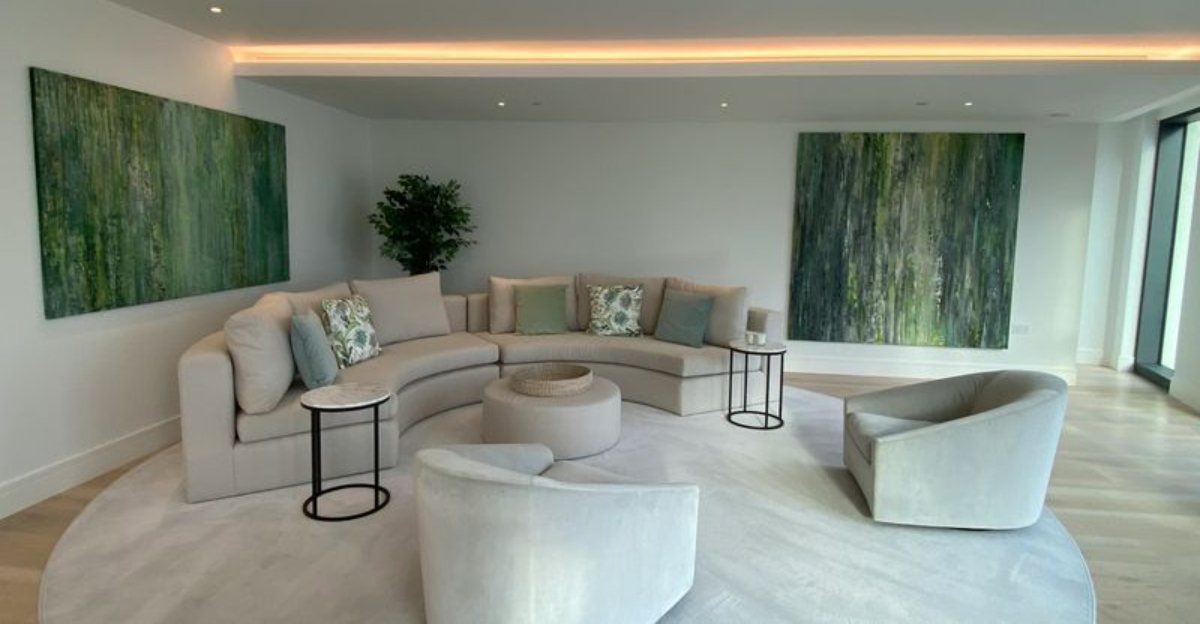
Your living room should feel warm, welcoming, and complete—but sometimes it just doesn’t. Even with furniture in place, something still feels off.
Interior designers know the common culprits that leave a space feeling unfinished, and the good news is that most are easy to fix with a few thoughtful changes.
1. No Area Rug (or One That’s Too Small)
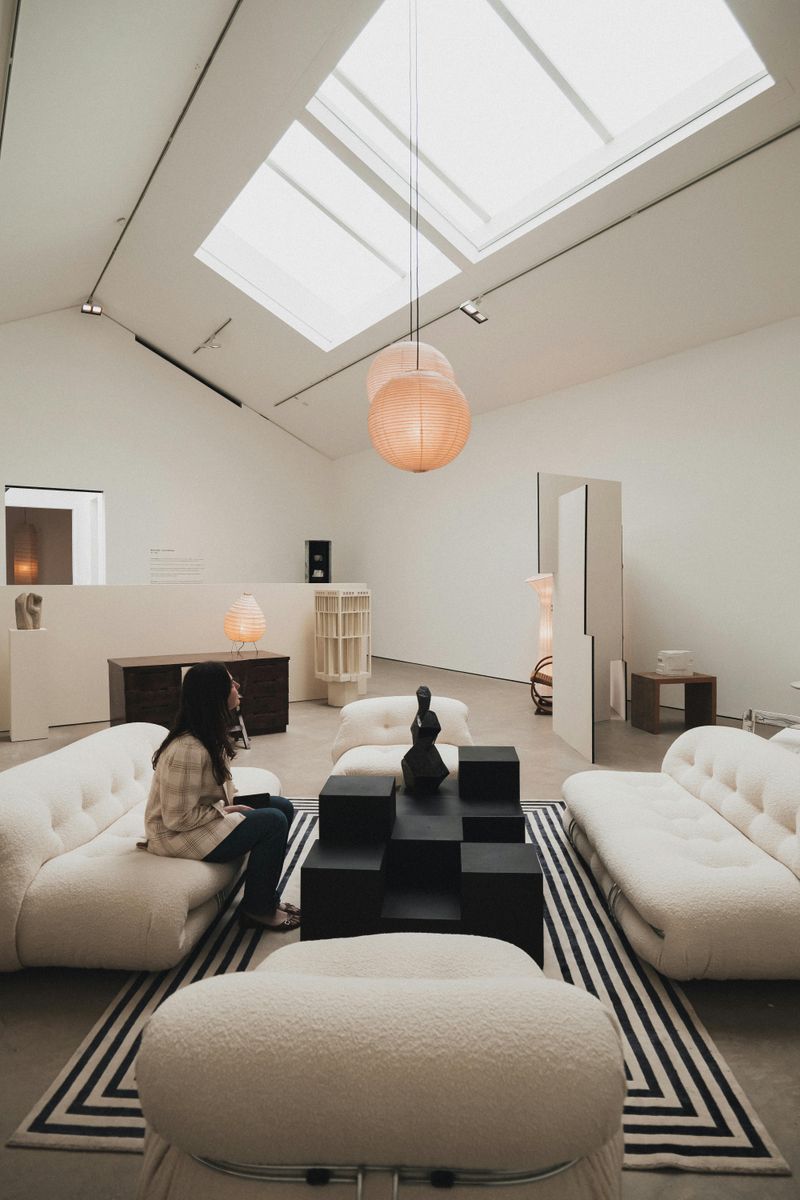
A rug does more than protect your floors—it anchors your entire living room layout.
When furniture sits on bare flooring, everything looks like it’s floating in space rather than belonging together.
This disconnected feeling makes the room seem unfinished, no matter how nice your sofa or coffee table might be.
Designers recommend choosing a rug large enough so that at least the front legs of your furniture rest on it.
This creates a cohesive zone that pulls the eye inward and makes the space feel intentional.
A too-small rug has the opposite effect, chopping up the room visually and making it feel smaller.
Invest in proper sizing, and your living room will instantly feel more polished and put-together.
2. Lack of Layered Lighting
Overhead lighting alone creates harsh shadows and a flat, uninviting atmosphere.
Relying on a single ceiling fixture is one of the biggest mistakes homeowners make.
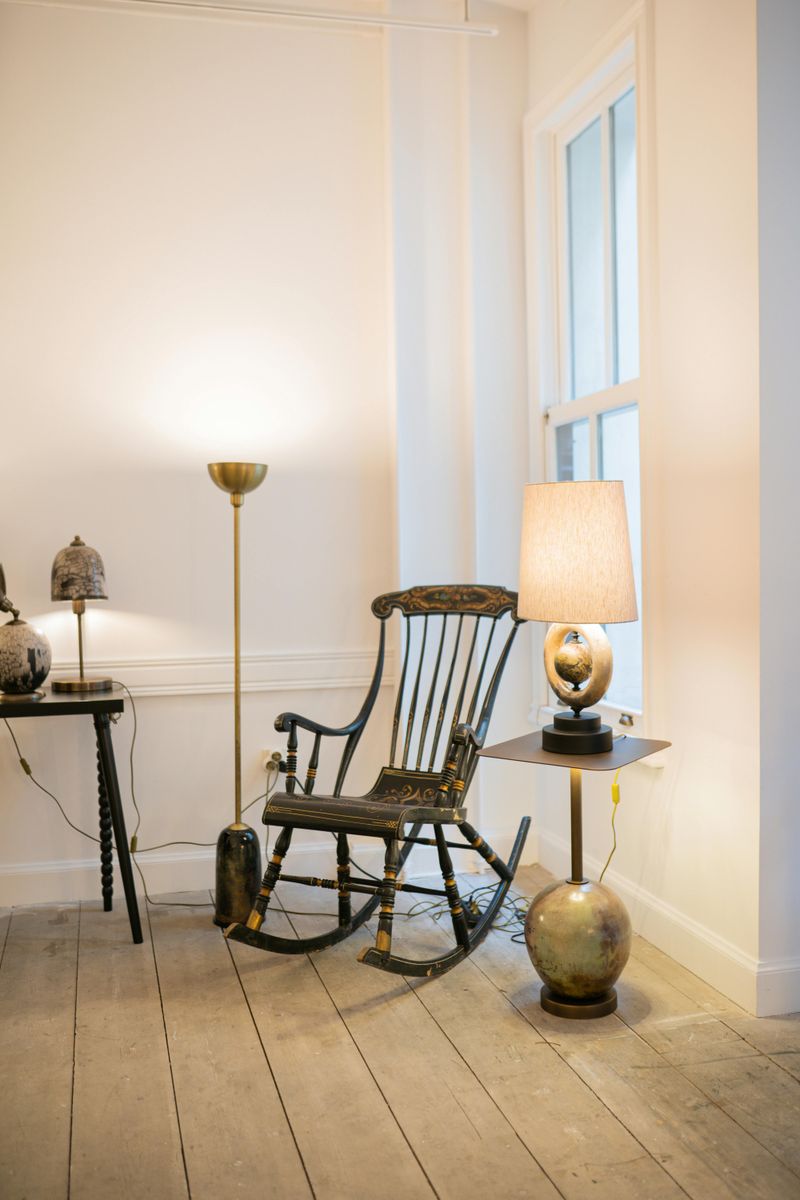
Designers know that beautiful rooms need multiple light sources working together to create depth and warmth.
Layering your lighting means combining ambient, task, and accent lights.
Floor lamps brighten dark corners, table lamps add coziness to side tables, and dimmable fixtures let you control the mood.
This approach transforms a cold, one-dimensional space into something that feels alive and welcoming.
Even budget-friendly lamps can make a huge difference.
Start with two or three sources and notice how much more complete your living room feels at any time of day.
3. Bare or Underdecorated Walls
Empty walls send a message that the room isn’t quite finished yet.
Even if your furniture is perfect, blank vertical space makes everything feel sparse and impersonal.
Art, mirrors, shelves, and other wall decor bring personality and visual interest that complete the overall design.
One common mistake is hanging artwork that’s too small for the wall.
A tiny frame on a big expanse looks lost and awkward.
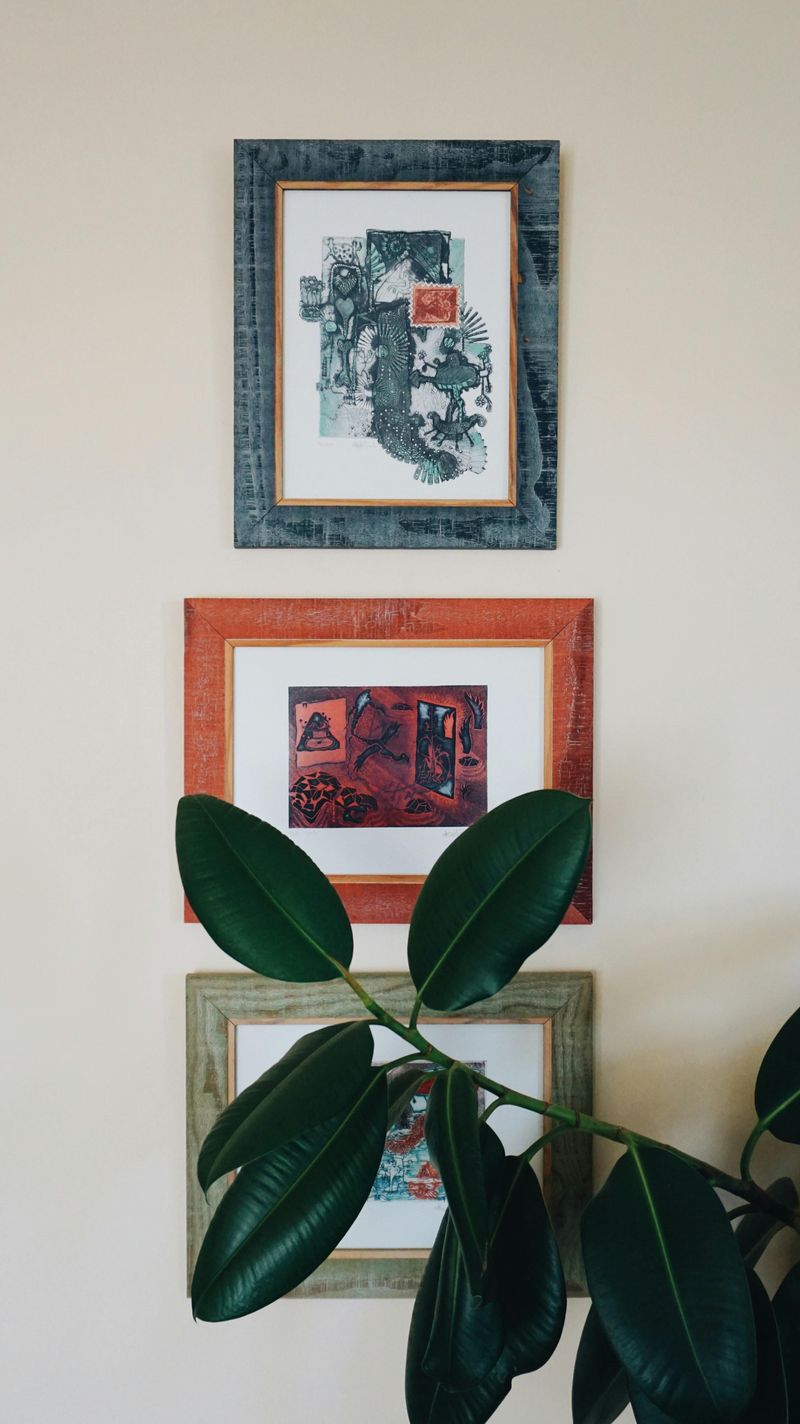
Designers suggest going larger than you think or creating a gallery wall to fill the space properly.
Don’t be afraid to mix textures and styles—woven hangings, framed prints, floating shelves with plants, or statement mirrors all work beautifully.
Your walls are valuable real estate, so use them to tell your story.
4. Furniture Pushed Against the Walls
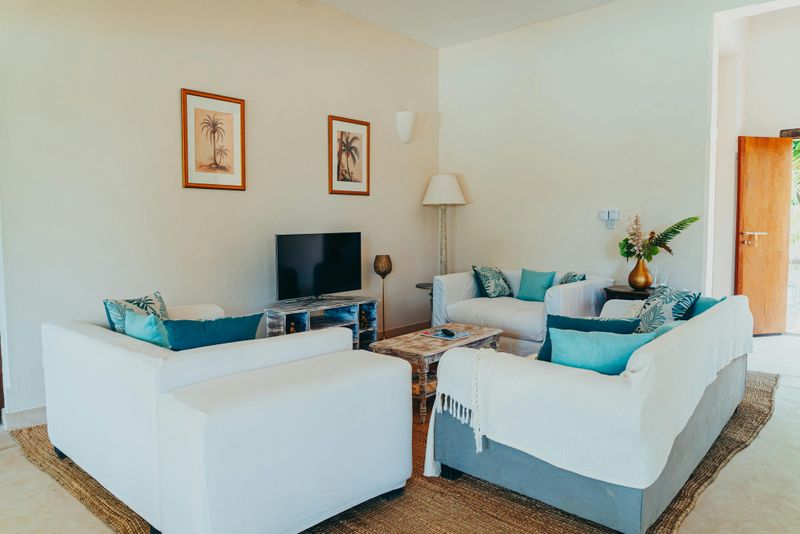
It might seem like pushing everything to the edges creates more space, but it actually does the opposite.
Rooms arranged this way feel hollow and awkward, like a waiting room rather than a cozy living area.
Designers call this the “bowling alley effect,” and it’s surprisingly common.
Pulling furniture away from the walls—even just a few inches—makes the layout feel intentional and inviting.
Floating your sofa or angling chairs toward each other encourages conversation and creates natural pathways.
This arrangement also makes the room feel larger because it defines distinct zones within the space.
Try repositioning just one piece of furniture and see how the energy shifts.
You’ll be amazed at how much more complete and welcoming your living room becomes.
5. Missing Window Treatments
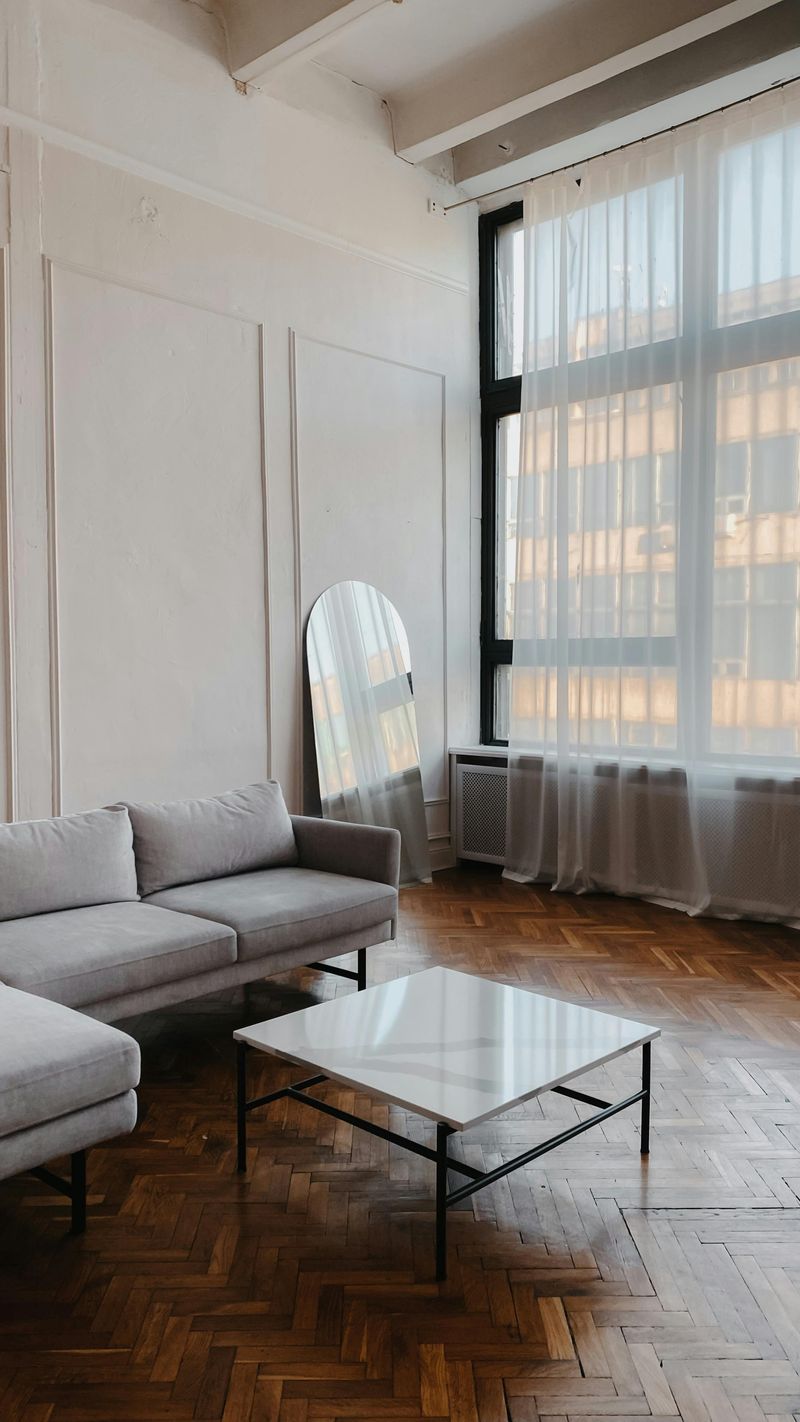
Bare windows can make even the most beautiful living room feel cold and temporary, like you just moved in yesterday.
Curtains, shades, or blinds add softness, texture, and a sense of completion that naked glass simply can’t provide.
They also help control light and privacy, making your space more functional.
Designers love floor-length curtains hung high and wide because they make ceilings look taller and windows appear larger.
Even simple linen panels can transform the feel of a room without breaking the budget.
The key is choosing treatments that complement your style while adding visual weight to the walls.
Don’t skip this step—window treatments are the finishing touch that brings everything together and makes your living room feel truly done.
6. Too Few Decorative Accents
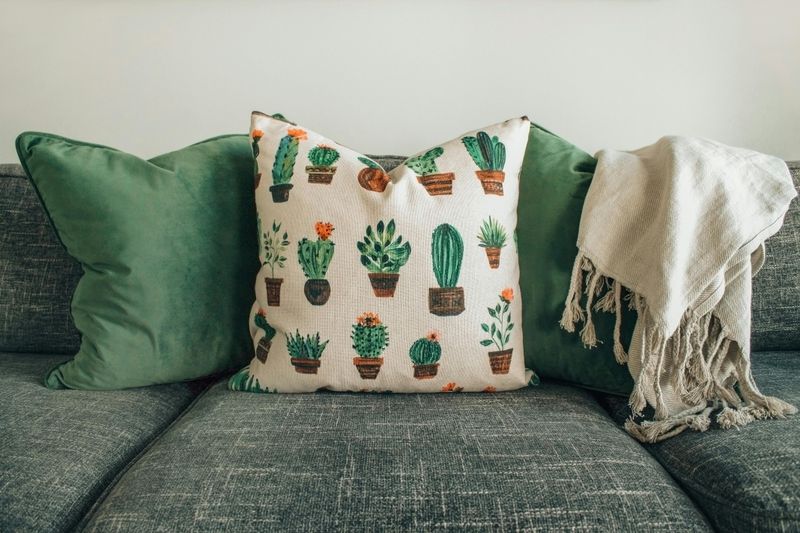
Pillows, throws, books, candles, and personal objects are what make a living room feel lived-in rather than staged.
Without these finishing touches, your space can look like a furniture showroom—technically complete but emotionally empty.
Designers use accents to inject personality, color, and warmth into every corner.
Start with throw pillows in varying textures and sizes on your sofa.
Add a cozy blanket draped over an armchair.
Stack a few favorite books on the coffee table alongside a small plant or decorative bowl.
These small details make a huge difference in how inviting your room feels.
They tell guests this is a real home where people relax, read, and enjoy life—not just a pretty picture from a catalog.
7. No Focal Point
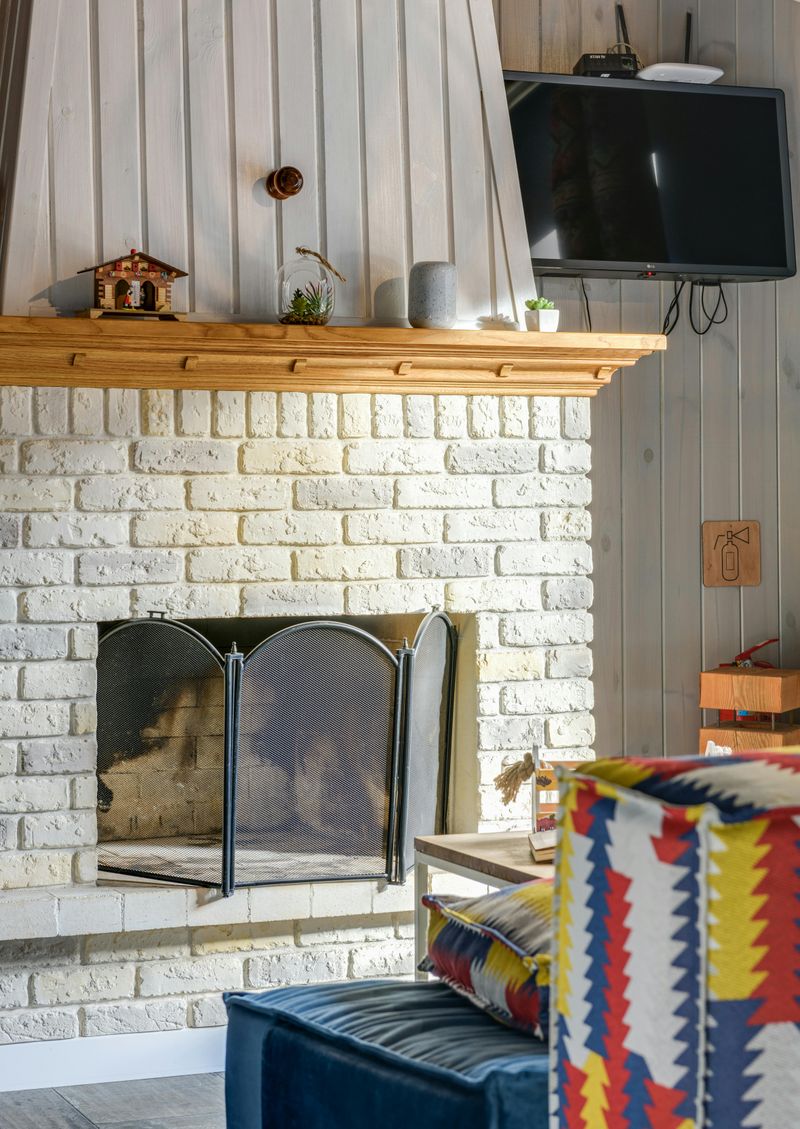
Every well-designed living room needs a visual anchor—something that draws the eye and gives the space direction.
Without a focal point, rooms feel aimless and unfinished, like they’re missing a central purpose.
Common focal points include fireplaces, large pieces of art, media consoles, or even a stunning window view.
If your room lacks a natural focal point, you can create one.
Hang a bold piece of artwork, arrange furniture around a beautiful rug, or install floating shelves as a feature wall.
The goal is to give people somewhere to look when they enter the room.
Once you establish this anchor, everything else falls into place more easily.
Your furniture arrangement, lighting, and decor can all support and enhance that central feature beautifully.
8. Ignoring Scale and Proportion
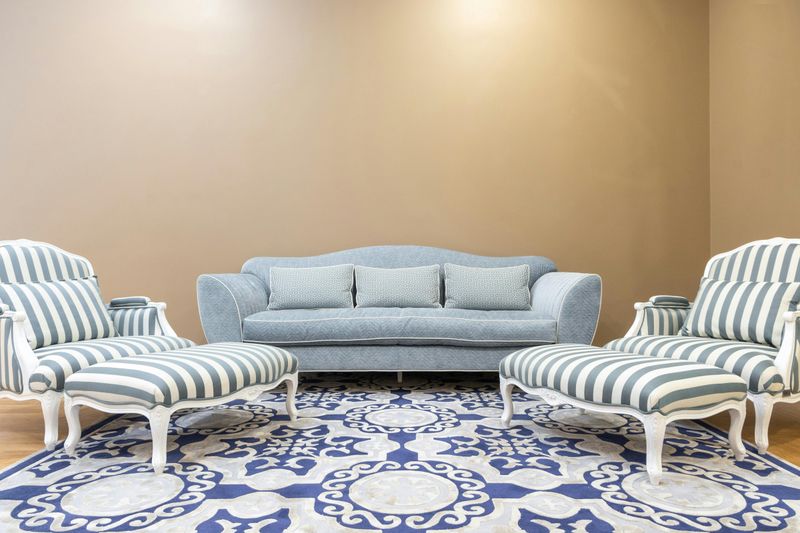
Furniture that’s too big or too small for your living room throws off the entire balance, making the space feel oddly empty even when it’s fully furnished.
A massive sectional in a tiny room feels suffocating, while delicate furniture in a large space looks lost and insignificant.
Designers obsess over scale because getting it right is essential to a polished look.
Before buying furniture, measure your room and map out how pieces will fit together.
Consider ceiling height too—tall bookcases and vertical elements work beautifully in rooms with high ceilings but overwhelm smaller spaces.
Proportion also matters in your decor choices.
Pair large lamps with substantial tables, and choose artwork sized appropriately for your walls.
When everything is properly scaled, your living room feels harmonious and complete.