 MomSkoop

After two decades of shared routines, inside jokes, and tangled timelines, divorce doesn’t just end a marriage—it rewrites your entire sense of normal.
The logistics are one thing, but the emotional weirdness?
That’s a whole other beast.
Here are twelve strange truths about splitting up after twenty years that nobody really talks about until you’re living them.
1. The Silence After the Kids Are Asleep

Once the children drift off, a peculiar quiet settles in.
It’s not the peaceful kind you read about in self-care articles, nor is it crushingly lonely.
Instead, it feels oddly unfamiliar, like walking into a room where all the furniture has been removed and the echoes sound different.
You find yourself noticing sounds you never paid attention to before—the hum of the refrigerator, the creak of floorboards, your own breathing.
For twenty years, evening silence meant someone else was nearby, even if neither of you spoke.
Now that default presence is gone, and you’re left adjusting to a new baseline of solitude that feels neither good nor bad—just strange and unexpectedly disorienting in its newness.
2. Realizing Half Your Memories Live with Someone Else
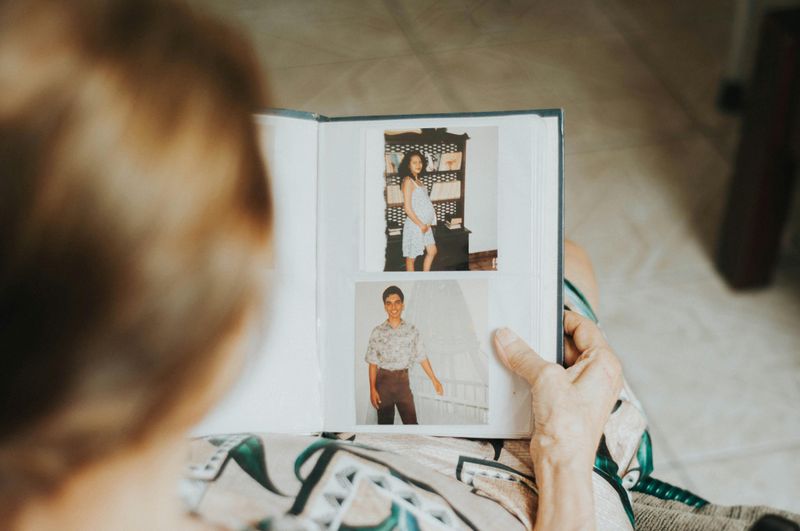
Memories aren’t just stored in your brain—they’re co-owned.
That vacation to the coast, the night the basement flooded, the way your kid mispronounced ‘spaghetti’ for years.
All those moments were witnessed and remembered by someone who no longer shares your daily life.
You can’t just turn to them and say, ‘Remember when…?’ anymore.
Half your personal history now resides with a person you’re actively separating from, and it creates this bizarre sense of loss that has nothing to do with missing them specifically.
It’s more like losing access to a shared hard drive.
The files still exist, but you can’t retrieve them the same way, and that disconnection feels unexpectedly heavy.
3. Grocery Shopping for One and Still Overestimating

Standing in the pasta aisle, you grab a box like you always have—only to realize later that you’ve bought enough rigatoni to feed a small army.
Cooking for one sounds simple in theory, but after twenty years of shopping for a family, your brain refuses to recalibrate.
You end up with three bell peppers when you need half of one, a gallon of milk that expires before you finish it, and leftovers that mock you from the fridge for days.
It’s not just about quantity; it’s about unlearning decades of automatic decisions.
Every trip to the store becomes a tiny reminder that your household has fundamentally changed, and even mundane tasks require conscious thought now.
4. Your Phone Suddenly Feels Heavier

It’s not the actual weight—it’s everything stored inside.
Your phone still operates like it did when you were part of a ‘we.’ Shared calendars, joint app subscriptions, cloud photo libraries full of family moments, and passwords you both knew by heart.
Now you’re scrolling through digital remnants of a shared life, deciding what to delete, what to keep, and what to quietly ignore.
Every notification feels loaded with potential emotional landmines.
The device that once connected you now serves as a constant reminder of untangling.
You have to rebuild your digital world from scratch, and it’s exhausting in ways you didn’t anticipate when you said ‘I do’ to merging everything twenty years ago.
5. Re-Learning Your Own Preferences

What do you actually like?
It’s a surprisingly hard question after two decades of compromise.
You’ve been ordering the same pizza toppings, watching the same types of shows, and planning vacations around mutual interests for so long that your individual tastes got quietly overwritten.
Now you’re standing in front of the thermostat wondering what temperature you prefer, or staring at paint swatches without a built-in second opinion.
It’s liberating and unsettling at the same time.
Rediscovering yourself sounds empowering in theory, but in practice, it means admitting you’ve lost track of who you are outside of ‘us.’ That realization can be both exciting and a little bit scary.
6. Time Stretches and Snaps Differently

Without someone tracking time alongside you, days feel elastic.
Weekends expand in strange ways—you can stay up late or wake up early without negotiating.
But then suddenly it’s Tuesday and you’re not sure what happened to Monday.
You used to have a shared rhythm: dinner at six, bedtime routines, weekend plans discussed over coffee.
Now time belongs entirely to you, and it’s both freeing and disorienting.
Some hours crawl, others vanish.
You realize how much of your internal clock was synced to another person’s schedule, and now you’re drifting untethered, trying to build a new relationship with time that feels entirely your own.
7. Hearing Your Old Last Name and Hesitating

Someone calls you by your married name—or maybe your maiden name—and there’s this split-second pause where your brain has to decide if it’s still you.
Names carry identity, and after twenty years, yours got tangled up with someone else’s.
Changing it back (or keeping it) isn’t just paperwork; it’s a statement about who you are now.
Every form you fill out, every introduction you make, becomes a tiny identity crisis.
You never expected a name to feel so heavy, but it does.
It’s tied to your kids, your career, your sense of self, and now you’re renegotiating all of it in real time.
8. Explaining Your Life to People Who Knew You as a Unit

Friends, coworkers, extended family—they all knew you as half of a pair.
Now you’re showing up solo, and the questions start.
Some are well-meaning, others painfully awkward, but all of them require you to explain a life shift you’re still figuring out yourself.
You become a walking FAQ, repeating the same sanitized version of events until it sounds rehearsed.
Meanwhile, people don’t know how to act around you anymore.
It’s like being introduced for the first time all over again, except everyone already has outdated information.
You’re rebuilding your social identity from scratch, and it’s exhausting to constantly manage other people’s discomfort.
9. Not Having a Default Witness Anymore

Something funny happens at work, or you see a bizarre bumper sticker on the highway, and you instinctively reach for your phone to share it—then remember.
That person who used to witness your life, who remembered things with you, isn’t on the other end anymore.
It’s not just about losing a partner; it’s losing your default audience.
The one who got your references, laughed at your observations, and validated your daily experiences simply by being there.
Now your moments exist in a kind of vacuum until you decide who else to share them with, and that decision requires effort that used to be automatic and effortless.
10. How Oddly Formal Some Friendships Become

Certain friends start acting weird—not hostile, just careful.
They’re waiting to see which version of you will emerge from this, and in the meantime, everything feels oddly polite and measured.
Conversations that used to flow naturally now feel like they’re walking on eggshells.
Some people pick sides without saying so.
Others overcompensate with forced cheerfulness.
A few disappear entirely, unable to navigate the discomfort.
You realize that some friendships were built on the foundation of your marriage, and now that it’s gone, those relationships don’t know how to stand on their own.
It’s another unexpected loss in a season already full of them.
11. Realizing You’re Both Older and More Inexperienced Than Expected
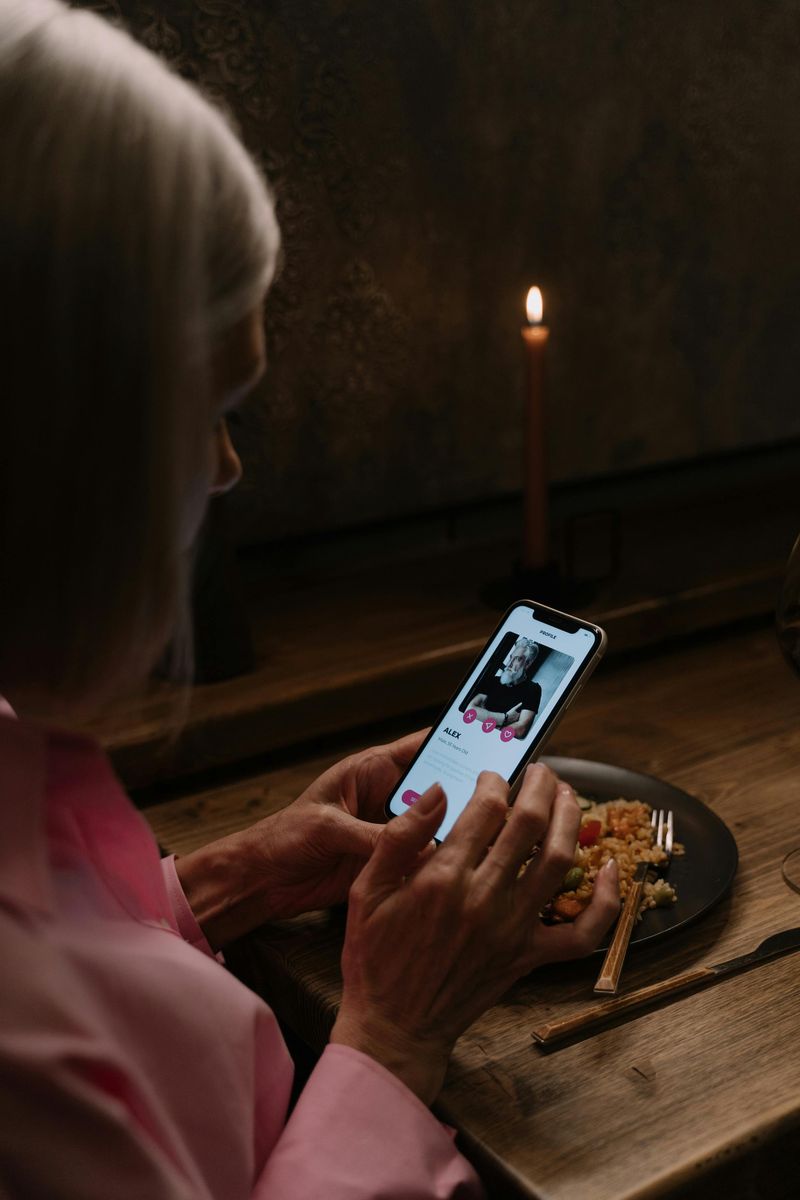
You’re in your forties or fifties, established in your career, seasoned by life—and yet, in some ways, you’re starting over like a twenty-something.
Dating apps, living alone, managing finances solo—it’s all new again, but this time with a mortgage and reading glasses.
You thought you’d have everything figured out by now, but instead, you’re navigating unfamiliar territory with none of the fearless energy you had in your twenties.
The combination of being older and feeling inexperienced is disorienting.
You’re wiser in some ways, but completely out of practice in others, and that paradox messes with your confidence more than you’d like to admit.
12. The Quiet Relief That Sneaks In—and the Guilt That Follows

Sometimes, in the middle of an ordinary moment, relief washes over you.
You’re eating cereal for dinner without judgment, or binge-watching a show no one else wanted to see, and you feel…lighter.
Then immediately, guilt crashes in behind it.
You’re not supposed to feel relieved, are you?
Not after twenty years, not when there are kids involved, not when it still hurts.
But relief and sadness aren’t mutually exclusive, even though it feels wrong to hold both at once.
This emotional whiplash becomes your new normal—freedom mixed with loss, peace tangled with regret, and no clear way to reconcile the two without feeling like a terrible person.