 MomSkoop
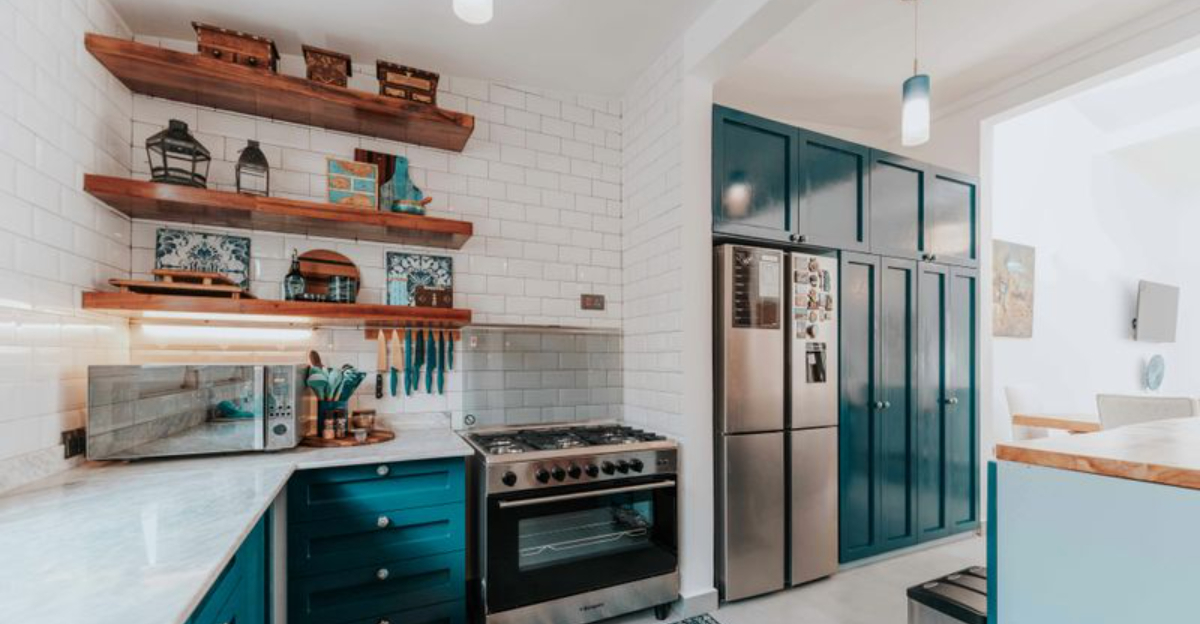
Home décor trends often come and go, but some fads are more fleeting than others.
Designers have identified a few that, though momentarily popular, are unlikely to make a comeback. Here are seven such trends that quickly faded from favor.
1. All-Gray Interiors
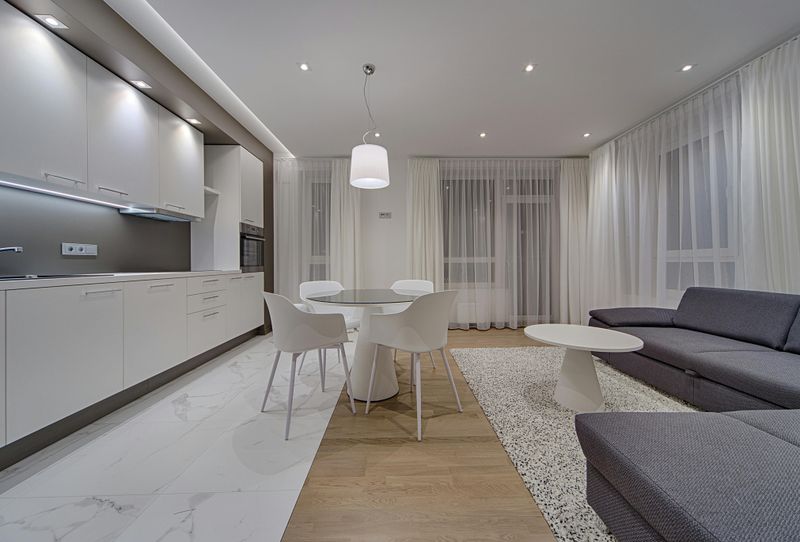
Gray was once hailed as the pinnacle of modern chic.
Its neutral tone seemed the perfect backdrop for any room, blending effortlessly with various styles.
However, the monochromatic approach created spaces that felt drab and lifeless.Warmer hues are making a welcome return, infusing homes with a cozier vibe.
Designers are now advocating for a balanced palette that includes earth tones and layered textures.Gray’s sterile monotony has given way to spaces that celebrate color and individuality.
Its one-dimensional charm is passé, replaced by a desire for vibrant, engaging environments that feel both welcoming and personal.
2. Overdone Shiplap Everywhere
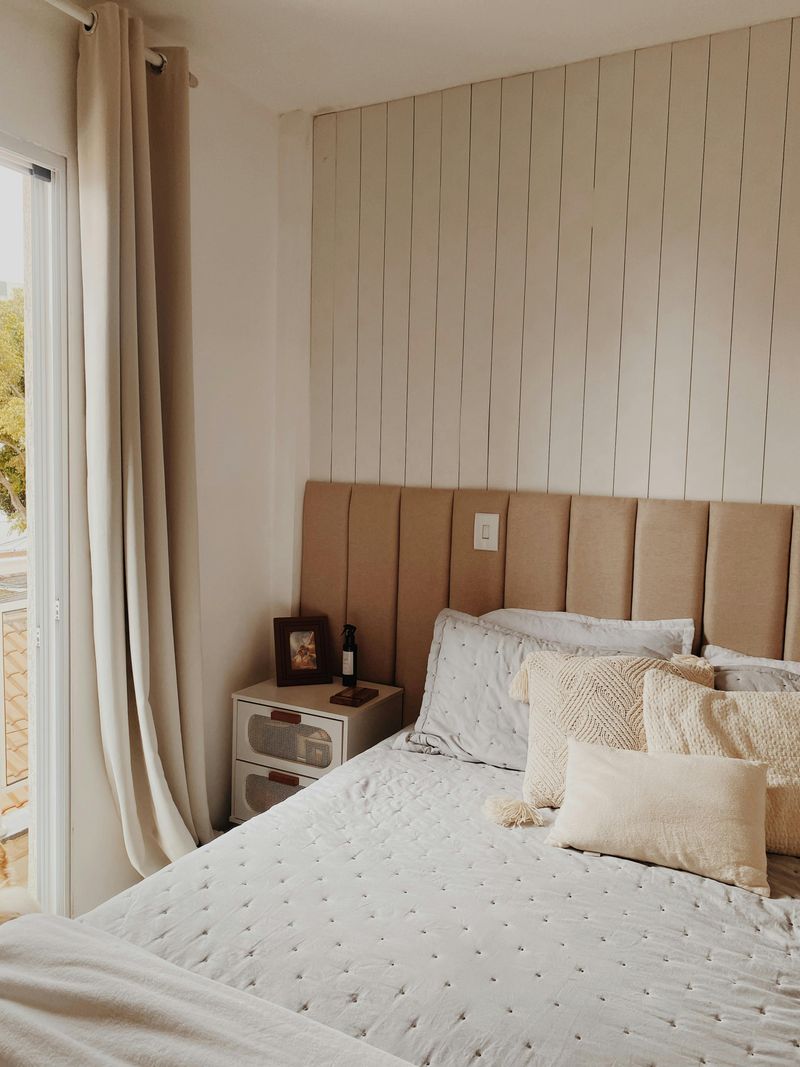
Shiplap was the darling of rustic and farmhouse aesthetics.
It added texture and a sense of countryside charm to homes, appearing in every room conceivable.
But the overuse soon led to a visual overload.
Designers now favor more restrained applications.
Instead of shiplap, options like plaster, limewash, or natural wood paneling offer subtlety without losing texture.
The trend has shifted towards authentic textures that enhance rather than dominate a space.
Shiplap’s ubiquity became its downfall, as spaces started to feel too uniform and devoid of personality, pushing designers to explore other materials.
3. Fast-Furniture Minimalism
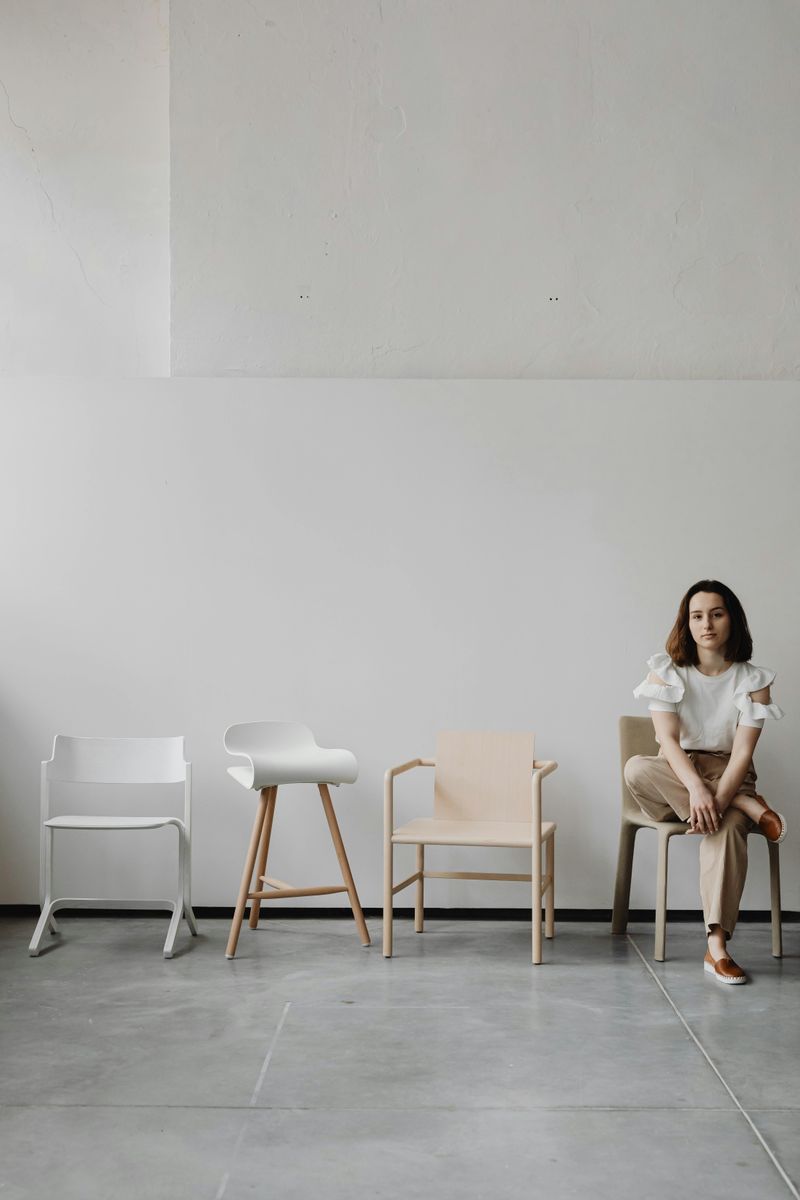
Minimalism resonated with those seeking simplicity, but the fast-furniture aspect led to uninspiring interiors.
The reliance on inexpensive, disposable items left rooms lacking depth and longevity.
As the trend wanes, the focus is on craftsmanship and meaningful design.
Interiors are becoming more personalized, with quality pieces that tell a story.
The transient nature of fast furniture didn’t stand the test of time.
Designers now embrace thoughtfully curated spaces that reflect individuality, moving away from the stark, impersonal aesthetics of its predecessor.
4. Barn Doors in Every Room
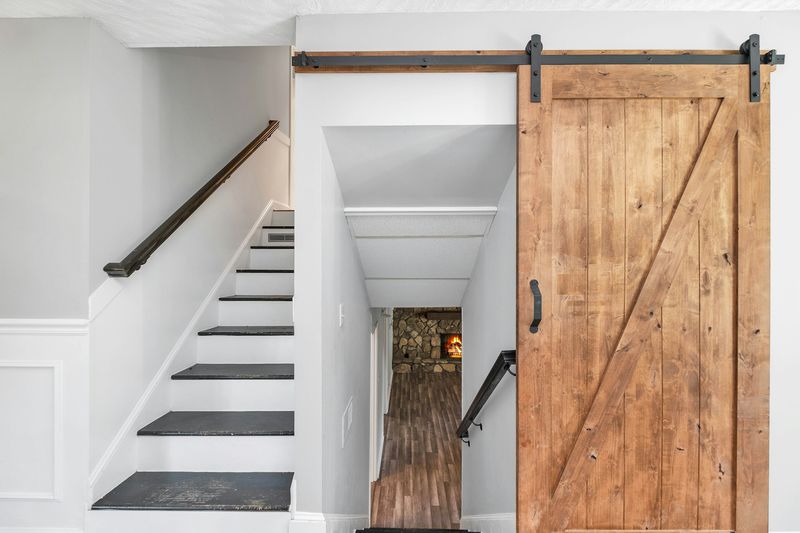
Barn doors brought a touch of rustic flair into homes.
Their sliding mechanism was a novel alternative to traditional doors, but the charm quickly wore off.
Issues with privacy and noise highlighted their impracticality in many settings.
Designers are now returning to classic swing doors or refined pocket doors that offer better functionality.
While barn doors had their moment, their widespread use diluted their appeal.
They became more of a novelty than a practical solution, leading to a resurgence in more traditional door designs that prioritize both form and function.
5. Open Shelving in Kitchens
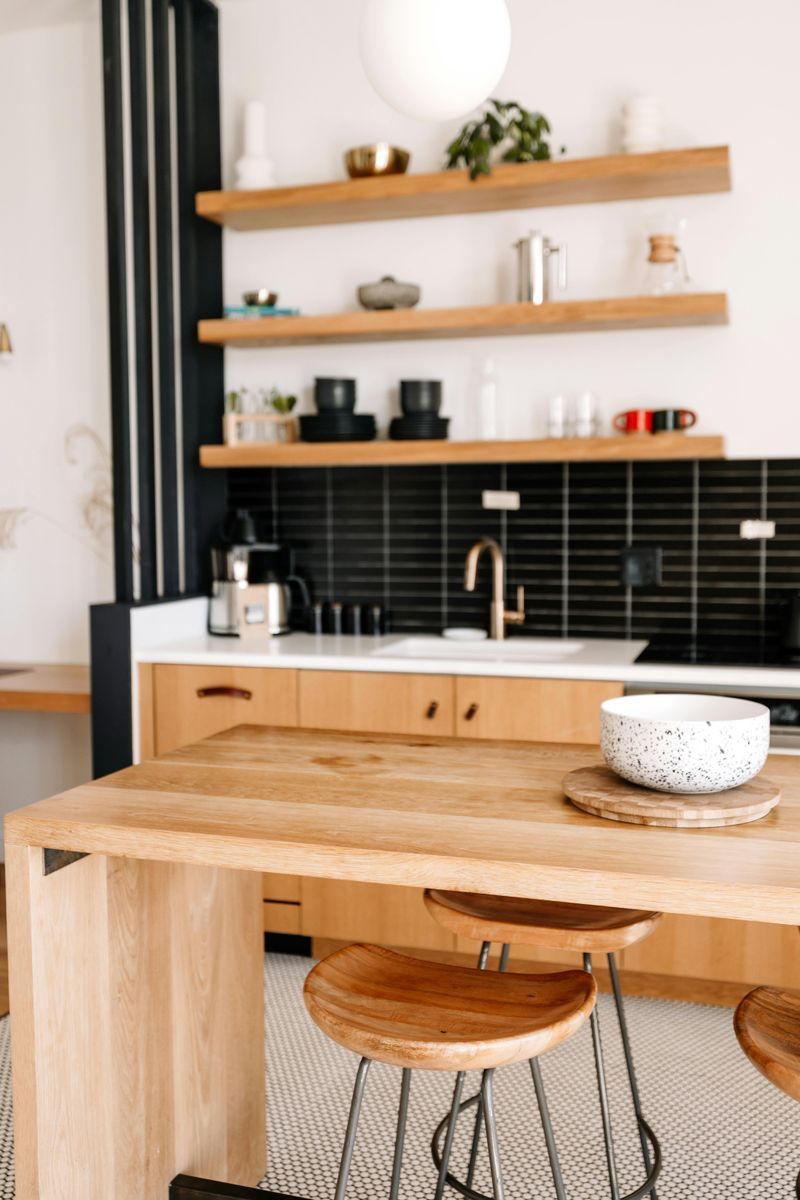
Open shelving seemed perfect for displaying beautiful dishware, but the reality was clutter and dust.
The impracticality became apparent as everyday living took its toll on the pristine aesthetic.
Designers are now veering back towards closed cabinetry, which offers a clean, timeless look.
It provides not just storage but also a sense of order.
Kitchens are returning to functionality over form, as open shelving’s allure fades.
The need for practicality in busy spaces is being prioritized, with closed solutions reigning once more.
6. Chevron and Overly Busy Geometric Patterns
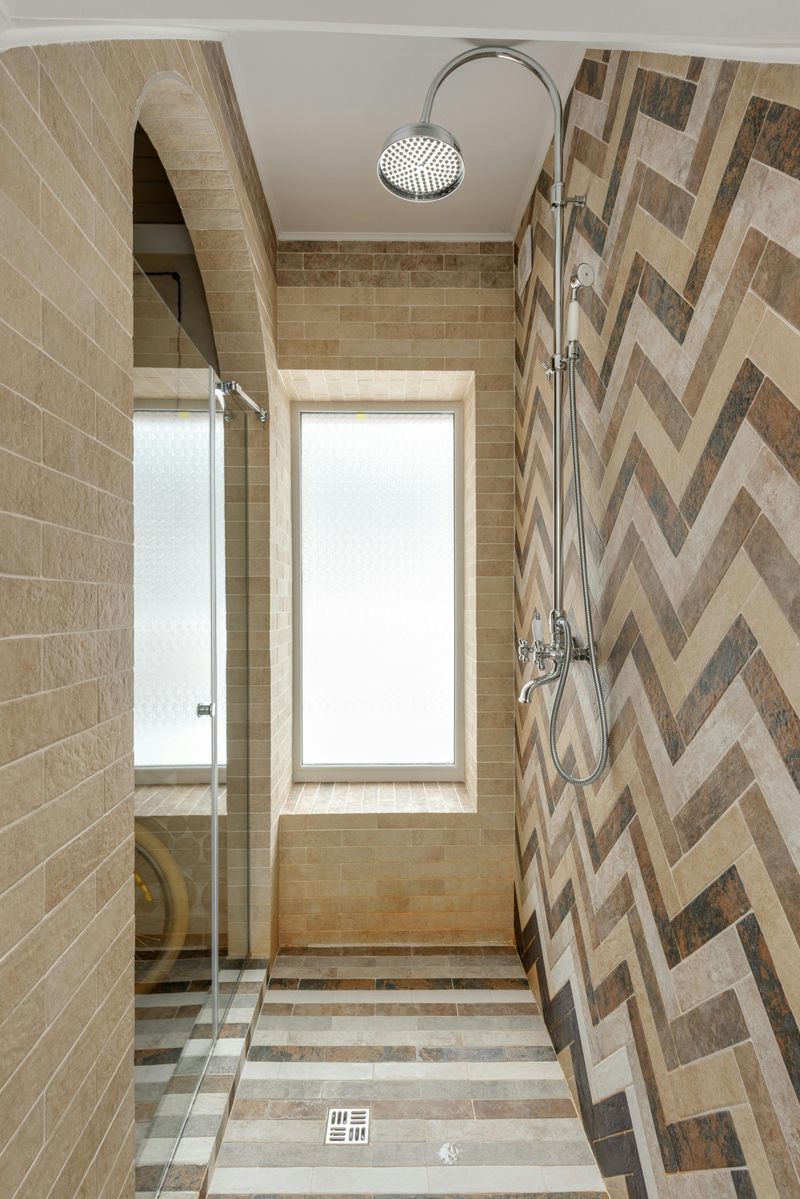
Chevron and busy patterns made bold statements in home décor.
Initially captivating, their repetitive nature soon felt overwhelming and dated.
Designers are opting for quieter textures and classic motifs that endure.
The move is towards timelessness and subtle elegance.
These patterns had their day, but their intense presence often overshadowed the rest of the space.
Now, the focus is on creating balance and harmony, allowing spaces to breathe and evolve naturally.
7. Word Art and Script Décor
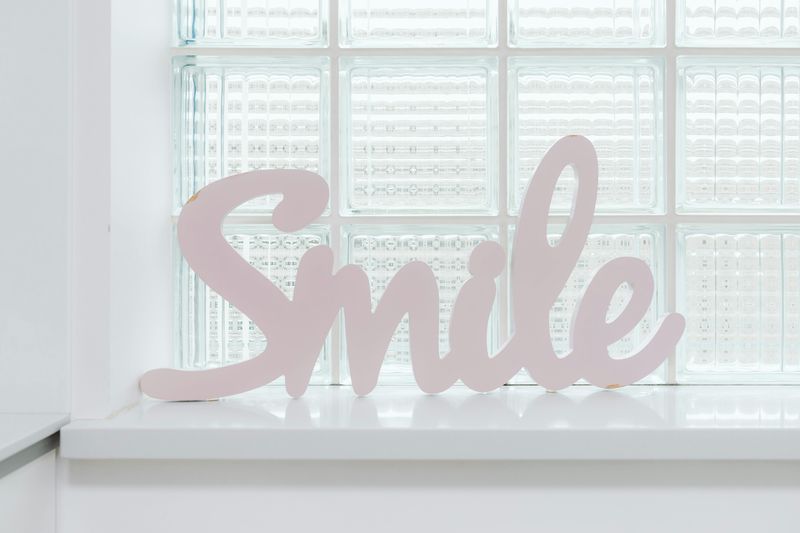
Word art and script décor adorned walls with motivational quotes and catchy phrases.
While initially charming, the trend quickly lost its appeal.
Designers are favoring personal art, vintage finds, and sculptural objects that add genuine character.
The shift is toward authenticity and personal expression.
The scripted messages became cliché, lacking the individuality many sought.
Now, the focus is on curated collections that truly reflect one’s personality and taste, moving away from generic expressions.