 MomSkoop
South America’s kitchens tell stories that go back centuries, blending Indigenous traditions with African and European influences.
Every dish carries memories of ancient civilizations, colonial encounters, and the resourcefulness of people who transformed simple ingredients into cultural treasures. From the Andes mountains to the Amazon basin, these ten specialties reveal how food becomes a delicious bridge between past and present.
1. Feijoada (Brazil)
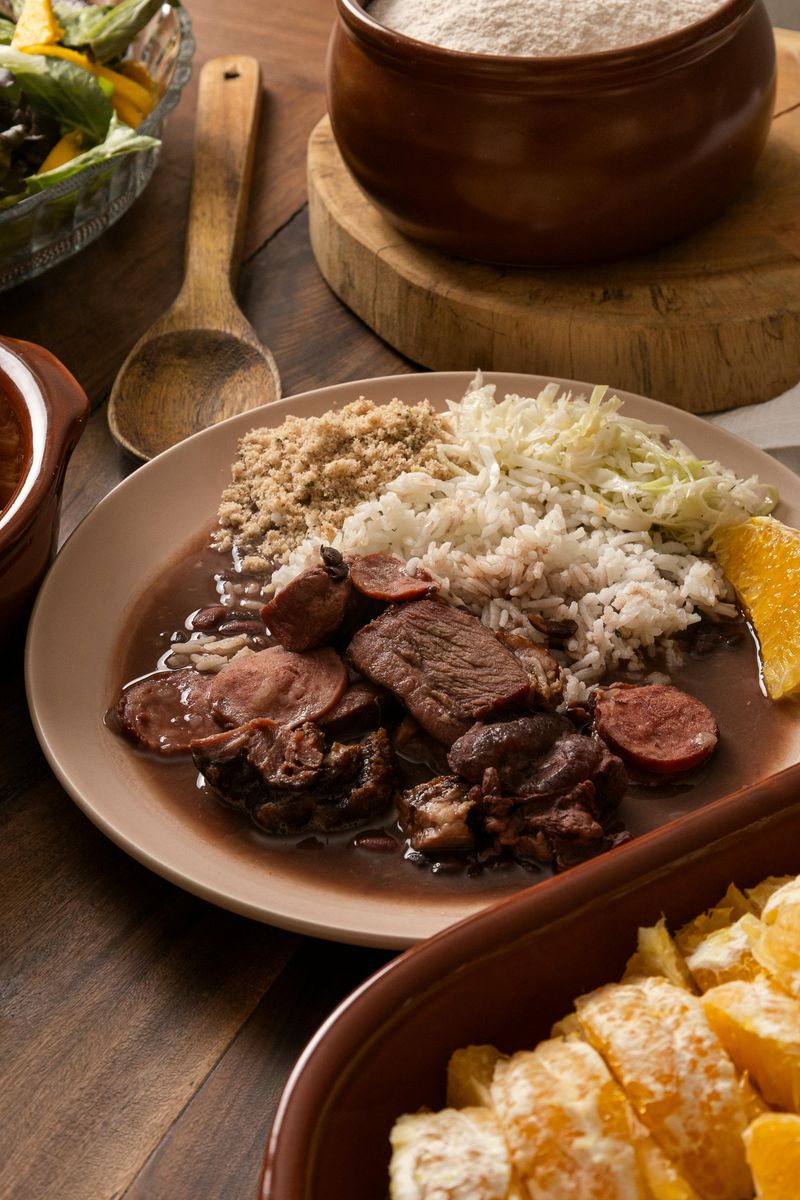
Enslaved Africans in colonial Brazil took leftover pork cuts and black beans, turning scarcity into something extraordinary.
What began as survival cooking became Brazil’s national treasure, served every Saturday in homes and restaurants across the country.
Soaking beans overnight softens them perfectly for the long simmer ahead.
Desalting pork by changing water several times removes excess saltiness while preserving flavor.
The magic happens during a slow 2-3 hour cook, where meats release their richness into dark, velvety beans.
Bay leaves add subtle depth without overwhelming the dish.
Sautéed onion and garlic join the pot near the end, bringing aromatic sweetness.
Serve this hearty stew with white rice and farofa for an authentic Brazilian feast that honors generations of culinary wisdom.
2. Ceviche (Peru)
Long before Spanish conquistadors arrived, coastal communities preserved fish using fermented corn juice.
When limes reached Peru’s shores during colonial times, ceviche transformed into the bright, tangy dish Peruvians cherish today.
Freshness matters more than any other factor here.
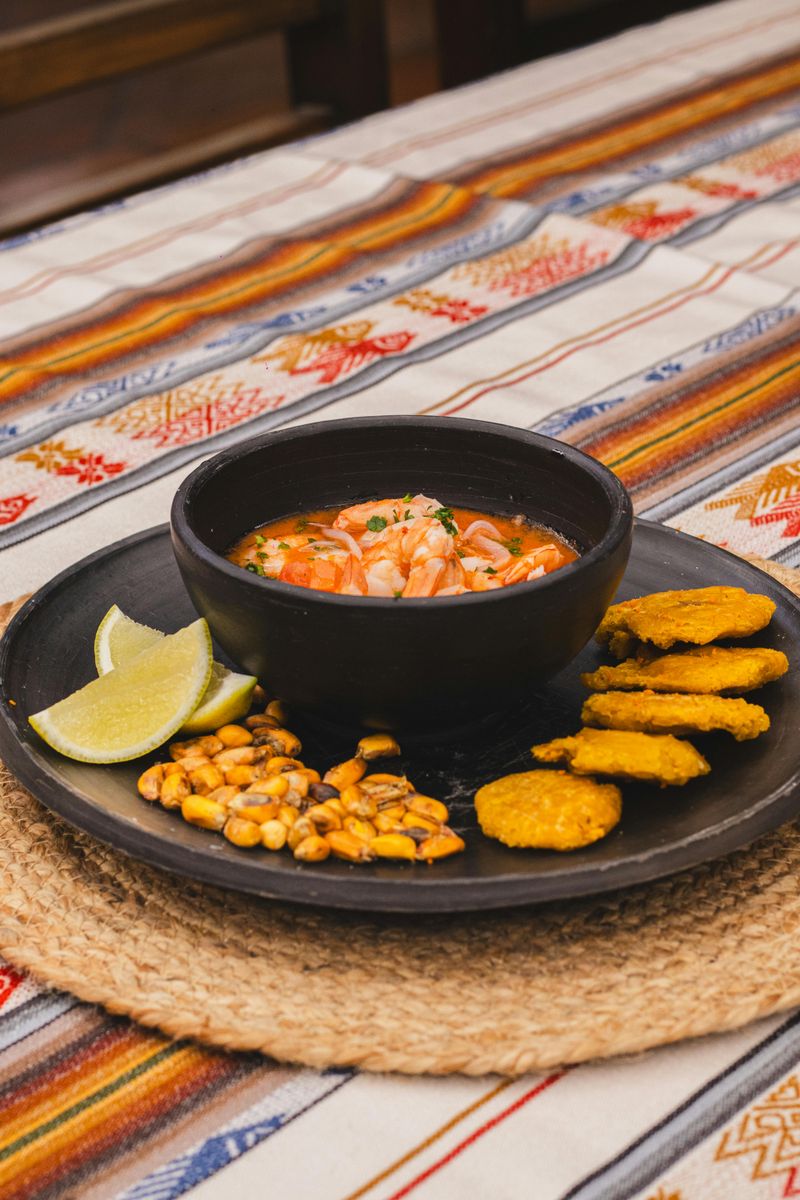
Corvina or sea bass works beautifully, diced into bite-sized pieces and lightly salted.
The crucial detail: add lime juice only minutes before serving, never marinating for hours like some recipes suggest.
Red onion slices bring sharpness, while aji limo chilies provide fruity heat.
Cilantro finishes the dish with herbaceous freshness.
This quick preparation method keeps fish tender and translucent, creating Peru’s beloved national dish that celebrates ocean bounty with respect and simplicity.
3. Asado Criollo (Argentina/Uruguay)
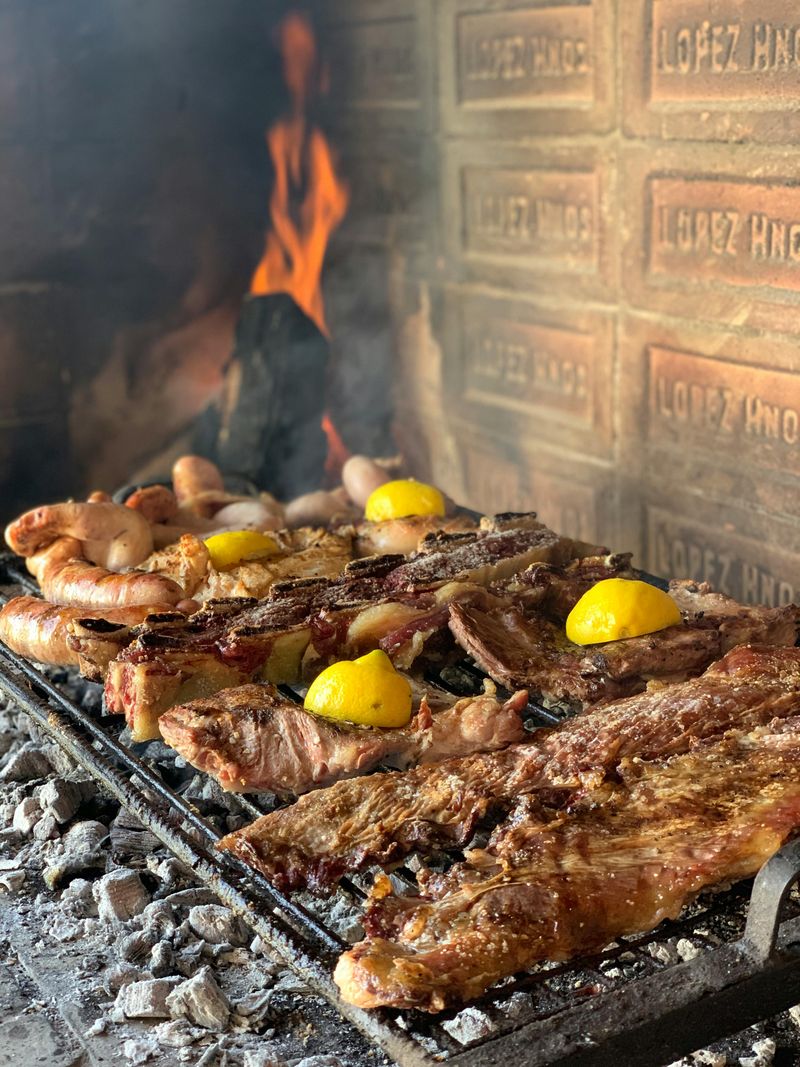
Gauchos roaming Argentina’s endless pampas perfected meat cooking over open flames centuries ago.
Their method required patience, wood embers, and nothing fancy—just exceptional beef and fire.
Today, asado remains Argentina’s most sacred culinary ritual, bringing families together every weekend.
Building the perfect fire means letting wood burn down to glowing embers first.
Beef ribs or short ribs cook slowly over indirect heat, allowing fat to render and meat to develop smoky tenderness.
Coarse salt applied during cooking enhances natural flavors without masking them.
No marinades or complicated seasonings distract from quality beef’s inherent richness.
Chimichurri sauce might accompany the meat, but many purists prefer eating it plain to fully appreciate the grilling craft passed down through generations.
4. Humitas (Andean Region)
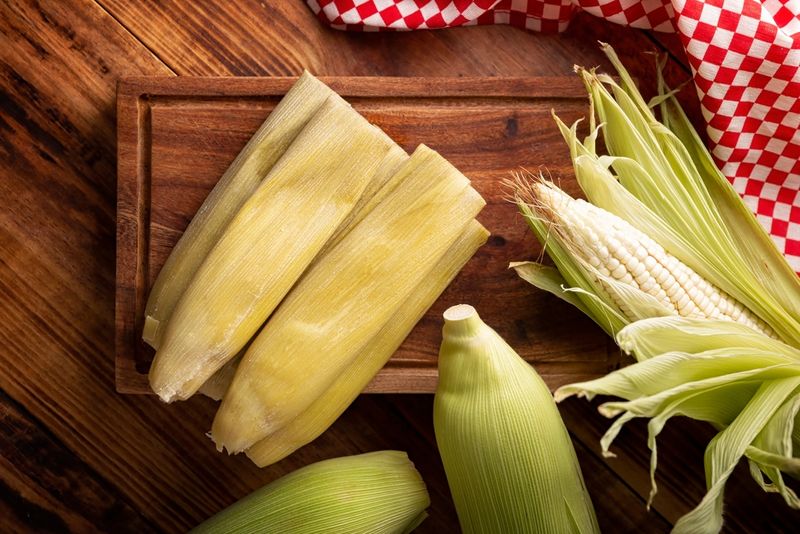
Corn fed Andean civilizations for thousands of years before the Inca Empire rose to power.
Humitas showcase how Indigenous cooks maximized every part of the corn plant, using husks as natural cooking vessels and kernels as filling.
Fresh corn gets ground into a coarse paste, never smooth like polenta.
Sautéed onion adds sweetness, while lard or butter brings richness to the mixture.
Fresh cheese and herbs like basil or oregano create savory depth.
Wrapping the mixture in corn husks requires gentle hands and patience.
Steaming for 45 minutes transforms raw ingredients into tender, aromatic parcels.
Each region across the Andes has its own variation, but all honor corn’s central role in mountain culture and survival throughout centuries of change.
5. Ajiaco (Colombia)
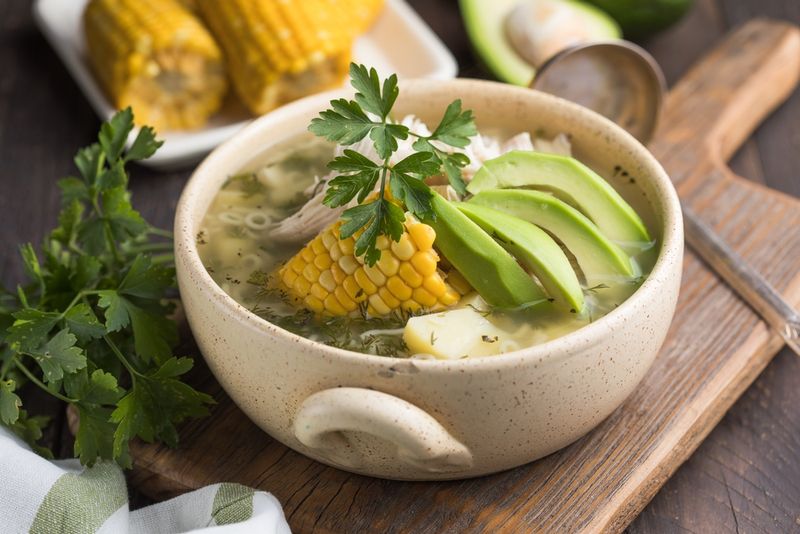
High in Colombia’s mountains, Indigenous communities created hearty soups from native potatoes long before Spanish colonizers arrived.
When chicken and European vegetables entered the mix, ajiaco evolved into Bogotá’s signature comfort food, perfect for chilly mountain evenings.
Three distinct potato varieties make this soup special—criolla, sabanera, and pastusa each contribute different textures.
Some dissolve completely, thickening the broth naturally, while others hold their shape.
Chicken simmers with garlic and onion until tender, creating a flavorful base.
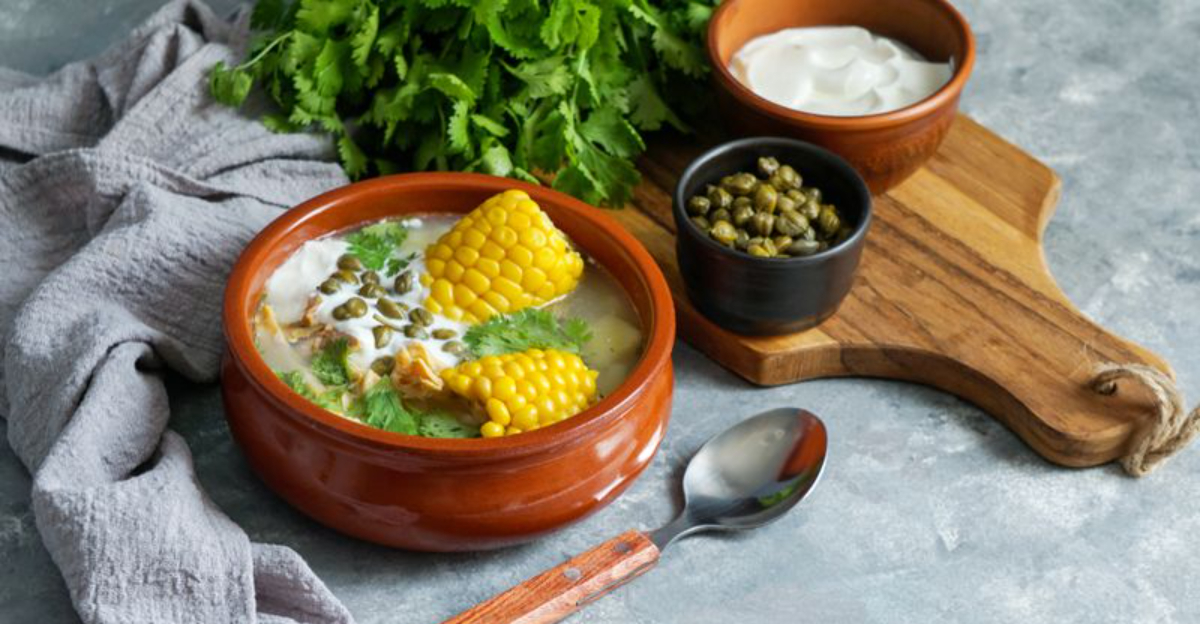
Corn on the cob adds sweetness, and guascas herb provides an earthy, slightly minty flavor found nowhere else.
Serving ajiaco properly means offering capers, cream, and avocado on the side, letting everyone customize their bowl according to personal taste and tradition.
6. Locro (Argentina/Bolivia)
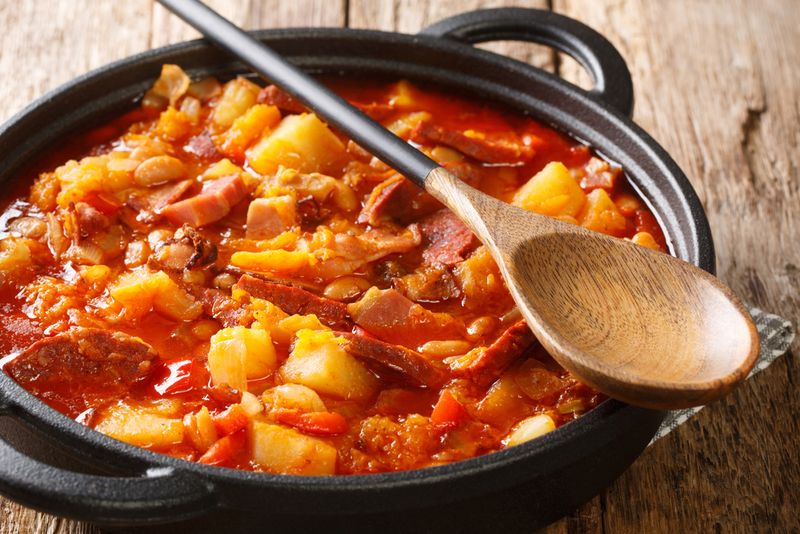
Inca ceremonies featured this thick, nourishing stew as a symbol of abundance and community.
Locro sustained mountain dwellers through harsh winters and still appears at Argentine Independence Day celebrations each May 25th, connecting modern citizens to ancestral roots.
White hominy corn requires overnight soaking to soften its tough exterior.
Long simmering with beans and multiple meats creates layers of flavor that deepen over hours.
Squash melts into the stew, adding natural sweetness and helping achieve that signature creamy consistency.
Paprika and cumin provide warmth without overwhelming heat.
The result feels more like a thick porridge than soup, meant to stick to your ribs during cold mountain nights.
Families often make huge pots, knowing locro tastes even better the next day after flavors fully meld together.
7. Moqueca Baiana (Brazil)
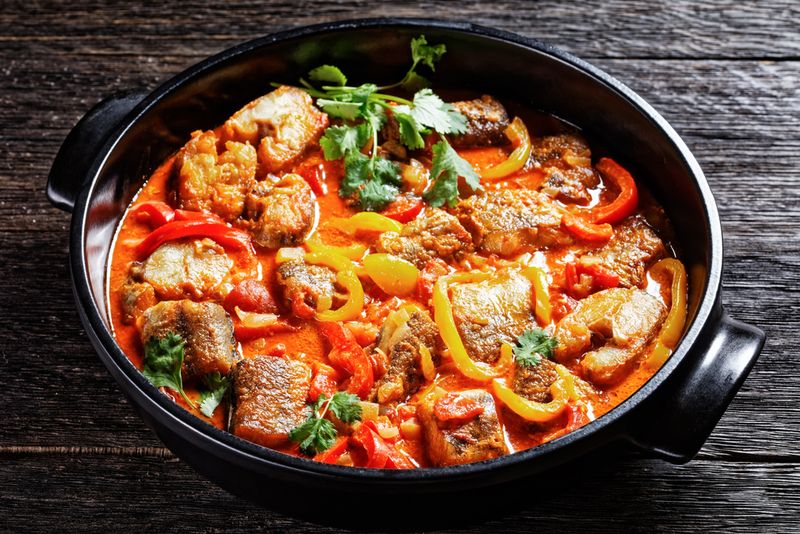
Brazil’s northeastern coast witnessed remarkable cultural fusion when African cooking techniques met Indigenous ingredients and Portuguese influence.
Moqueca Baiana emerged from this blend, particularly in Bahia where African heritage remains strongest.
Clay pots and palm oil connect this dish directly to West African culinary traditions.
Firm white fish holds up beautifully during gentle simmering.
Layering vegetables and fish in a traditional clay pot allows even heat distribution.
Coconut milk provides creamy sweetness, while dendê palm oil adds distinctive orange color and nutty richness.
The golden rule: never stir aggressively, which would break delicate fish apart.
Gentle shaking of the pot distributes flavors while maintaining texture.
Cilantro finishes the dish with fresh brightness, making moqueca a perfect representation of Brazil’s multicultural soul served in one beautiful pot.
8. Chupe de Camarones (Peru)
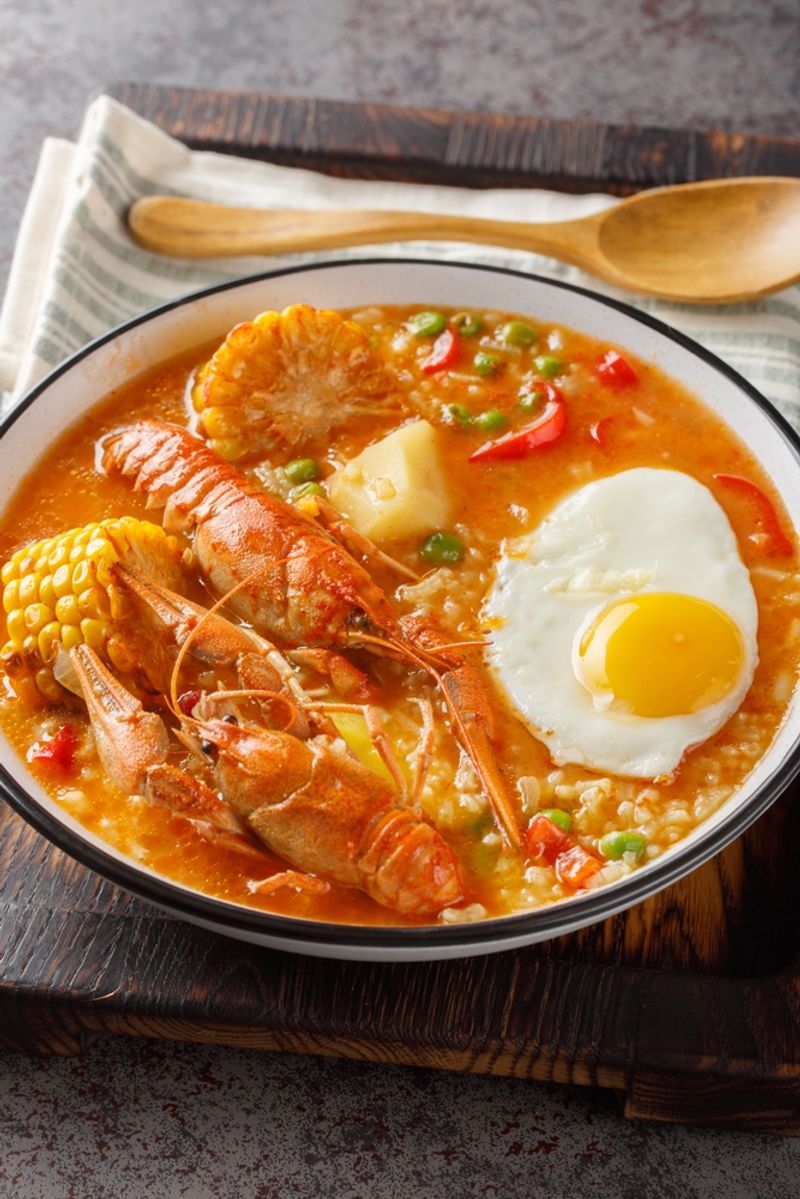
Colonial-era Peru’s coastal cities developed rich seafood traditions blending Spanish dairy products with Andean ingredients.
Chupe de camarones represents this marriage perfectly, combining ocean shrimp with mountain potatoes in a luxurious, creamy soup that warms both body and spirit.
Making stock from shrimp shells extracts maximum flavor that would otherwise go to waste.
Sautéing onion, garlic, and aji amarillo chili creates an aromatic foundation.
Potatoes and corn add substance, transforming simple soup into a complete meal.
The final touches make chupe special—milk adds creaminess, while a poached egg and fresh cheese finish each bowl.
This technique shows how colonial cooks adapted European soup-making to Peru’s abundant seafood, creating something uniquely Peruvian that honors both Old and New World ingredients.
9. Empanadas Salteñas (Argentina)
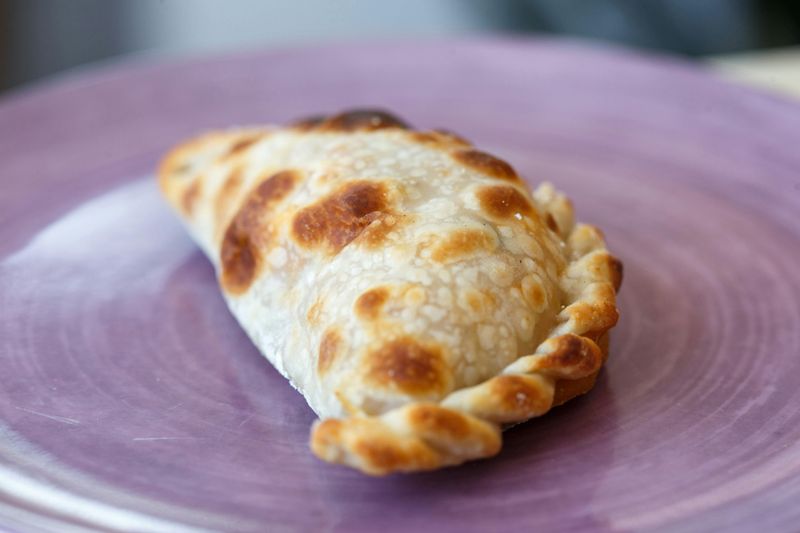
Spanish colonizers brought wheat and their beloved meat pies to South America, but Argentine cooks reimagined them completely.
Salta province perfected empanadas with a regional twist: juicy filling that requires careful eating to avoid spilling delicious broth down your chin.
This messiness became a point of pride rather than embarrassment.
Wheat flour dough made with beef fat creates flaky, tender pastry.
The filling stays deliberately juicy—diced beef, onion, potato, and spices cook briefly rather than until dry.
Chilling the filling before assembly represents Salta’s key innovation, preventing soggy bottoms.
Hard-boiled egg tucked inside adds richness and surprise.
Whether baked or fried, these empanadas capture Argentina’s ability to take European traditions and make them unmistakably South American through local ingredients and creative adaptation.
10. Cazuela de Ave (Chile)
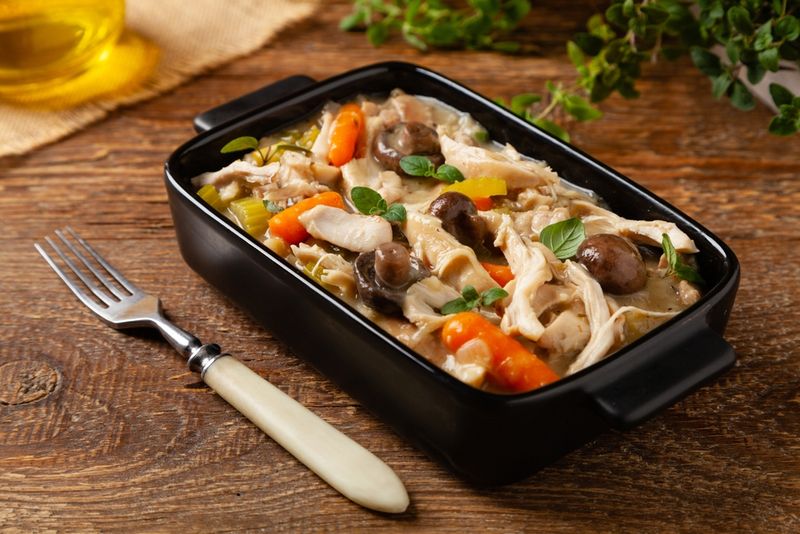
Rural Chilean families during colonial times created one-pot meals that stretched ingredients and warmed everyone gathered around the table.
Cazuela de ave represents this humble household tradition, where chicken, vegetables, and simple seasonings combine into something greater than their parts.
Clear broth distinguishes Chilean cazuela from thicker stews found elsewhere.
Chicken pieces simmer with onion and garlic until tender.
Adding vegetables in stages ensures everything cooks perfectly—potatoes need more time than corn or pumpkin.
Oregano provides subtle herbal notes without overpowering the clean, honest flavors.
The broth should remain transparent, not cloudy or thick, showcasing Chilean preference for lighter soups.
Each bowl becomes a complete meal, nourishing body and soul with the kind of straightforward cooking that sustained generations through Chile’s long, narrow geography.