 MomSkoop

Retirement opens up a wonderful chapter where your home becomes more than just a place to live—it transforms into your personal haven.
Creating a cozy sanctuary means designing a space that supports your comfort, safety, and happiness every single day. With thoughtful adjustments and intentional choices, you can turn your house into a warm retreat that nurtures your well-being and reflects who you are.
1. Prioritize Comfortable Seating

Your furniture should work for you, not against you.
Supportive chairs and sofas with proper cushioning make every moment of rest truly restorative, whether you’re reading, watching television, or chatting with loved ones.
Armrests provide essential support when sitting down or standing up, reducing strain on your joints and muscles.
Seat height matters too—furniture that’s too low can make getting up difficult and uncomfortable.
Proper cushioning distributes your weight evenly, preventing pressure points and allowing you to relax for longer periods.
Investing in quality seating means investing in your daily comfort and independence, making your home feel like a true sanctuary where relaxation comes naturally.
2. Enhance Lighting for Warmth and Safety
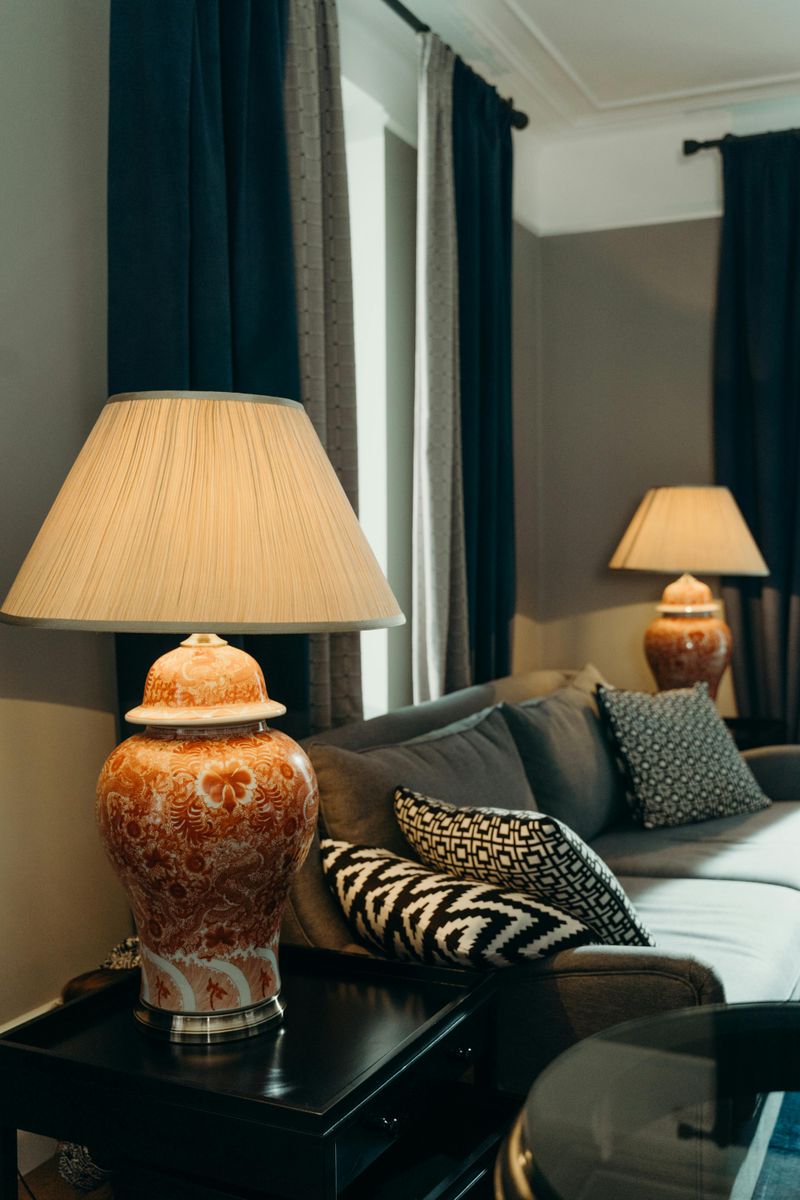
Good lighting changes everything.
Layering different types of light—ambient, task, and accent—creates a flexible environment that adapts to your needs throughout the day.
Warm bulbs cast a gentle glow that feels inviting and calming, unlike harsh white lights that can feel sterile.
Adding lamps in reading areas reduces eye strain and makes activities like reading or crafting more enjoyable.
Proper lighting also prevents accidents by illuminating hallways, staircases, and entryways clearly.
Consider installing dimmer switches to adjust brightness based on time of day or mood.
Well-lit spaces feel safer and more welcoming, turning your home into a comfortable refuge where you can move confidently day or night.
3. Choose Soft, Calming Colors
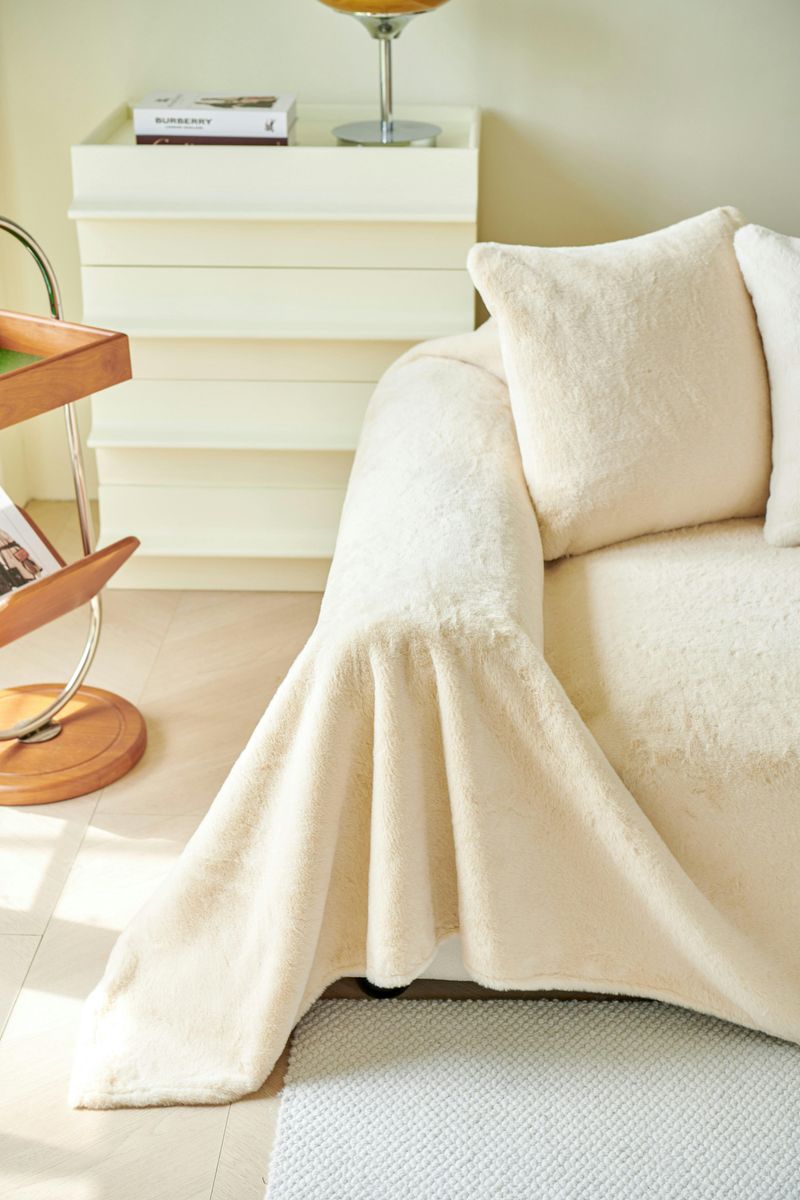
Colors speak to our emotions in powerful ways.
Neutral and warm tones like soft blues, creams, and earth colors have a naturally soothing effect that promotes relaxation and peace.
These shades make rooms feel more spacious and inviting without overwhelming your senses.
Soft blues remind us of clear skies and calm waters, while creams and beiges create warmth and comfort.
Earth tones like gentle greens and warm browns connect us to nature, bringing a sense of grounding and stability.
Painting walls or choosing furniture in these colors transforms your environment into a tranquil space.
When your surroundings feel peaceful, your mind follows, making it easier to unwind and enjoy your retirement years fully.
4. Add Cozy Textiles

Textiles bring instant warmth and comfort to any space.
Throw blankets draped over sofas invite you to curl up and relax, while plush rugs cushion your steps and reduce noise.
Comfortable cushions provide extra support and add visual softness to chairs and beds.
These elements work together to create a tactile experience that makes your home feel nurturing and safe.
Textiles also help with temperature regulation—blankets keep you warm on cool evenings, and soft rugs feel pleasant underfoot year-round.
Choosing fabrics in colors and textures you love personalizes your space and makes it uniquely yours.
Small additions like these transform a house into a cozy sanctuary where comfort surrounds you everywhere you turn.
5. Declutter and Simplify Spaces

Clutter creates stress without us even realizing it.
Keeping frequently used areas open and organized improves mobility and makes daily tasks much easier to manage.
When pathways are clear and belongings have designated places, you can move through your home confidently and safely.
Simplified spaces also require less maintenance, freeing up your time and energy for activities you truly enjoy.
Start by removing items you no longer use or need, then organize what remains in accessible locations.
Clear countertops, tidy shelves, and open floors create a sense of calm and order.
A decluttered home feels lighter and more peaceful, allowing you to focus on what truly matters in this stage of life.
6. Improve Indoor Air Quality

Fresh air makes a remarkable difference in how you feel.
Air purifiers remove dust, allergens, and pollutants, helping you breathe easier and reducing respiratory irritation.
Opening windows regularly brings in fresh outdoor air and prevents stuffiness, especially in rooms you use most often.
Low-maintenance houseplants like snake plants or pothos naturally filter air while adding life and beauty to your space.
Better air quality supports your overall health, improves sleep, and can even boost your mood and energy levels.
These simple steps create an environment that feels cleaner and more uplifting.
When the air in your home is fresh and pure, your sanctuary truly becomes a place of wellness and vitality.
7. Make the Bedroom a Restful Retreat

Quality sleep is essential for health and happiness.
A supportive mattress that aligns your spine properly reduces aches and helps you wake up refreshed rather than stiff.
Breathable bedding made from natural fibers like cotton or linen regulates temperature, preventing overheating during the night.
Blackout curtains block outside light, creating the darkness your body needs for deep, restorative sleep.
Consider adding soft pillows that support your neck and keeping the room cool, quiet, and clutter-free.
Your bedroom should be a peaceful oasis dedicated solely to rest and relaxation.
When you prioritize sleep quality, you invest in better overall well-being, energy, and mood throughout your retirement years.
8. Adapt the Home for Ease of Movement
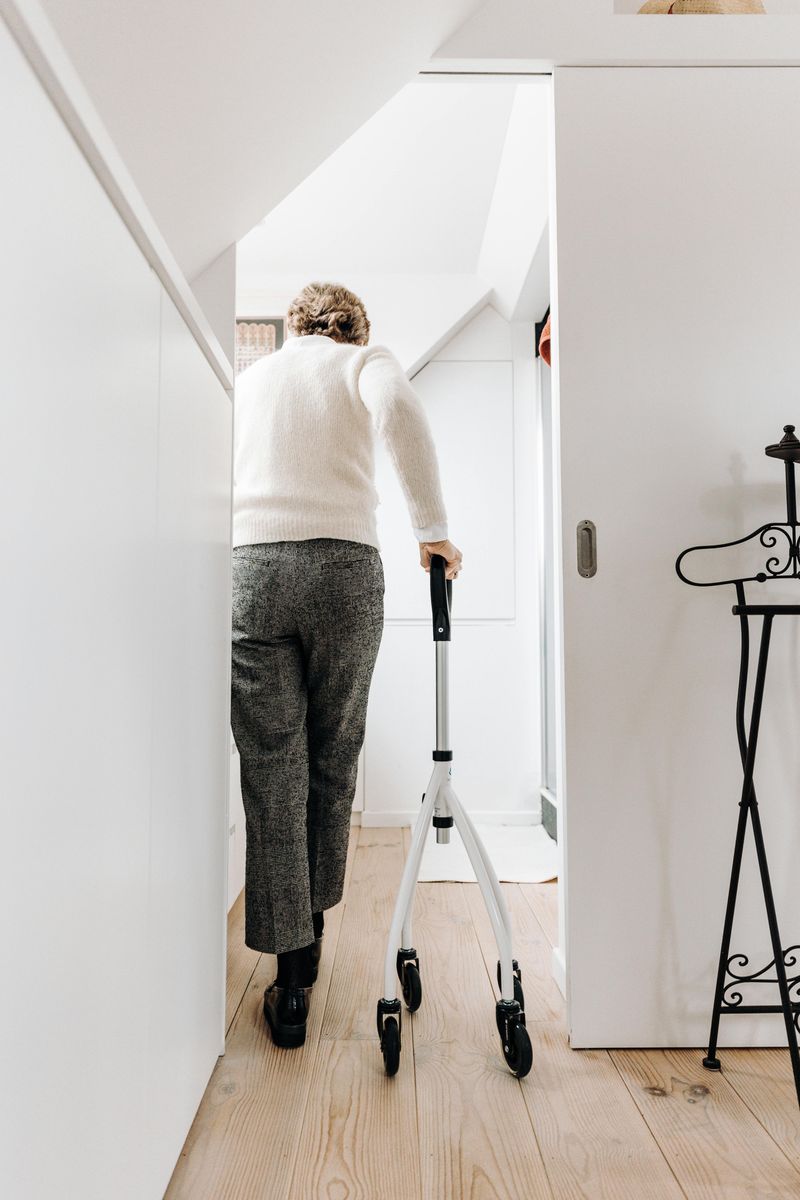
Small modifications can make a huge difference in daily comfort and confidence.
Grab bars installed near toilets, showers, and bathtubs provide stability and prevent falls without looking institutional.
Non-slip mats in bathrooms and entryways reduce the risk of slipping, especially on wet surfaces.
Lever-style door handles are easier to operate than traditional knobs, particularly for those with arthritis or reduced grip strength.
These adaptations enhance safety while maintaining your home’s style and beauty.
They allow you to move freely and independently, reducing worry and increasing peace of mind.
Creating an accessible environment means your sanctuary supports you physically and emotionally, letting you age gracefully in the place you love most.
9. Create Personal and Memory-Rich Corners
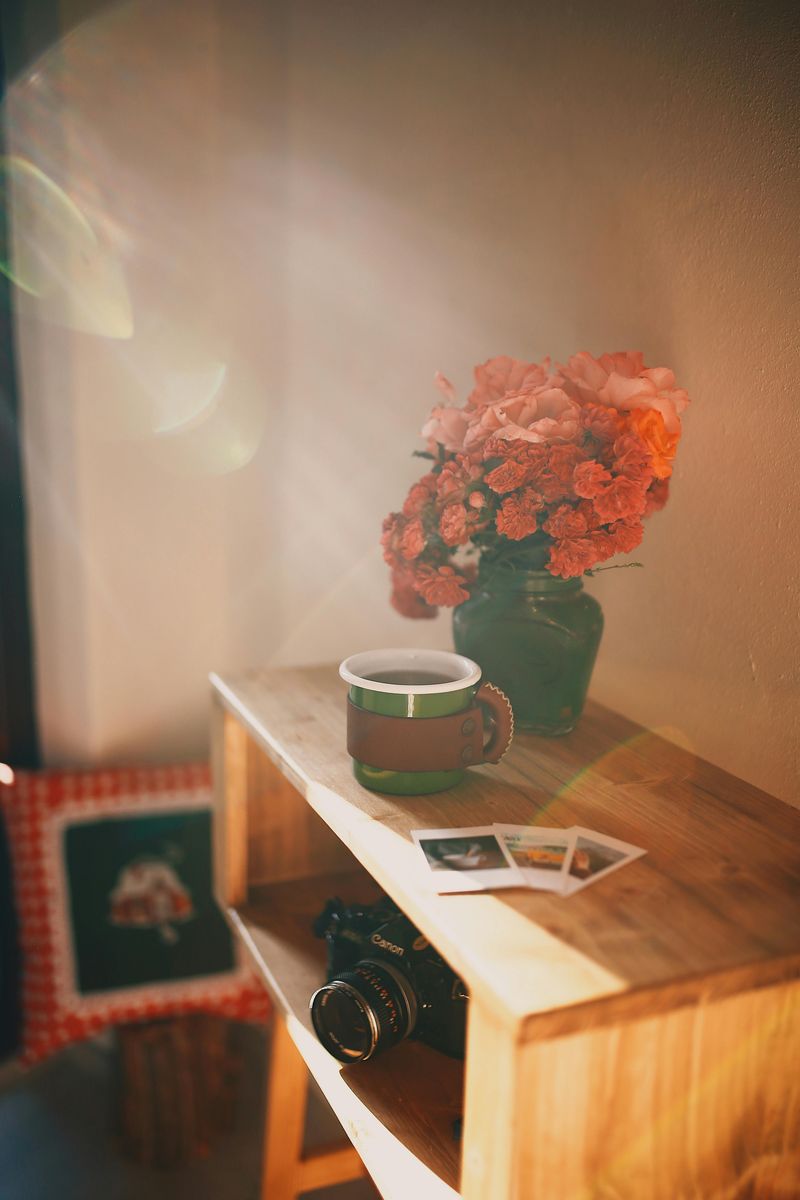
Your home should tell your story.
Displaying photos of loved ones, travel memories, and special moments brings joy and reinforces your sense of identity and belonging.
Keepsakes, books, and hobby collections add personality and spark conversations with visitors.
These items connect you to meaningful experiences and people who matter most in your life.
Dedicate shelves, walls, or small nooks to showcase these treasures in ways that feel organized yet personal.
Surrounding yourself with reminders of happy times and cherished relationships creates emotional warmth and comfort.
A home filled with your unique history and passions becomes a true sanctuary—a place that celebrates who you are and the life you’ve lived.
10. Control Temperature Comfortably

Feeling too hot or too cold disrupts comfort and well-being.
Efficient heating and cooling systems that are easy to operate ensure your home stays at the perfect temperature year-round.
Programmable thermostats let you set schedules that match your daily routine, maintaining comfort while saving energy.
Layered clothing and blankets offer additional flexibility, allowing you to adjust warmth without constantly changing the thermostat.
Proper insulation and weather-stripping prevent drafts and temperature fluctuations.
When temperature control is simple and reliable, you can relax without distraction or discomfort.
A home that stays consistently comfortable becomes a true refuge where you can focus on enjoying your days rather than managing your environment.
11. Design Spaces for Enjoyment and Purpose

Retirement offers time to pursue passions and hobbies that bring fulfillment.
Dedicating specific areas for reading, crafting, gardening, or meditation encourages you to engage in activities that nurture your spirit.
A reading nook with good lighting and a comfortable chair invites you to get lost in books.
A crafting corner stocked with supplies keeps creativity flowing and hands busy.
Spaces designed for hobbies give structure to your days and provide a sense of purpose and accomplishment.
Whether it’s a sunlit spot for morning meditation or a gardening station near a window, these intentional areas make your home more than just functional—they make it meaningful, fulfilling, and truly your own.